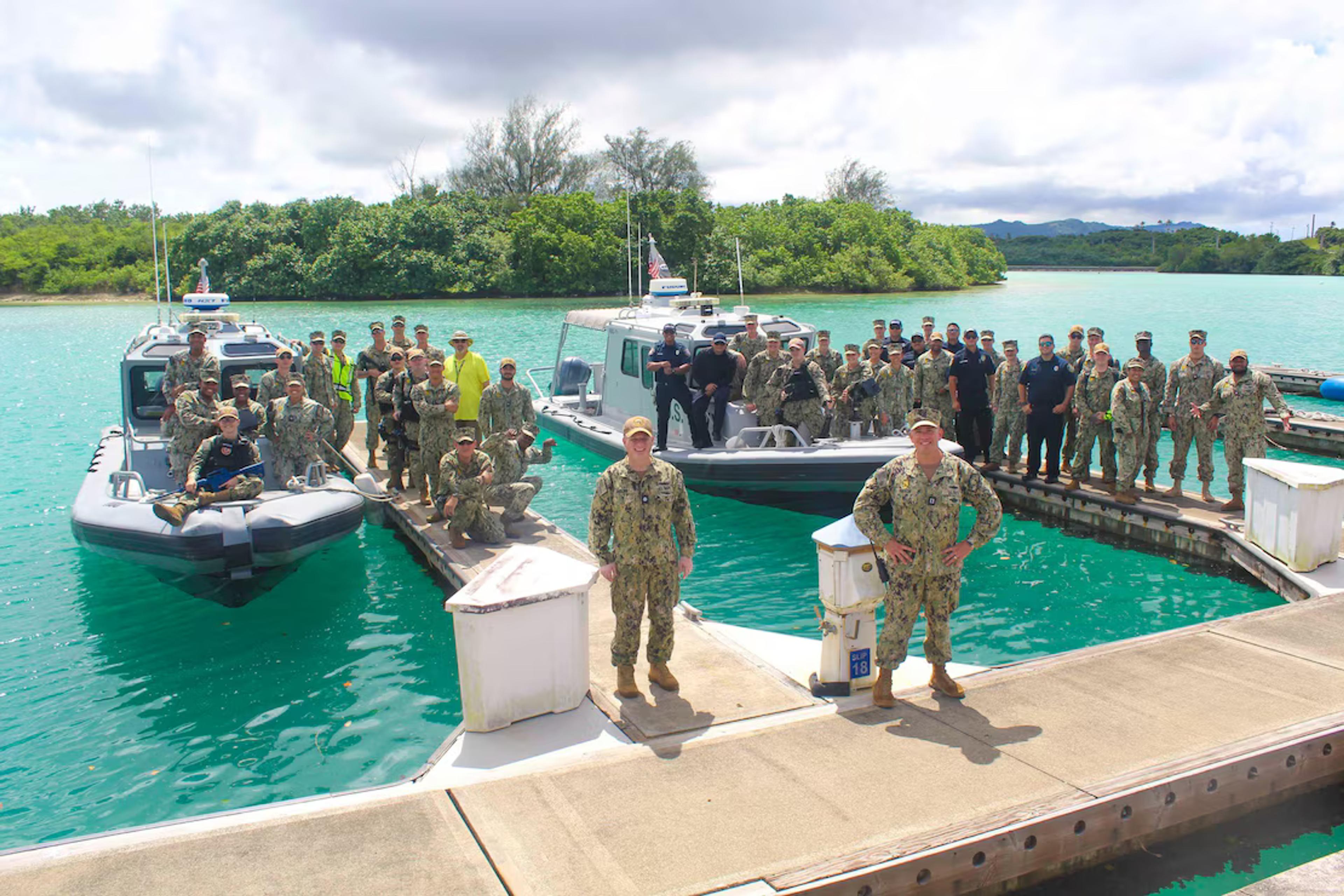
Guam is a key US military hub in the western Pacific, where the ongoing military buildup is placing additional pressure on civilian infrastructure.
Photo/US Navy, Guam
Politics
Guam pushes US to fund infrastructure strained by military buildup in territory
A delegation has presented US federal officials with data showing the pressure on hospitals, utilities, housing and other services as Washington expands US military presence in the Pacific nation.

Christine Rovoi
Published
24 September 2026, 6:00am
Share
Copy Link
Top stories
PNG Chiefs win first round against New Zealand Rugby
Christine RovoiSat, 17 Oct
Pacific families must work four days to afford basic food: World Vision
Thomas Tarurongo WynneFri, 16 Oct

Sāmoa demolish France in record-breaking 78-4 RL World Cup opener
Christine RovoiFri, 16 Oct
Top stories
PNG Chiefs win first round against New Zealand Rugby
Christine RovoiSat, 17 Oct
Pacific families must work four days to afford basic food: World Vision
Thomas Tarurongo WynneFri, 16 Oct
Sāmoa demolish France in record-breaking 78-4 RL World Cup opener
Christine RovoiFri, 16 Oct
Guam is pressing Washington to help pay for the growing pressure the United States military buildup is putting on the island's civilian infrastructure.
Governor Lou Leon-Guerrero and Lieutenant Governor Josh Tenorio led a Guam delegation to San Francisco this week for talks with US federal officials.
Guam’s territorial government is led by Leon-Guerrero with Tenorio serving as her deputy. Both leaders presented data on the impact of the buildup on hospitals, utilities, ports, schools, housing and emergency services.
The San Francisco meeting follows a joint request from Guam's territorial leaders for senior US defence officials to address the costs of national security decisions on the island.
The latest meeting is expected to lead to further interagency coordination and support the possible reconvening of an Economic Adjustment Committee (EAC).
The process follows a response from the US Department of Defense last year acknowledging the pressure created by the military buildup.
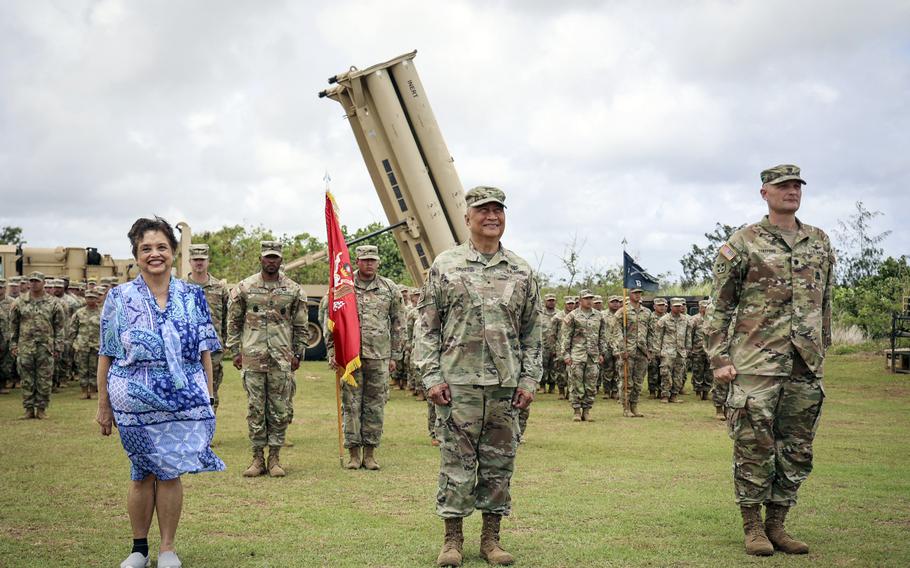
Guam Governor Lou Leon Guerrero, left, is leading the territory’s push for greater US federal support for civilian infrastructure affected by the military buildup. Photo/stripes.com
Guam is a US territory in the western Pacific, about 6400 kilometres from New Zealand. It is home to around 169,000 people and is a key part of the US military presence in the region.
In a November 2025 letter, Pentagon official Robert E. Thompson said the department was committed to an incremental process to lay the groundwork for potentially convening an Economic Adjustment Committee, starting with a regional meeting of federal agencies.
In a statement issued by the Governor's Office, Leon-Guerrero says the push is about recognising the local cost of Guam's role in US defence planning.
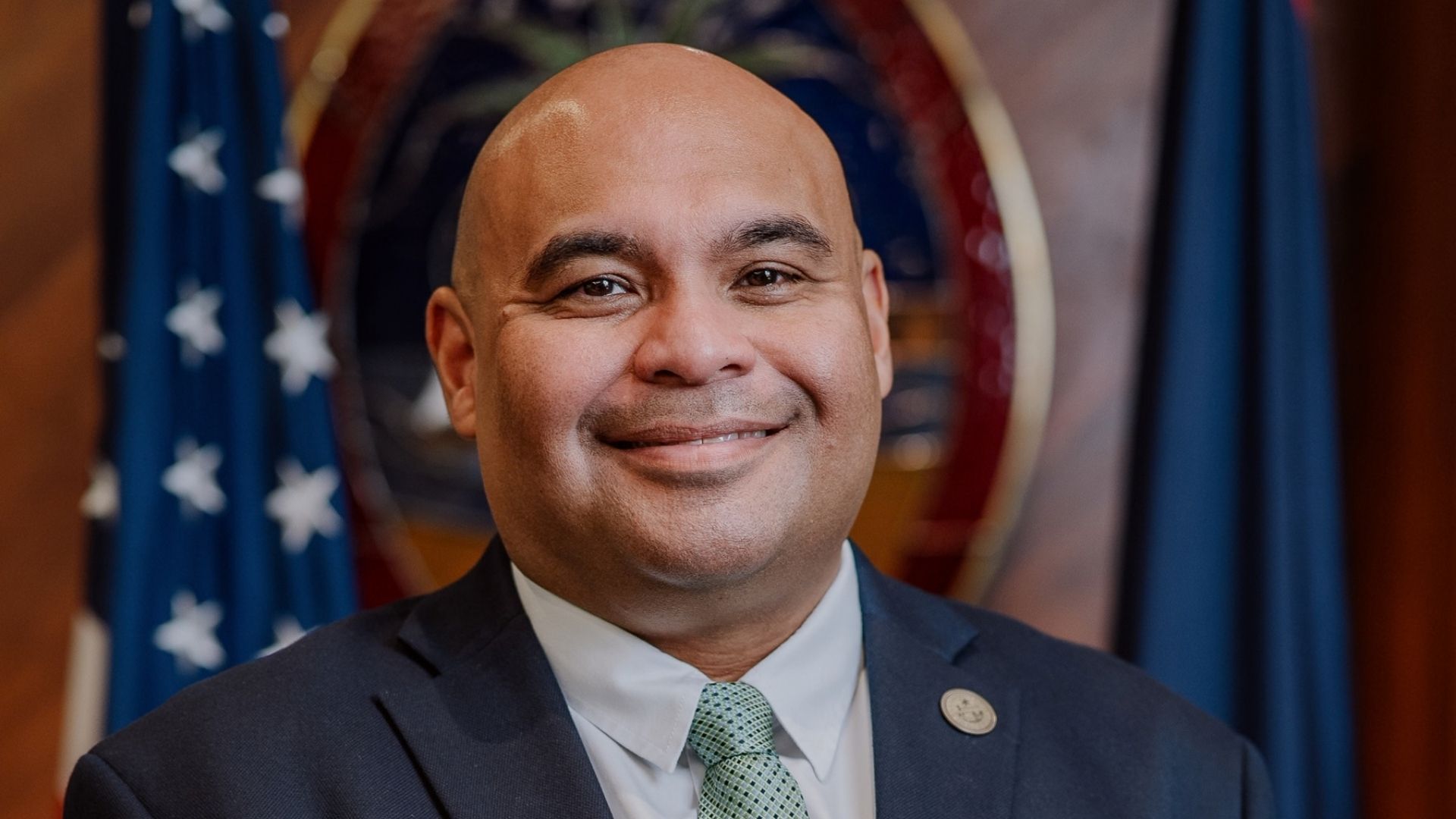
Guam Lieutenant Governor Josh Tenorio says the territory needs long-term federal investment to manage the infrastructure pressures linked to its strategic role. Photo/governor.guam.gov
"This letter acknowledges what we have been saying in every meeting in Washington and here at home - that national defence decisions in Guam carry very real costs for our people and our local government," Leon-Guerrero said in response to Thompson's letter.
Thompson's letter acknowledged the strain on Guam's civilian infrastructure.
Tenorio says Guam's strategic role needs to be matched with long-term federal investment.
"Because of our unique and invaluable role in America’s Pacific force posture, the economic costs and benefits to Guam can be affecting us through the next decade," he said during the San Francisco meetings.
The US Pacific territory has been preparing for these pressures for years through its Community Defence Liaison Office (CDLO).
Officials say working groups have been collecting data on power, water, wastewater, transport, housing, healthcare, education, labour, emergency response and ports.
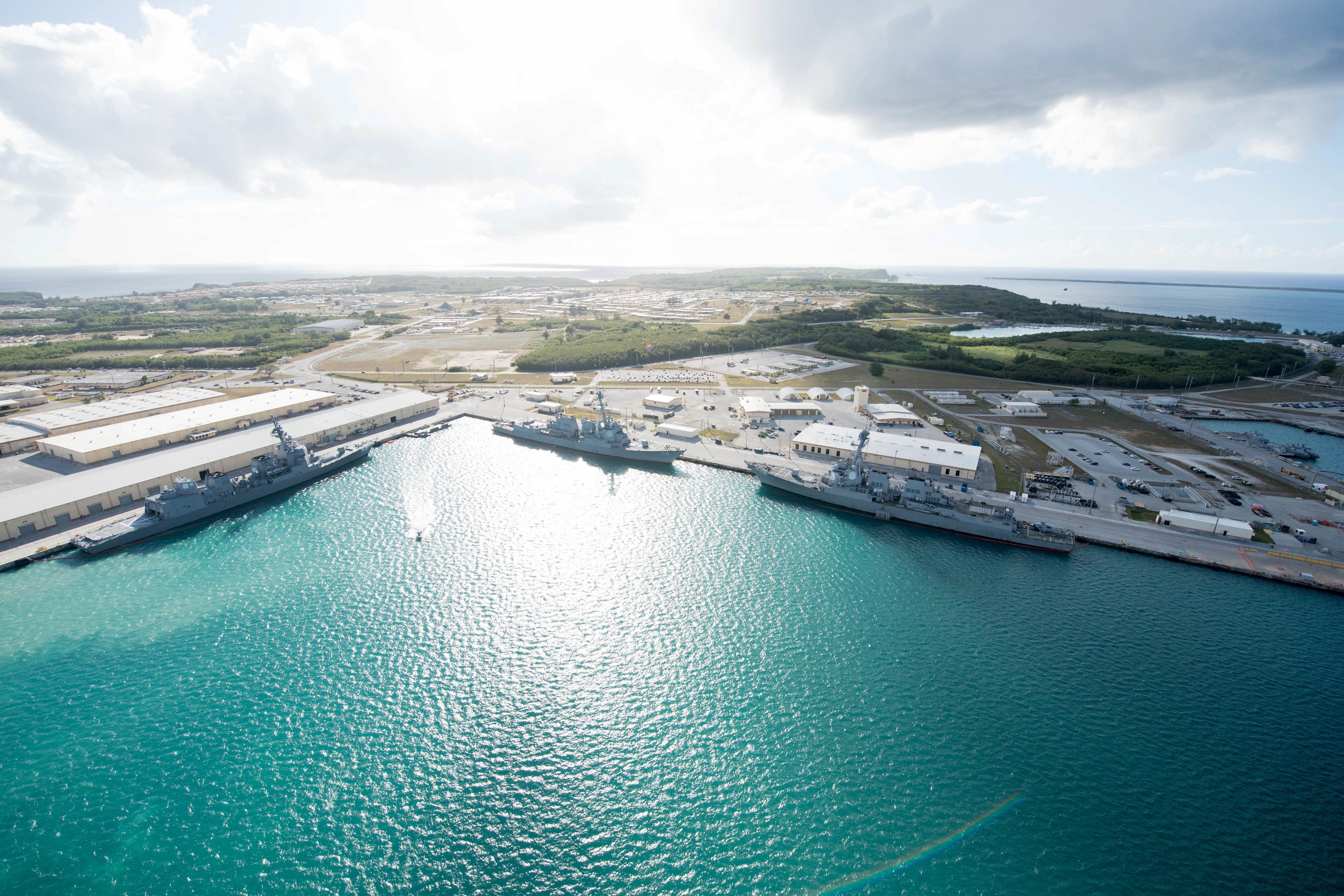
Guam is a US territory in the western Pacific, about 6400km from NZ and home to around 169,000 people. Photo/US Navy
Tenorio says that work has documented the scale of the challenge facing the island.
"These teams have spent years compiling data, identifying shortfalls, and documenting how the population growth and military construction for the buildup and Guam Defence System will impact our island," he said.
For Guam, he says the issue is not only about new military facilities but whether civilian services can keep pace with the population growth and infrastructure demands that come with them.
Leon-Guerrero says the territory wants Washington to recognise that burden as part of the wider US defence partnership.
"As we deepen our strategic role in the region, we will continue to insist on a fair partnership - one that protects our people, respects our capacity, and honors the sacrifices Guam makes in service to the nation," she said.
The San Francisco talks are expected to lead to further federal coordination and could pave the way for the Economic Adjustment Committee to be reconvened in the coming months.
The latest push also comes as Guam's congressional delegate, James Moylan, introduced legislation in the US House last week that would require regular consultation between Guam and the US Federal Government, including consideration of future multi-year federal financial assistance.
The key question now is whether that federal process results in concrete support for the civilian infrastructure that also has to carry the cost of the island's growing strategic role in the Pacific.