PNG Chiefs win first round against New Zealand Rugby
Christine RovoiSat, 17 Oct
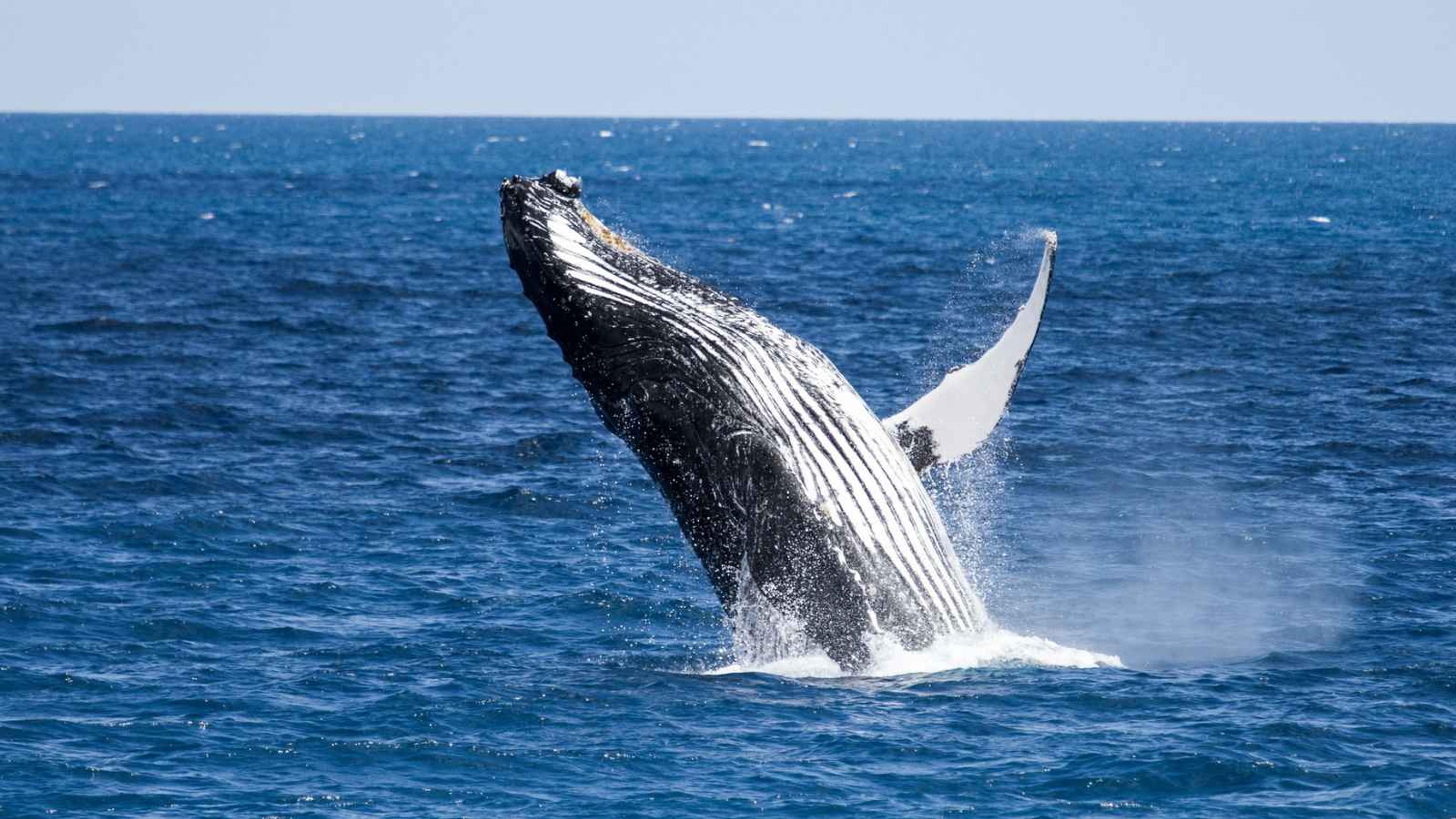
An estimated minimum of 300,000 whales and dolphins are killed each year as a result of fisheries bycatch, while others succumb to a myriad of threats including shipping and habitat loss.
Photo/Supplied
Recognising whales as legal persons could force major changes to how oceans are managed, as a new bill links conservation, climate change, and Pacific values.




If whales were recognised as legal persons, decisions about shipping, fishing, and ocean development in Aotearoa New Zealand could be forced to change.
That is the aim of a new members’ bill launched by Green Party MP Teanau Tuiono at Waitangi, which would give whales legal rights for the first time.
Tuiono has introduced a bill that would recognise the legal personhood of whales in New Zealand law.
Speaking to PMN News shortly after the launch, Tuiono said the proposal would require decision-makers to consider whales as rights-bearing beings across a range of environmental and conservation laws.
This would include stronger protection for migration routes, habitats, and natural behaviours and not treating harm as an acceptable cost of development.
This Bill is drawn from the foundational work of Hinemoana Halo as a part of He Whakaputanga Moana guided by Ngāti Wai. Tuiono acknowledges the important work and indigenous connections across Te Moana Nui a Kiwa and other indigenous nations.
“It's about conservation, but it's also about climate change,” Tuiono said. “And it's also about who we are as people from the Pacific.”
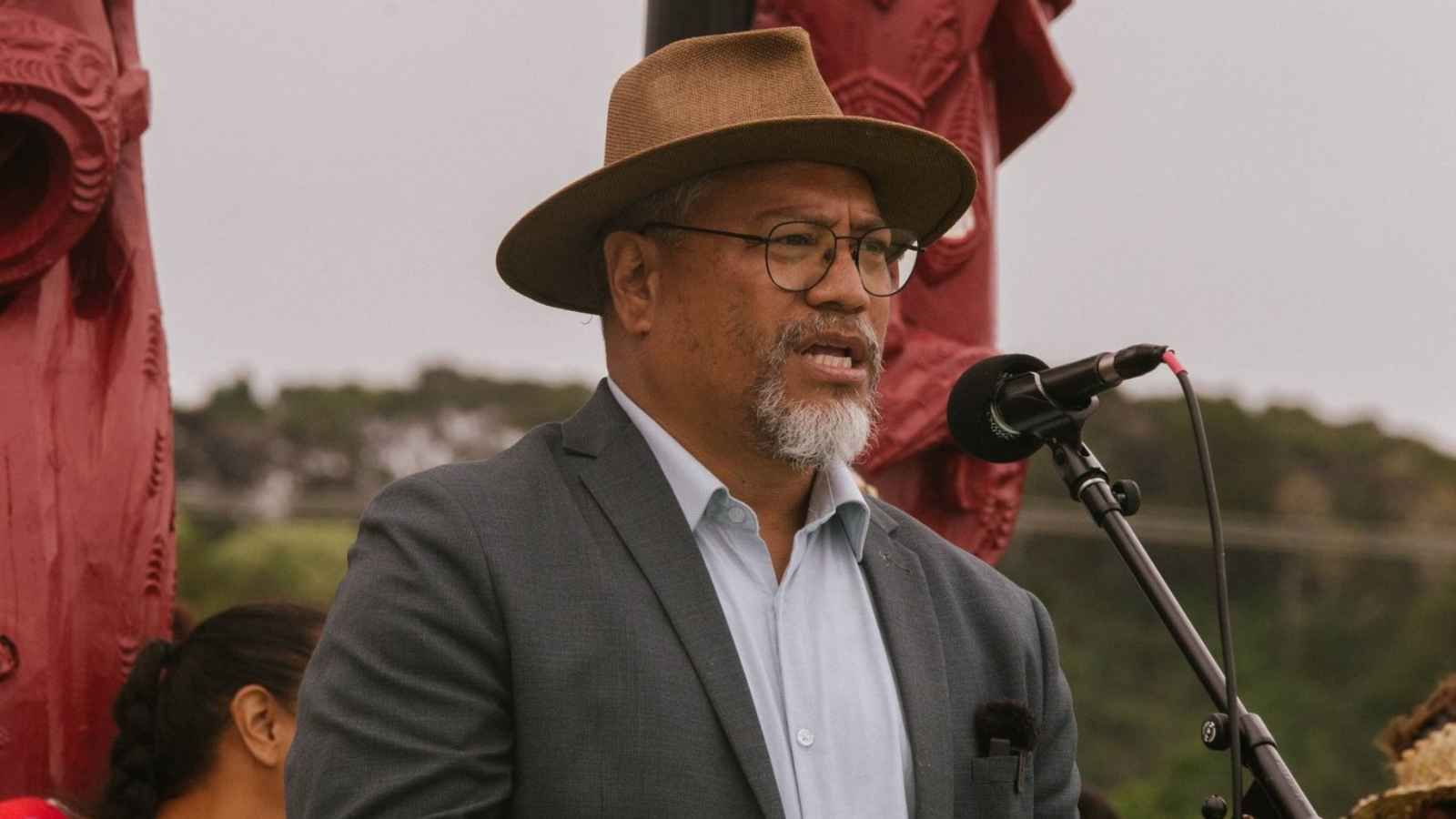
Green MP Teanau Tuiono. Photo/Supplied
Members’ bills are laws proposed by MPs who are not government ministers. They are usually entered into a ballot with only a small number selected for debate.
A bill can bypass the ballot if it secures the support of 61 MPs.
Tuiono’s bill sets out five key principles to define whale personhood: freedom of movement and migration, protection of natural behaviours, protection of social and cultural structures, the right to a healthy environment and the right to restoration of damaged habits and ecosystems.
Watch a whale being rescued from a marine chain below.
Whale populations around the world have been severely reduced by commercial hunting and continue to face growing threats from climate change, vessel strikes, noise pollution and habitat loss.
According to the Department of Conservation, fewer than 2000 blue whales are thought to remain from an estimated pre-hunting population of around 250,000.
Fin whales are believed to be at less than five per cent of their former numbers, while humpback and sei whales are at 10 to 20 per cent.
Southern right whales have also been heavily affected, with only a few thousand remaining from an estimated 60,000 before large-scale hunting.
Tuiono said the bill was informed by long-standing conversations across the Pacific. “When I was back in the Cook Islands this is a conversation that's been happening quite a lot across the Pacific and they've got different types of jurisdictions.”
In 2024, indigenous leaders signed a treaty in Rarotonga with similar principles. Known as He Whakaputanga Moana, the Declaration for the Ocean, it has been described as a woven cloak of protection for the whales and the wider marine environment. A fund was also established to support community-led ocean protection.
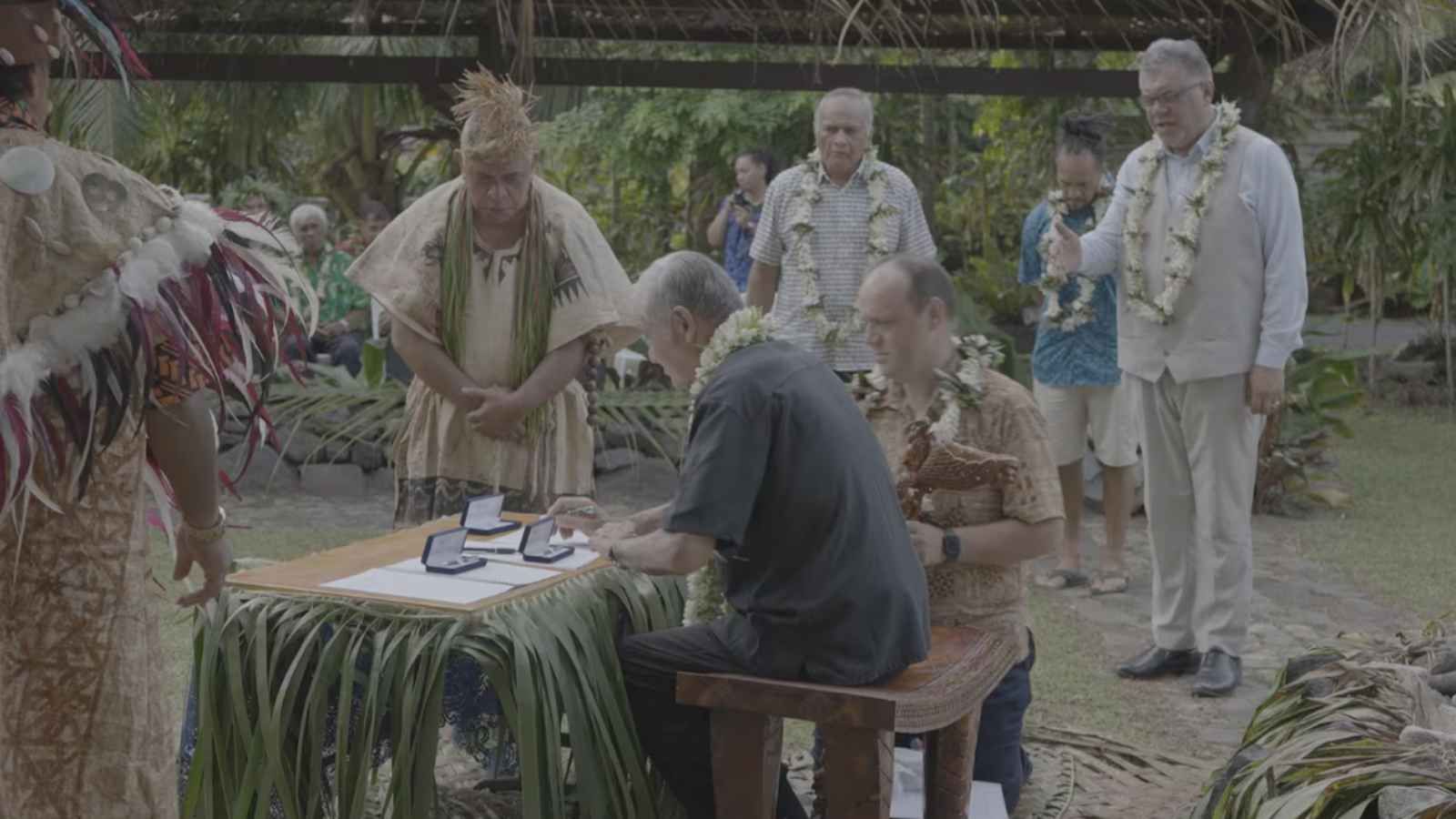
Kiingi Tuheitia Pootatau Te Wherowhero VII signing He Whakaputanga Moana in Rarotonga. Photo/Supplied
Calls for whale rights have also been made by Tonga’s Princess Angelika Lātūfuipeka Tuku’aho, who told an international ocean science conference in France last year that whales should not be viewed as resources but as sentient beings with their own rights.
Despite the long odds faced by members’ bills, Tuiono remains optimistic. “First, you’ve got to get it pulled out of the biscuit tin and you’ve got to get enough support. I’m going to try.”