
They lost their dignity': Lupus pushing Pacific women out of family and community life
Thomas Tarurongo WynneWed, 07 Oct
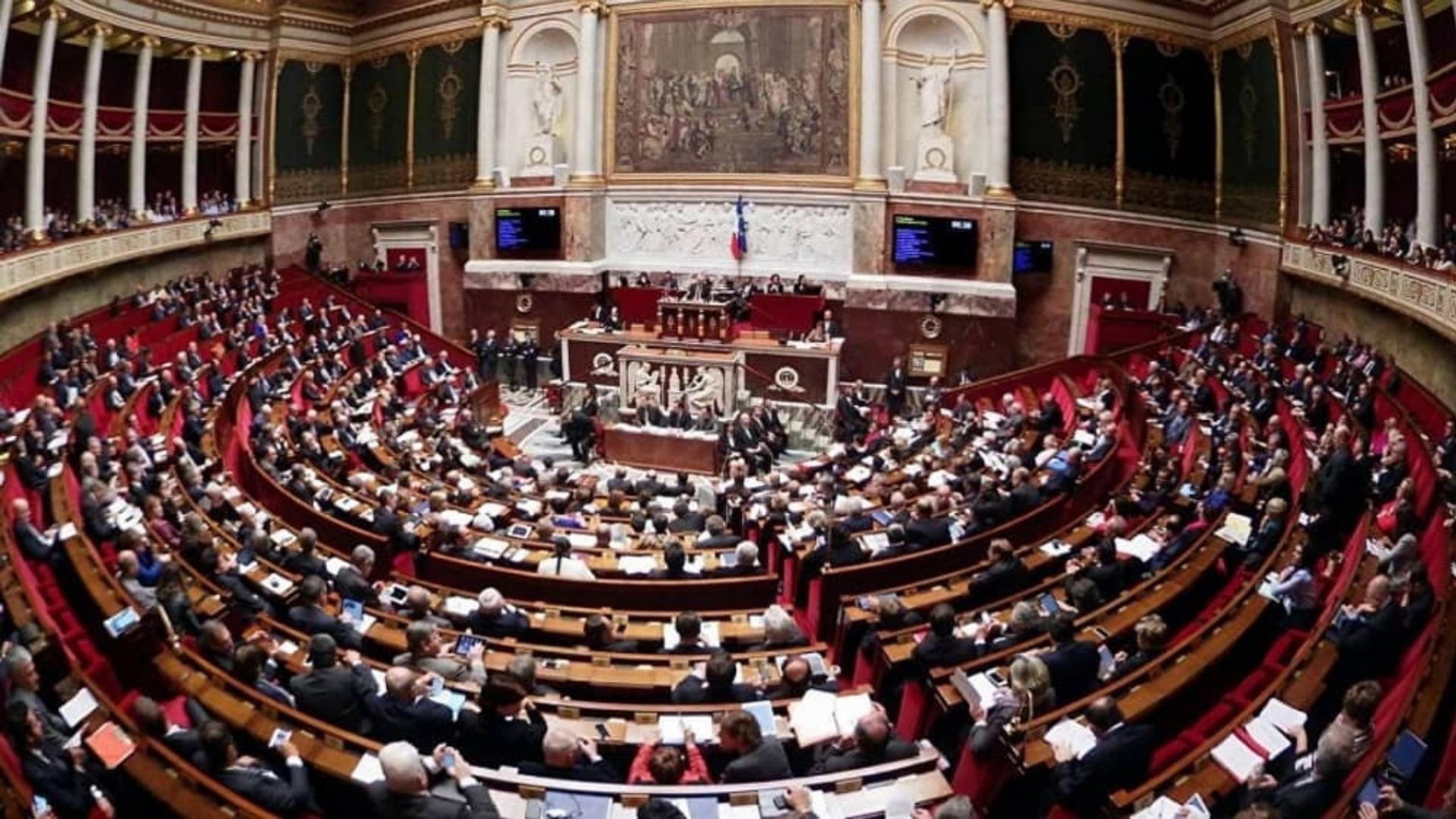
France’s National Assembly has voted to expand New Caledonia’s electoral rolls ahead of the 28 June provincial elections, in a move that has deepened political tensions in the Pacific territory.
Photo/France National Assembly
The delayed move by the National Assembly in Paris has been welcomed by some but criticised by others who warn it risks deepening political tensions.




France’s National Assembly has approved changes to New Caledonia’s electoral rolls ahead of delayed provincial elections.
The move has been welcomed by some but critics including the independence leaders warn it risks deepening political tensions.
France’s National Assembly has voted to expand New Caledonia’s electoral rolls ahead of long-delayed provincial elections.
According to Islands Business, the decision reflects ongoing political division over the future of the French Pacific territory.
In a 386127 vote, MPs backed an organic law on 20 May to add an estimated 10,569 locally born voters to the rolls for elections set for 28 June.
The elections for New Caledonia’s three provincial assemblies and Congress were last held in 2019 and have been postponed three times.

The vote will add an estimated 10,569 locally born voters to the electoral rolls, as New Caledonia prepares for long-delayed provincial elections. Photo/PANG
The changes include 4145 people under customary law, largely Indigenous Kanak, and 6424 under common law, the report said.
But a separate proposal to also include spouses and partners of eligible voters was narrowly rejected by just one vote, 164-163. This highlights divisions even within President Emmanuel Macron’s political bloc.
The reforms come after years of dispute over who has the right to vote in New Caledonia’s local institutions, which were shaped by the 1998 Nouméa Accord.
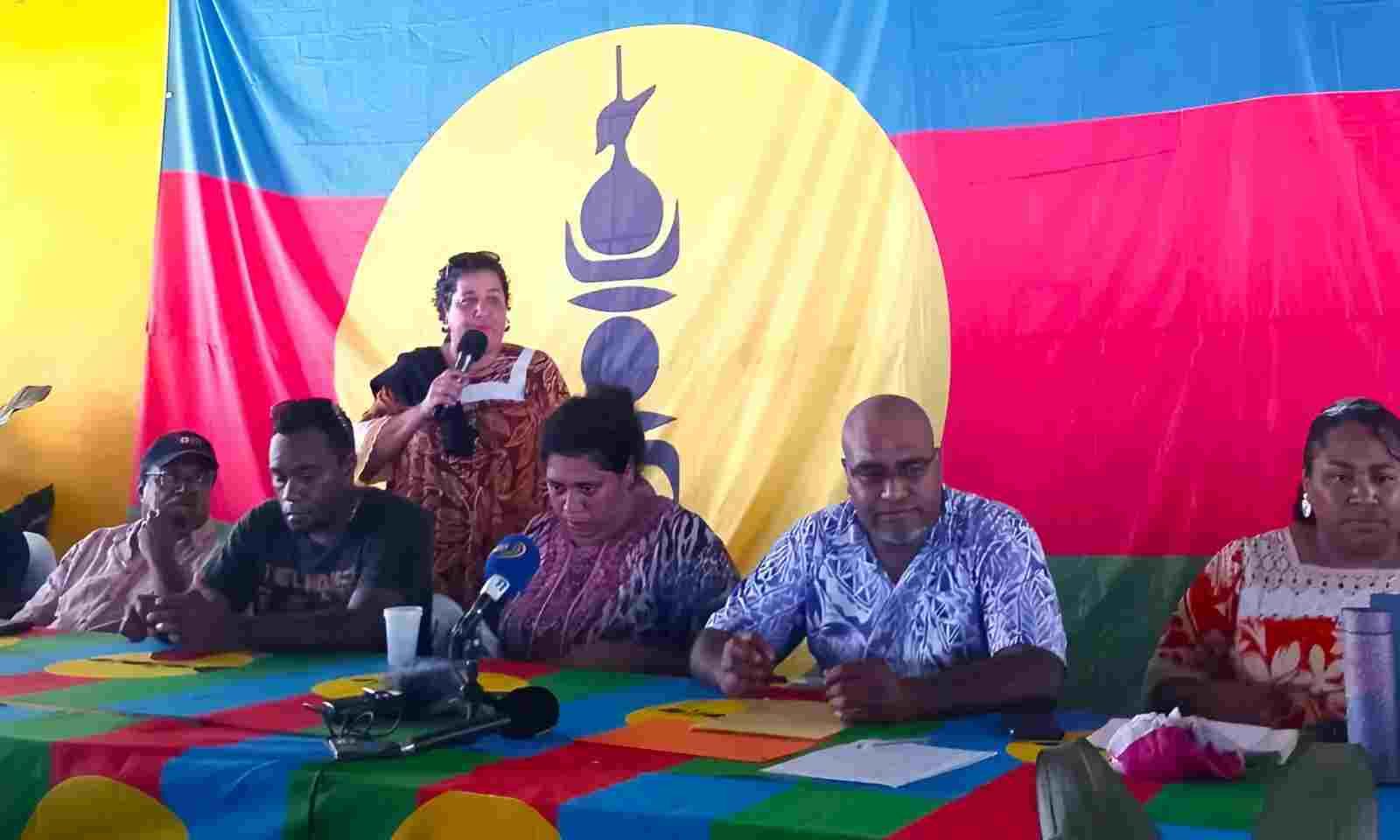
Independence leaders say the changes risk inflaming tensions, warning that electoral reform must be tied to a broader agreement on decolonisation. Photo/LNC/RRB/file
The political tensions come as the United States has lowered its travel advisory for New Caledonia from “Reconsider Travel” to “Exercise Increased Caution”, more than a year after deadly unrest shook the French Pacific territory in 2024.
In Paris, left-wing deputies largely voted against the legislation. New Caledonian deputy Emmanuel Tjibaou warned that reopening voter eligibility so close to an election risked inflaming tensions.
“Reopening the debate on the electorate a month before the provincial elections, after the campaign has already begun, is to radicalise positions on the issue once again,” he said in a report by Islands Business.
Tjibaou, who leads the independence party Union Calédonienne, said the movement was not opposed to change in principle, but insisted it must happen within a wider agreement.
“The FLNKS is clear: we are not opposed to changes to the electoral rolls, but only within the framework of a comprehensive agreement that confirms the path to decolonisation,” he said.
Voting rights have long been one of the most sensitive issues in New Caledonia’s political debate.
Anti-independence groups have pushed for broader voting rights, including expanding eligibility to more French nationals living in the territory.
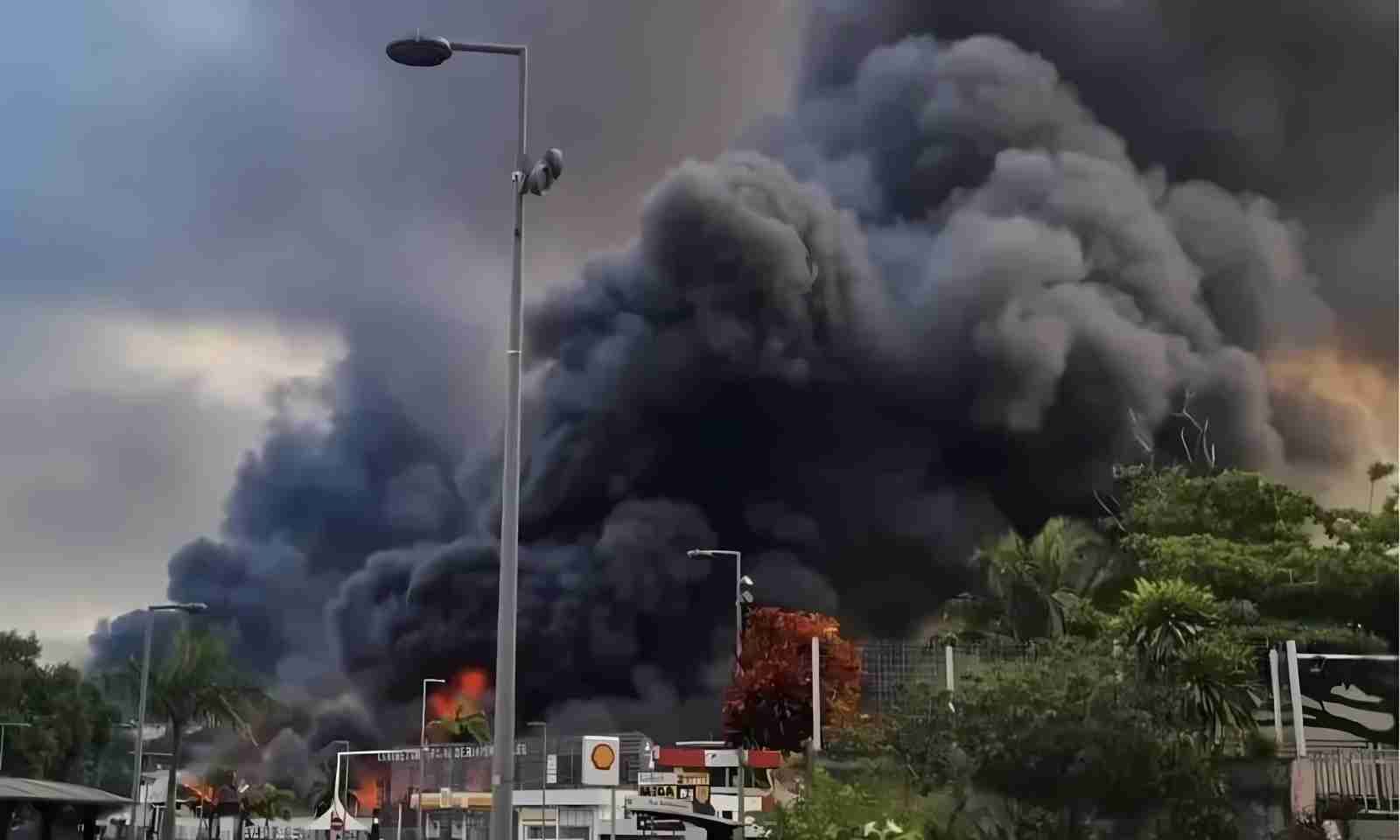
The reforms come after years of unrest and political deadlock over voting rights in New Caledonia, one of France’s most sensitive Pacific territories. Photo/Twitter/@ncla1ere
A wider “unfreezing” of the roll had been estimated to potentially add more than 37,000 voters, in a territory of around 268,000 people.
Tensions escalated in 2024 when a previous attempt to broaden voting eligibility triggered months of unrest that left 14 people dead and severely damaged the economy.
The violence, triggered by proposed electoral reforms, left 15 people dead, caused major damage to businesses and infrastructure, and badly hit the local economy. French authorities later withdrew the reforms following months of unrest.
While Washington now considers New Caledonia generally safe for travel, it has warned visitors to remain cautious around political demonstrations and outside Nouméa at night.
That crisis led to renewed talks between leaders in Paris and Noumēa and resulted in a draft political framework known as the Bougival Accord.
However, the main independence coalition, the Front de Libération Nationale Kanake et Socialiste (FLNKS) rejected the proposal, saying it undermined key elements of the Nouméa Accord.
Some compromise proposals were later put forward, including a May 2025 suggestion by New Caledonian Senator Georges Naturel to expand the roll only to locally born residents in an effort to reduce tensions.
Following last month’s rejection of the Bougival Accord in parliament, French Prime Minister Sébastien Lecornu moved to advance the voter roll changes as a more limited option.
During the debate, pro-France New Caledonian deputy Nicolas Metzdorf said many voters who supported remaining within France still felt uncertain about the direction of political reform.
He also criticised the lack of consensus in parliament, saying: “We have nothing more to expect from this Parliament.”
After the 28 June elections, Lecornu has proposed new tripartite talks to try again to build a political settlement before France’s presidential election in 2027.
But divisions remain deep, with some leaders already rejecting further negotiations.