
Residents of flood-damaged Māngere to help allocate $300,000 local recovery fund
Taelegalolo'u Mary AfemataThu, 10 Sep
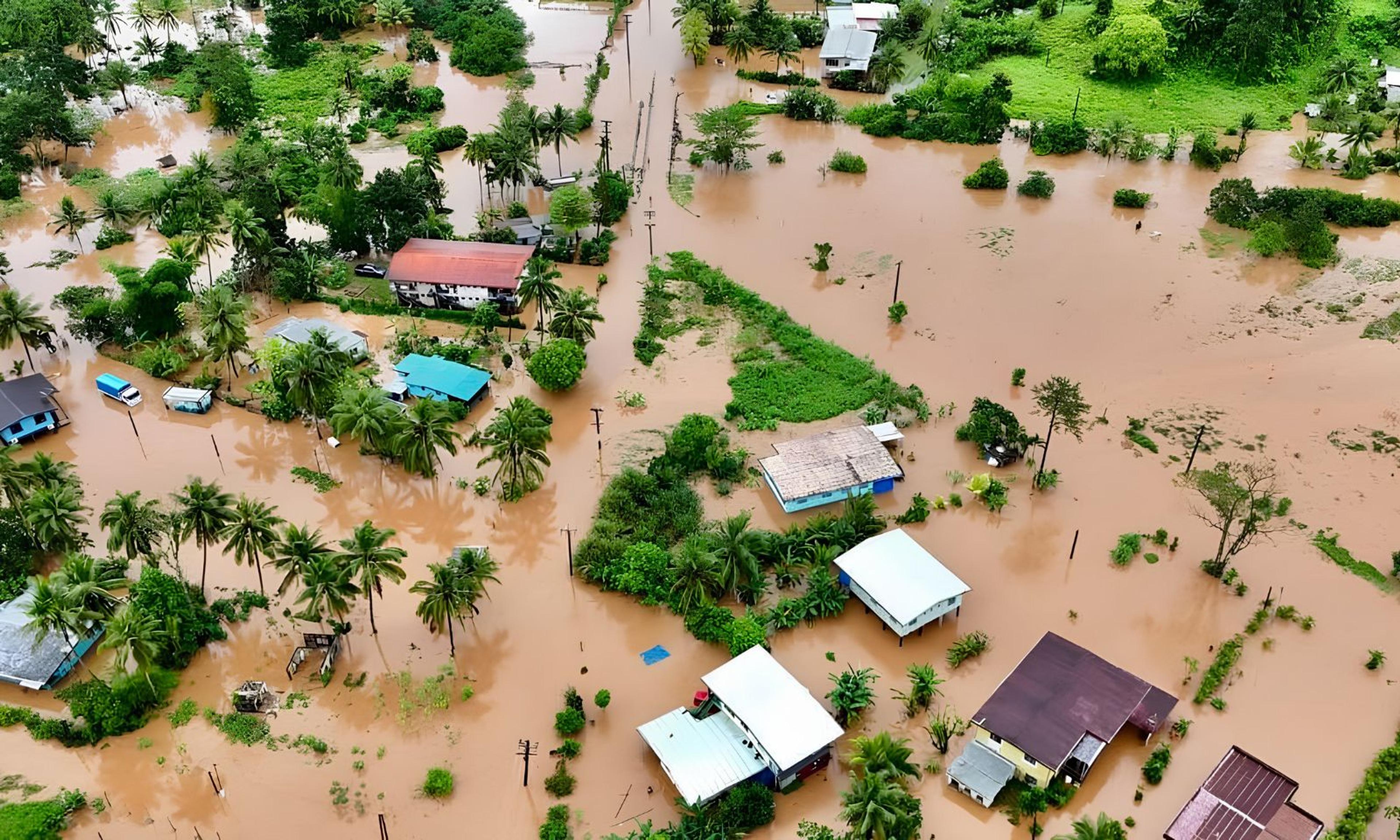
Four pacific nations have secured millions of dollars to strengthen their early warning systems and climate-resilient infrastructure.
NDMO Fiji
Fiji, Tuvalu, Vanuatu and Federated States of Micronesia are strengthening early warning systems, climate-resilience infrastructure and protecting communities.


Pacific countries are stepping up efforts to protect communities from climate disasters before they happen.
Four island nations have secured millions of dollars to strengthen early warning systems and climate-resilient infrastructure.
The Global Environment Facility (GEF) has approved NZ$24.2 million in grants for Fiji, the Federated States of Micronesia (FSM), Tuvalu, and Vanuatu.
The funding is expected to unlock a further NZ$74.3 million in co-financing for projects across the region.
The projects will help countries complete technical planning and design work before construction begins with a focus on reducing the impact of floods, rising seas, cyclones and coastal erosion.
“The projects are designed to help communities, critical infrastructure, and ecosystems better withstand the growing impacts of climate change, including flooding, sea-level rise, coastal erosion, cyclones, and other extreme weather events,” a GEF said in a statement.
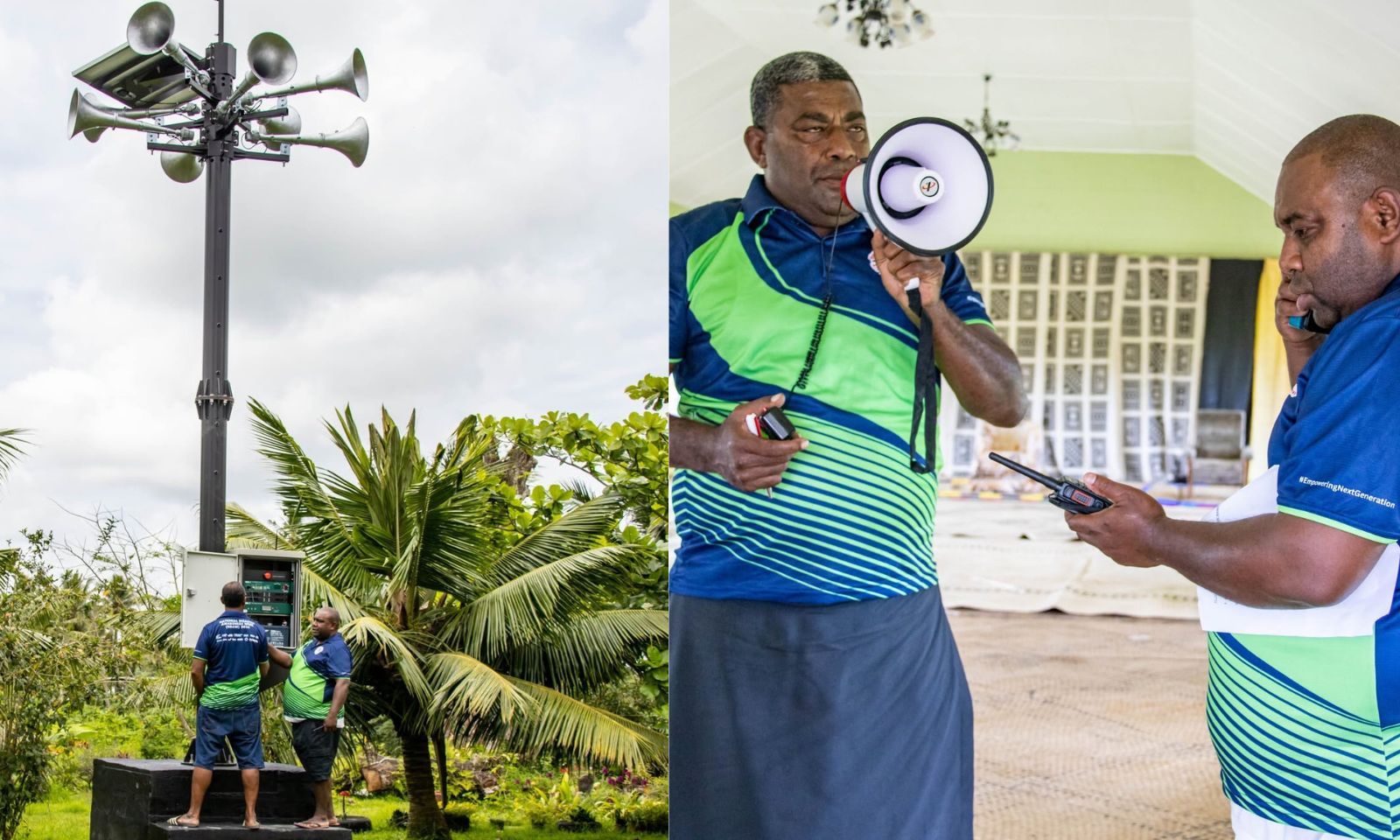
Pacific nations are investing in early warning systems, installed in various disaster prone communities. Photo/NDMO Fiji
The funding also comes as Pacific meteorological leaders warn that stronger forecasting and earlier warnings are becoming just as important as rebuilding after disasters.
Rossy Mitiepo, Weather Ready Pacific Steering Committee chair and Niue Meteorological Services Director, said even the region’s smallest weather services were carrying a growing responsibility.
“Even for Niue as a small Met service... there's only six of us, and we are carrying all this work together along with other Pacific Met services,” Mitiepo told PMN Niue.
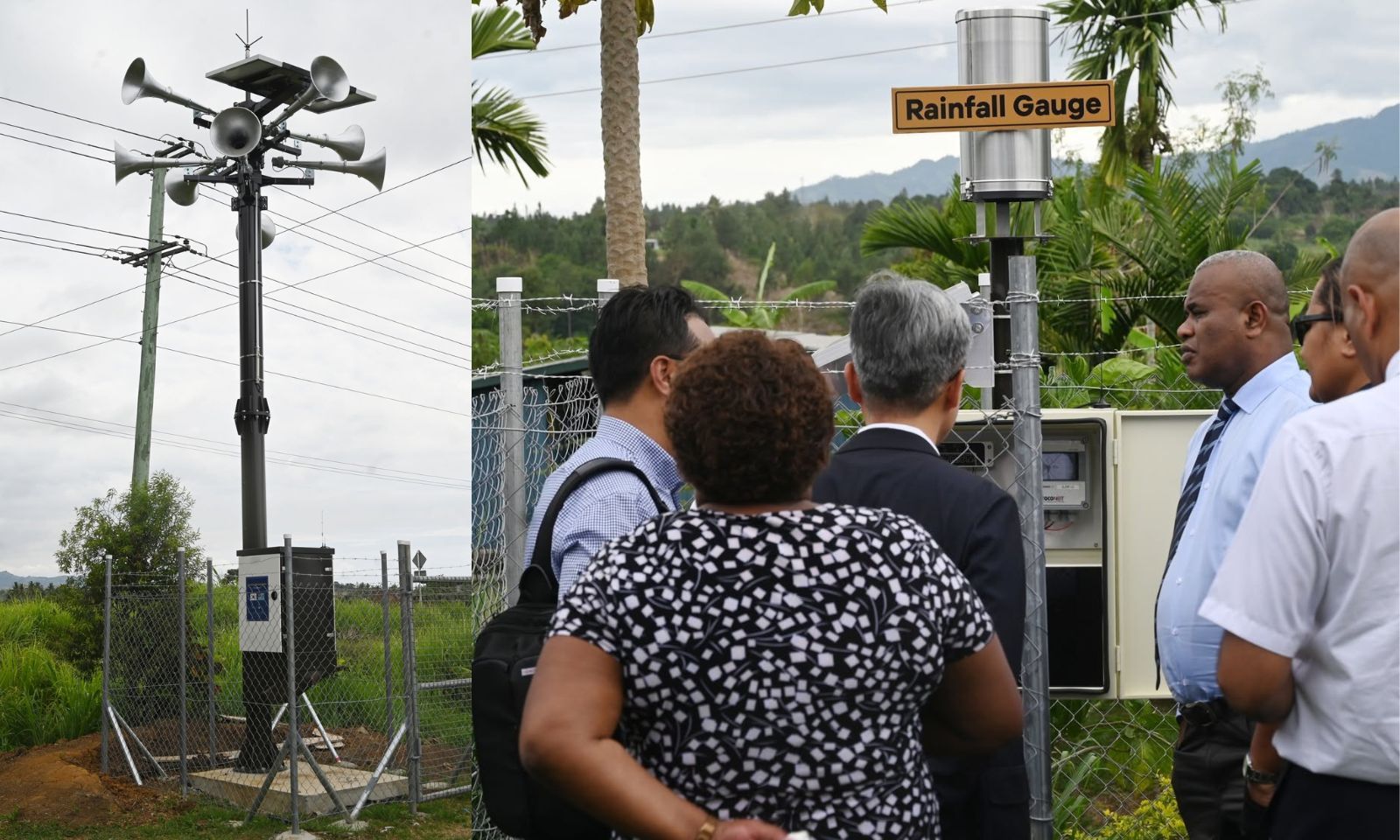
Pacific meteorology leaders say modern technology is essential to accurately inform and advise the public during disaster. Photo/NDMO Fiji
“We have established this in order to help our Pacific meteorological services set up in a way that we can provide early warning... and also help Pacific countries to be more resilient in terms of severe weather, climate impacts, and also climate change in the long term.”
In Fiji, the funding will support planning for the Climate Adaptation in the Rewa Delta (CARE) project, aimed at reducing flood risks in one of the nation's most important economic and population centres.
Fiji’s Permanent Secretary for Climate Change and Environment, Dr Sivendra Michael, said more than 300,000 people depend on the Rewa catchment while ageing flood protection and drainage systems continue to increase the area’s vulnerability.
“About 40 per cent of the existing floodgates are already non-functional, drainage capacity has dropped 30 to 40 per cent from sedimentation, and annual climate-related losses are estimated at FJ$44-67 million,” Dr Michael told PMN News.
“Because it sits at the intersection of national economic importance and worsening climate exposure, the Rewa Delta sits at both the area of greatest need and the site most likely to demonstrate a replicable model for other Fijian catchments.”
Once approved, the project will restore floodgates, improve drainage, modernise river monitoring stations and restore mangroves to help reduce future flood damage.
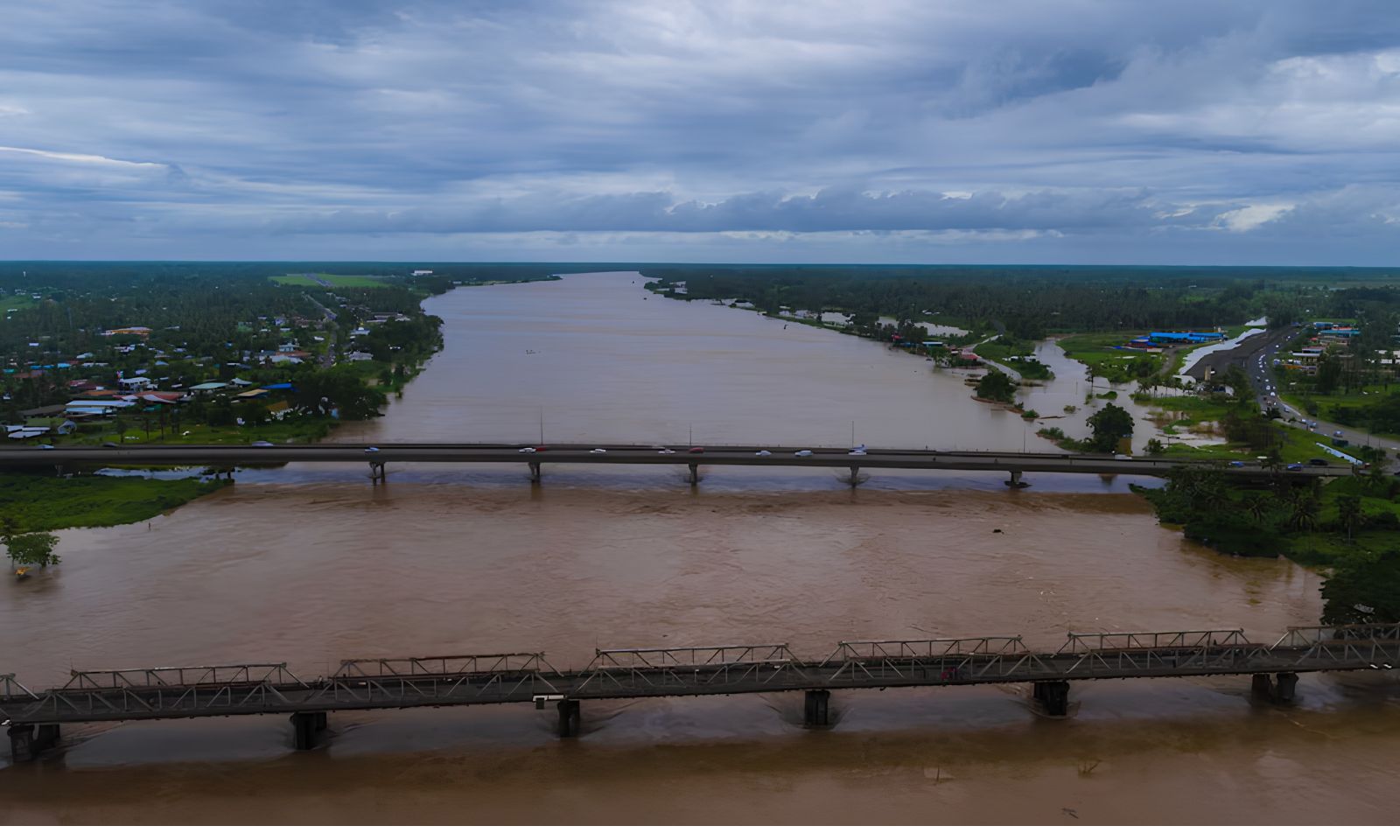
The Rewa River is Fiji's longest waterway, supporting a 3,059 km² catchment area with it's delta a home to over 300,000 people and contains major farmland, hosts Nausori Airport, and supplies drinking water to the Suva and Nausori areas. Photo/ Ron Vave Photography Facebook
Elsewhere, FSM will strengthen emergency warning systems for remote islands, Tuvalu will build coastal defences on Vaitupu to protect homes and infrastructure from rising seas, and Vanuatu will make its electricity network more resilient to cyclones.
Mitiepo said the long-term goal was to build a stronger regional network so Pacific countries could better protect their people. .
“Ultimately, I think one of the long-term dreams that we've had was getting a radar for Niue,” Mitiepo said, explaining that localised technology gives forecasters the capability to track approaching storms earlier and issue actionable warnings before destruction occurs.
“We are working towards a place where we can standardise equipment, where we can support each other... only just to reach the main goal of saving lives and being more climate resilient.”
Watch Rossy Mitiepo's interview on PMN Niue here.
With climate risks increasing across the Pacific, Mitiepo says investing before disasters happen will save lives, protect communities and reduce the cost of recovery.