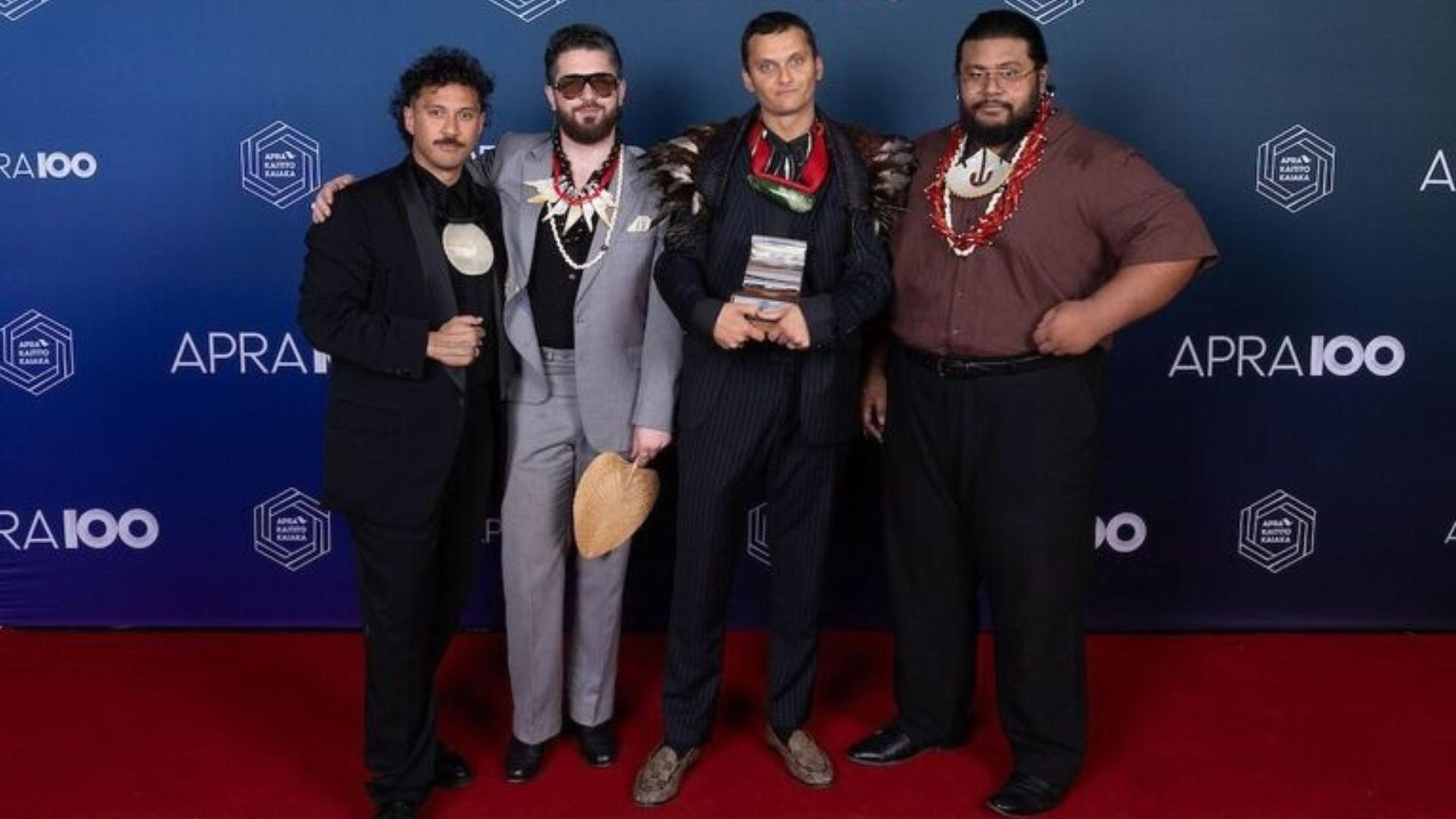
LEAO claims Silver Scroll with first pure Gagana Sāmoa winner
Brooke FonotiWed, 21 Oct
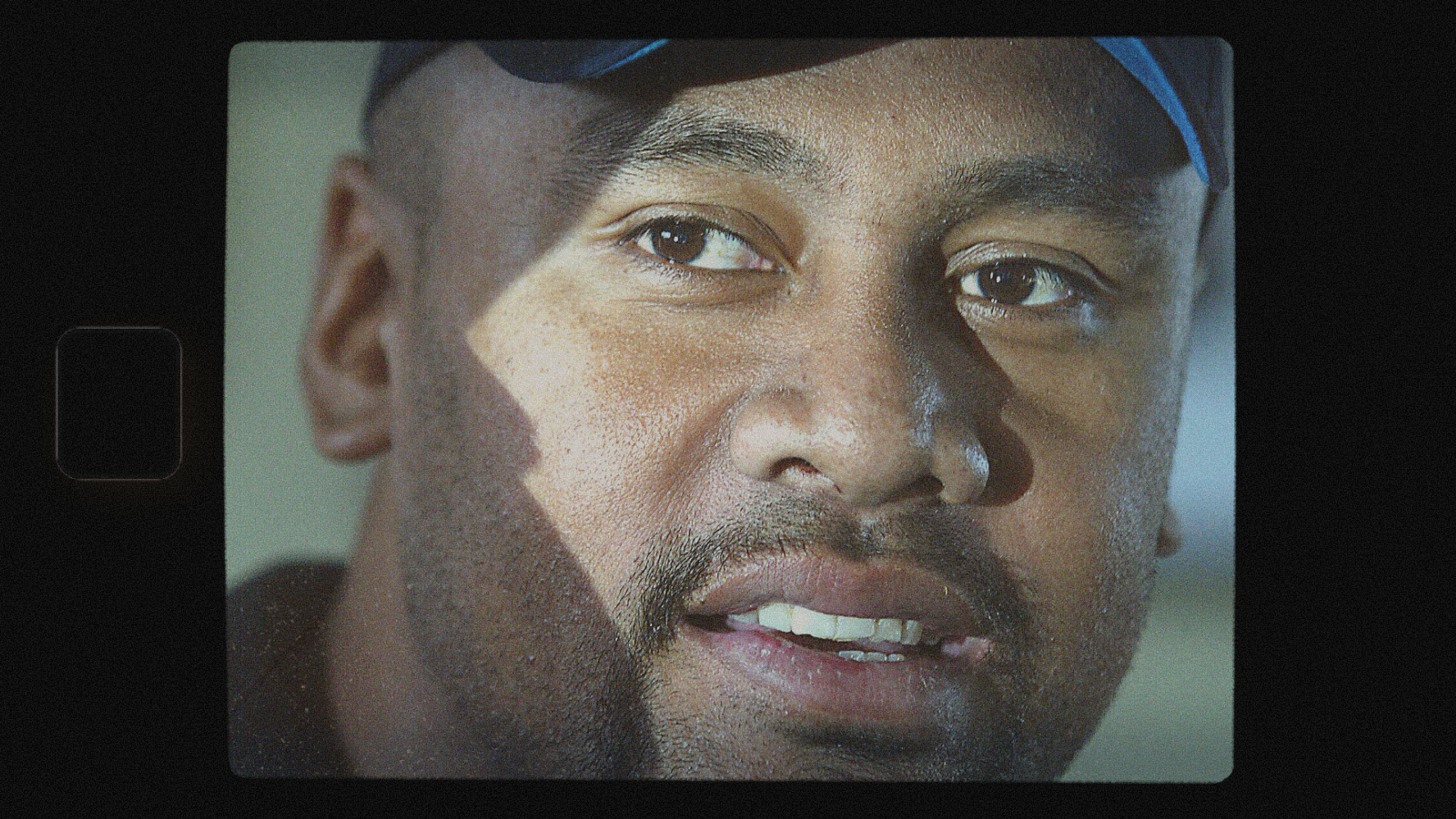
Jonah Lomu, the All Black widely regarded as rugby's first global superstar, is the subject of a new feature documentary directed by Tongan filmmaker Vea Mafile'o and Gavin Fitzgerald.
Photo/Madman Entertainment
Vea Mafile’o’s long-awaited documentary, Lomu, follows the rugby legend's rise from Ha’apai to global fame, told through Pacific eyes and family voices.
Nearly five years in the making, a new documentary on Jonah Lomu is heading home to the Pacific.
And its Tongan co-director says sharing his story with audiences is both “nerve-wracking” and deeply personal.
Tongan filmmaker Vea Mafile'o says releasing the trailer for Lomu brought a wave of nerves.
But the reaction so far has reassured her the story is landing well.
"It is nerve-wracking,” she told John Pulu on PMN Tonga. “It's always nerve-wracking to kind of have your work out there in the public.
"There are a lot of people to keep happy with this film. And we're not going to keep everyone happy. But I felt like I kind of did the best that I could do."

Jonah Lomu in action for the All Blacks. The legendary winger is the subject of a new feature documentary, releasing in New Zealand cinemas in September. Photo/Madman Entertainment.
The feature-length documentary, co-directed by Mafile'o and Irish filmmaker Gavin Fitzgerald, premiered at the Glasgow Film Festival earlier this year before heading to the Sydney Film Festival on 13 and 14 June.
The New Zealand premiere will follow on 1 August at Auckland's Civic Theatre before a nationwide cinema release in September.
The 147-minute film follows Lomu from his upbringing in Ha'apai, Tonga, and South Auckland, through his rise as one of rugby's most feared and iconic players, and the personal struggles that came with global fame.
Watch Vea Mafile'o's interview below.
Mafile’o says Lomu’s life carried both greatness and pressure from a young age.
"He's had a pretty rough time from the press in the past. He's definitely someone who has lived an amazing life, but also very hard.
"He went into fame very early. And so he had to learn a whole lot of things that shouldn't really be put upon someone at such a young age."
For Mafile'o, the project was personal from the start. She comes from Tongoleleka in Ha'apai, just a short distance from Lomu's family roots.
"I couldn't say no when the opportunity came across my plate," she said. "And I'm pretty sure that my dad would have felt some kind of way if I didn't do it."
The film draws on rare family archive footage provided by Lomu's mother Hepi and brother John, along with contributions from his former coach at Wesley College, Amanaki Palave.
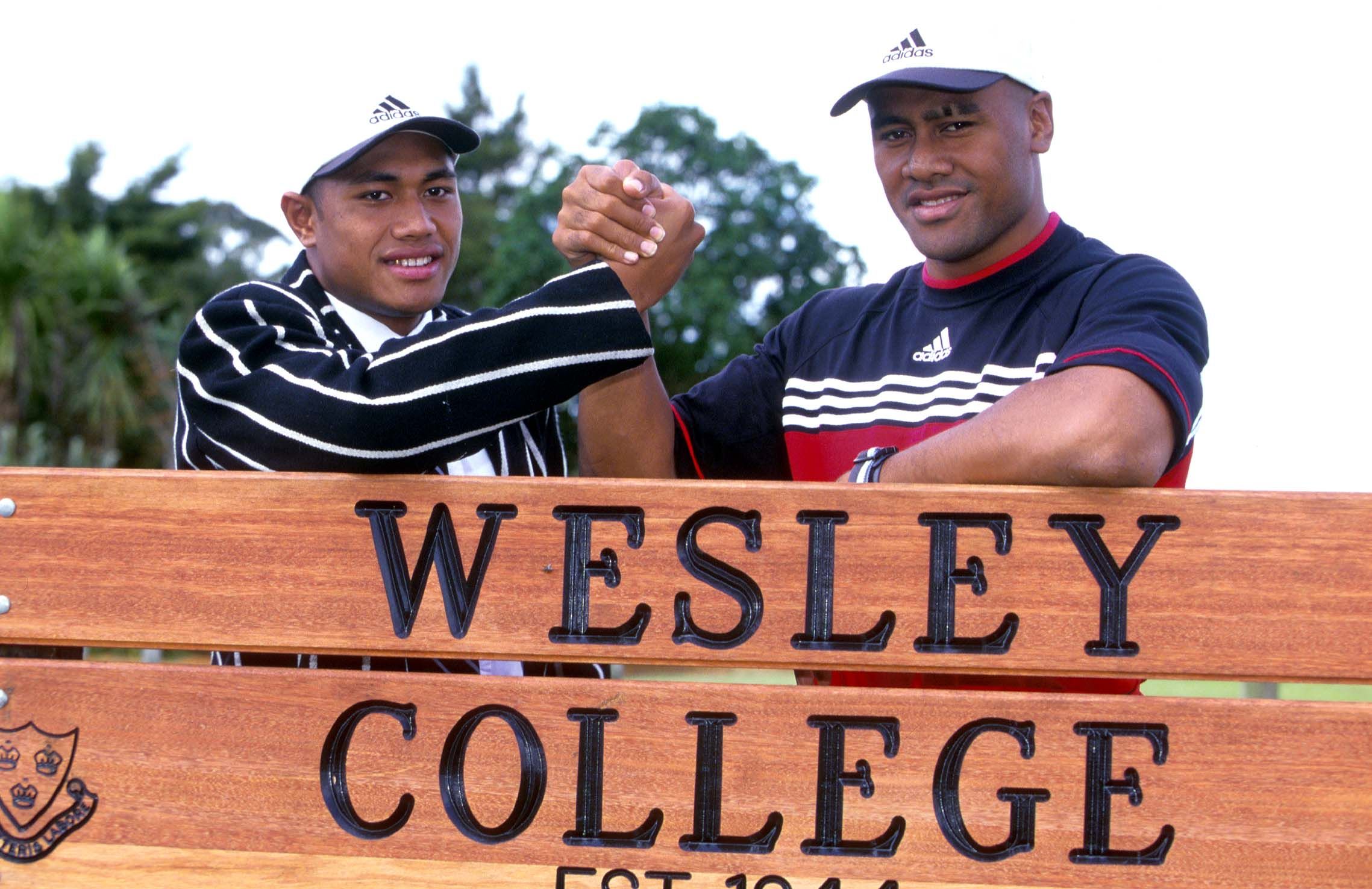
Jonah Lomu with a student from Wesley College in 1999. Photo/Andrew Cornaga/Photosport.
Mafile'o says telling the story through Pacific voices was central to her approach.
"My kind of focus was the Tongan part and making sure that his story would be safe," she said. "The way that I like to approach my filmmaking is always with love and good intentions. And I think that kind of shows through in the final cut."
While the film does not avoid the harder parts of Lomu's life, Mafile'o says it was never meant to be a tabloid-style retelling.
"We didn't really want it to be a film that was about, like, he said, she said, and kind of Women's Weekly magazine type of story," she said.
"We really wanted to take a different angle where we looked at celebrating his life in terms of his Tongan upbringing and cultural heritage."
Before its New Zealand cinema release, Lomu will be screened for free in Tonga at Teufaiva Stadium on 29 July - a homecoming event expected to draw a large crowd including Lomu’s mother.
Mafile’o says she hopes audiences feel uplifted when they leave the film.
"It is a sad story but I also hope that people come out of it feeling some kind of hope and māfana and celebration.
"We want to fill that up with as many Tongans as possible," Mafile'o said of the Auckland Civic premiere that follows.
"I just really hope that people can come in and have a good māfana night."
Lomu is a New Zealand-United Kingdom co-production between Velvet Moss and Sylver Entertainment, and supported by the New Zealand Film Commission.