
Pacific leaders turn to solar power as fuel costs bite and energy pressure grows
Khalia StrongTue, 09 Jun
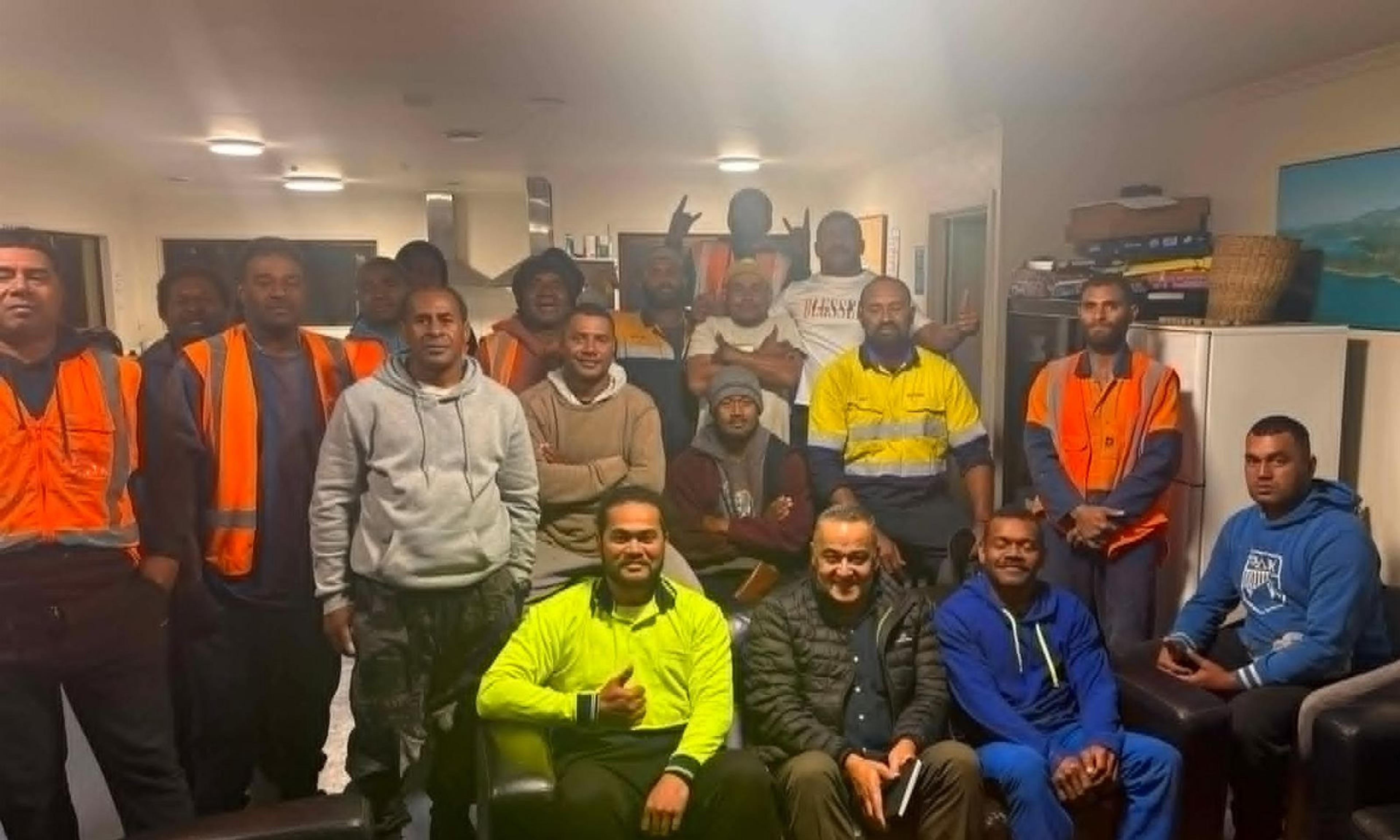
Fiji's Country Liaison Officer for New Zealand’s Recognised Seasonal Employer (RSE) scheme, Greg Traill (sitted, middle) with RSE workers in Motueka, South Island.
Supplied
But questions over tax, visas and kava use continue to surface during visits to RSE worksites.




Fijian seasonal workers are continuing to earn high praise from New Zealand employers with many describing them as reliable, productive and highly valued members of the workforce.
That is the message from Fiji's Country Liaison Officer for New Zealand’s Recognised Seasonal Employer (RSE) scheme, Greg Traill, following a recent visit to workers and employers across the country.
Traill travelled through the Bay of Plenty region, including Te Puke and Tauranga, before visiting Nelson and Motueka in the South Island, meeting both workers and employers.
“Overall, I must say the employers are very happy with most of our workers, and the productivity and the quality of our workers are always top notch,” Traill told PMN Fiji.
“They were very well talked about and highly praised and so they were really appreciative of all our workers.”.
The RSE scheme remains one of Fiji’s most important overseas employment pathways, providing income for hundreds of families through seasonal work in Aotearoa’s horticulture industry.
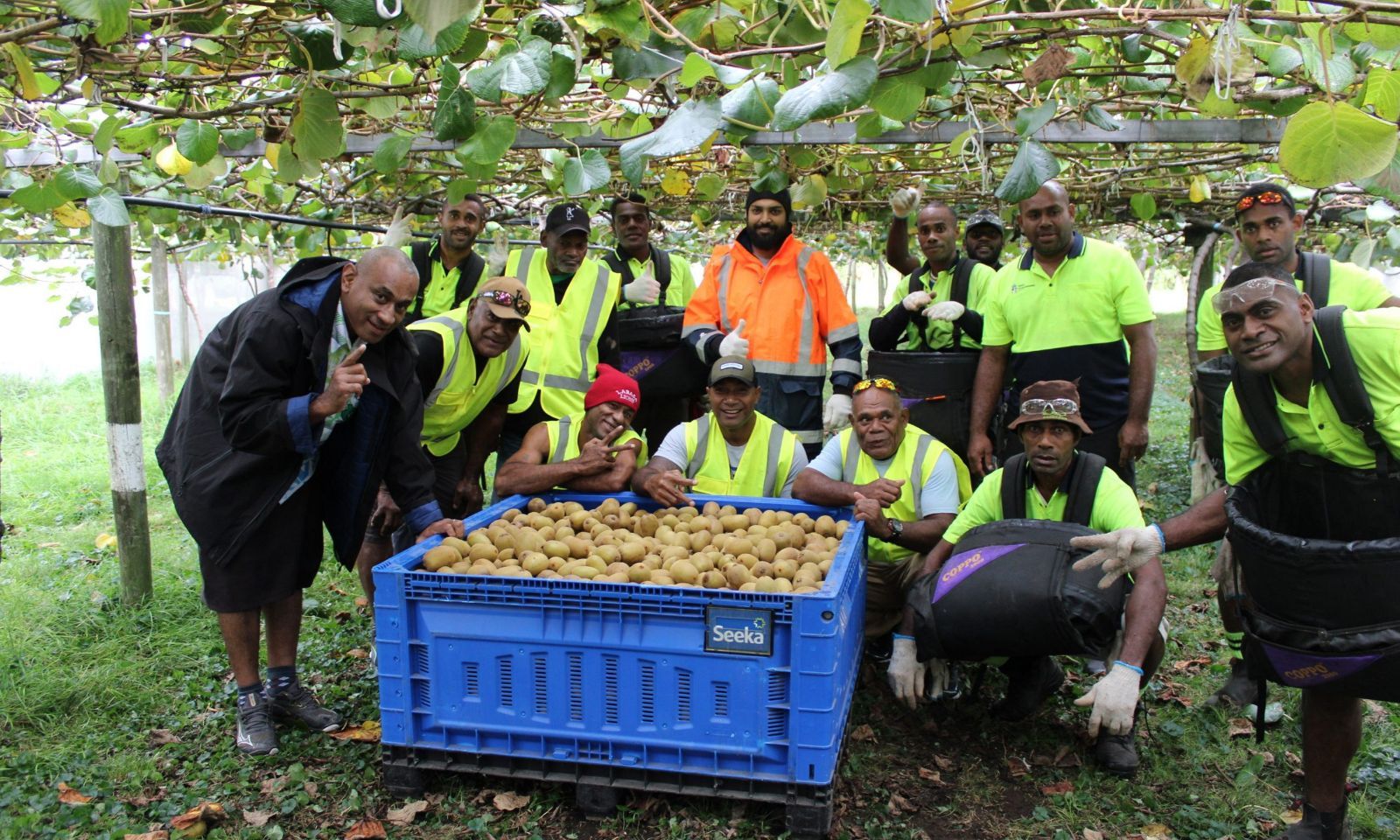
Fijian RSE workers working in kiwifruit orchards in the Bay of Plenty. Pic/John Cowpland/Countrywide.co.nz
Workers are employed in sectors including kiwifruit, apples, pears and grapes with contracts typically lasting between three and nine months.
Traill says the number of Fijian workers in Aotearoa usually ranges from about 750 to just under 1000, depending on seasonal demand. The next group is expected to arrive in November.
The visit was Traill’s first major tour since taking up the role in February and gave workers an opportunity to raise concerns directly with him.
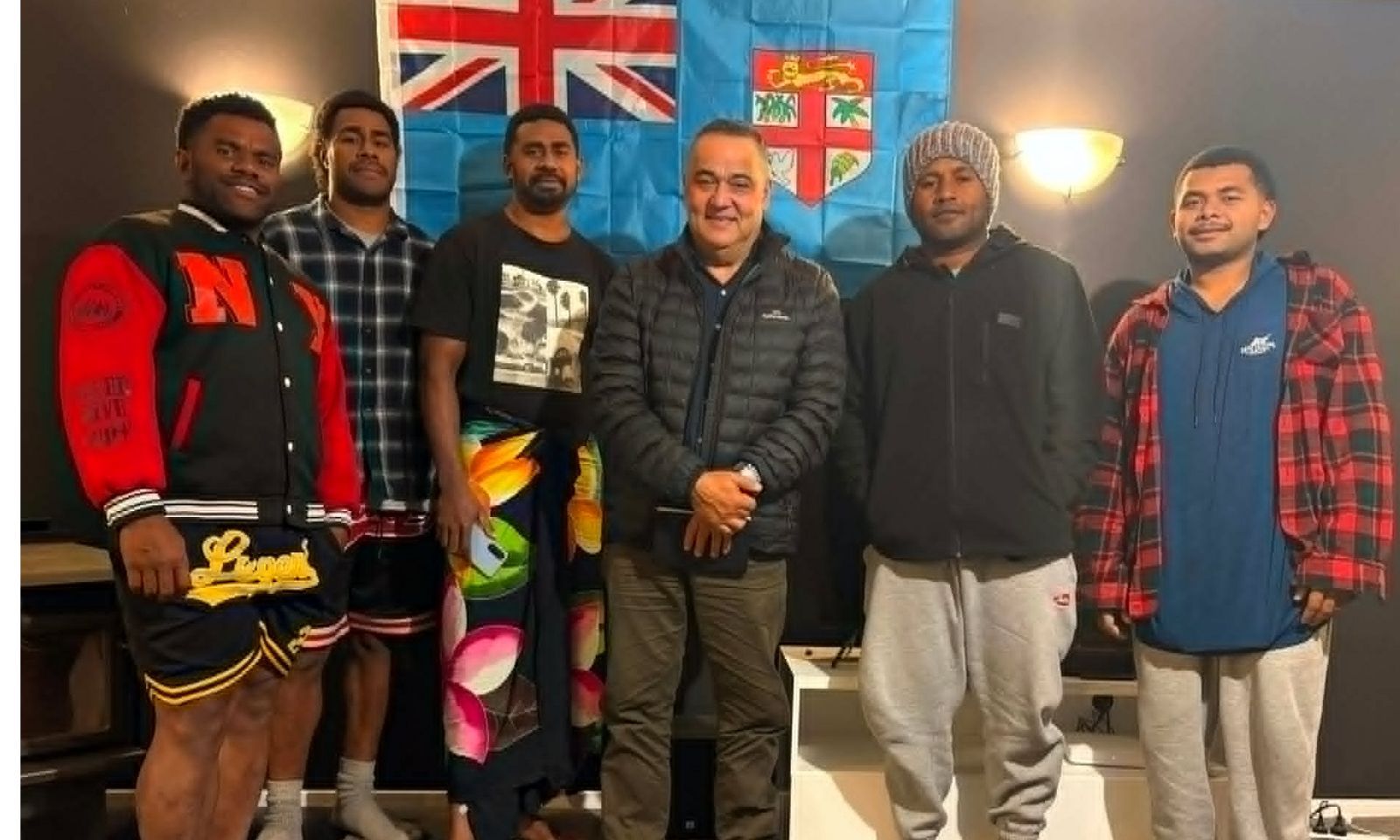
Greg Traill with Fijian RSE working in the South Island. Pic/Supplied
Among the most common questions were whether workers could claim tax refunds and whether they could remain in Aotearoa beyond the end of their contracts.
“Many workers sought clarification on whether they were eligible for tax refunds,” he says. “They are paying one of the lowest tax rates at the moment, about 10.5 to 10.8 percent. So, they're not entitled to any tax refunds because they're on a short term contract, less than a year.”
Questions were also raised about extending visas or changing visa categories while in New Zealand.
“Unfortunately, New Zealand’s law for RSE doesn't allow that, and for any extension they need to go back to Fiji and reapply for another contract to come back to New Zealand, " Traill says.
Traill also acknowledged that some employers had raised concerns about kava use among a small number of workers.
“Some of the companies are experiencing some issues with drinking Kava by the workers, so my request to the workers, you know, is just to lessen drinking kava and concentrate on working,” he adds.

Fijian workers in Motueka enjoy some kava after a talanoa session with Greg Traill. Pic/Supplied
"There are groups that have given up drinking kava to be able to work harder and save a lot of money to send back to Fiji.
He says most workers remain focused on supporting their families and making the most of the opportunity.
"My message has been simple: work hard, save your money, and send it home to support your families," he says.
The RSE programme primarily employs workers in horticulture sectors such as kiwifruit, apples, pears and grapes and contracts typically range from three to nine months, with most workers spending between six and seven months in New Zealand.
Listen to Greg Traill's full interview on PMN Fiji
According to Traill, the number of Fijian workers in New Zealand fluctuates throughout the year, ranging from 750 to just under 1000 workers, depending on seasonal demand. The next lot of RSE workers are expected in November.
Fiji’s Permanent Secretary for Employment, Jone Maritino Nemani, says both countries are focused on strengthening recruitment, expanding opportunities, improving skills development and ensuring strong protections for workers.