High blood pressure a silent killer, Solomon Islands calls for stronger action
Lachlan EddieFri, 23 Oct
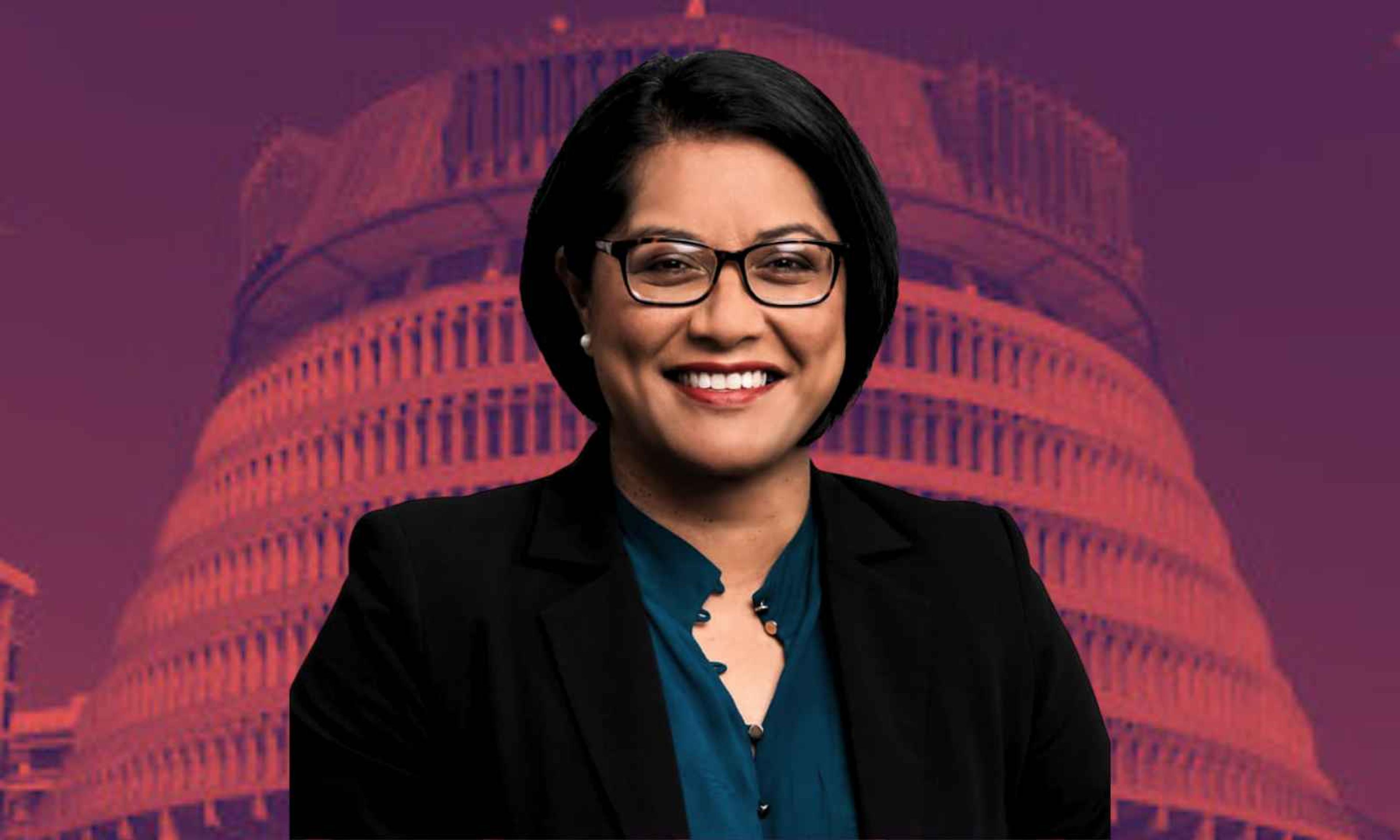
Labour Party Finance Spokesperson Barbara Edmonds.
Photo/File
Labour’s finance spokesperson says shrinking the government departments should not mean losing Pacific voices.




A Pacific politician says the ACT Party’s plan to cut back on Government departments without considering the impact on communities could come at a cost for Pacific people and essential public services.
ACT recently unveiled plans for a smaller government, wanting to slash departments from 43 to 19. The restructure plan targets the Ministry for Pacific Peoples (MPP), proposing to absorb it into the Department of Home Affairs.
Speaking with William Terite on Pacific Mornings, Edmonds criticised ACT’s proposal to reduce the number of government agencies from 43 to 19 including folding the MPP into another department.
She said the focus should be on improving services and not removing ministries created to give Pacific communities a stronger voice.
“What the ACT Party wants to do is change the function without thinking about the form of it. What are you going to achieve if you cut back all these ministries, if you cut back the voices of Pacific people, for example, with the Ministry of Pacific Peoples?” Edmonds says.
She says the MPP was created because Pacific communities had been left out of government decision-making.
“If that means that the everyday services that New Zealanders rely on, such as your customs offices,your biosecurity, people through [Department of Conservation] and through [Ministry for Primary Industries], get cut back, then that has a bigger cost to our country.”
Watch Barbara Edmond’s full interview below.
In a media release, ACT Party Leader David Seymour defended the proposal saying the current Government structure has become “an expensive, tangled bureaucracy”.
He said a smaller public service would deliver better results for New Zealanders.
Edmonds also defended Labour’s proposed 28 per cent Capital Gains Tax on residential investment and commercial property.
She rejected claims that the party’s revenue estimates rely on unrealistic house price growth.
The Budget Economic Fiscal Update 2026 forecasts a house price decline of -0.5 per cent for 2026, but projects a recovery of 4.0 per cent for 2027.
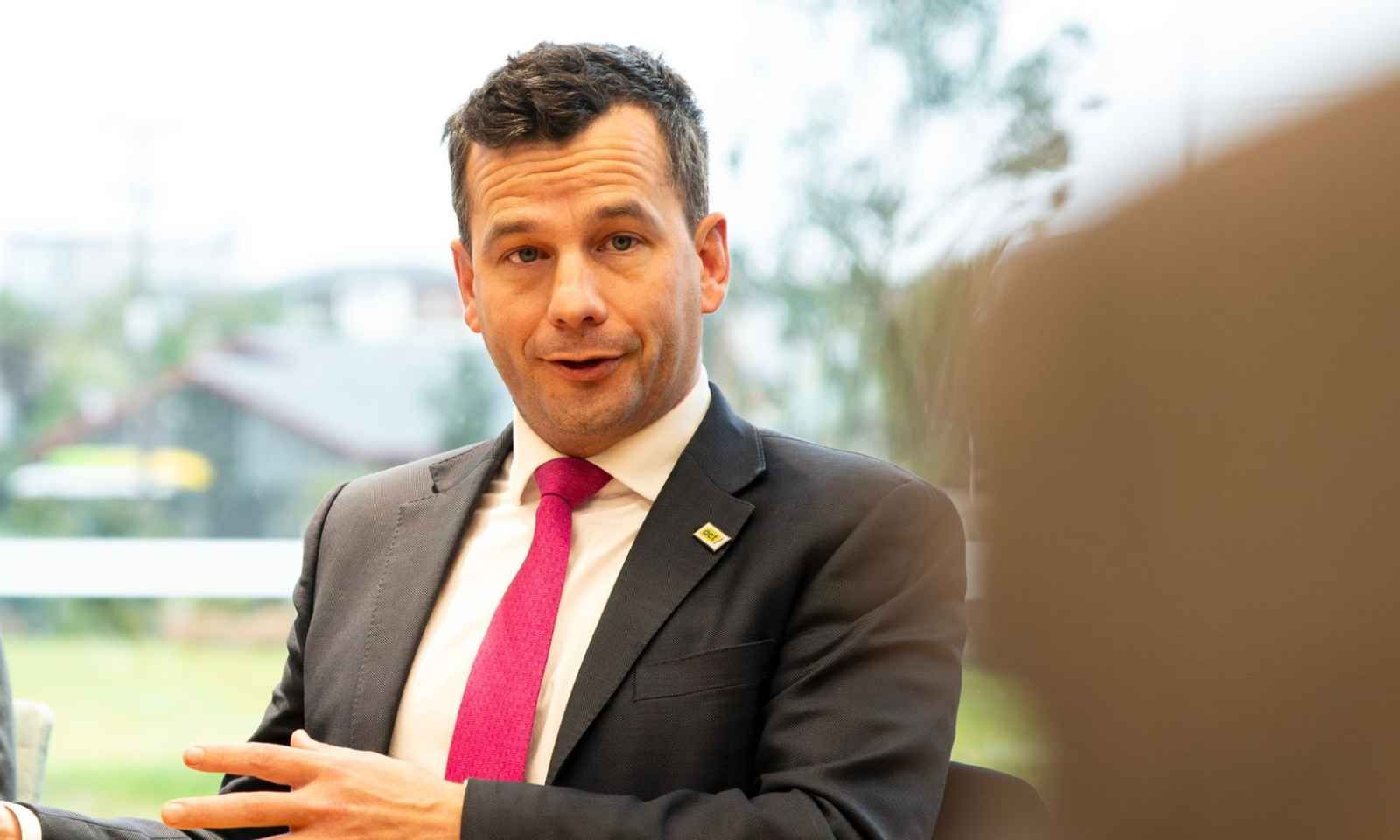
David Seymour. Photo/Facebook
“So it's long term averages. We've used three per cent. That was actually very conservative because at the time that we actually released our policy, it was already at 5 per cent.”
Seymour has criticised Labour’s economic strategy, targeting Labour directly at his party rally over the weekend.
He says Labour’s promises are unaffordable and claimed the party has “$18 billion of unfunded promises”.
He says New Zealand cannot solve its financial pressures by borrowing or raising taxes.
Edmonds rejected that criticism, pointing to Labour’s cost-of-living policies, including its proposed weekly public transport fare cap.
She also accused the National Party of benefitting from significantly larger campaign donations.
“Also, those big ads, that's very much a symptom of them being well funded and getting lots of donations. In the last election, it was [for every] $7 that the National Party raised, Labour could only raise a dollar.
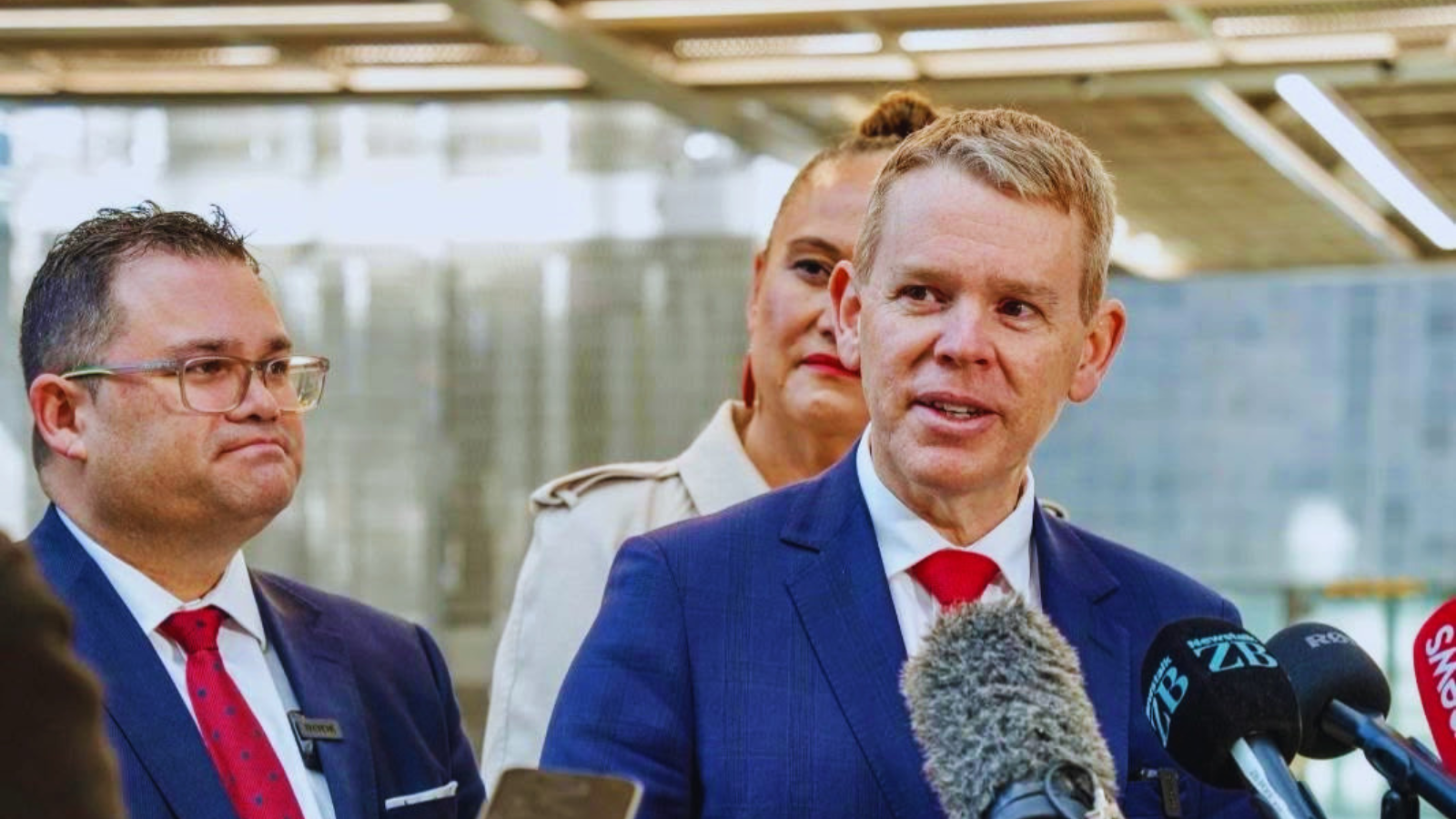
Labour leader Chris Hipkins announced the party's weekly public transport fare cap policy in early June. He was accompanied by Deputy Leader Carmel Sepuloni and the party's transport spokesperson Tangi Utikere. Photo/Labour Party New Zealand/Facebook
“So it also shows that there is a political game happening where they've got large donors putting a lot of money in where they can do these sort of attack ads, spreading misinformation.”
Edmonds said Labour would rely on volunteers, door-knocking and phone calls to reach voters ahead of the general election on Saturday 7 November.