

Kick Back General Manager Aaron Hendry is calling on political leaders to commit to ending rough sleeping by Christmas, saying the goal is achievable with more housing and support for people experiencing homelessness.
Photo/PMN News composite
Politics
ACT pushes back on move-on orders for children amid calls for end to rough sleeping
A youth organisation says political action could end rough sleeping by Christmas.

PMN News
Published
04 September 2026, 12:18pm
Share
Copy Link
Top stories

From Ōtara, NZ to Los Angeles: David Liti lifts up the next generation
Elton Lonaratha JnrMon, 19 Oct

Washington warnings mount as four Pacific nations risk loss of US aid
Christine RovoiTue, 20 Oct

'Watch out': Silver Ferns issue clear warning to Diamonds ahead of Christchurch clash
Brooke FonotiMon, 19 Oct
Top stories
From Ōtara, NZ to Los Angeles: David Liti lifts up the next generation
Elton Lonaratha JnrMon, 19 Oct
Washington warnings mount as four Pacific nations risk loss of US aid
Christine RovoiTue, 20 Oct
'Watch out': Silver Ferns issue clear warning to Diamonds ahead of Christchurch clash
Brooke FonotiMon, 19 Oct
A youth organisation says New Zealand's political leaders should put their differences aside and commit to making sure no one is sleeping rough by Christmas.
The Kick Back group says ending rough sleeping by Christmas is achievable if the Government changes its approach to emergency housing, invests in outreach and increases the supply of immediate housing.
The Bill has now been reported back to Parliament with the Justice Select Committee recommending that move-on orders only apply to people aged 18 and over.
The Bill would give Police powers to move people on from public places for up to 24 hours in situations including rough sleeping and begging.
The committee has also recommended narrowing the definition of begging, reducing the maximum fine for breaching an order from $2000 to $1000 and making other changes to how the powers would operate.
ACT leader and Deputy Prime Minister, David Seymour, has indicated the powers should apply only to adults.
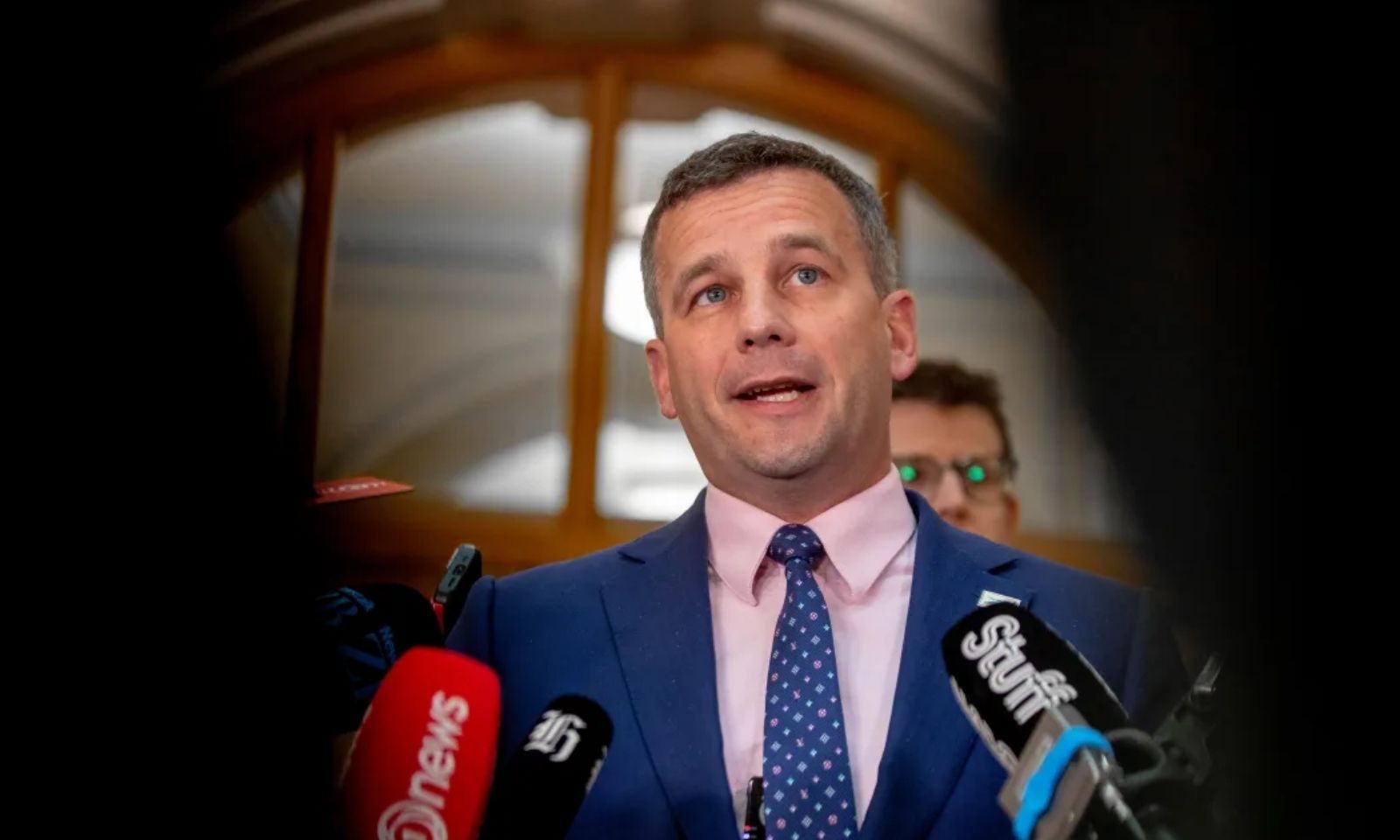
ACT leader and Deputy Prime Minister David Seymour says move-on orders should not apply to children as the Government faces pressure over the proposed powers. Photo/RNZ
Seymour told reporters: “I think it's one thing to put a liability on adults. It's something different to put a liability on children.”
He said the law should focus on behaviour rather than the people being moved on.
“I think it's really important to differentiate between the people and the behaviour,” Seymour said.
Listen to Aaron Hendry's full interview below.
In an interview with William Terite on Pacific Mornings, Aaron Hendry, the Kick Back General Manager, said ending rough sleeping by Christmas was possible if political leaders made it a priority.
“It is... totally possible to ensure that all of our friends, our whānau, are inside by Christmas. And it really just comes down to the political decisions we decide to make.”
Hendry says raising the age for move-on orders does not go far enough.
“Children should never have been included in that bill," he said. “If a child is sleeping rough, they are in extreme danger and they should be getting the support they need.”
He says the bill should be dropped altogether. “The bill should be thrown out in its entirety.
“If someone is begging, if they're sleeping rough, if they're experiencing homelessness, they need help, they need support. They should not be criminalised because they do not have anywhere to go.”
Listen to Danielle LeGallais' earlier interview below.
Danielle LeGallais, a Pacific housing advocate, has previously warned that move-on powers could leave people experiencing housing insecurity with nowhere safe to go.
“Where is a safe space where they can go, where they won't be harassed by police, where they won't be asked to move just for sitting there, when you literally have nowhere else to go?”
Sāmoan chaplain Lagi Sitivi, who works with Auckland's homeless community, has also criticised the proposed powers, saying they do not address the causes of homelessness.
“To be blunt, it’s a waste of time, resources and money,” Sitivi told PMN News in June.
“It’s time that could be better spent in putting in better ideas for our whānau, rather than just treating homelessness like it’s a crime and moving them on.”
Sitivi said the issue was personal for Pacific families who can quickly find themselves without a safe place to stay.
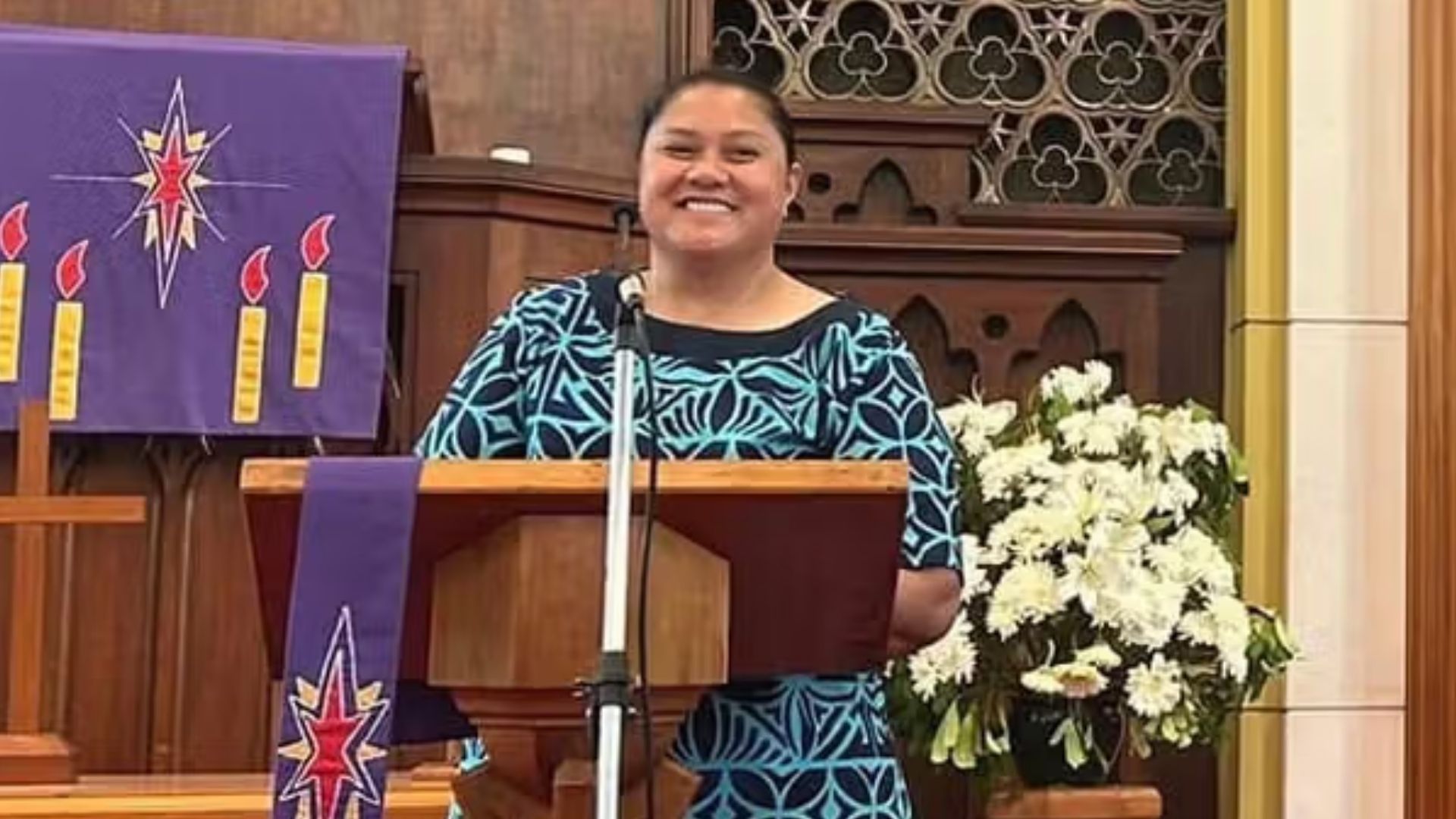
Sāmoan chaplain Lagi Sitivi, who works with Auckland’s homeless community, says the proposed move-on powers risk treating homelessness as a crime instead of addressing its causes. Photo/Supplied
“That could easily be my uncle, my dad, or my brother,” she said.
Justice Minister Paul Goldsmith has previously defended the Government's approach, saying young people sleeping rough should be able to access support through the welfare and emergency housing system.
“New Zealand is a country that very much is concerned about the needs of those who are struggling, and that is why we have a very generous welfare system.”
Kick Back is currently monitoring about 200 children and young people who are either homeless or at risk of homelessness.
Hendry says Māori and Pasifika young people are particularly affected.
“Over 60 per cent of our young people are rangatahi Māori, which is completely unacceptable to us.
Watch Paul Goldsmith's earlier interview below.
“The reality that our young Pasifika and Māori rangatahi are over-represented in homelessness, it's just not something we should accept in this country, right?”
Hendry says political leaders should see homelessness as something they can change than something they have to accept.
“The government needs to step up and lead,” he told Terite.
He is also calling for more investment in outreach services and for the Government to consider duty-to-assist legislation, which he says would help make sure people are not turned away from public services and left on the streets.
Hendry says the Covid-19 response is an example of what can happen when political leaders make a clear commitment.
“Over Covid, we did this, you know. Our Prime Minister stood up and said, everyone should be inside, let's work together.”
Watch Green Party MP Tamatha Paul's speech in Parliament on the Bill.
He says the same level of political will is needed now. “What we need is the resources to be unlocked and the political leadership to ensure that it does happen.”
Hendry is calling on every political party to make the same commitment than leaving the issue to one side of Parliament.
“We can ensure that every single one of our whanau has shelter. We can choose to end homelessness. We just need to make some different choices. We can fix this.”
The Government is seeking to progress the Bill before the election (7 November), with Parliament now to consider the select committee's recommended changes.