Trump's new tariffs spare Pacific but trade shock could still hit island economies
Christine RovoiThu, 26 Nov
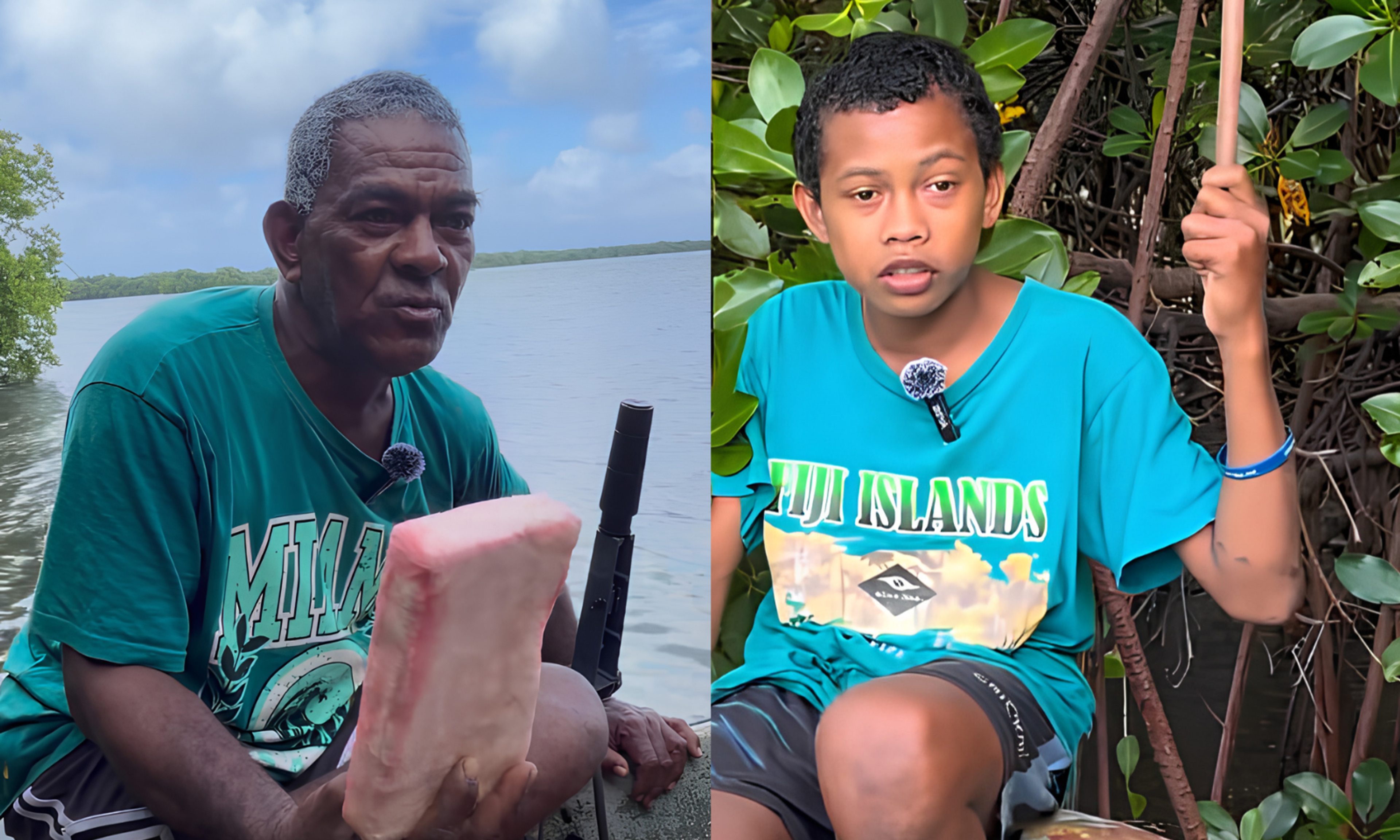
Father, Josefa Vukimawi holds the package found by his son Isikeli Tokaduadua in Lakeba, Lau.
Photo/MPC
A boy found a suspicious package, prompting authorities to remind villagers that a quick report could help keep remote communities safe.



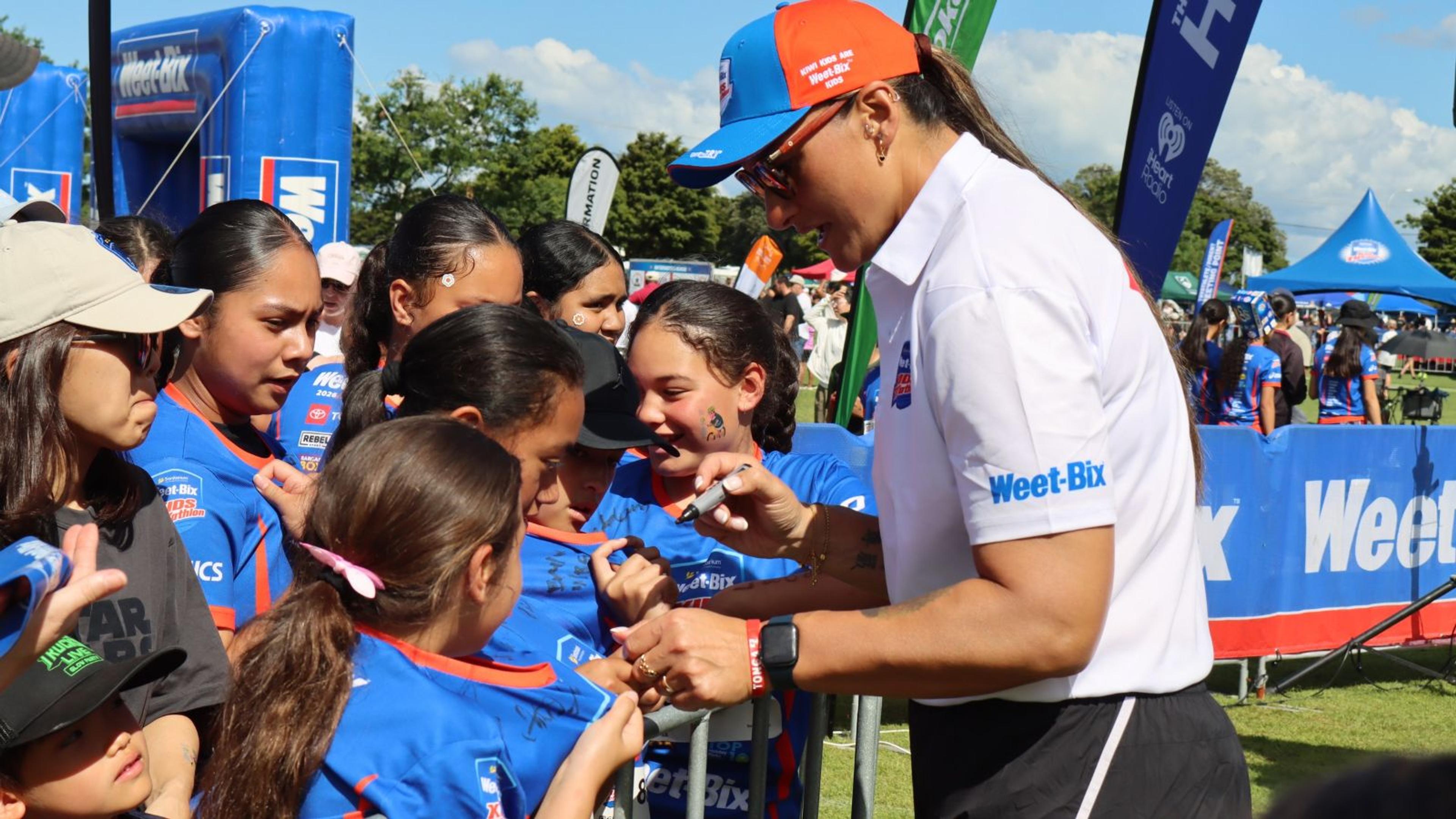
A young boy looking for crabs in the mangroves of Lakeba in Lau has become an example of what Fiji's authorities want from coastal communities as suspicious packages continue to wash ashore.
Isikeli Tokaduadua found the package near his home in Nukunuku earlier this week.
“When I saw it, I thought it was cash, so I put it in my bag and continued to look for crabs.
When I got home I gave it to my father,” he said.
His father, Josefa Vukimawi, took the package to a village elder, who alerted Police on the island.
Fijian authorities say the response is exactly what they want to see as the country steps up efforts to make coastal communities the first line of defence along the remote shores.
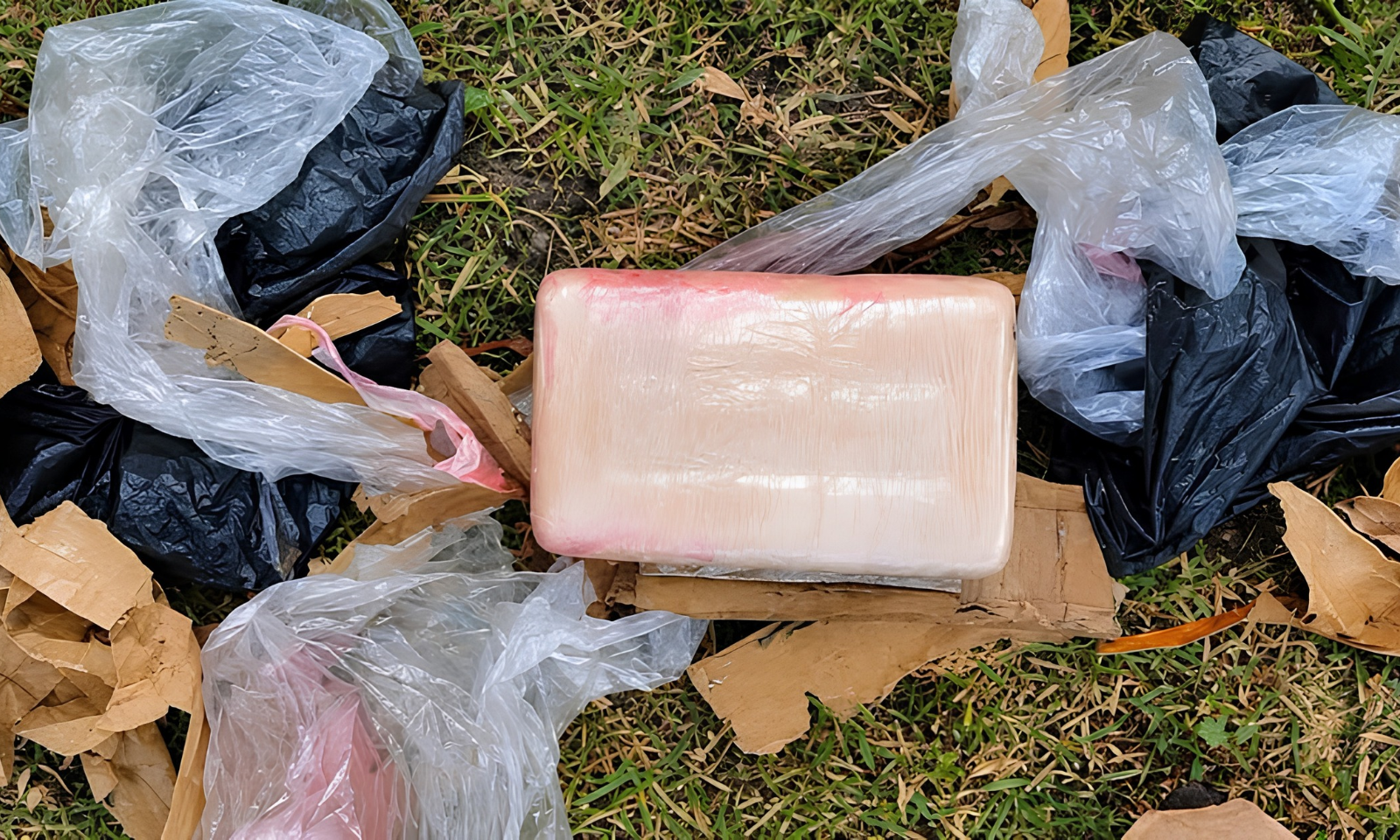
The suspicious package found by Isikeli Tokaduadua when he was looking for crabs in the mangrove at Nukunuku, in Lakeba, Lau, Fiji. Photo/MPC
“This is what we mean by communities being the eyes and ears at sea. Awareness only matters when someone acts on it. His response is exactly what we hope for. If you find something you do not recognise, do not touch it, move away and tell an adult you trust,” the Ministry of Policing and Communications said in a statement.
The ministry is now working with the Fiji Police Force, the Fiji Navy, Fiji Revenue and Customs Service and the Maritime Safety Authority of Fiji to train communities on what to look out for and how to report it.
“The sessions focus on threats including drug trafficking, illegal fishing, unauthorised maritime activity and other suspicious movements at sea. Community members are encouraged to stay alert, share information and report concerns to the appropriate authorities,” the Ministry said.
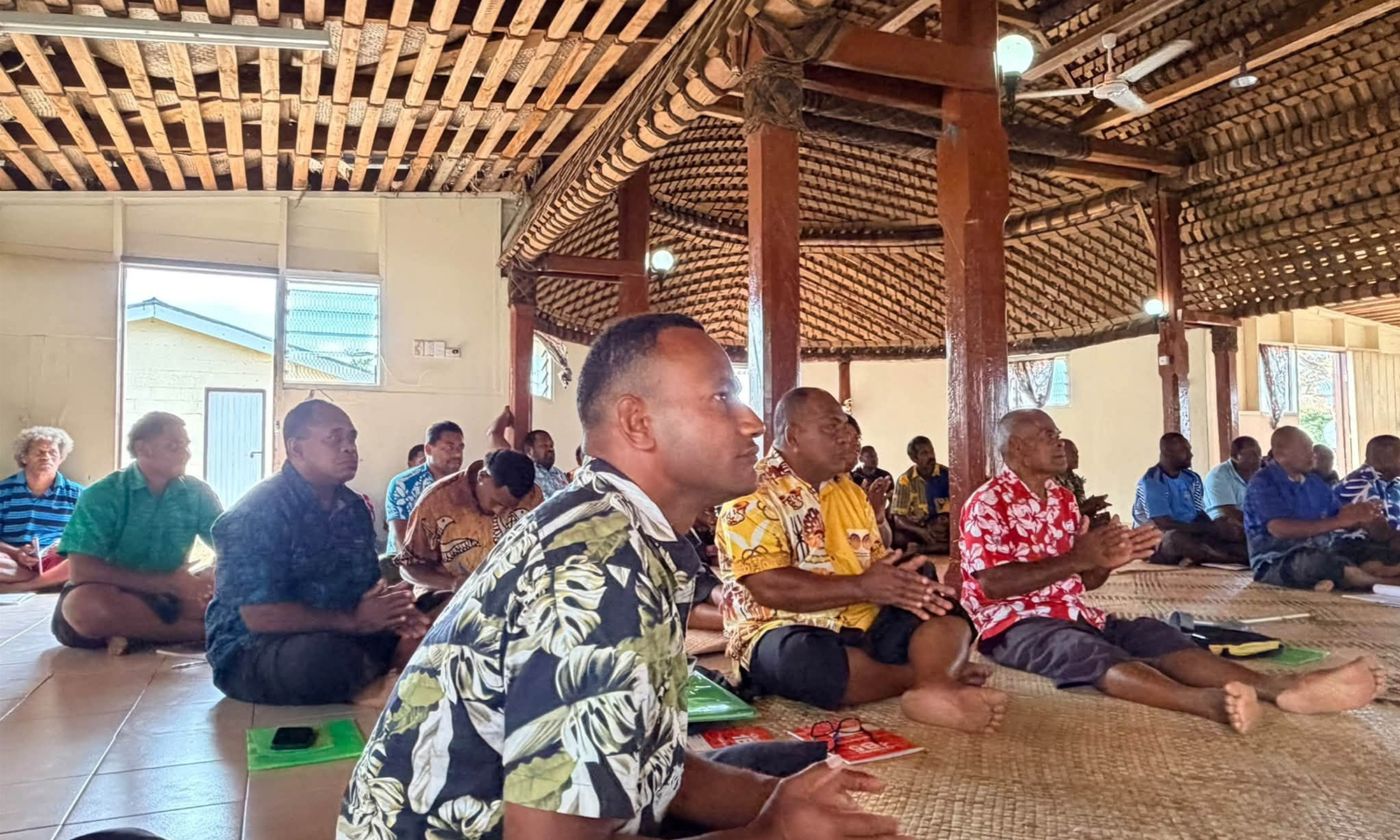
Officers from the Fiji Police Force, the Fiji Navy, Fiji Revenue and Customs Service and the Maritime Safety Authority of Fiji are sitting with villagers and speaking to them about maritime safety and security and about the part every coastal community plays in watching over its waters. Photo/MPC
The training is part of the Solesolevaki ni Veitaqomaki initiative, which brings together traditional leaders, communities and faith-based groups to help protect Fiji’s coastal waters.
“Communities that know what to look for keep each other safe.”
The latest package found on Lakeba, Lau, has been handed to Police and its contents have not yet been confirmed.
But concern is growing in other coastal communities after a series of similar discoveries.
Last month, two 1.25kg packages were found by villagers on Yadua Island in Bua after washing ashore. Testing later confirmed the packages contained pure cocaine.
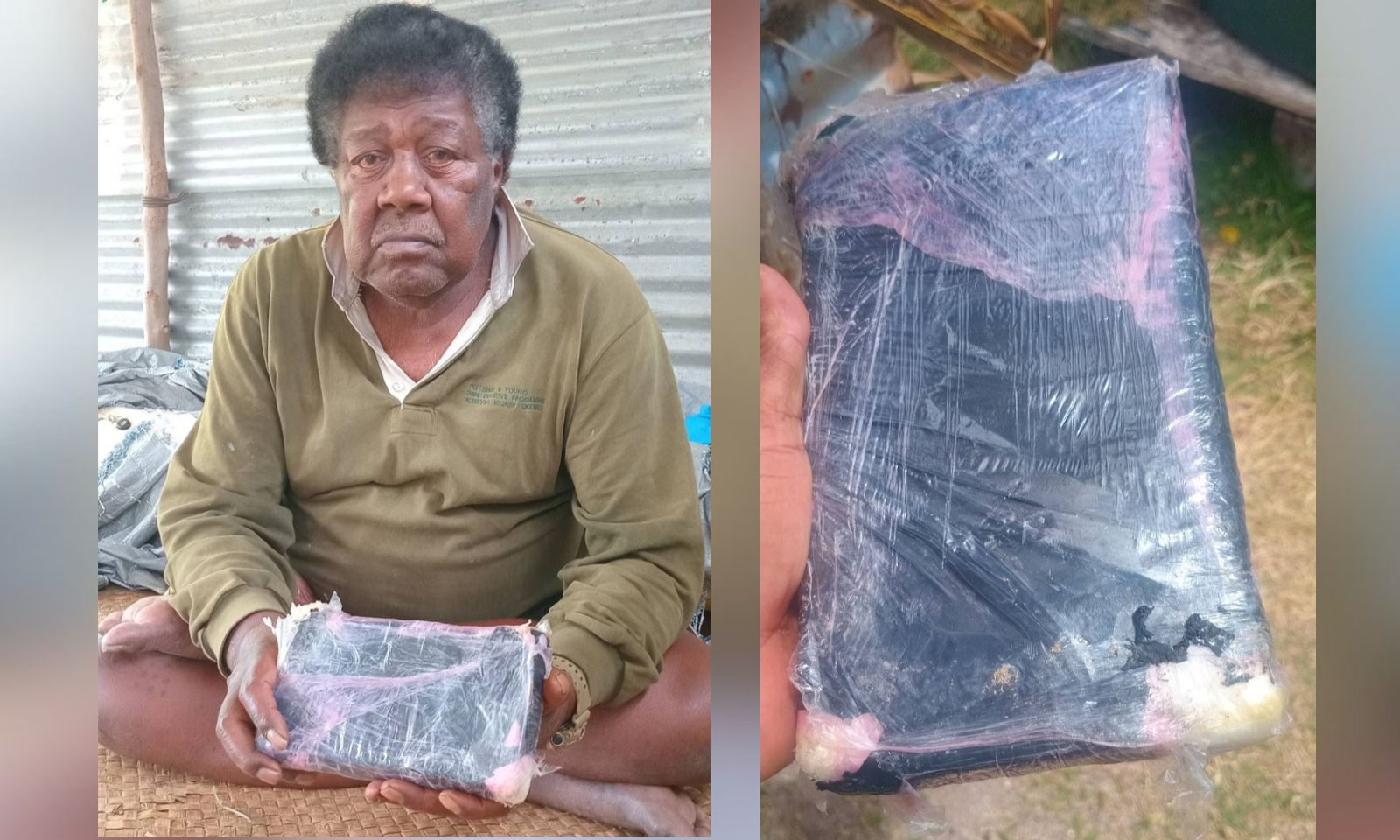
A Yadua Island elder with one of the packages found along their shores last month. Photo/PMN News Composite
Village Headman Iliesa Rakuka told PMN Fiji the discovery left the remote community worried about what could happen if more packages arrived.
“It was dangerous having to keep the drugs and wait for police to come collect it because we are on a very remote island and we don’t know if someone might be looking for the packages.”
He says there are also concerns about young people finding the drugs.
“What if they find more packages and decide to try it for themselves? We cannot control that.”
Dozens of packages containing suspected cocaine and methamphetamine have been found or washed ashore across remote parts of Fiji this year.
Watch the drug crisis happening in Fiji and the Pacific below.
Authorities are now urging coastal communities not to handle anything they do not recognise and to report it immediately.
“If you see something suspicious at sea or on shore, report it. Maritime security begins with empowered coastal communities.”
For Fiji’s remote coastal communities, the ministry says the message is simple: when something washes ashore, knowing what to do could be the first line of defence.