Ni-Vanuatu communities across Aotearoa celebrate Vanuatu's 46th Independence Day and Bislama Language Week on Thursday, honouring their language, culture and identity while passing them on to the next generation.
Photo/Ni-Vanuatu Bay Of Plenty Association Aotearoa
Language & Culture
Vanuatu independence inspires Bislama Week celebrations across NZ
Vanuatu marks 46 years of independence and ni-Vanuatu across Aotearoa celebrate, using language, culture and storytelling to strengthen their identity.

PMN News
Published
30 July 2026, 8:00pm
Share
Copy Link
Top stories
World Vision warns children will pay for aid cuts beyond the Pacific
Thomas Tarurongo WynneMon, 12 Oct
Top stories
World Vision warns children will pay for aid cuts beyond the Pacific
Thomas Tarurongo WynneMon, 12 Oct
Vanuatu's Independence Day has brought an extra layer of meaning to this year's Bislama Language Week, with Ni-Vanuatu communities across New Zealand celebrating both their nation's history and the language that connects its people.
Vanuatu became independent on 30 July 1980, ending decades of joint British and French rule and becoming the Republic of Vanuatu.
This week, community groups, schools and universities around Aotearoa are marking the anniversary by celebrating Bislama Language Week.
Bislama is Vanuatu's national language and a key part of Ni-Vanuatu identity. The English-based creole is spoken across the country, bringing together people from more than 110 Indigenous language groups.
Vanuatu and New Zealand share strong Pacific ties through migration, education and family connections.
More than 15,000 people in New Zealand identify as Ni-Vanuatu, according to the 2023 Census, with many continuing to speak Bislama and pass it on to the next generation.
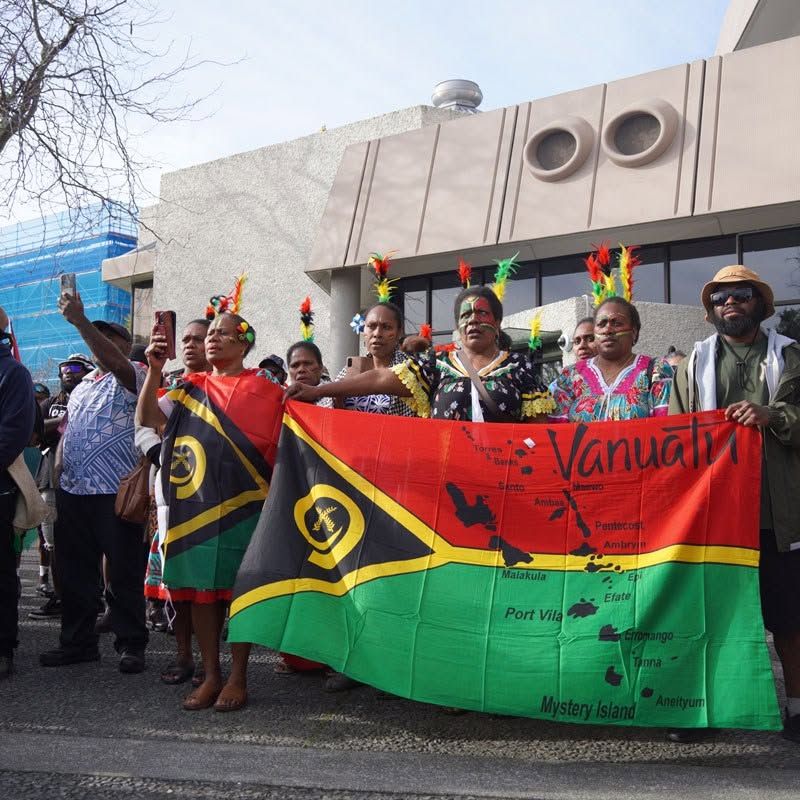
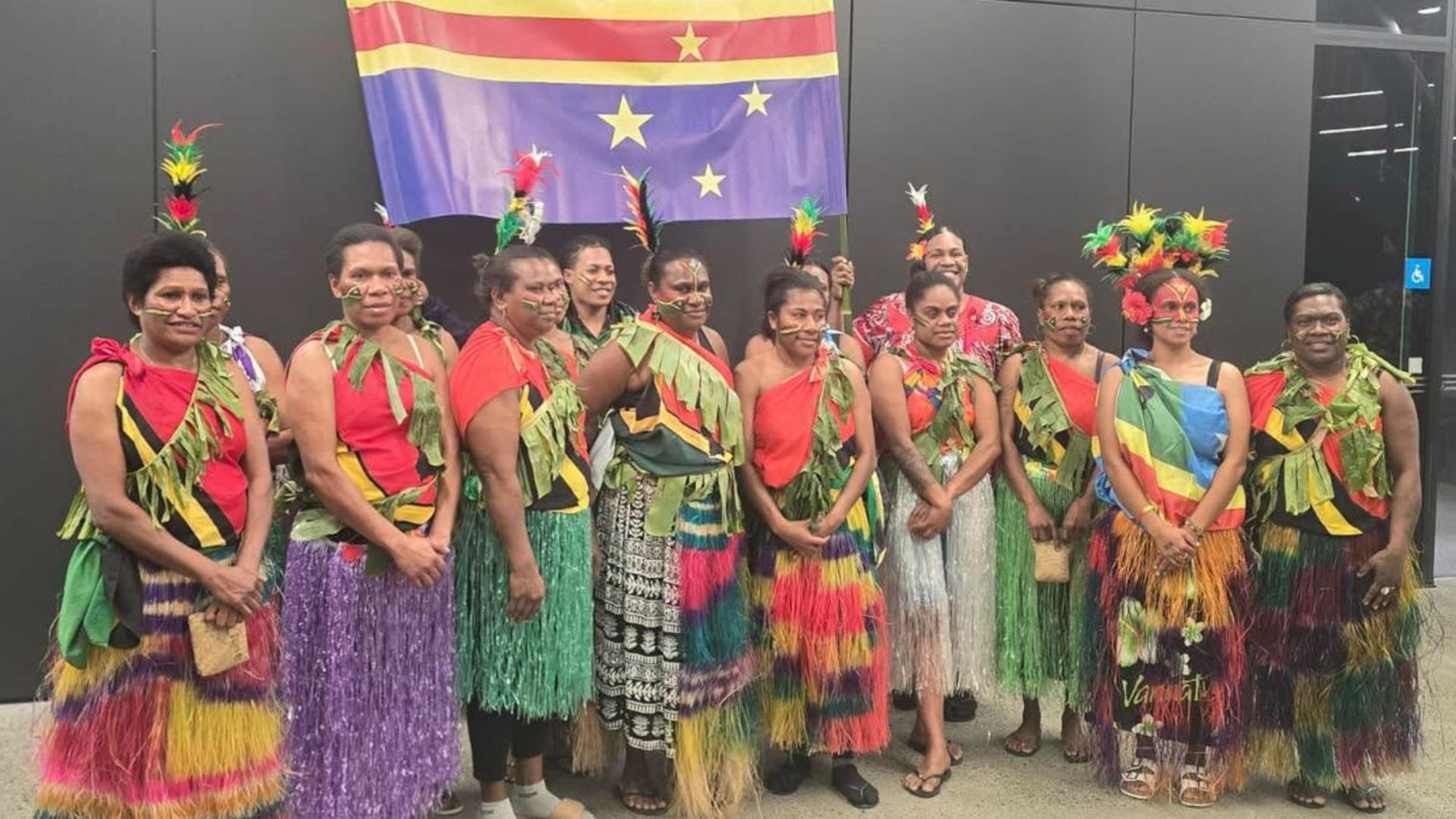
Members of Hawke's Bay's Ni-Vanuatu community gather to celebrate Vanuatu's 46th Independence Day and Bislama Language Week. The region is home to one of New Zealand's largest Ni-Vanuatu communities, many of whom return each year through the Recognised Seasonal Employer (RSE) scheme. Photo/Mayor Wendy Schollum of Heretaunga Hastings
In Hawke's Bay, home to one of New Zealand's largest Ni-Vanuatu communities, Mayor Wendy Schollum said Bislama is "more than a language, it carries culture, identity and connection", after joining a community flag-raising ceremony to celebrate Vanuatu's Independence Day and Bislama Language Week.
Many Ni-Vanuatu also return to the region each year through the Recognised Seasonal Employer (RSE) scheme, supporting one of New Zealand's biggest horticulture regions while becoming an important part of the local community.
The Ministry for Pacific Peoples' Pacific Language Weeks programme links each language week to an important date for that nation.
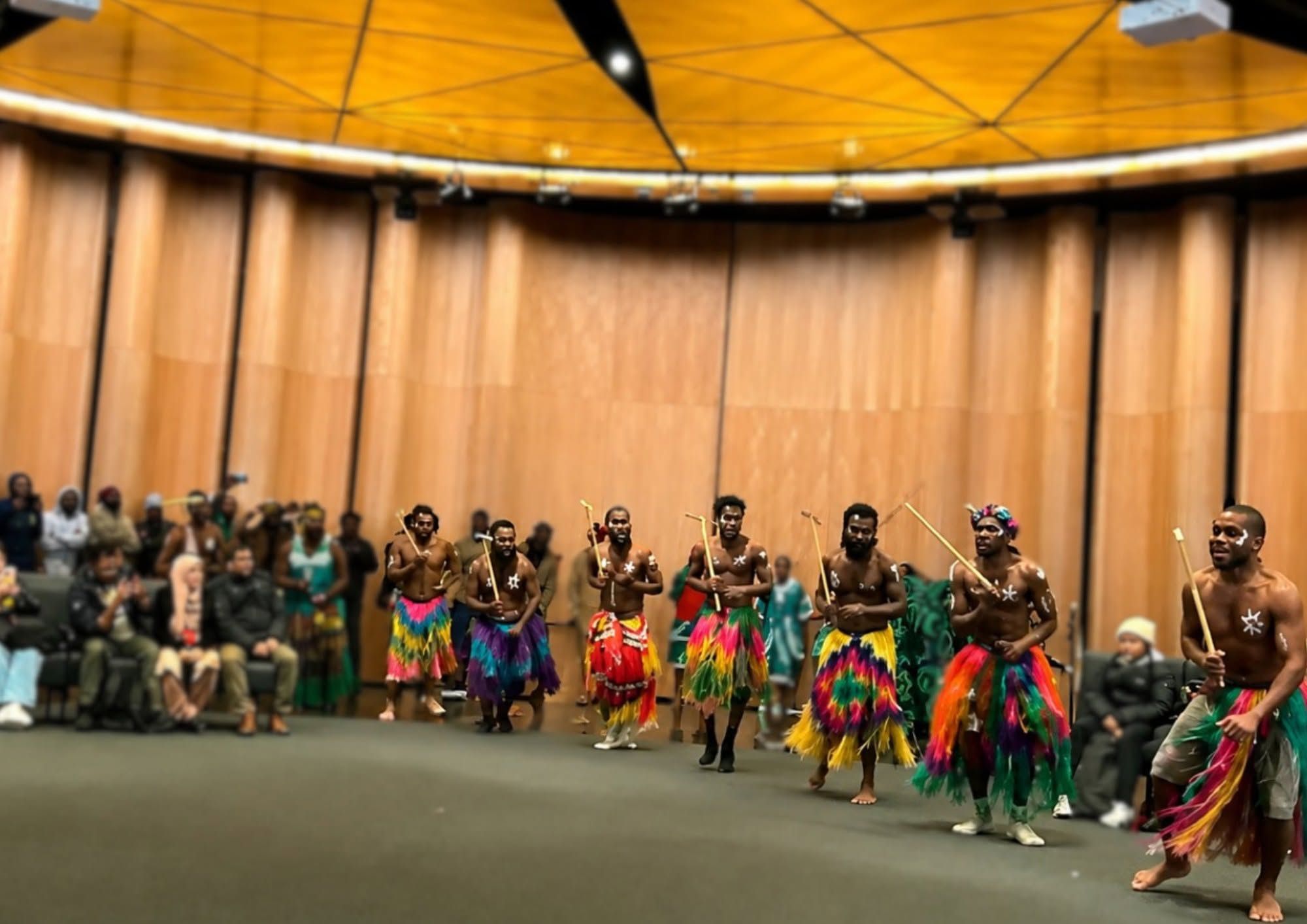
Families and community members celebrate Vanuatu Bislama Language Week at Auckland Museum, sharing language, music, dance and cultural traditions as part of this year's Independence Day celebrations. Photo/Punchbowl PackCo Ltd
For Vanuatu, it falls around Independence Day on 30 July.
The Ni-Vanuatu Bay of Plenty Association said the timing allows the community to celebrate its language, culture and independence together.
"Yumi long Vanuatu yumi jusum det raon long indepdedence blong yumi blong celebretem culture, langwis mo Independence Aniveseri blong yumi!"
The association opened its Bislama Language Week celebrations at Merivale Community Centre and thanked the Ministry for Pacific Peoples for supporting the week's events.
Children have also been taking part. At Tai O Fenua Kindergarten, tamariki explored Bislama through sand drawings and creative activities, helping introduce the language through play.
"Yumi lanem, yumi toktok, yumi laefem Bislama!"
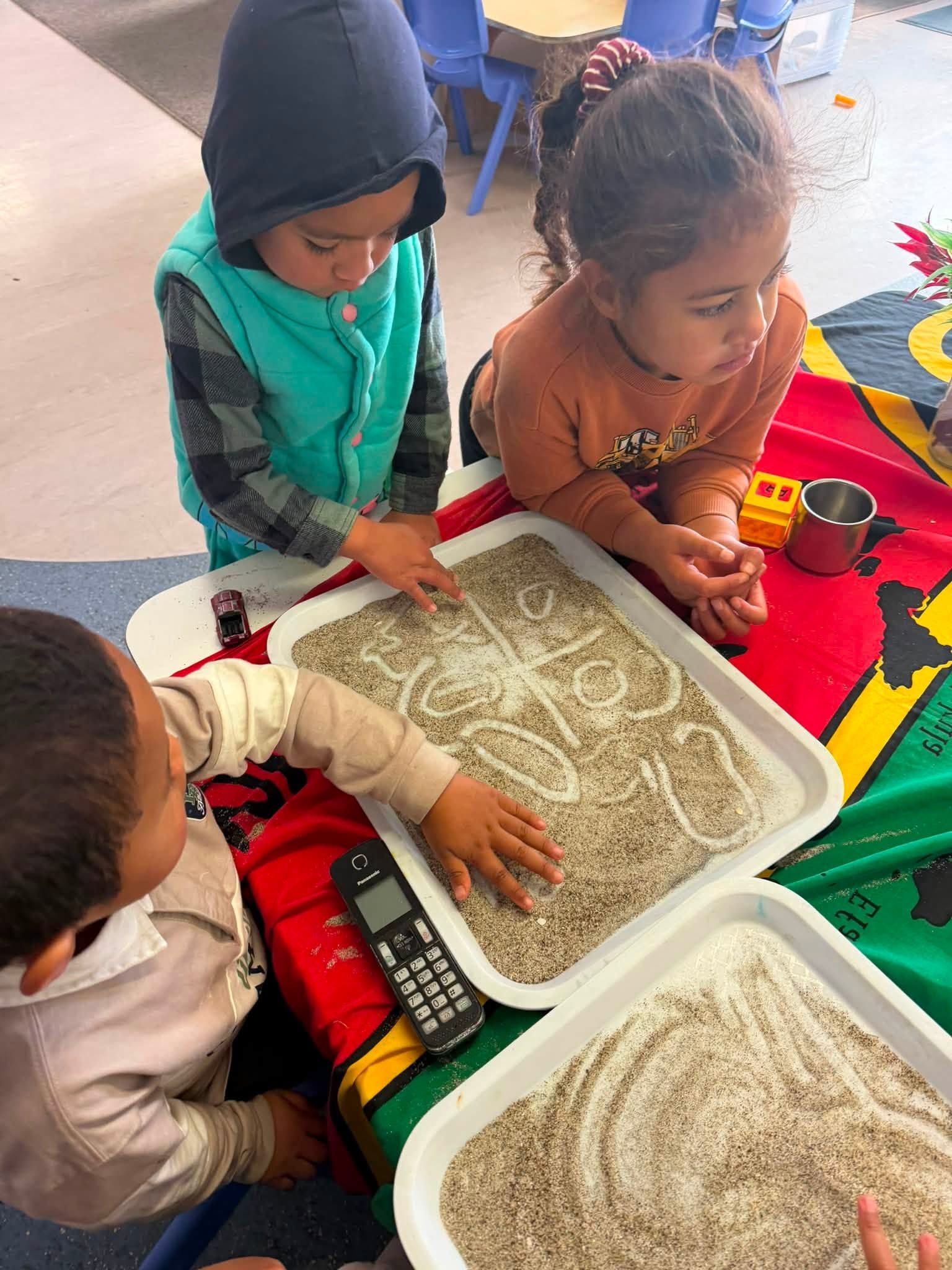
Tamariki at Tai O Fenua Kindergarten celebrate Vanuatu Bislama Language Week through sand drawing activities, learning Bislama and exploring Ni-Vanuatu culture through creativity and play. Photo/Tai o Fenua Kindergarten
Across the country in Dunedin, University of Otago students are sharing Vanuatu's stories on OAR FM through a special three-part radio series for Bislama Language Week.
Supported by Dr Namrata Chand, students Genista Stephen, Kathrina Lani Litenmal and Christeline Karlyp are celebrating the language, culture and traditions of their home country.
This year's theme, "Tokbaot klaemet jenis - Hemi tru samting mo yumi mas lukaotem gud laef", translates to "Talk about climate change - it is real and we must look after life."
At Auckland University of Technology, students and graduates with family ties to Vanuatu are also using the week to celebrate their identity.
Recent computer science graduate Maeva Nikita Robert said wearing Vanuatu's bright green national dress reminds her where she comes from.
"When I wear this dress, it marks my identity. Everyone will know that I'm a Ni-Vanuatu, especially when I'm living away from Vanuatu."
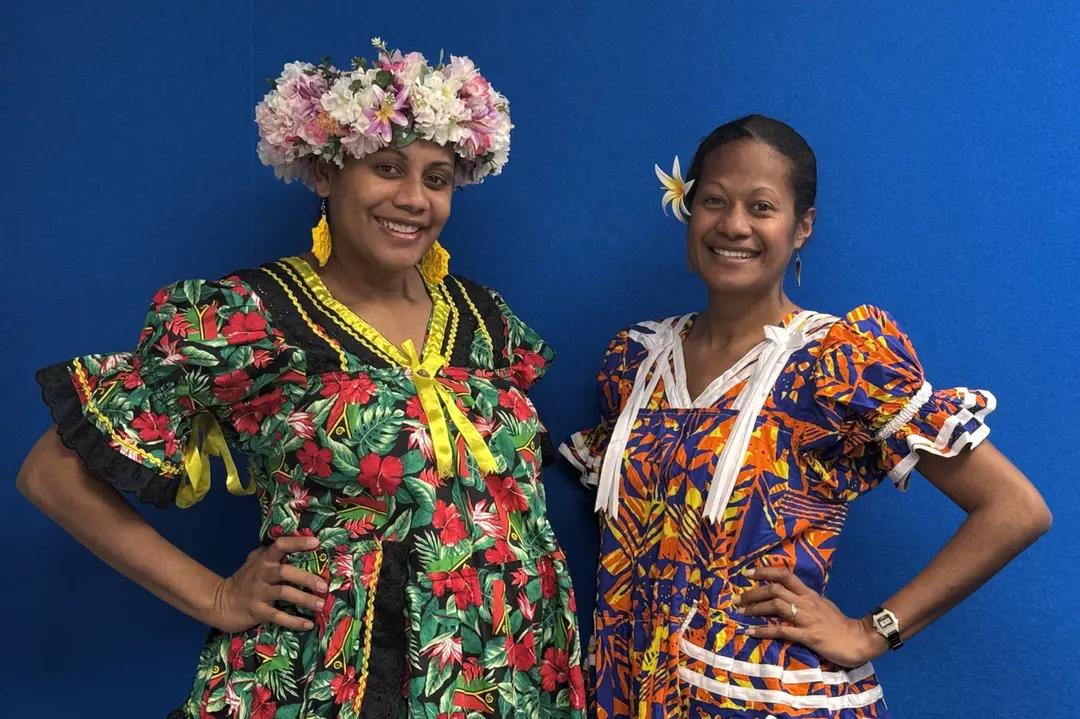
University of Otago students Katrina Lani Litenmal and Genista Stephen co-host special Vanuatu Bislama Language Week programmes on OAR FM, celebrating the language, culture and stories of the Ni-Vanuatu community in Dunedin. Photo/Supplied
She said language is central to that identity.
"Thinking about my language, it's so important to know it because it's where you come from and who you are - it's your identity. Wherever you are, you're not just carrying yourself, you're also carrying your grandparents and your ancestors."
Nursing student Suzanne Kaltongga said the traditional dress is recognised by Ni-Vanuatu around the world.
"It would be recognisable anywhere in the world by other Ni-Vanuatu. The dress means a lot to me, especially living away from Vanuatu. It makes me very proud to be from Vanuatu."
She hopes to return home after graduating. "I chose to study nursing at AUT because with my nursing skills I can go back and help my people and my country."
Watch Sarai Stephens share some phrases to mark Vanuatu Bislama Language Week below.
As communities celebrate Vanuatu's independence this week, organisers say Bislama Language Week is about more than preserving words.
It is about keeping culture, identity and connections alive for future generations of Ni-Vanuatu growing up in Aotearoa.
Vanuatu Bislama Language Week ends on Saturday, 1 July 2026. For more details, click here.