
Jaxon Evans: Bathurst’s final lap will decide it all
Elton Lonaratha JnrFri, 09 Oct
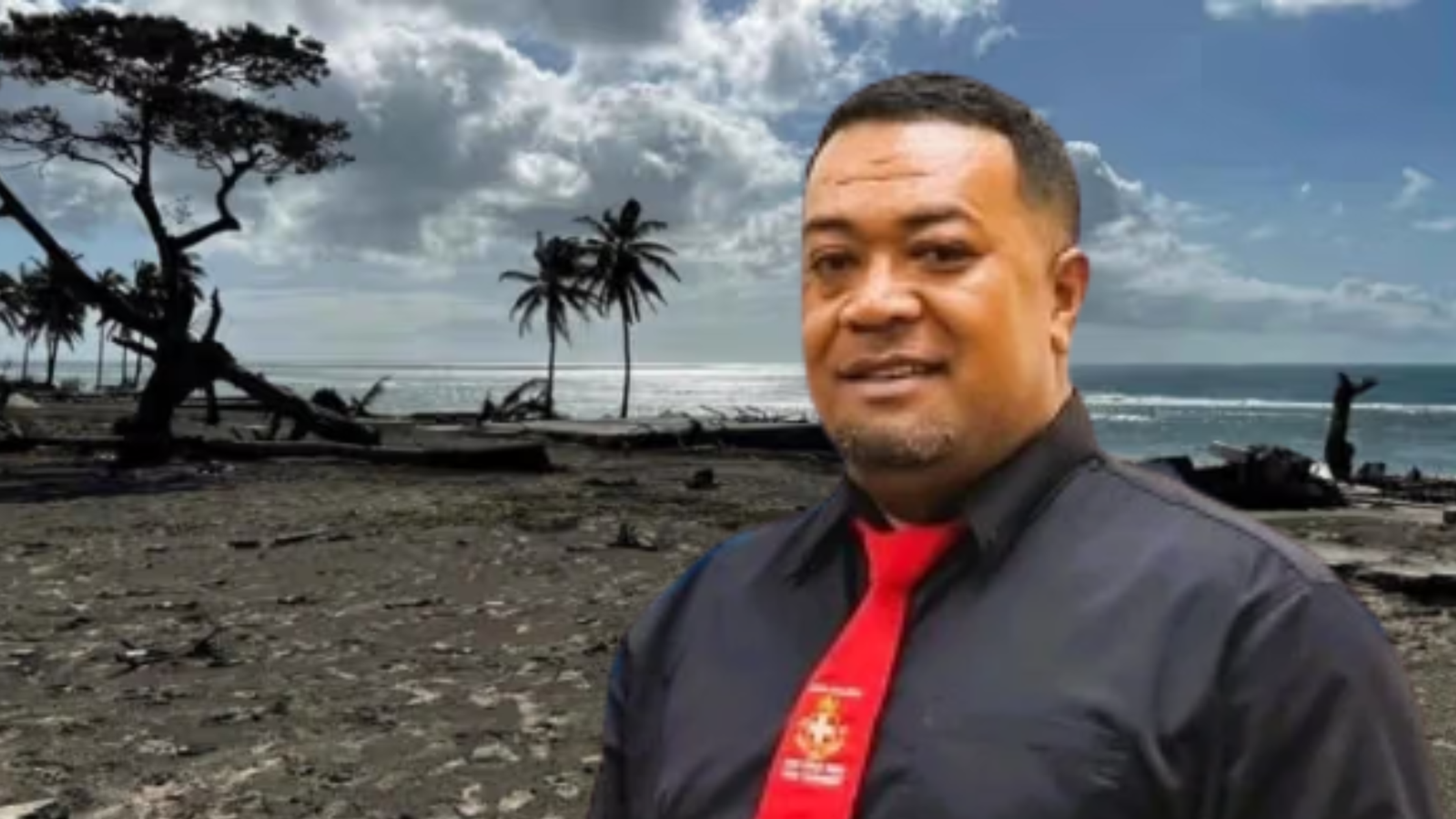
Seismologist Mafoa Penisoni wants to create a catalogue of seismic activity for Tonga.
Photo/Supplied/File
Mafoa Penisoni is building Tonga's first seismic and volcanic catalogue to help the kingdom better understand and prepare for future hazards.


From Tonga to Vanuatu and across to the Philippines and Indonesia, the Pacific has been shaken by a series of powerful earthquakes this year.
For Tongan researcher Mafoa Penisoni, the recent activity is another reminder of how little is known about some of the geological risks facing Pacific communities.
The PhD candidate in mathematics at the University of the South Pacific says 11 earthquakes of magnitude 7 or higher have already been recorded this year, compared with 13 throughout last year.
“Most of the events are happening along the trench, mainly on the western side of the Pacific Ring of Fire,” he tells PMN News.
“That starts from Tonga, Fiji, Vanuatu and the Solomon Islands, through to the Philippines and Indonesia. This region has been the most active this year.”
Penisoni, who previously worked with Tonga Geological Services, says the region could see more major earthquakes before the end of the year.
Listen to Mafoa Penisoni's full interview below.
“So I think we can expect more up to December.”
The Pacific sits along the Ring of Fire, one of the world's most active earthquake and volcanic zones, where several tectonic plates meet.
But knowing where the activity is happening does not mean scientists can say exactly when the next earthquake or eruption will strike.
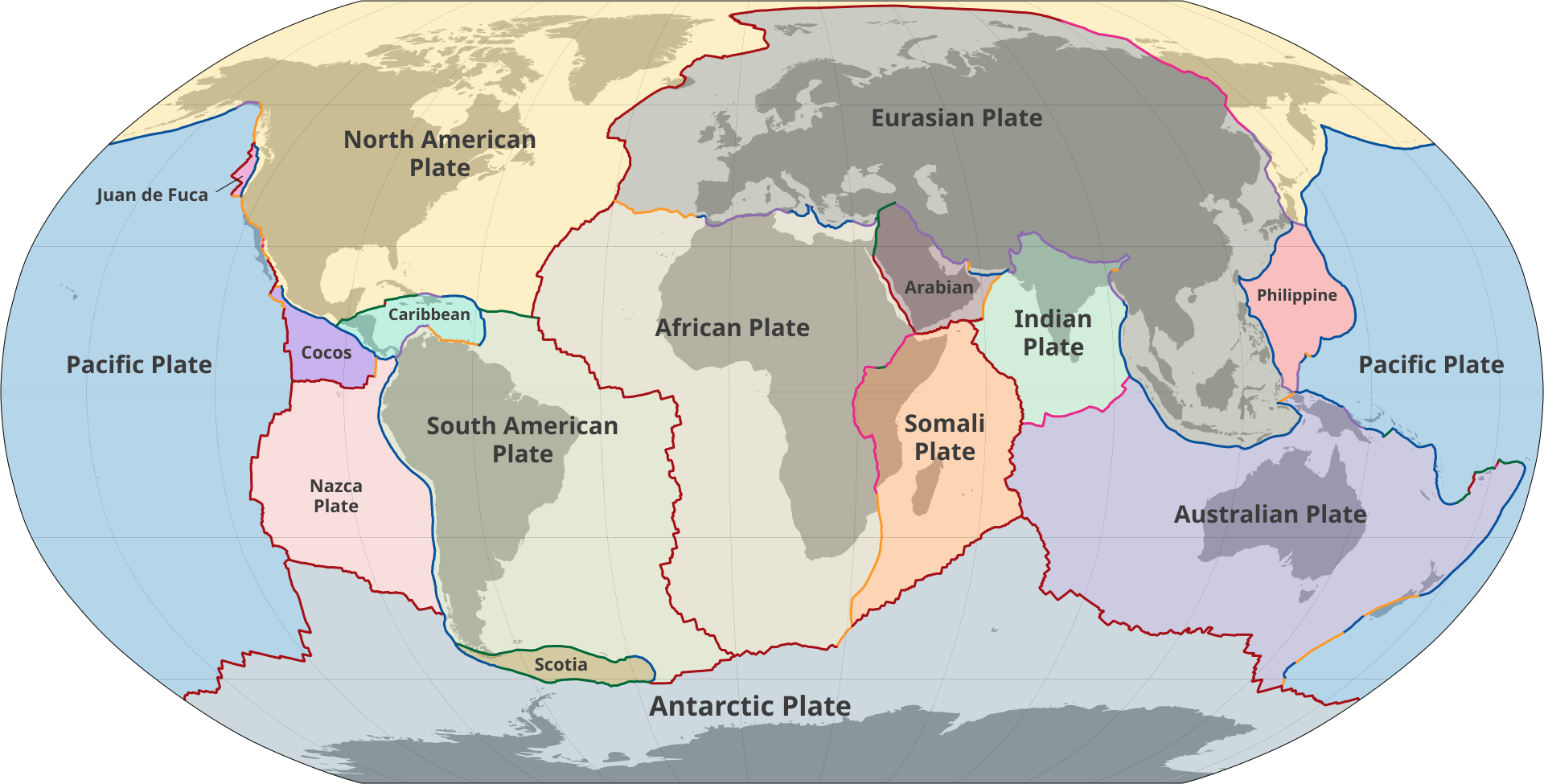
A map shows earth's techtonic plates. Image/Wikimedia Commons
Penisoni’s research is partly driven by his experience of the Hunga Tonga-Hunga Ha'apai eruption in January 2022, which sent shockwaves across the Pacific.
“On that day, when we heard the blast and the sonic boom, the dogs were running away fast - looking for someplace to hide.”
His research is looking at whether changes in ocean conditions, including conductivity, could provide useful information before a volcanic eruption.
A major part of his research is building Tonga's first seismic and volcanic catalogue, bringing together historical records of earthquakes and eruptions.
“What is the chance of a volcano eruption, and what kind of the hazard might that bring? The data that I'm looking at is mainly historical events of volcanic eruptions and earthquakes, and its quantitative analysis, and I can do some modelling from that.”
But Penisoni says the focus should not only be on predicting disasters.
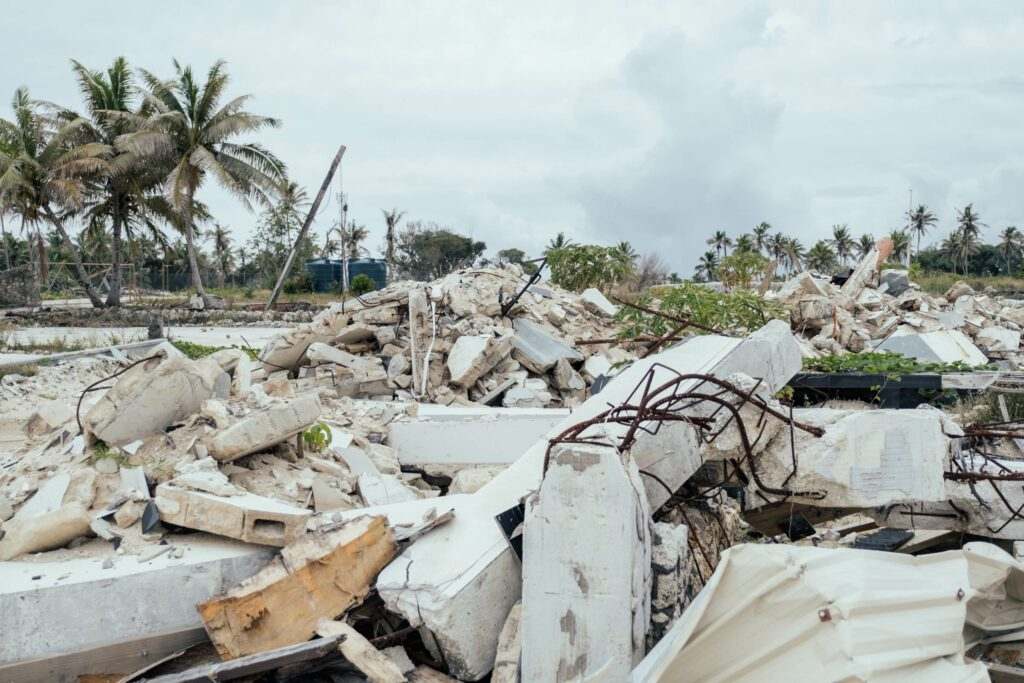
Beachfront buildings destroyed by the tsunami on the West Coast of Tongatapu, Tonga. Photo/Habitat for Humanity NZ
“From a sustainable point of view, I’m looking at the building code and infrastructure, because we’re not going to be able to stop an earthquake or volcano event.”
That means making sure buildings, infrastructure and communities are ready for what happens when the ground shakes or a volcano erupts.
Unaisi Baro, Fiji Red Cross Society Disaster Management Resilience Coordinator, says preparedness also depends on getting warnings to people in remote areas.
“The information needs to cascade right down to the last person or the last mile,” she says in a statement.
The United Nations' Early Warnings for All initiative aims to ensure everyone is protected by multi-hazard systems by 2027.
António Guterres, UN Secretary General, says even 24 hours’ notice can cut damage by up to 30 per cent.
“Early warnings are not an abstraction. They give farmers the power to protect their crops and livestock. Enable families to evacuate safely. And protect entire communities from devastation," he says in a statement.
Penisoni says strengthening Tonga's own scientific knowledge is key to preparing for hazards ahead.
He hopes his research can help guide decisions on disaster resilience while encouraging more young Tongans to pursue science.