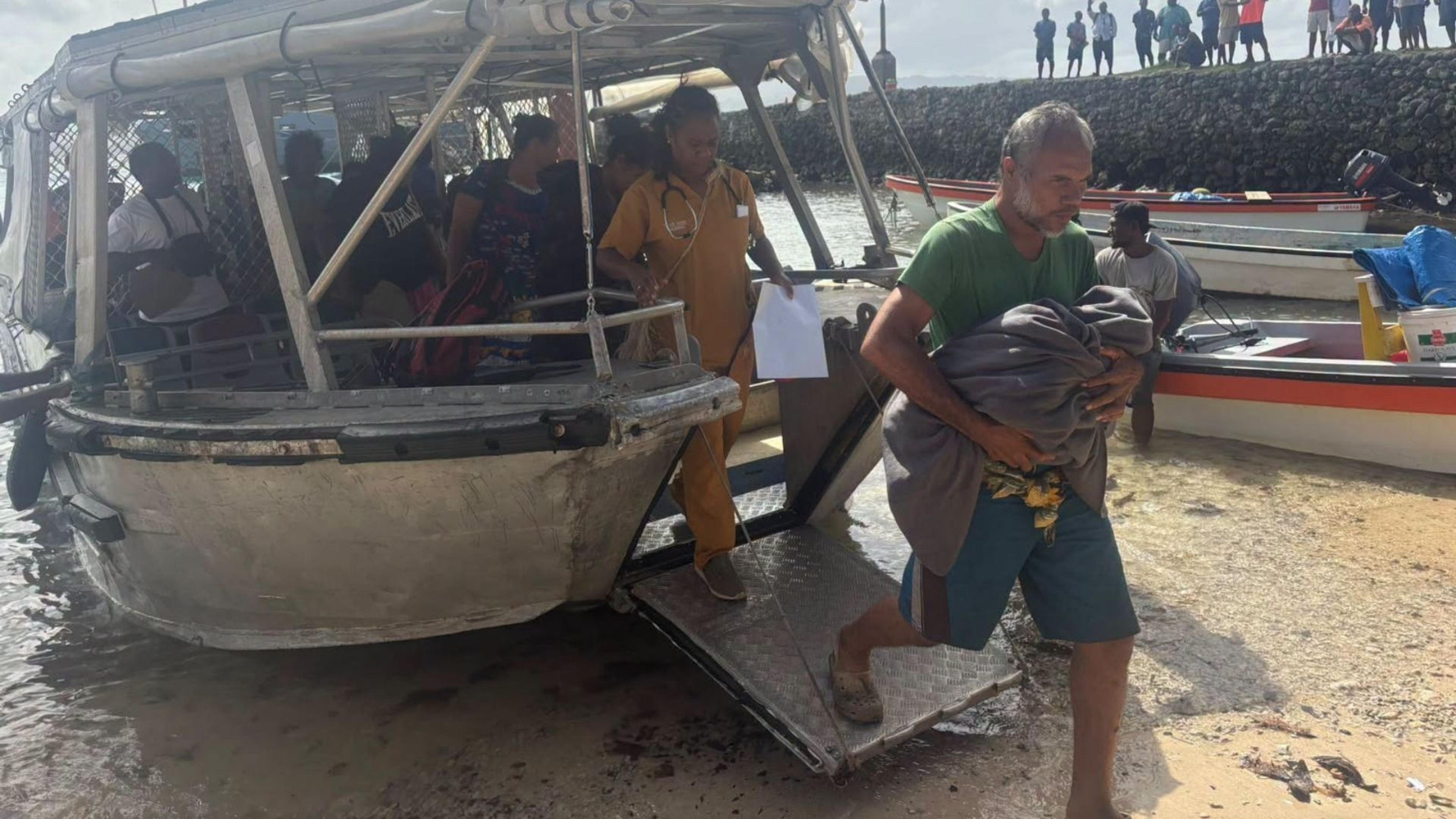
The rescue of MV Awka brought all 73 passengers and crew to safety after the vessel suffered engine failure in remote waters between Tikopia and Vanikoro.
Photo/Supplied
Pacific Region
Solomon Islands vessel rescue sparks calls for urgent safety reforms
A local leader says the grounding of MV Awka, after its engine failed in remote waters, must lead to tough checks and better protection for passengers.
Lachlan Eddie
Published
15 October 2026, 10:00am
Share
Copy Link
Top stories
Labour and Greens clash over what's ‘transformative’ for NZ's Pacific voters
Thomas Tarurongo WynneWed, 14 Oct
Niue govt looks to bring home skills of students studying in Aotearoa
PMN NewsWed, 14 Oct

‘We don’t talk about money’: William Bilitaki wants Pasifika families to break the silence
Elenoa TuragaiviuTue, 13 Oct
Top stories
Labour and Greens clash over what's ‘transformative’ for NZ's Pacific voters
Thomas Tarurongo WynneWed, 14 Oct
Niue govt looks to bring home skills of students studying in Aotearoa
PMN NewsWed, 14 Oct
‘We don’t talk about money’: William Bilitaki wants Pasifika families to break the silence
Elenoa TuragaiviuTue, 13 Oct
A passenger vessel that stranded 73 people in remote Solomon Islands waters had already experienced cooling system problems before continuing its journey, raising questions about decisions made before the engine stopped.
Temotu Premier Stanley Tehi says the incident involving MV Awka must prompt urgent action to improve maritime safety for island communities that depend on ships to travel between their homes and access essential services.
The vessel became stranded between Anuta and Vanikoro on 9 October after its engine shut down when the cooling system ran out of water.
Crew members reportedly collected rainwater from the ship’s tent and carried it by hand to cool the engine.
A joint rescue operation involving Solomon Islands authorities and international partners later brought all 73 passengers and crew to safety.
“The technical cause must be established through a proper investigation, but the incident raises important questions about seaworthiness, maintenance and passengers’ safety,” Tehi told PMN News.
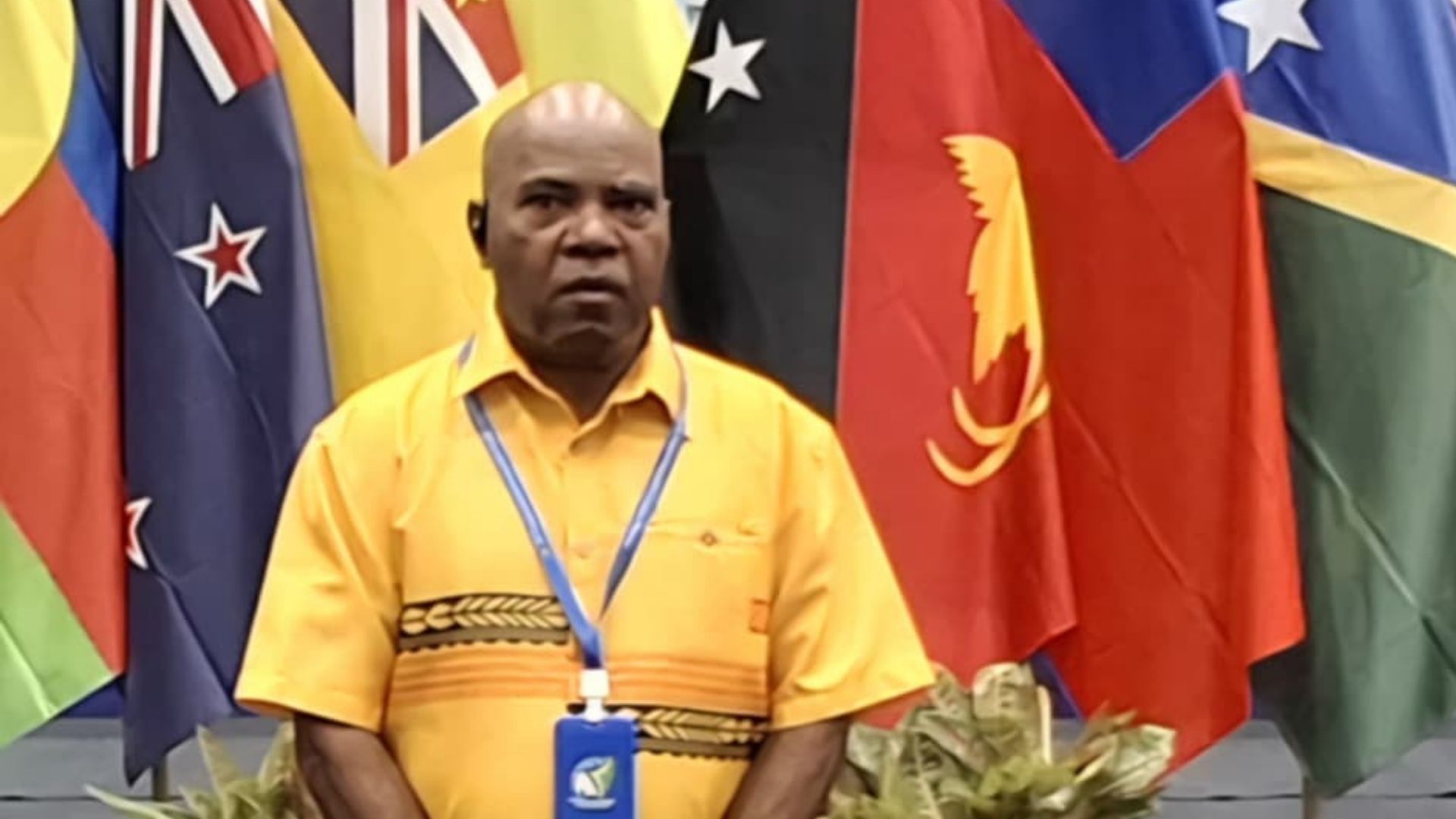
Temotu Premier Stanley Tehi is calling for urgent maritime safety reforms following the rescue of 73 people from MV Awka, saying the incident must lead to stronger vessel maintenance checks and better protection for passengers travelling between remote islands. Photo/Supplied
Questions over the voyage
Tehi says a police officer aboard MV Awka reported that the cooling system problem was first identified at Vanikoro, before the vessel left for Tikopia and Anuta.
Despite the reported fault, the voyage continued. “The sudden stop of the engine was caused by there being no water to keep the cooling system working,” Tehi said.
The vessel’s remote location and the distance between islands added to the challenge of getting help to those onboard. “This emergency demonstrated the importance of early communication, coordinated action and rapid access to rescue assets in remote maritime areas,” Tehi said.
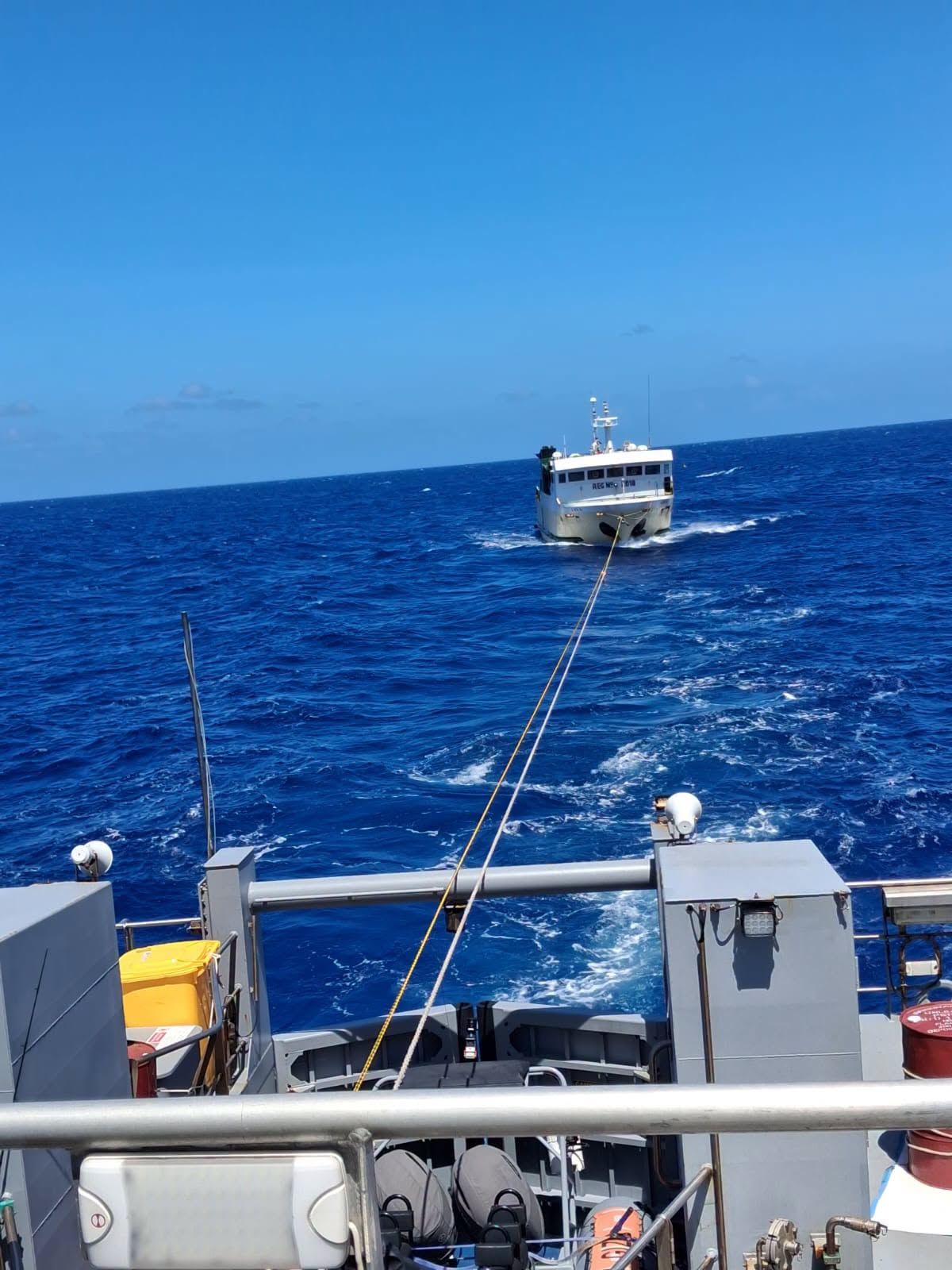
MV Awka, which services remote communities in the Solomon Islands, suffered engine failure after reported problems with its cooling system, leaving 73 people stranded at sea before a regional rescue operation brought them to safety. Photo/Facebook/RSIP
The rescue brought together the Royal Solomon Islands Police Force, national search and rescue authorities and support from France, Australia, China and Vanuatu.
Aircraft from France and Australia delivered food, water, medical supplies and equipment. A Chinese vessel also assisted while Vanuatu’s MV HELPR 1 transferred passengers. A police patrol boat later towed MV Awka towards safety.
In a statement on 14 October, the Royal Solomon Islands Police Force said its patrol boat Gizo travelled more than 400 nautical miles through challenging sea conditions to reach MV Awka.
Police said the operation highlighted the need for effective communication, careful planning and timely decision-making during emergencies in remote waters.
The incident has also prompted calls for wider changes to maritime services in Temotu. Independent Group parliamentary leader Peter Shanel Agovaka says the stranding exposed the vulnerability of communities that depend on shipping to access essential services and supplies.
He has urged the provincial government to work with the national government on a dedicated programme to improve maritime transport, safety and emergency response.
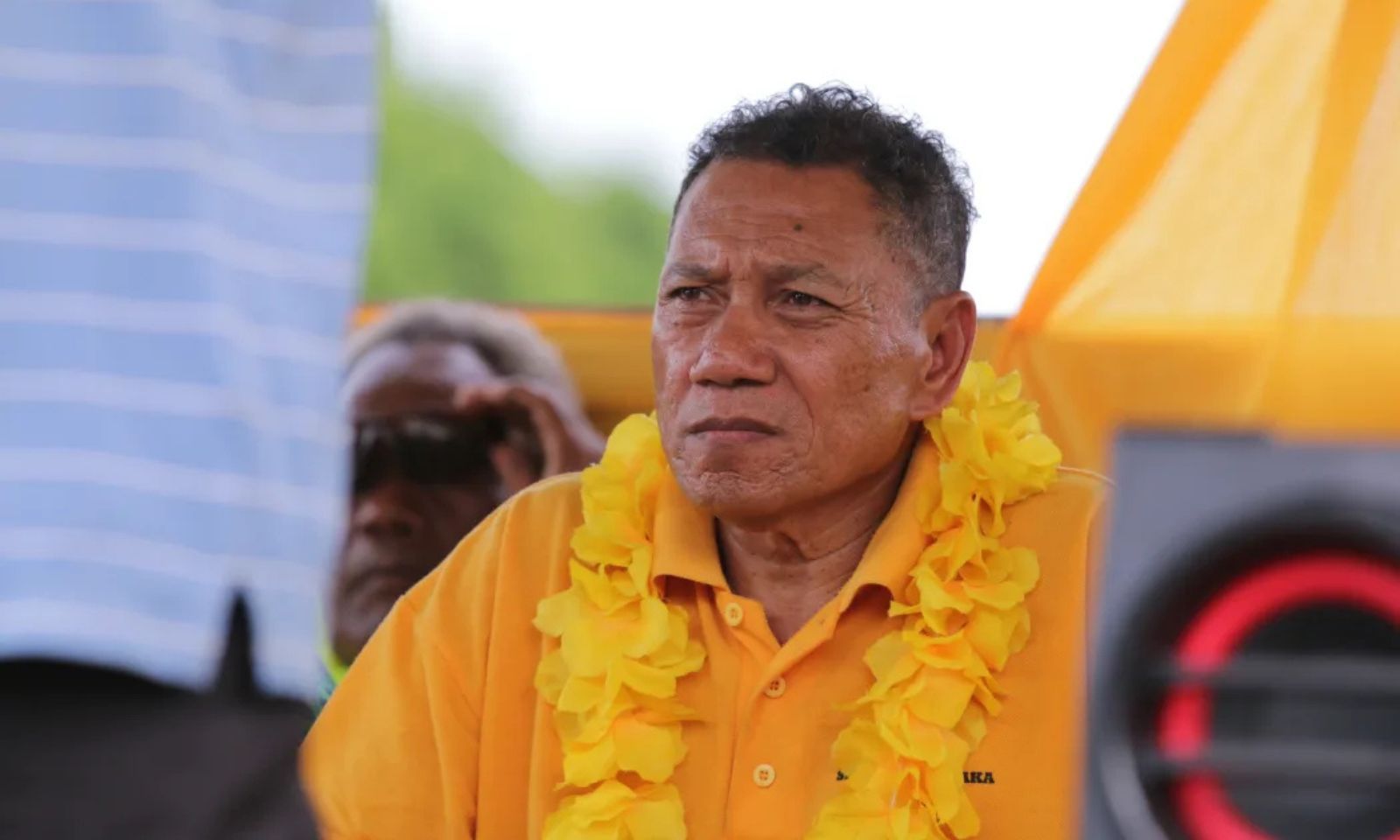
Independent Group parliamentary leader Peter Shanel Agovaka is calling for changes to maritime transport and safety services in Temotu following the MV Awka incident. Photo/RNZ Pacific/Koroi Hawkins
Staying connected during the emergency
Tehi thanked the countries involved, saying the response showed the value of regional cooperation during emergencies.
“Starlink onboard Akwa helped us distribute information and share rescue coordinates successfully and efficiently,” he said.
Solomon Star also reported that passenger James West credited the satellite connection with helping people contact their families and share information about their situation.
“Starlink really helped us stay connected with our families and let people know what was happening to us. It also helped draw attention to our situation while we were waiting to be rescued,” West said.
For families waiting for news, the uncertainty was distressing.
“As a father, a community member and Premier of Temotu Province, I understand that when a loved one is in danger, the uncertainty can be extremely painful," Tehi said.
Watch as stranded passengers wait for help after the MV Awka experiences problems.
A rescue is not enough
Tehi says the safe return of all passengers must not overshadow questions about how the vessel was operated and maintained.
He wants stricter seaworthiness and maintenance checks, passenger safety to take priority over commercial decisions, and contracted shipping services to use vessels suited to their routes.
He also called for stronger emergency response capacity and for lessons from the incident to be documented and acted on.
“We cannot simply celebrate the outcome and move on without addressing the underlying safety concerns.”
The incident comes amid a series of serious maritime emergencies in the Pacific. In neighbouring Vanuatu, 39 people were believed dead after the ferry MV Matui sank in September, with 37 people still missing when the search was called off. In Solomon Islands, a formal inquiry into the fire and sinking of the vessel MV Anjeanette in July began in September.
For communities spread across remote islands, shipping is a vital link. Tehi says the incident must become a turning point in protecting passengers who rely on these services.