US Midterm results put Pacific military and seabed plans under fresh scrutiny - experts
Christine RovoiThu, 05 Nov
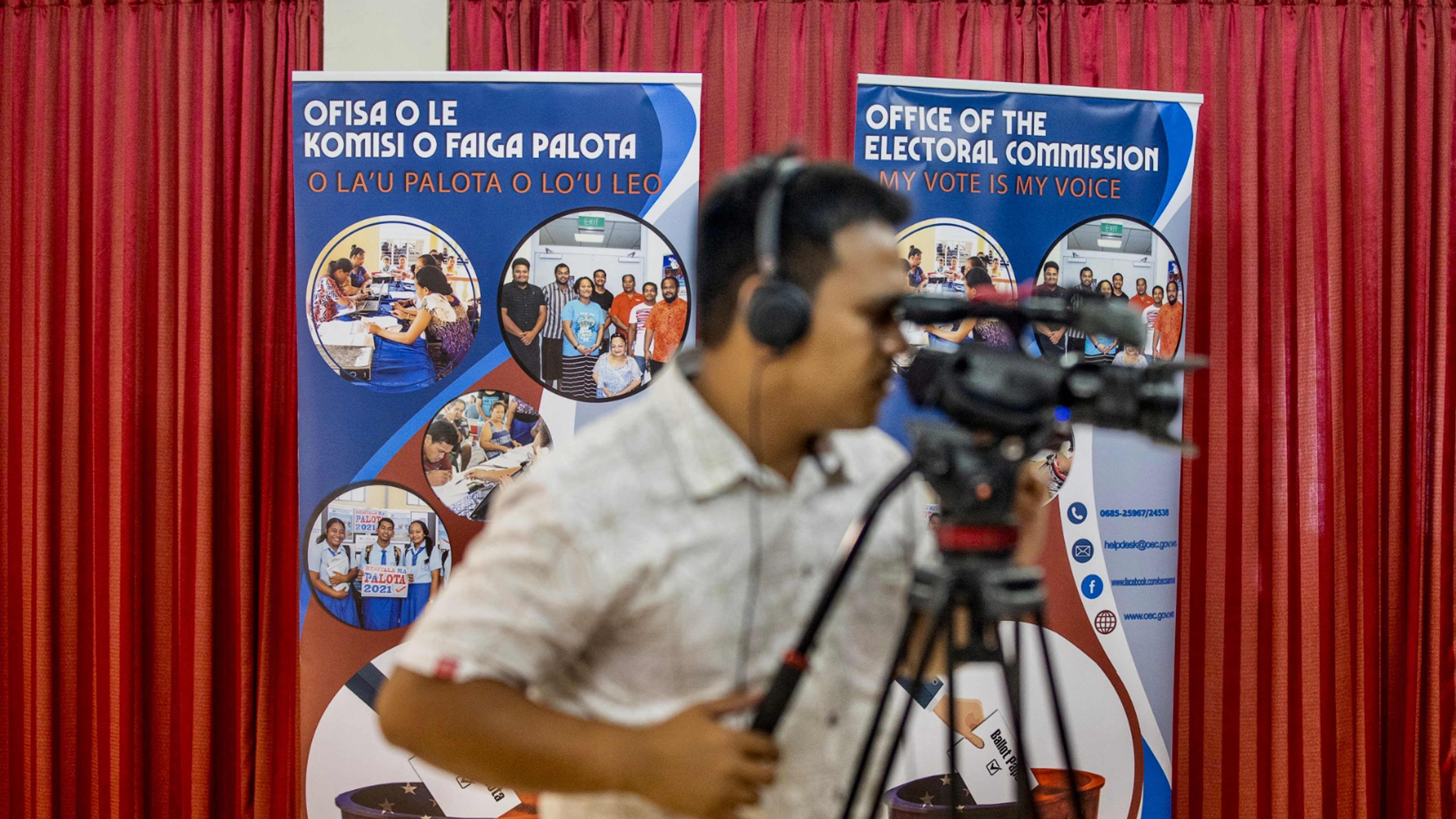
Journalists in Sāmoa are facing renewed scrutiny over media access and press freedom following concerns raised by 10 countries during Sāmoa’s UN human rights review.
Photo/Anetone Sagaga
Ten countries have raised concerns at a UN review, calling for greater media access, protection for journalists and changes to proposed rules.

Sāmoa is facing growing international pressure over media freedom as 10 countries urge the government to remove restrictions on journalists and ensure the press can work without interference.
The concerns were raised during Sāmoa’s periodic review at the United Nations Human Rights Council in Geneva this week. Some of Sāmoa’s major donor partners and former colonial powers are among those calling for action.
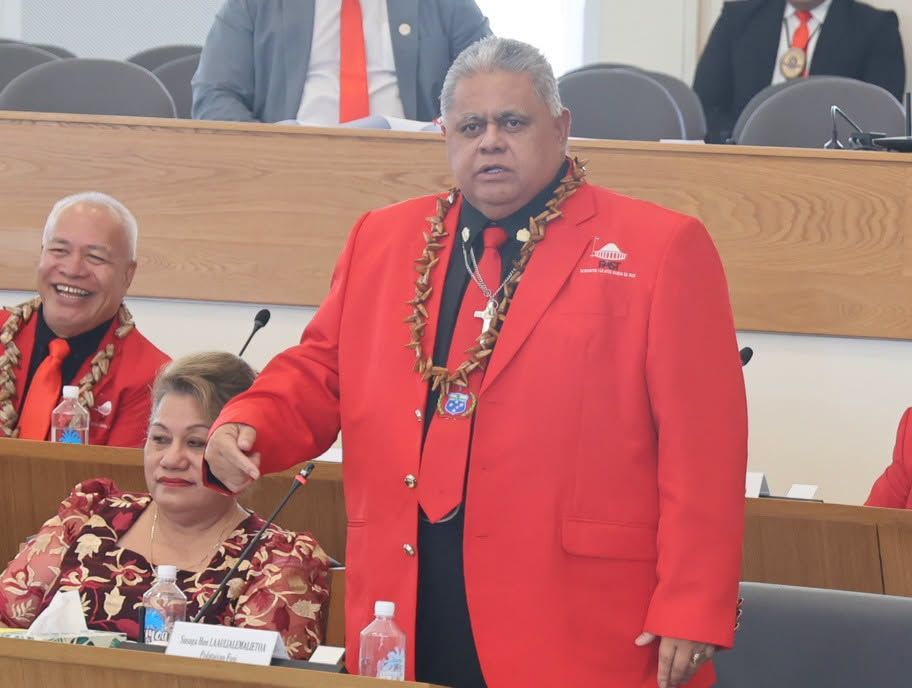
The review comes after the government of Prime Minister La'aulialemalietoa (La'auli) Leuatea Schmidt banned the Sāmoa Observer, the country’s largest media outlet, from his press conferences and other access to government information.
A photographer has also reported having her camera taken and photographs deleted by the Prime Minister’s security personnel, prompting the Journalists Association of (Western) Sāmoa or JAWS to warn about physical obstruction of the media.
“JAWS is deeply disturbed ... A journalist attending a public event has a legitimate professional right and responsibility to observe, record and report what takes place.
"Any unauthorised interference with, removal of, or deletion of such material raises serious concerns about interference with the freedom of the press and the public’s right to information.
"If there are concerns about the conduct or reporting of a journalist, there are established avenues for complaint. JAWS calls for the circumstances of this incident to be properly established.”
The government’s proposed Media Protocol has added to concerns. The draft would require journalists to submit questions at least 24 hours before government press conferences for vetting. It also proposes background checks looking at journalists’ political views, previous reporting, editorial standards, credibility and audience.
New Zealand was among the countries calling for change, recommending Sāmoa ensure a safe environment for journalists by removing media bans.
Germany called for equal access to government information and changes to the draft Media Protocol while Australia urged Sāmoa to uphold freedom of expression and protect independent media.
Canada called on Sāmoa to address criminal defamation and protect the independence of journalists and media organisations.
The Netherlands also called for equal access to government information and press conferences while the United Kingdom pointed to Sāmoa’s fall in the World Press Freedom Index and urged the government to allow journalists to work independently and without undue restriction.
South Korea called for prompt and impartial investigations into allegations of threats, intimidation or violence against journalists.
France urged stronger protection for freedom of the press and freedom of speech while Brazil called for policies ensuring journalists and human rights defenders have fair access to government information.
Switzerland recommended Sāmoa establish a freedom-of-information law giving journalists and the public access to official documents, subject to legitimate restrictions.
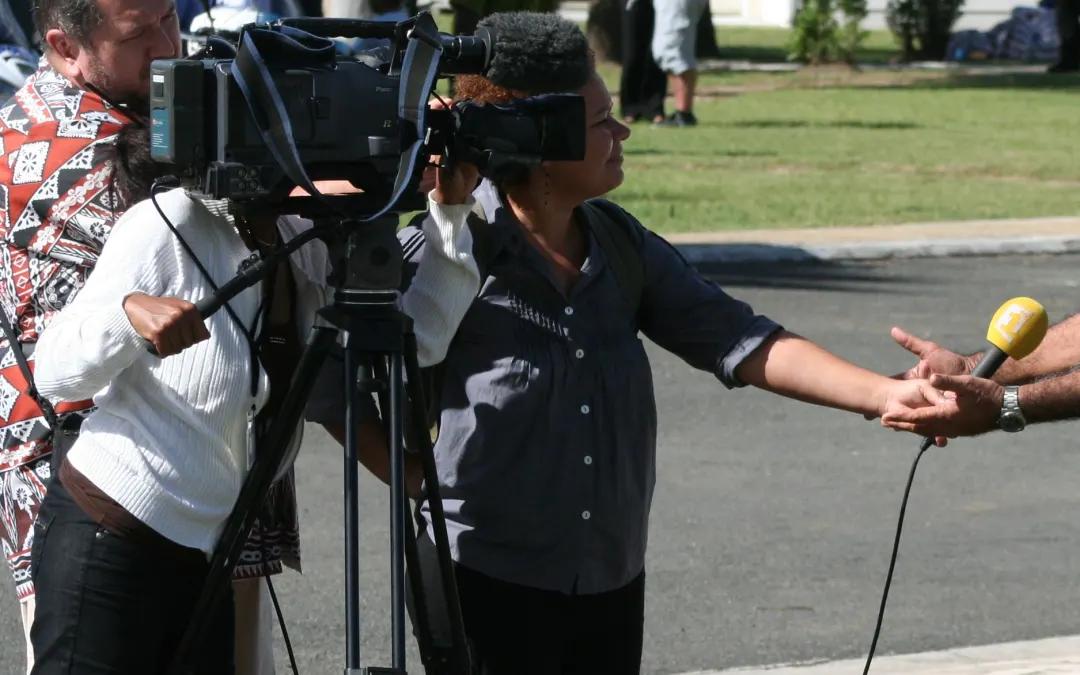
Journalists across the Pacific continue to face challenges around access to government information, media freedom and the safety of reporters. Photo/RNZ Pacific/Johnny Blades
Sāmoa’s Permanent Representative to the UN, Nella Pepe Tavita-Levy, defended the government’s position saying freedom of speech and expression is protected under the Constitution.
“Madam Vice President, Article 13 of Sāmoa's constitution protects freedom of speech and expression. This freedom extends beyond the media. It enables individuals to exchange ideas, debate public affairs, and participate in decisions affecting their lives, with access to information forming an integral part of its exercise.
"Sāmoa remains committed to protecting freedom of expression, access to information, and media freedom in accordance with the constitution and its international obligations. human rights obligations.
The government recognises the important role of the media in promoting transparency, accountability, and public participation, and continues to provide official information through various channels to support fair and equal access for media organisations."
Sāmoa’s Opposition leader and former long-time Prime Minister, Tuilaepa Sailele Malielegaoi, has also raised concerns about the direction of the government.
In a letter to the editor of Newsline Samoa, Tuilaepa accused La'auli of restricting journalists and media organisations over unfavourable reporting.

Tuilaepa Sailele Malielegaoi has criticised the government’s treatment of journalists and raised concerns about what he describes as growing restrictions on the media. Photo/Facebook/HRRP
"These are signs of a leadership that has placed our fundamental values at risk. The rule of law has repeatedly been undermined, the media has been restricted from covering the government.
"The Commonwealth Ministerial Action Group must pay close attention to these conditions and the situation that is unfolding in Sāmoa. Their early intervention is needed before La'auli's behaviour escalates."
The UN review puts Sāmoa’s treatment of the media under wider international scrutiny as concerns grow over access to government information and the ability of journalists to report independently.
Prime Minister La'auli's office has been contacted for comment.