
Budget maths boost welcomed but principal warns against relying on measure of success
Renate RiversTue, 19 May
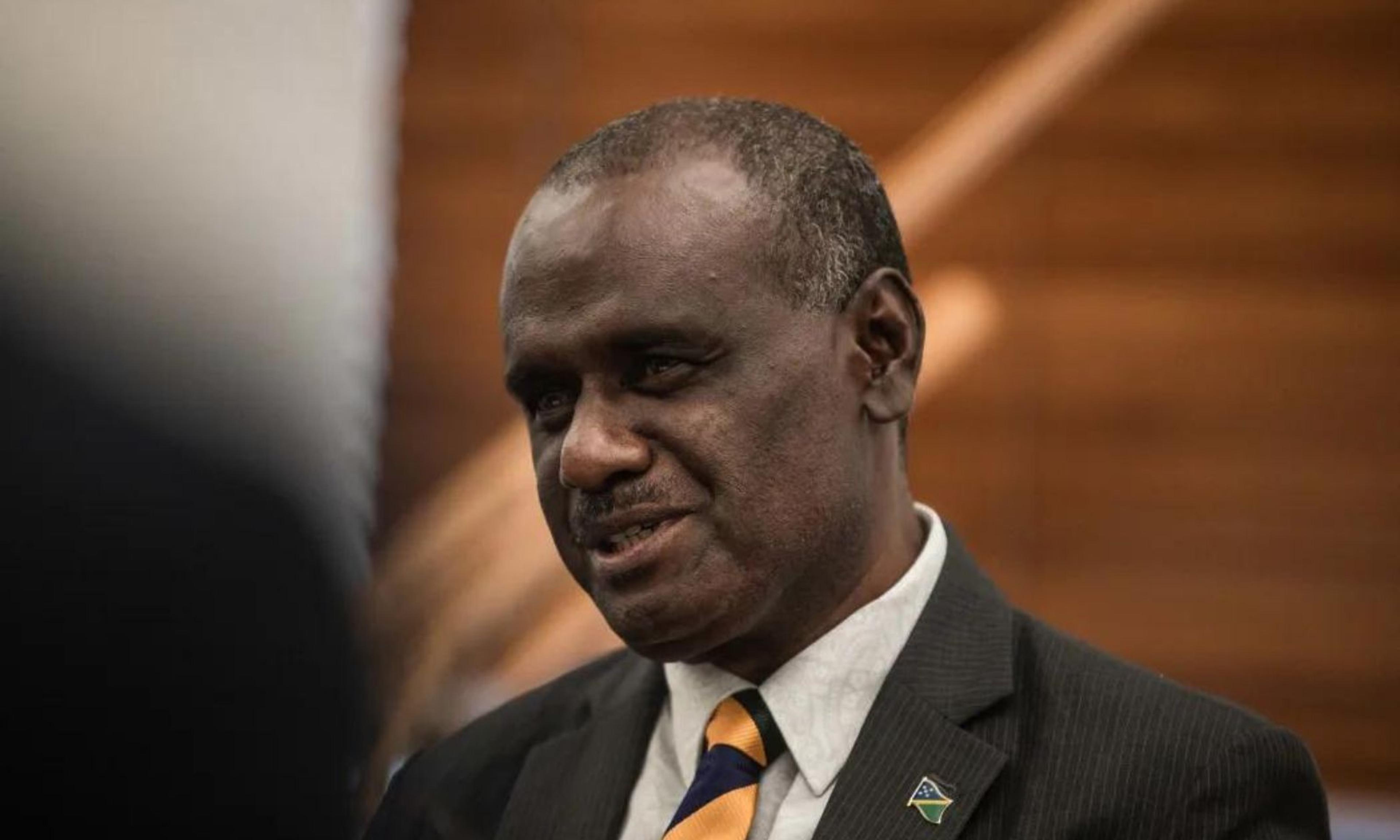
Solomon Islands Prime Minister Jeremiah Manele says he will not be pressured to convene parliament despite growing calls to test his leadership.
Photo/RNZ/Samuel Rillstone
With the opposition claiming majority support after mass defections, pressure is mounting on Prime Minister Jeremiah Manele to test his leadership on the floor of parliament.

Solomon Islands Prime Minister Jeremiah Manele is under growing pressure to prove he still has the numbers but he is refusing to call parliament.
The political standoff in Honiara has deepened after 19 government MPs, including more than half the Cabinet, resigned from his coalition and joined the opposition.
The opposition now claims it has the backing of 28 MPs, enough to take power, leaving Manele with just 22 in his camp.
Despite this, Manele says he will not be rushed. "I will call our parliament as and when it is appropriate," he told reporters on Sunday.
He rejected claims his government has lost its majority, saying "the assumption" is “political and not constitutional”.
"Government decisions are not made based on speculation, on pressure, but on lawful processes and the national interest," he said.
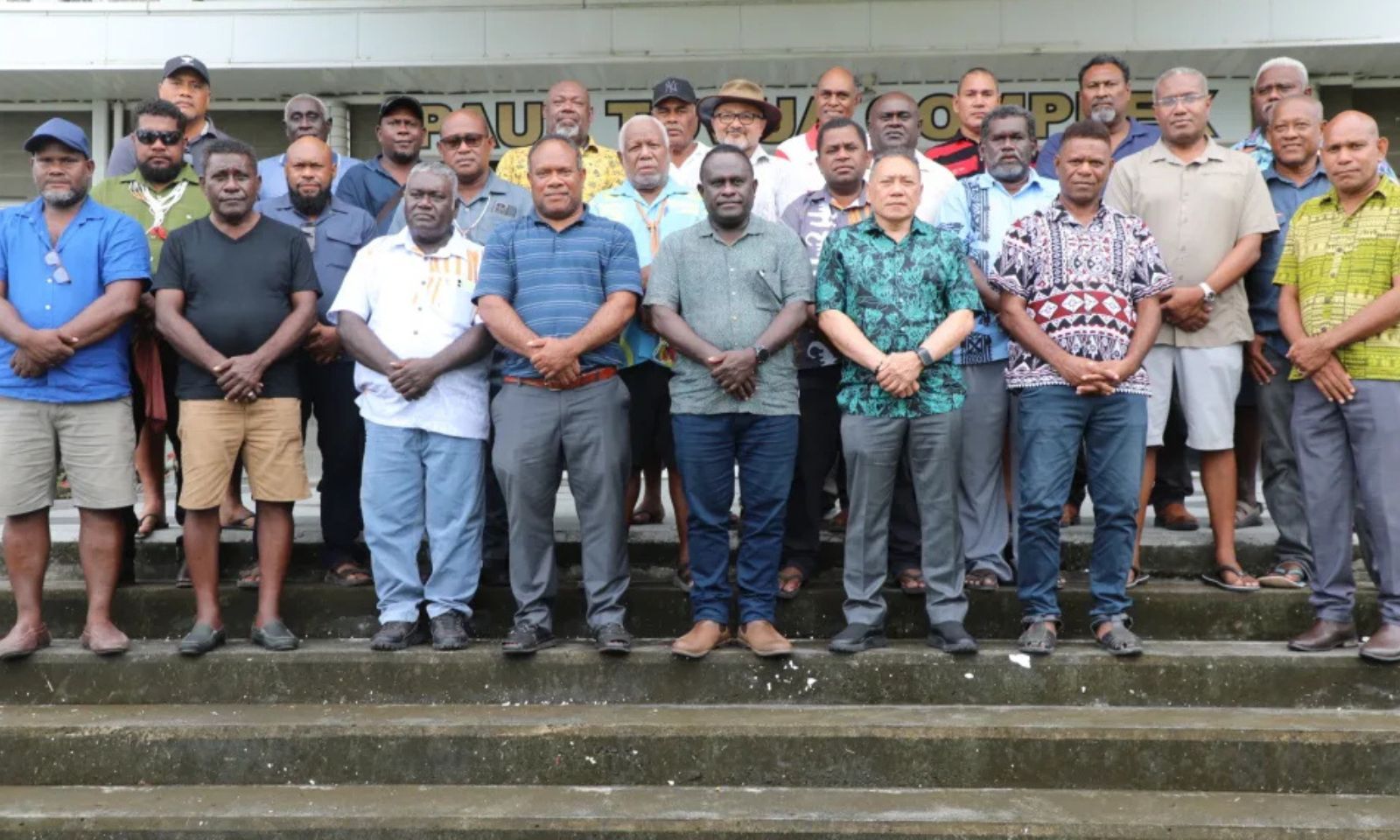
A coalition of opposition, independents, and People First MPs has filed a motion to oust Prime Minister Jeremiah Manele, as 19 government members break ranks amid a mounting political crisis. Photo/Office of the Leader of the Opposition
Manele insists he remains firmly in control and has dismissed talk of a crisis.
"What we are witnessing is not a constitutional crisis. It is a normal democratic process provided for under our Constitution, leadership may change within certain portfolios, but the machinery of government does not falter."
But those who have left his government see things very differently. Opposition MP Peter Kenilorea Jnr says the numbers are clear.
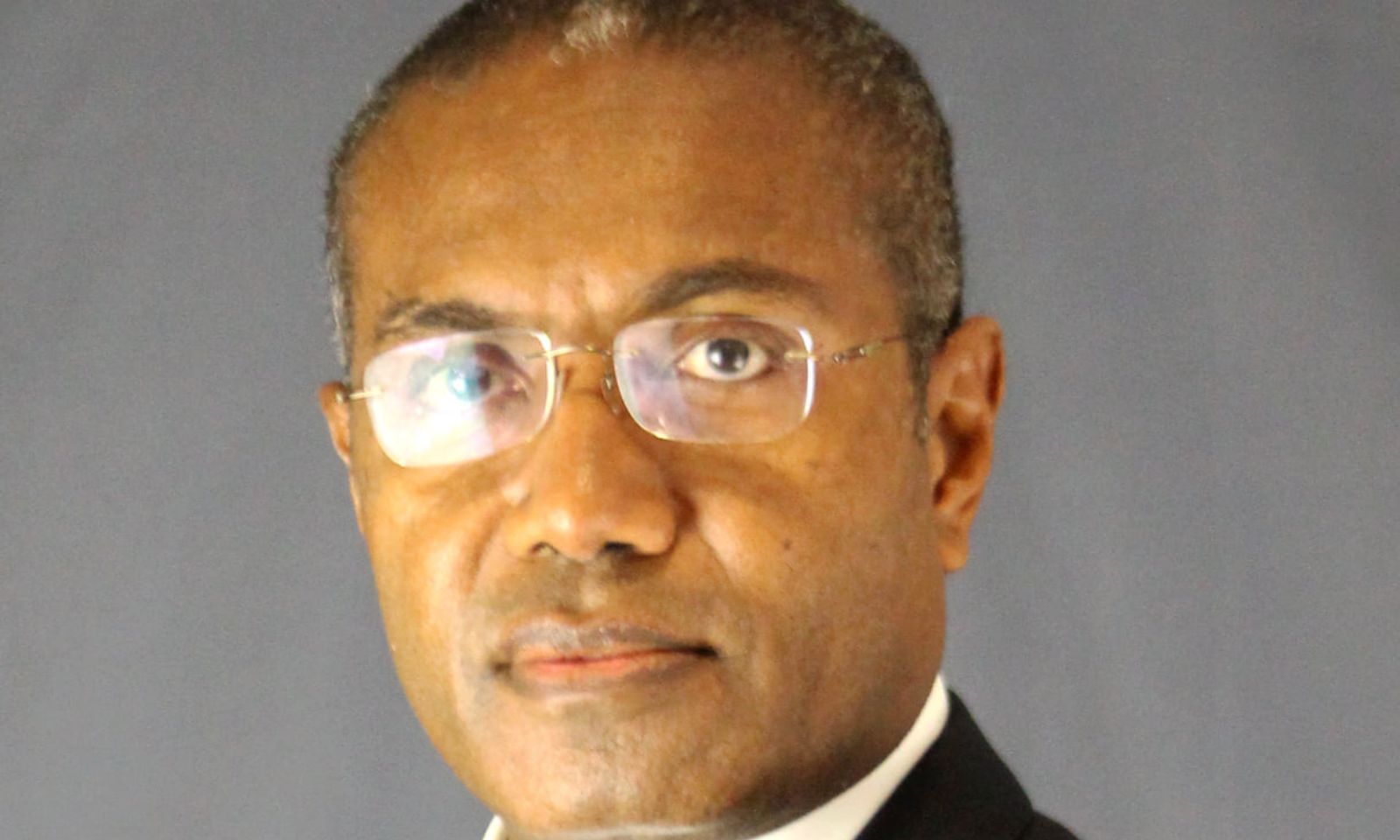
Opposition MP Peter Kenilorea Jnr says the prime minister has lost majority support and should face a vote in parliament.
"So for me it's clear, when a situation arises, like the mass resignation of GNUT [Government for National Unity and Transformation party] MPs and those MPs joining those in the opposition and independents with a [numerical] strength of 28 it shows that the PM has lost the support he needs to be PM," he said in a social media post.
"[Manele] is now in the minority. The honourable thing to do is either resign or test his support/numbers on the floor of parliament."
The opposition has already taken steps to force the issue, petitioning the Governor-General to convene parliament and consider a motion of no confidence.
But Manele has downplayed the move, calling the resignations “a matter of personal and political choice”. "Your government remains in office under the Constitution and continues to discharge its full responsibilities," he said.
He added that public services and national operations remain stable.
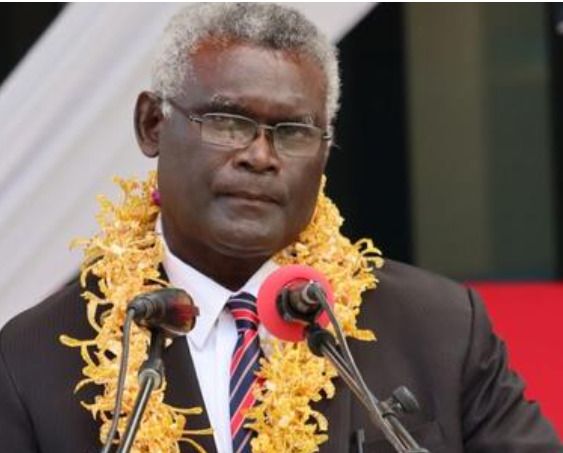
Veteran politician Manasseh Sogavare has returned to government as deputy prime minister amid the political shake-up. Photo/RNZ/Samuel Rillstone
At the centre of the shake-up is veteran politician Manasseh Sogavare, who has returned to government as deputy prime minister after being sworn in last week.
Sogavare, a four-time prime minister, was among ministers who resigned from Manele’s government last year but is now back in a key leadership role.
Meanwhile, former foreign minister Peter Shanel Agovaka, who also quit the government last week, has confirmed he was approached by the opposition to become prime minister if Manele is removed.
He told RNZ Pacific that he left because he could not "work with some of the ministers" who were "trying to push their own agendas".
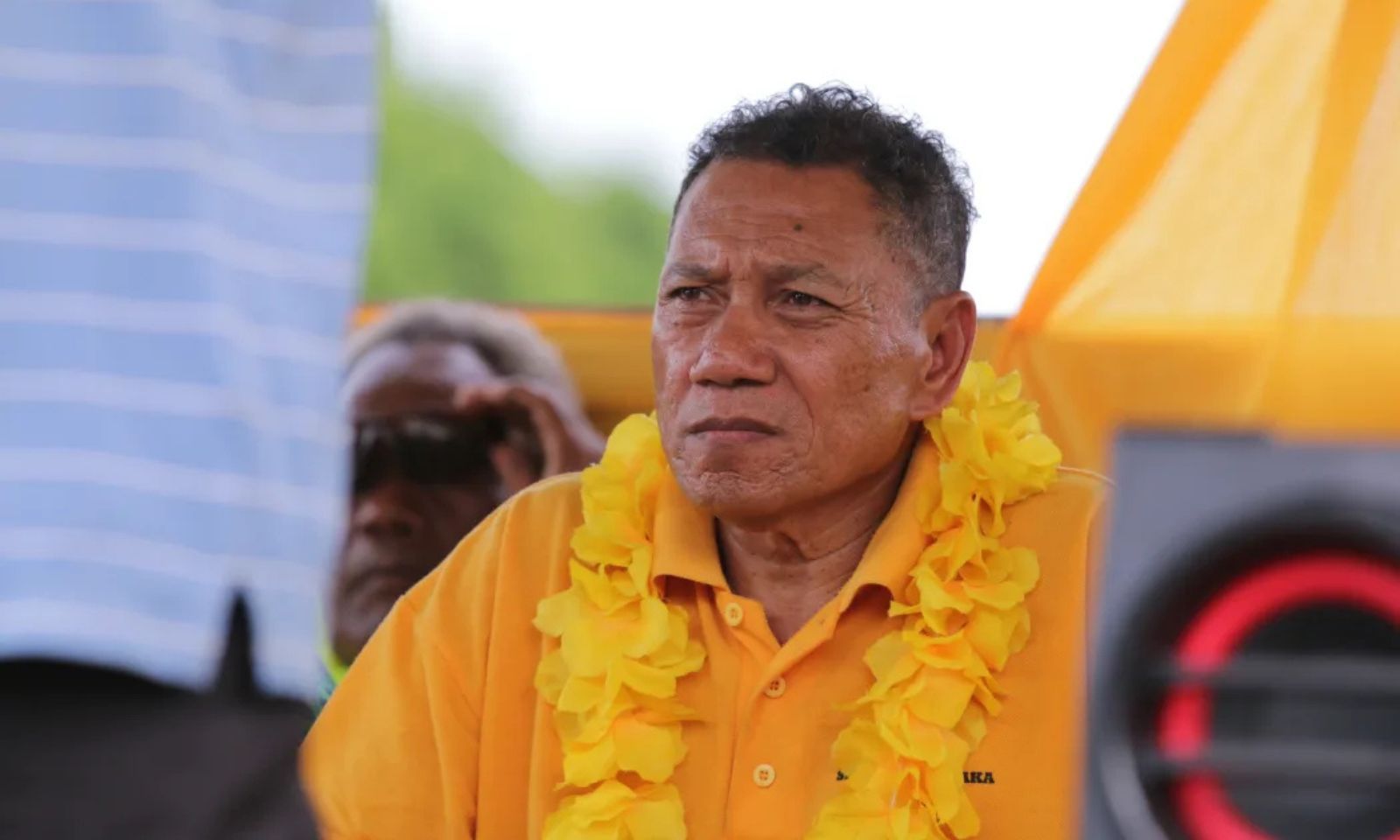
Former foreign minister Peter Shanel Agovaka has joined the opposition and is being considered as a possible prime minister. Photo/RNZ Pacific/Koroi Hawkins
Manele, who has been in power for less than two years, has already survived two leadership challenges. He says the only way to test his leadership is through a formal vote in parliament.
"This means that unless and until parliament meets and decides on such a motion, the elected prime minister remains duly in office," he told the media.
For now, the country remains in a political holding pattern with two sides claiming legitimacy, and the next move resting on when, or if, parliament is called.