
Tofiga Fepulea’i brings the laughs while taking top honours at Arts Pasifika Awards
Aui'a Vaimaila Leatinu'uFri, 23 Oct
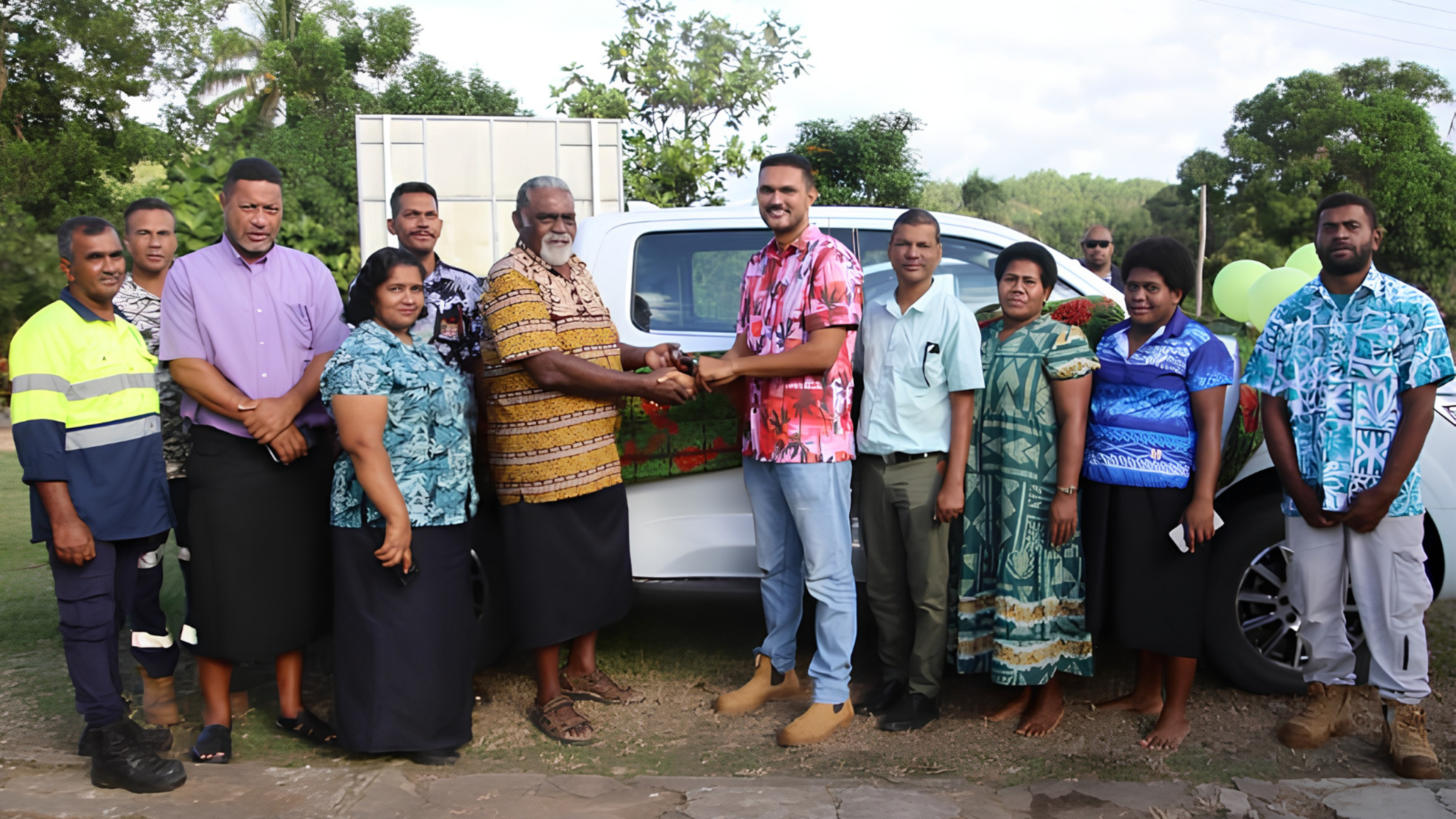
The Wainikoro upgrade will improve farm support across remote Macuata.
Photo/Ministry of Agriculture, Waterways and Sugar Industry Fiji
As Starlink expands across the Pacific, technology leaders say reliable electricity is now the biggest barrier to keeping remote schools, health centres and communities online.

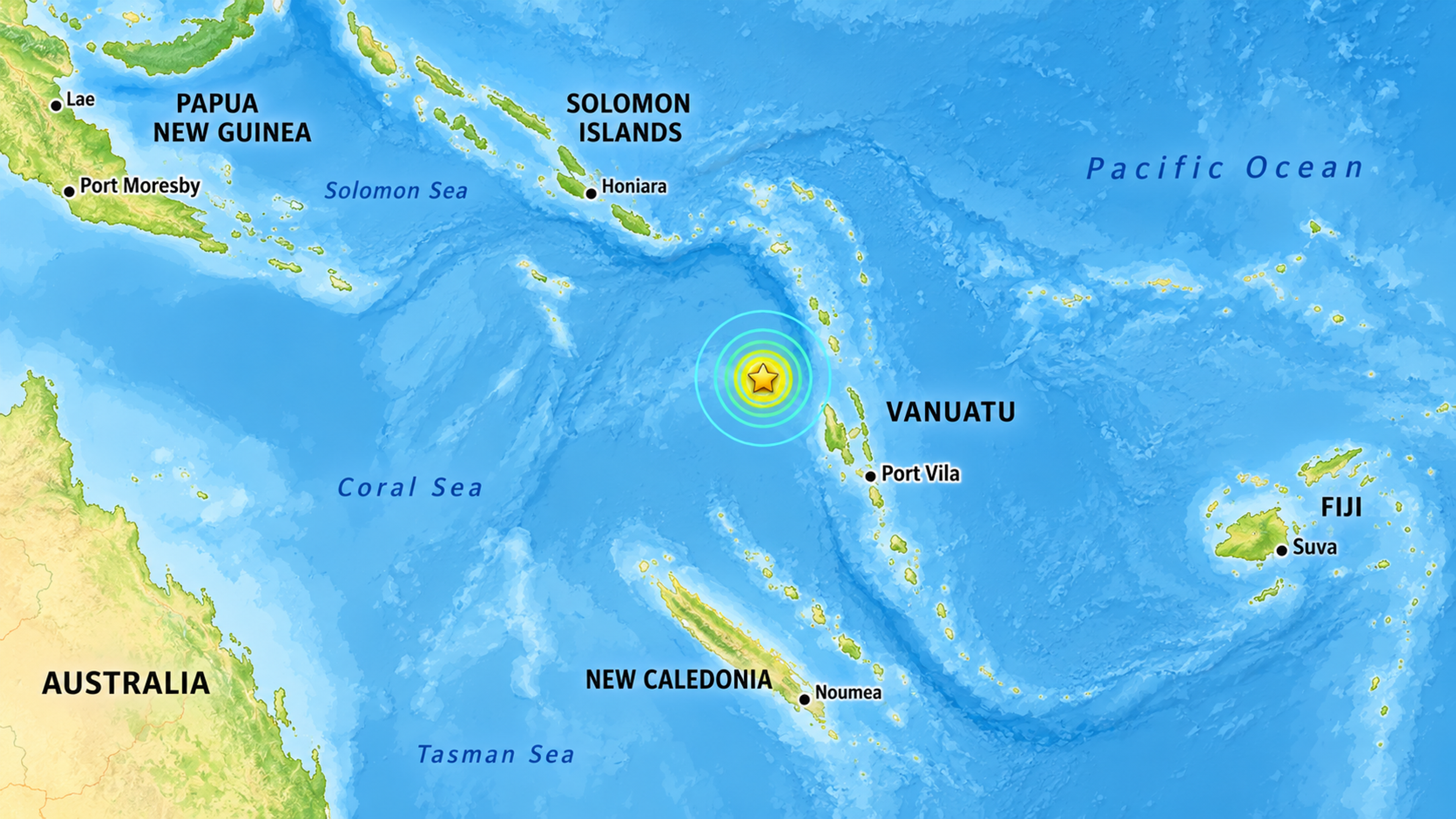

Reliable electricity, not internet access, is becoming the biggest obstacle to connecting remote Pacific communities.
While satellite services such as Starlink can now reach isolated communities, many schools, health facilities and homes still lack the power needed to keep the technology running.
Speaking with William Terite on PMN's Pacific Mornings, Richard Broadbridge, Lightspeed’s chief executive, said the conversation around digital connectivity has changed.
"The biggest challenge is power,” he said. “It's not about connectivity anymore. It's about providing power to connect the antenna."
Broadbridge said Lightspeed was addressing the challenge by pairing Starlink with portable solar generators.
"We're providing filtered or clean Wi-Fi into a school, and we're powering it with a very simple solar generator that keeps the Starlink and basic devices alive for up to two days."
Listen to Richard Broadbridge's full interview below.
Some communities are already seeing the benefits.
Earlier this year, about 4000 people in villages near Dorobisoro in Papua New Guinea's Central Province gained reliable internet and phone access through the PNG Tribal Foundation's Ghost Mountain Expedition Project.
Kauke Sibide, a community health worker, who has worked in the area for more than 40 years, told the National Indigenous Times the connection had transformed emergency healthcare.
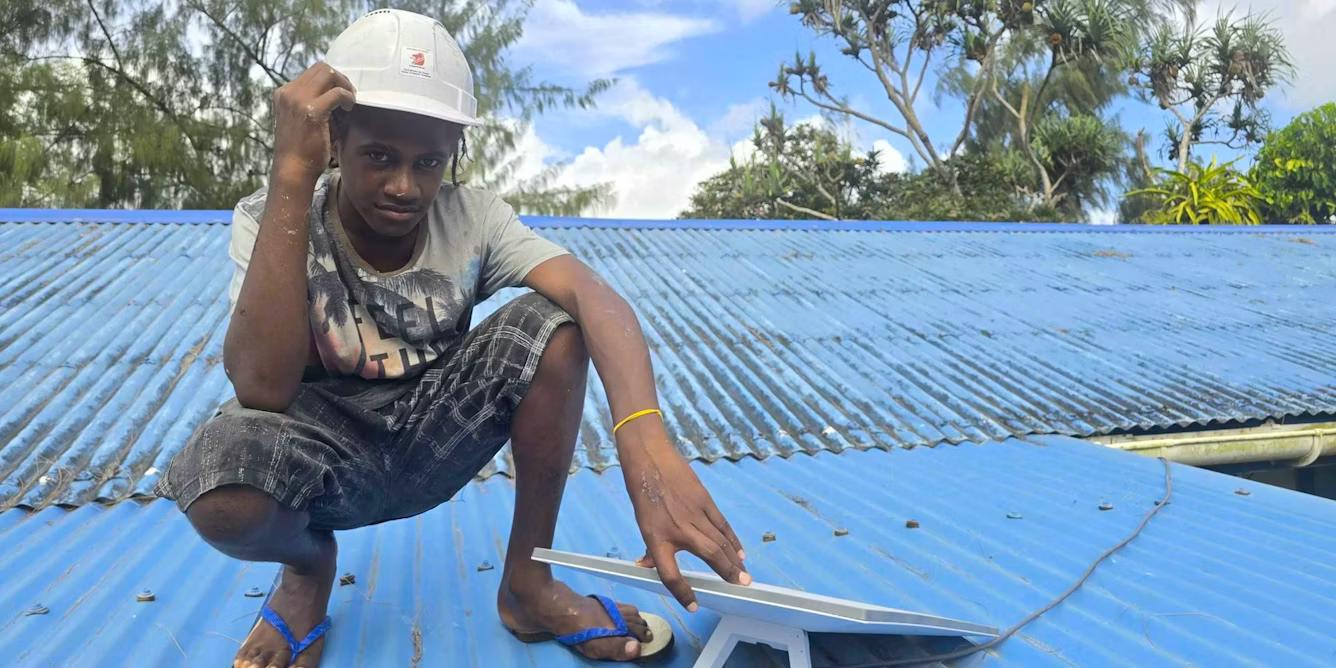
Solomon aligning the Starlink dish on the roof of his friend’s home in Vanuatu. Photo/The Conversation
"I can now call from here whenever an emergency arises and need assistance on a charter flight to move a sick patient," he said.
Governments and development partners are continuing to invest in satellite connectivity across the region.
In Papua New Guinea, the United States has committed US$30 million (NZ$49 million) to improve internet access for remote schools, health facilities, disaster centres, and government offices.
The US Embassy said planning for the programme was continuing, with an initial rollout expected to deliver Starlink kits and related services before expanding to more locations as infrastructure needs are assessed.
Acting Information and Communications Technology Minister Peter Tsiamalili Jr welcomed the investment, describing it as "a timely and practical commitment".
"For Papua New Guinea, satellite internet can help bridge the connectivity gap for rural and remote communities where geography, cost and infrastructure challenges remain significant," he said in a statement.
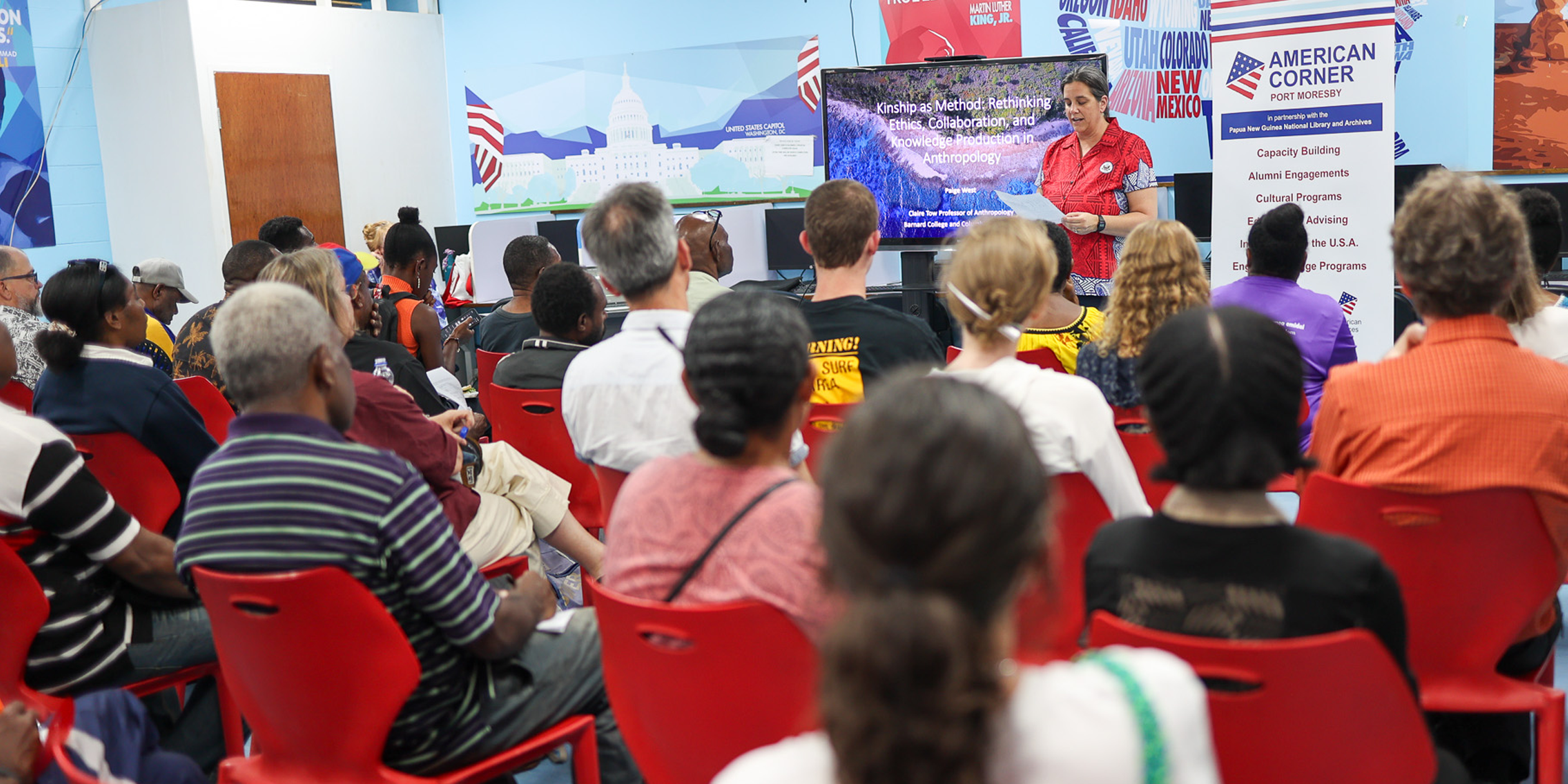
U.S. Embassy Public Affairs Officer, Sarah Sanderson officiating the event at the American Corner in Port Moresby, PNG, in July. Photo/US Embassy
Tsiamalili said satellite services would complement, rather than replace, existing mobile and fibre networks.
PNG is not alone. Across the Pacific, governments are increasingly turning to satellite internet to connect communities that traditional broadband has struggled to reach.
Last month, Fiji's Ministry of Agriculture launched Starlink services at Wainikoro Station in Macuata to improve communication with remote farming communities.
Agriculture Minister Tomasi Tunabuna told the National Indigenous Times the installation was "more than just the installation of an internet connection".
"It is a significant step forward in strengthening service delivery, improving communication, and creating better opportunities for our officers and the farming communities we serve."
Broadbridge said Lightspeed had been working with the Fijian government since 2024 to roll out Starlink services to rural schools and health centres, where many communities had relied on limited 2G and 3G coverage.

Milroy Cainton with his Starlink equipment in Vanuatu. Photo/Vanuatu Business Review
He said the company had also secured a contract with Save the Children to install Starlink and solar power in nine schools in Solomon Islands, as well as a community school contract in Papua New Guinea.
For many Pacific nations made up of scattered islands and rugged terrain, satellite internet is increasingly seen as one of the fastest ways to improve access to education, healthcare and government services.
But as satellite internet spreads across the region, the challenge is no longer reaching remote communities. It’s making sure they have the reliable electricity needed to stay connected.