Vanuatu slams door on airport HIV testing despite Fiji health crisis
Christine RovoiTue, 20 Oct
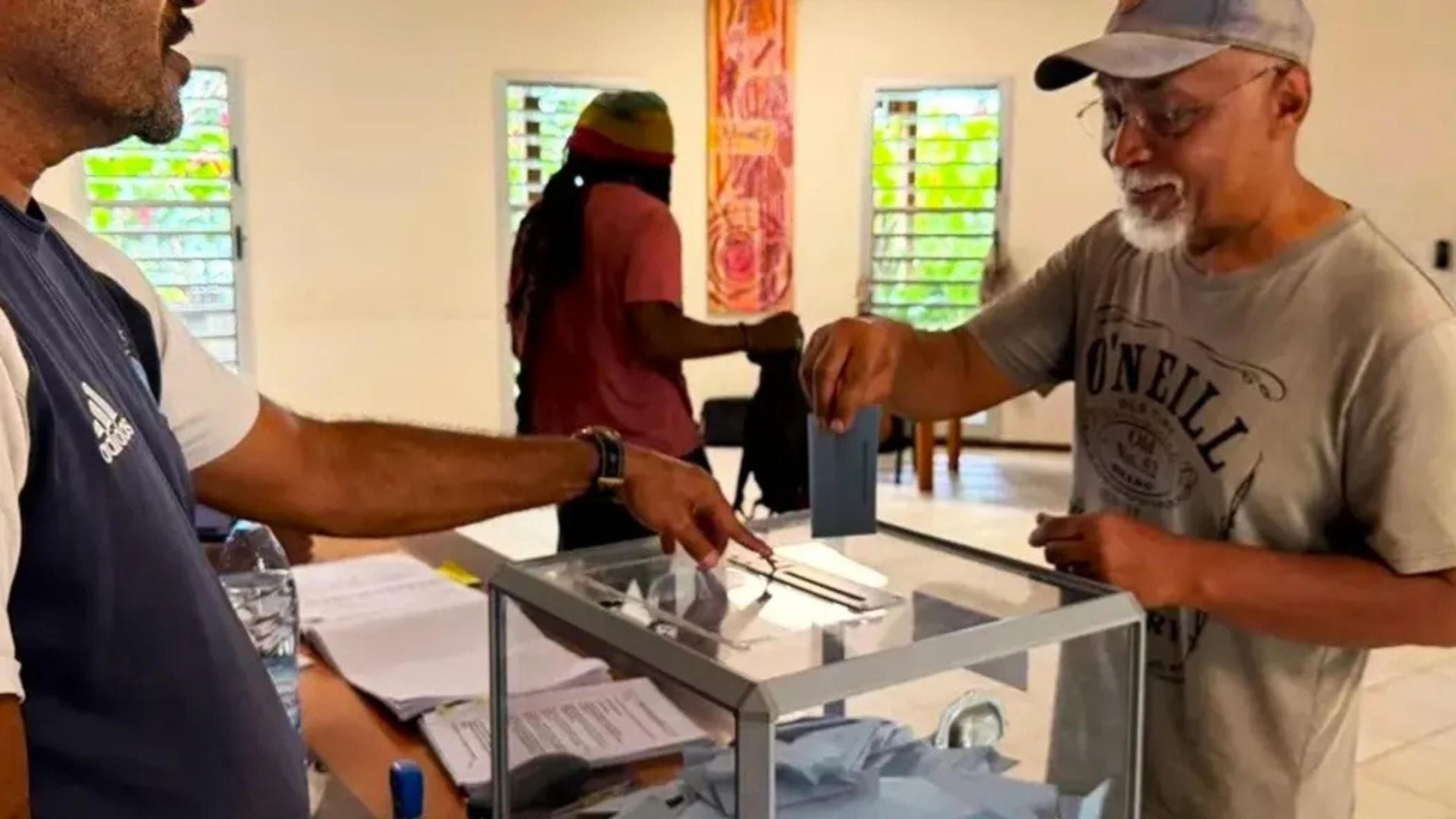
A polling station in Nouméa during a previous election. Concerns have been raised that a sharp reduction in voting sites ahead of New Caledonia’s provincial election could affect access for some communities.
Photo/NC la 1ère
Concerns have been raised about access to the ballot as critics warn it's now harder for some people to vote in the delayed provincial elections.

A major cut in the number of polling stations in New Caledonia’s capital has sparked a heated debate about access to the vote, less than two weeks out from a key provincial election.
French authorities have reduced the number of polling booths in Nouméa from 57 to just nine.
Concerns are growing among voters and observers about what the changes could mean for turnout.
Speaking from Nouméa, Nic Maclellan, Islands Business correspondent, says the decision could create real barriers for some communities especially in working-class areas with limited public transport on Sundays.
“Normally around Noumēa, the capital, there are 57 polling booths, town hall, held at schools, other public offices. This year they've been reduced to just nine,” Maclellan told William Terite on Pacific Mornings.
“In poorer working class suburbs in the north of the capital, Noumēa, without good bus services on Sundays, it may be difficult for some people to get to a polling booth."
He says the combination of fewer voting sites, limited transport, and a strong security presence is fuelling concern that some voters could be effectively shut out of the process.
Local debate is growing over whether the changes restrict access to the vote and raise concerns about democratic rights particularly for Indigenous Kanaks as well as Wallisian and Tahitian communities who are less likely to have private transport.
For the pro-independence movement, the changes to the electoral system are not just about logistics. They go to the heart of how decolonisation is meant to be delivered.
Watch Nic Maclellan's full interview below.
“The FLNKS [Kanak and Socialist National Liberation Front] is clear: we are not opposed to changes to the electoral rolls but only within the framework of a comprehensive agreement that confirms the path to decolonisation,” Emmanuel Tjibaou, President of the pro-independence Union Calédonienne (the largest party within the FLNKS coalition), said in a statement.
That position is also being echoed more broadly across the wider independence coalition, which says the rules governing who can vote are central to the political settlement with France.
“Electoral conditions are at the heart of the Nouméa Accord and not negotiable... [These issues are] at the heart of the decolonisation process,” a FLNKS communiquē read.
The voting changes come as New Caledonia prepares for its first provincial elections in more than seven years, after repeated delays following the unrest in 2024.
The upcoming vote will be New Caledonia's first provincial election in seven years.
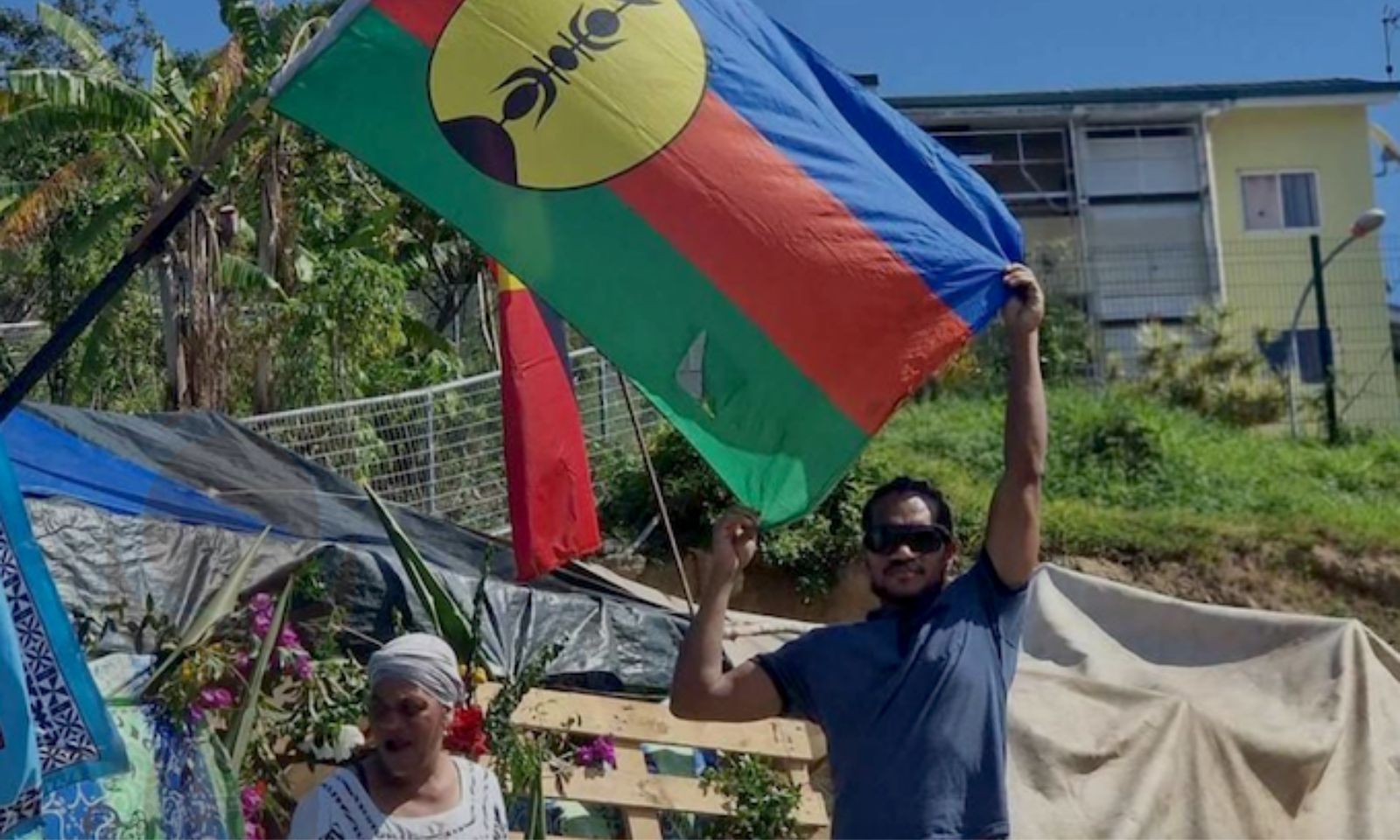
Indigenous Kanak voters are among those most affected by changes to electoral access rules ahead of New Caledonia’s provincial election. Photo/PANG
The last election was held in 2019, with subsequent polls delayed following political tensions and unrest.
Voters will head to the polls on 28 June to elect members of the Congress of New Caledonia, which plays a key role in shaping the territory's political future.
Beyond voting access, the election is also being shaped by the economic fallout from last year’s unrest.
That period of instability is still being felt across the economy and public services.
Maclellan says the territory’s economy suffered a sharp downturn, with gross domestic product falling by around 13.5 per cent in a single year.
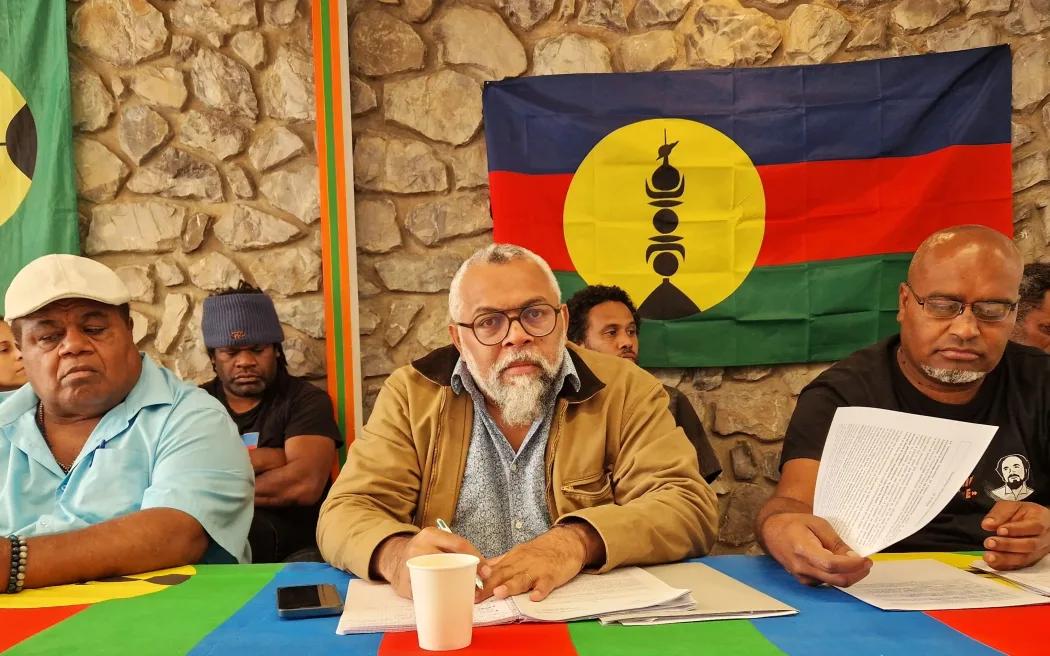
Pro-independence leader Emmanuel Tjibaou, middle, says electoral rules must remain tied to the wider decolonisation process under the Nouméa Accord. Photo/RRB
“Public transport has been badly disrupted and the economy suffered a terrible hit in 2024. It's still only slowly rebounding from that,” he said.
Beyond the politics, everyday pressures are shaping how people are thinking about the election.
Health services remain under strain, youth unemployment is high, and the nickel industry - once a key economic driver - has been heavily disrupted.
But on the other side of the political divide, loyalist leaders argue the current adjustments fall short of ensuring fair access and representation for all communities.
Sonia Backès, leader of the anti-independence Loyalist Bloc, has criticised the changes as unacceptable in their current form. The changes are “insufficient” and “democratically unacceptable", she told media.
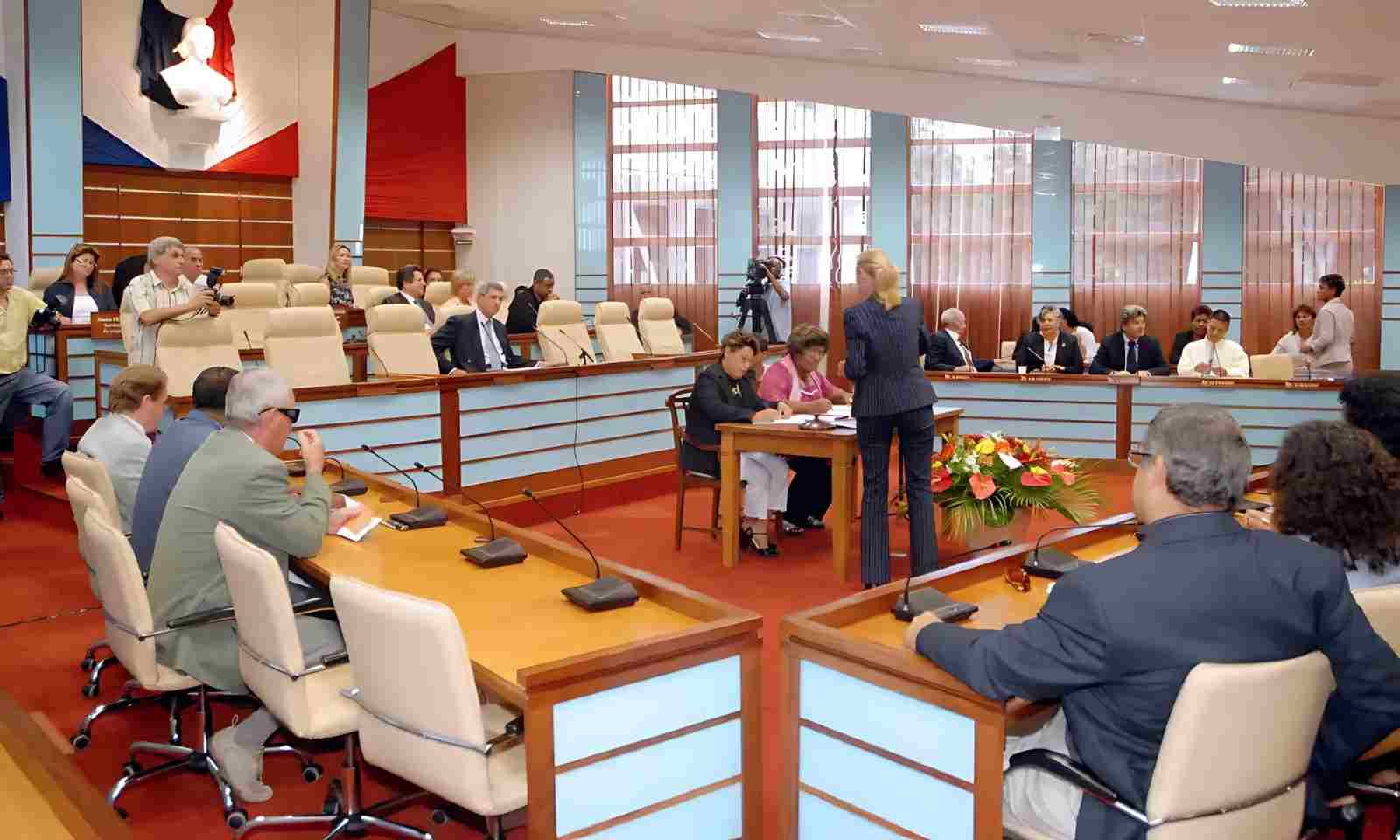
The French High Commissioner's decisions to reduce polling booths in Nouméa have sparked debate over fairness and voter access across the capital. Photo/NC la 1ère
Despite those challenges, the political contest remains deeply divided.
In the Southern Province, anti-independence parties have formed a rare united front in an effort to consolidate support.
At the same time, the pro-independence bloc is facing internal splits, with divisions emerging beyond the traditional FLNKS structure.
Maclellan says the wider political uncertainty is being shaped by developments far beyond the territory, including France’s own political future ahead of its 2027 presidential election.
"Can there be a new agreement crafted over the next year before the French presidential elections which are due in May 2027, less than a year away.
"I think a lot of people feel that there won't be an agreement until New Caledonia's work out who's the next French president," Maclellan told Terite.
With President Emmanuel Macron unable to stand again, he says longer-term decisions on New Caledonia’s status are unlikely to move forward in the short term.
“The vast majority of Indigenous Kanak support independence," Maclellan said. "A significant proportion of the non-Kanak population, particularly Europeans, want to stay with France.
"That's an unresolved debate that underlies everything that is on the table in these elections.”
Maclellan says a final agreement on sovereignty may remain out of reach until there is greater clarity on leadership in Paris and unity on the ground in New Caledonia itself.