Fiji’s new $200 litter fine sparks calls for councils to clean up too
Elenoa TuragaiviuThu, 03 Sep
Oil is back above US$100 a barrel as the US-Iran conflict reignites, putting upward pressure on fuel prices.
Photo/PMN Composite/RNZ
The ongoing US-Iran war is raising fears of higher fuel, transport and living costs across Aotearoa and the region.




A conflict thousands of kilometres away could soon be felt across the Pacific, with rising global oil prices threatening to push up fuel, transport and household costs in Aotearoa New Zealand and island nations that rely heavily on imported energy.
The latest escalation between the United States and Iran has sent oil markets, with concerns the conflict could spread further across the Middle East and create more pressure on global fuel supplies.
Al Gillespie, an international law expert, said the biggest concern is not only whether the war continues, but whether it expands.
"The risk is not that the fight between Iran and America continues; it's that it spreads, and that it worsens in terms of the technologies involved.
“[It’s] possible now that you're going to see it start to involve Saudi Arabia and potentially the Houthis in Yemen as they try to close off the Red Sea," he said.
Speaking with William Terite on Pacific Mornings, Satish Ranchhod, Westpac Senior Economist said there is a risk fuel prices will rise if tensions continue to worsen.
Listen to Satish Ranchhod's full interview below.
However, he said petrol prices have not reacted as previous spikes because fuel retailers have existing supplies.
"We've actually been pleasantly surprised that we haven't seen much of an increase so far.
“Normally we see those pump prices rising pretty quickly, but with retailers having inventories, prices have stayed low for a while,” he said.

Rising global oil prices linked to the Middle East conflict could put further pressure on Pacific households and economies, with many island nations heavily reliant on imported fuel. Photo/PMN News/Ala Vailala
According to fuel finding app Gaspy, New Zealand’s average fuel price currently sits at $2.94 per litre for Unleaded 91 and $2.52 per litre for diesel.
But Ranchhod warned renewed pressure on global prices could push petrol costs back above $3 a litre.
"At current global levels, you could realistically see those pump prices rising well above $3 a litre, potentially rising up to $3.10, $3.20.
“If prices overseas stay where they are, there's definitely that upside risk for New Zealand consumers," he said.
The impact would not be limited to drivers.
Listen to Al Gillespie's full interview below.
Across the Pacific, many island nations are heavily reliant on imported fuel for transport, electricity generation and shipping. Higher fuel costs can quickly flow through to the price of food, goods and essential services, adding pressure to communities already facing rising living costs.
In Aotearoa New Zealand, Pacific households are also likely to feel the impact through higher transport and everyday expenses as inflation remains at a two-year high.
Figures released by Stats NZ this week showed annual inflation at 4.1 per cent, with petrol prices among the biggest contributors to the increase, up 27.5 per cent over the year.
Ranchhod said if global oil prices remain high, inflation pressures could continue for longer.
“If oil prices stay where they are, however, we could see that inflation rate remaining high for longer.
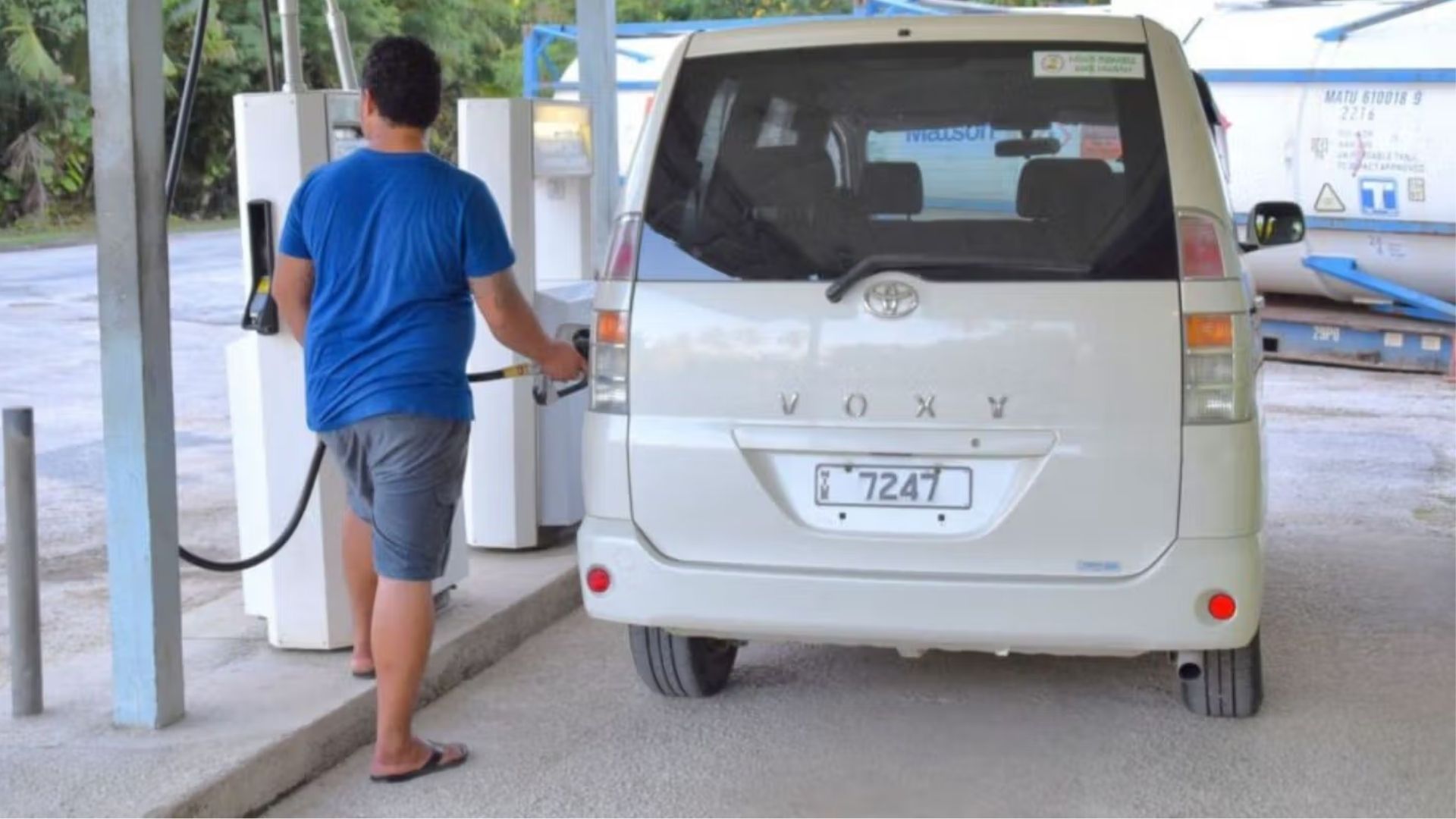
Pacific communities face the flow-on effects of global fuel shocks, with higher transport and energy costs threatening to increase pressure on families, businesses and essential services across the region. Photo/niuepocketguide.com
“Not just petrol, because of course if petrol prices go up, it affects transport costs and flows through the economy more broadly," he said.
Ranchhod said the Reserve Bank would be watching closely for further inflation pressures, with higher interest rates a possible response.
"The Reserve Bank has already started to hike interest rates to try and get inflation down, but they know they can't offset increases in global oil prices that have already occurred.
"While those higher interest rates might help to limit inflation, it does mean more pressure on households' and businesses' costs, and it does mean that we're likely to see softer economic growth and a softer labour market,” he said.
For Pacific communities across the region, the concern is that a conflict far away could create another wave of pressure on household budgets, transport costs and essential services.
Watch NZ Finance Minister Nicola Willis respond to criticism over comments she made about rising fuel prices.