
‘Soul resuscitation’: Pioneering Vagahau Niue and cultural connection down South
Atutahi Potaka-DewesFri, 23 Oct

Travellers who booked their Fiji holidays before September will not face the five per cent Tourist Services Tax charge, even if their trip is still to come.
Tourism Fiji
Travel groups welcome Fiji’s decision to exempt existing bookings from the five per cent levy as the government says the temporary tax will help protect the national airline and the wider economy.



Travel industry groups are welcoming the Fiji government’s decision to spare existing holiday bookings from its new five per cent Tourism Services Tax (TST).
But the government says the temporary levy is needed to help keep the country’s national airline flying.
The tax came into effect on Tuesday 1 September, 2026 but will now only apply to new bookings made from that date.
That means travellers who booked their Fiji holidays before September will not face the five per cent charge, even if their trip is still to come.
Travel Agents’ Association of New Zealand (TAANZ) says the decision brings huge relief to Kiwi families who have already paid for their trips.
"This gives Kiwi travellers the certainty they needed," Julie White, TAANZ chief executive, says."Those who made their bookings before 1 September can now travel knowing they will not face an unexpected additional tax on an existing booking."
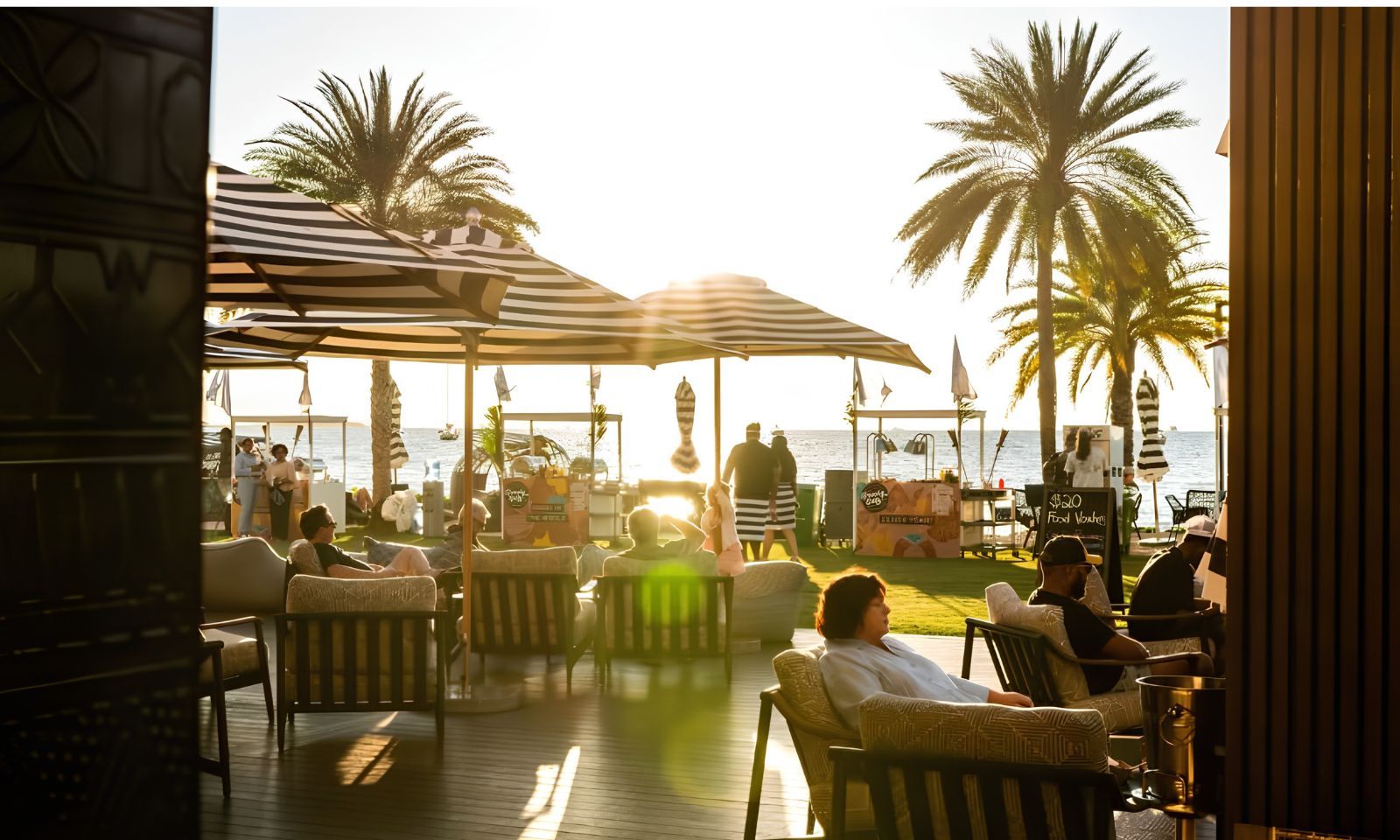
Travel Agents’ Association of New Zealand (TAANZ) says Fiji is incredibly important to the New Zealand travellers. Photo/Tourism Fiji
She earlier told William Terite on Pacific Mornings the industry’s concern was not about Fiji introducing the tax but how it would apply to bookings already made.
“Fiji is incredibly important to the New Zealand travellers and our travel industry, we want Kiwis to travel to Fiji with confidence,” White said. “And getting this implementation right will actually help achieve that.”
White says the travel sector is pleased the Fijian government listened to its concerns and adopted a practical transition.

Travel Agents’ Association of New Zealand (TAANZ) Chief Executive Julie White. Photo/TAANZ
Fantasha Lockington, Fiji Hotel and Tourism Association Chief Executive, also welcomes the exemption, saying it gives visitors who had already planned and paid for their holidays greater certainty.
“It restores fairness for visitors who planned their holiday in good faith, and it removes a real source of confusion and the higher risk of booking cancellations for the industry,” Lockington told FBC News.
“We also acknowledge the Government's advised commitment to listening to industry and working collaboratively on policies that support sustainable economic growth."
Lockington had earlier opposed the tax, warning it could affect tourism growth and visitor numbers.
Why Fiji says it needs the tax
The five per cent TST applies to tourism businesses with turnovers of NZ$1.69 million and above, and covers specific tourism services for a 12-month period.
The Fijian government says the temporary measure is linked to growing financial pressure on Fiji, as fuel and other international aviation costs rise.
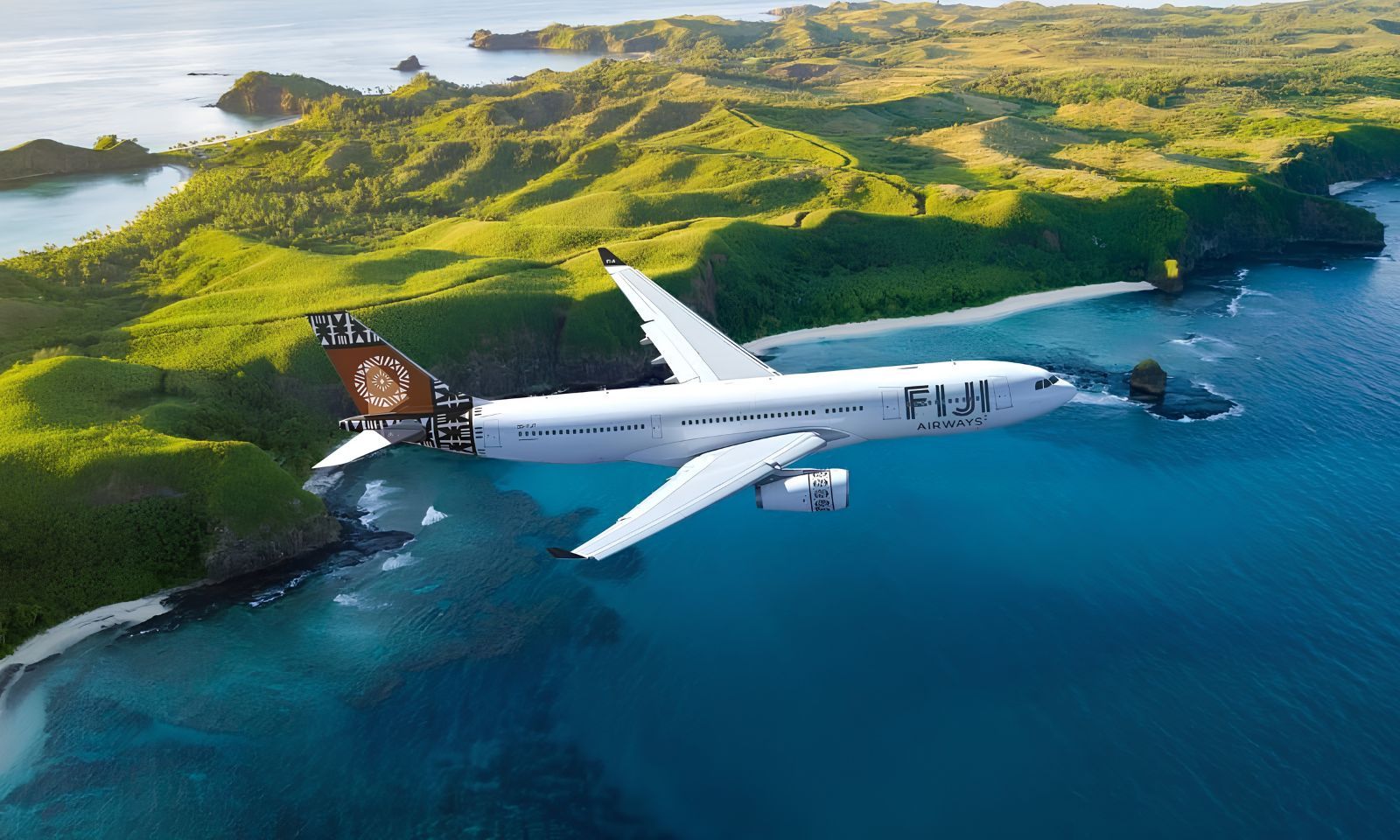
The Fijian government has defended the tax as a way to help financially support the national carrier, Fiji Airways. Photo/Fiji Airways
Minister for Tourism and Civil Aviation, Viliame Gavoka, has defended the tax as a way to help financially support the national carrier.
According to the Fiji Sun, Gavoka said Fiji Airways needs NZ$30.8 million a month to meet fuel-related costs, while the new tax is expected to raise about NZ$53.9 million.
Minister for Finance Esrom Immanuel says the government consulted the industry from June and moved the tax’s start date three times to give businesses more time to prepare.
The government has also warned that a 20 to 30 per cent cut in Fiji Airways flights would hit the wider economy.
Deputy Prime Minister Manoa Kamikamica says continued support for the airline is needed because of its role in tourism, business, investment and the movement of Fijians.
“Fiji Airways is not only just an airline, it is very much the lifeline of the Fijian economy,” Kamikamica told the Fiji Sun.
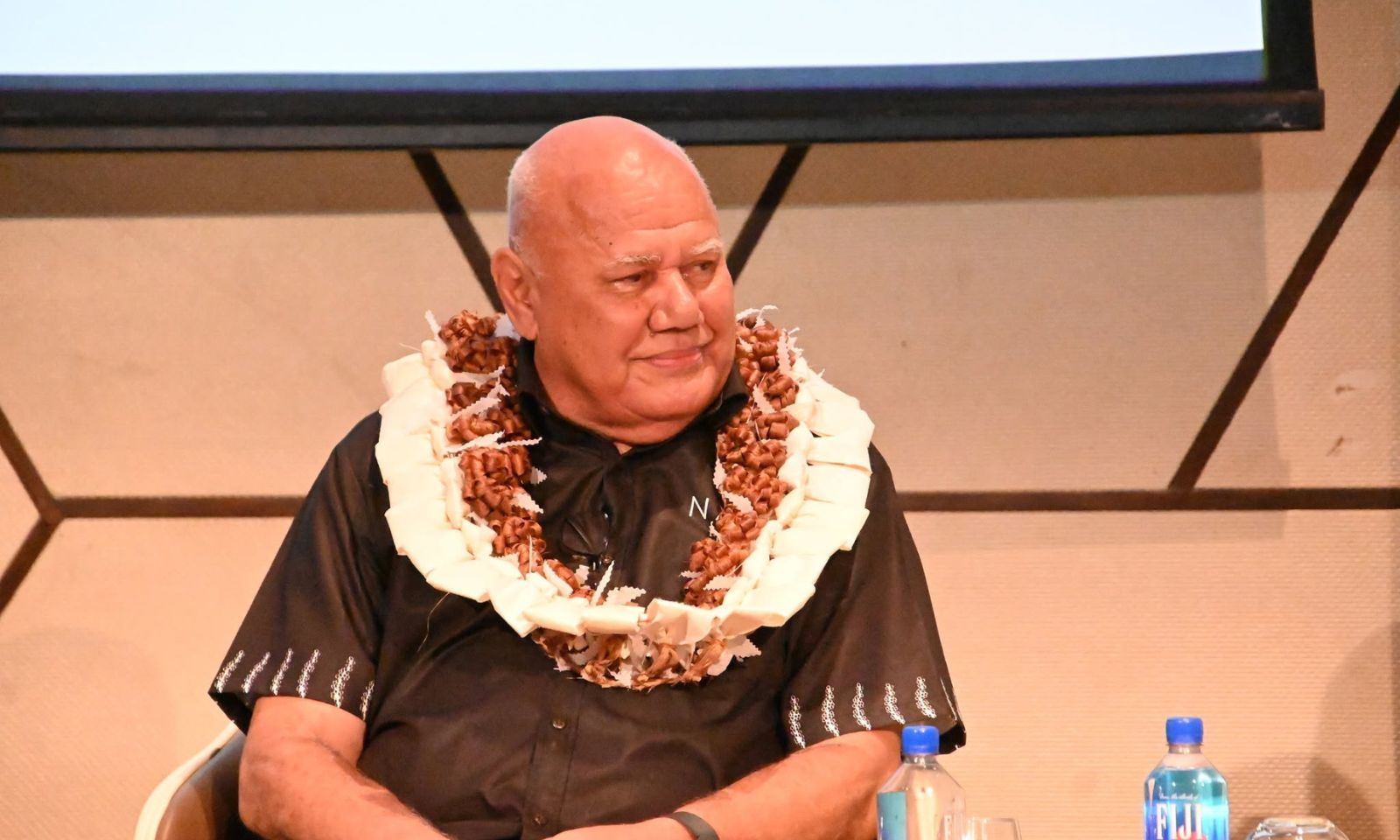
Fiji's Minister for Tourism and Civil Aviation Viliame Gavoka. Photo/Ministry of Tourism
He said rising fuel costs had put further pressure on the airline and that cutting flights could have effects well beyond aviation.
“The worst thing that could have happened if we had not given any assistance and let us say they cut the flights by 20 per cent or 30 per cent, that directly impacts the whole economy,” he said.
Kamikamica said fewer flights could mean lower Value Added Tax (VAT) and other tax collections, slower economic activity and reduced investor confidence.
He says the tax is temporary and is expected to remain for one to two years while Fiji Airways works towards financial recovery.
Listen to TAANZ CEO Julie Whites' full interview on Pacific Mornings below.