
Fiji reviews suspected cyber breach at Suva regional organisation
Christine RovoiThu, 15 Oct
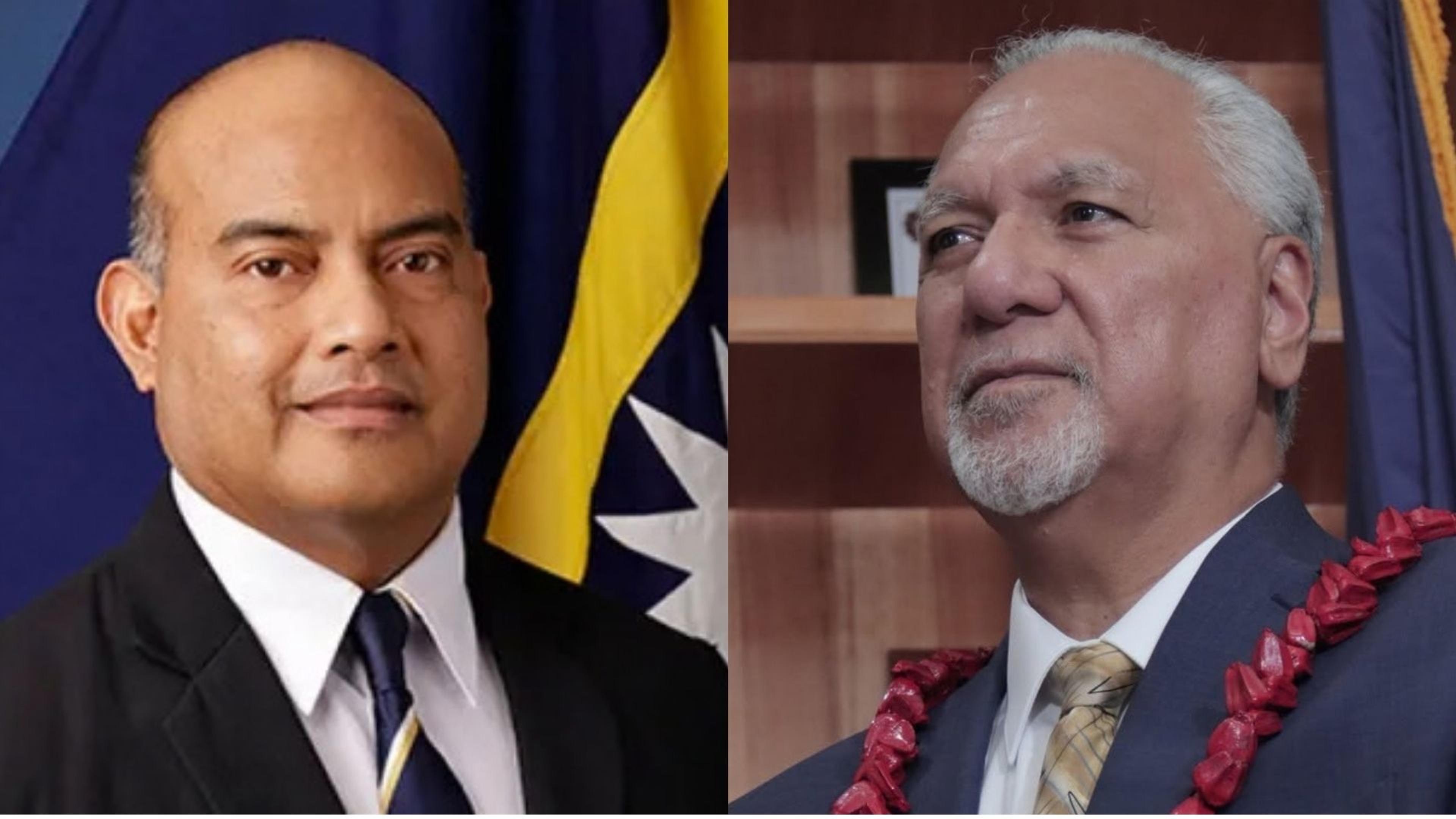
Naoero President David Adeang and American Samoa Governor Pulaali’i Nikolao Pula pictured together, as Pacific concerns over deep-sea mining and the management of ocean resources come under international scrutiny.
Photo/Pacific Island Forum/Facebook/Governor Pulaali’i Nikolao Pula
American Sāmoa opposes a US lease sale as Naoero urges ISA on rules for commercial mining.


A growing divide over deep sea mining in the Pacific has been laid bare at the United Nations General Assembly in New York this week.
American Sāmoa is rejecting commercial extraction from the United States while Naoero, formerly Nauru, is calling for international rules to be completed on seabed mining.
American Sāmoa Governor Pulaali’i Nikolao Pula has formally opposed the proposed US lease sale covering more than 31 million acres of seabed around the territory.
The proposed leases are for the Outer Continental Shelf off American Sāmoa and could open the way for commercial extraction of minerals from the ocean floor.
The US government is targeting a lease sale for November.
Pula says American Sāmoa does not support commercial deep sea mineral extraction at this time and warned there are still major gaps in understanding the possible effects on the ocean, fisheries and the territory's economy.
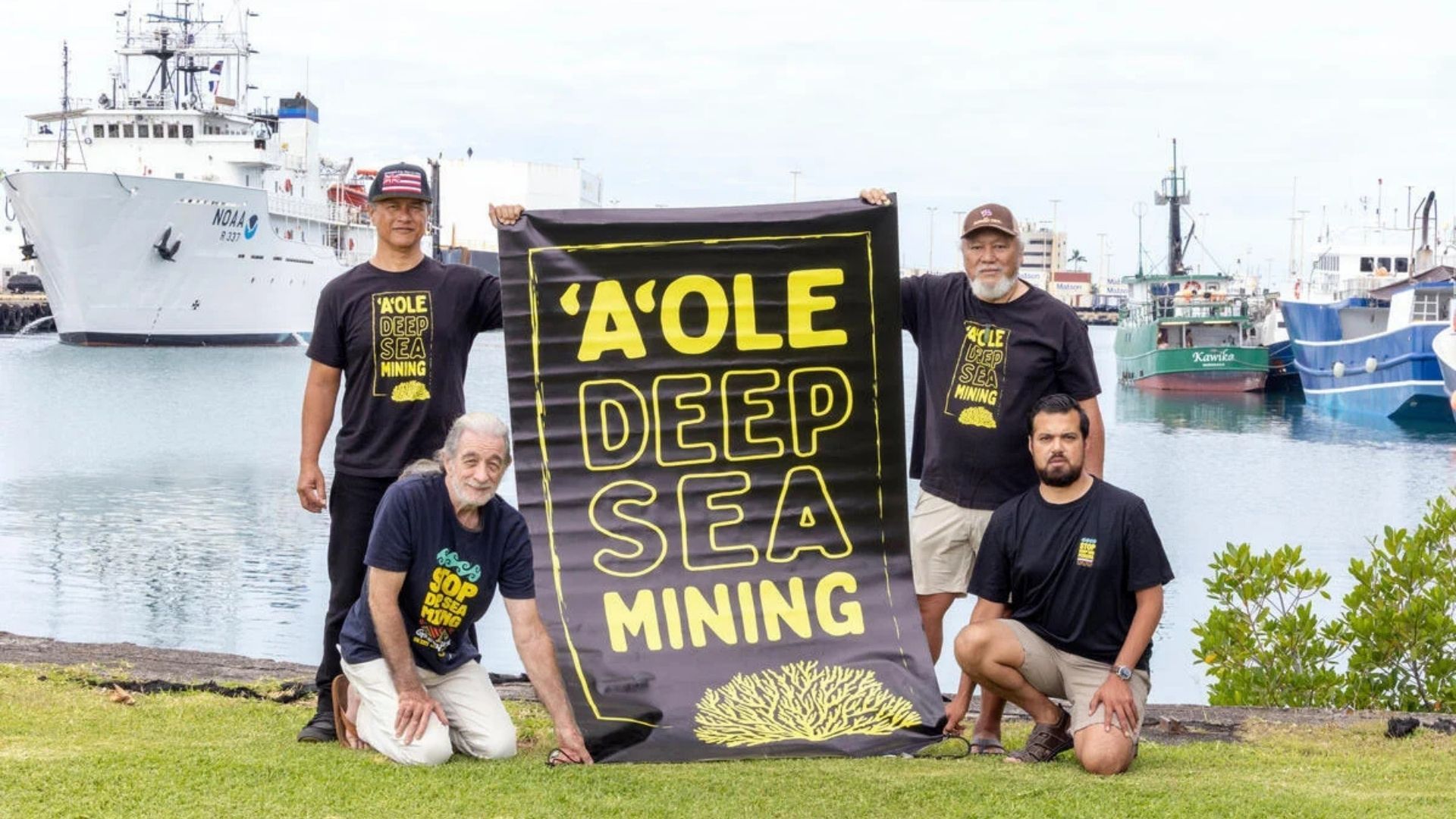
American Samoa is opposing commercial deep-sea mineral extraction, with Governor Pulaali’i Nikolao Pula calling for more research into potential impacts on ocean ecosystems, fisheries and the marine environment. Photo/Greenpeace
“My position remains clear: American Sāmoa does not support commercial deep-sea mineral extraction at this time,” Pula wrote in response to the US Department of the Interior and Bureau of Ocean Energy Management (BOEM).
“There remain too many unanswered questions about the potential effects of large-scale mineral extraction on deep-ocean ecosystems, fisheries, and the broader marine environment. Until those questions are better understood, moving into commercial mining would be premature."
Pula says any early activity should be limited to scientific and environmental research. “Learn first. Protect what sustains us. Make informed decisions.”
Listen to American Sāmoan environment group Finafina member Dr Sabrina Suluai-Mahuka's full interview earlier on Pacific Mornings.
“If the leaseholder wants to move from research to commercial mining, that step must be treated as a completely different matter, subject to comprehensive, independent environmental reviews and full territorial consultation,” Pula said.
The American Sāmoa position comes as Naoero President David Adeang used his address to the UN General Assembly to push for the International Seabed Authority (ISA) to complete its rules for deep sea mining.
Naoero is one of the Pacific states sponsoring exploration in the Clarion-Clipperton Zone, an area of the Pacific seabed being assessed for mineral resources.
Adeang said Naoero had been waiting for the rules for years and called for the process to move forward.
“We were told then that we were rushing. That was five years ago, and today the rules remain unwritten,” Adeang told the General Assembly.
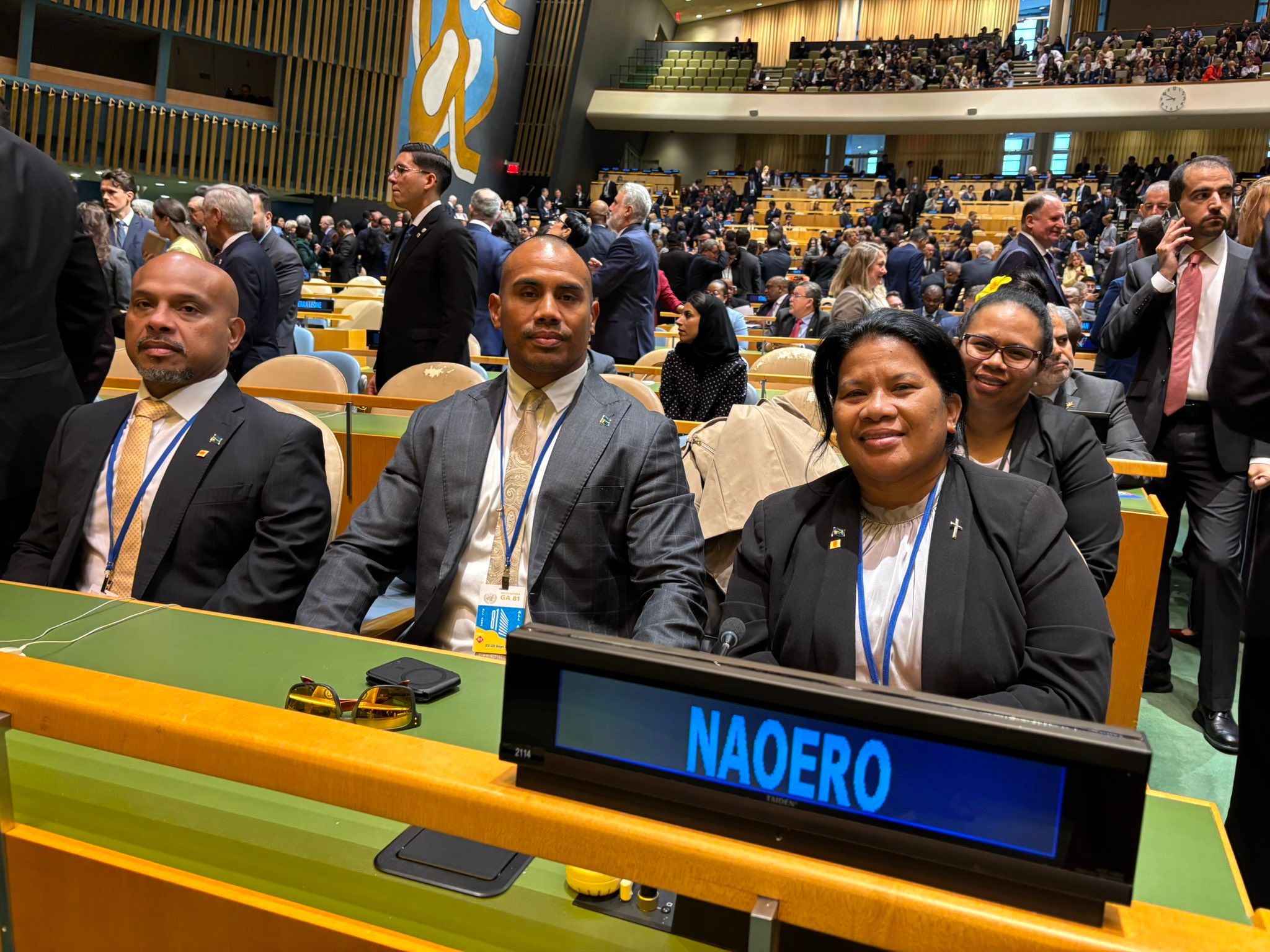
The Naoero delegation at the United Nations General Assembly where President David Adeang has called for international rules governing deep sea mining to be completed. Photo/Pacific Islands Forum
“A principle declared in 1970 and a bargain struck in 1994, both in this hall, still wait for the rules that would give them effect. When a multilateral process cannot deliver, the world does not stand still... Adopt the rules. Let the waiting end.”
Adeang has said Naoero supports responsible development of seabed minerals while warning that delays could lead countries to act without a completed multilateral framework.
Pacific civil society says the issue is also about whether governments have the same information as companies involved in seabed exploration.
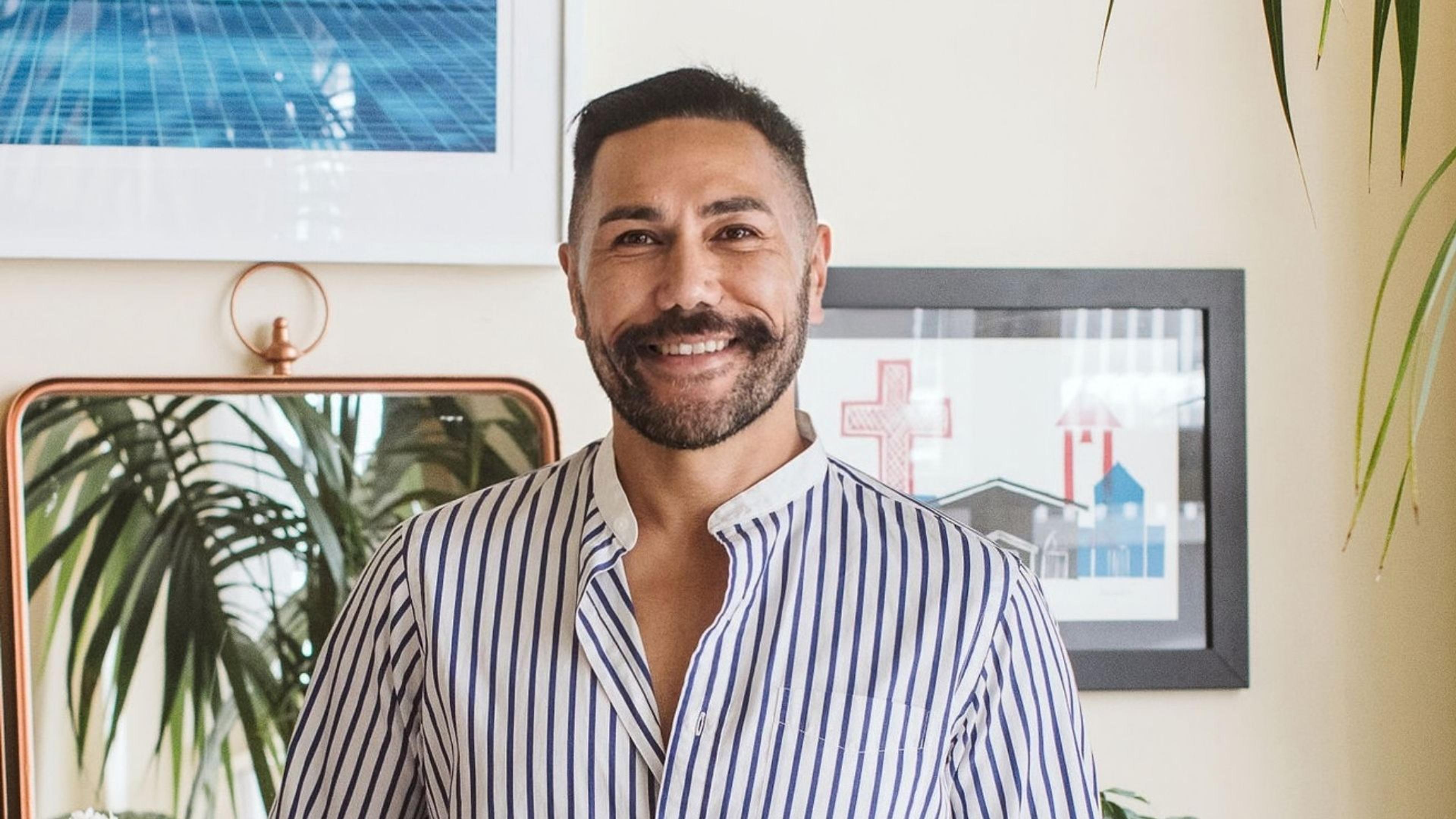
Taholo Kami, Strategic Adviser to Blue Prosperity Fiji and a former Fiji COP23 Special Envoy for Oceans, says Pacific countries need to make sure the science is in place before signing agreements.
“Any agreement we’ve signed without equal information to the information that the company has, we lose. It leads to exploitation. "That’s the history of mining in the Pacific,” Kami said during a plenary session at the 8th Pacific Media Summit (Pre-COP31 session) organised by the Pacific Islands News Association (PINA) in Savusavu, Fiji, this week.
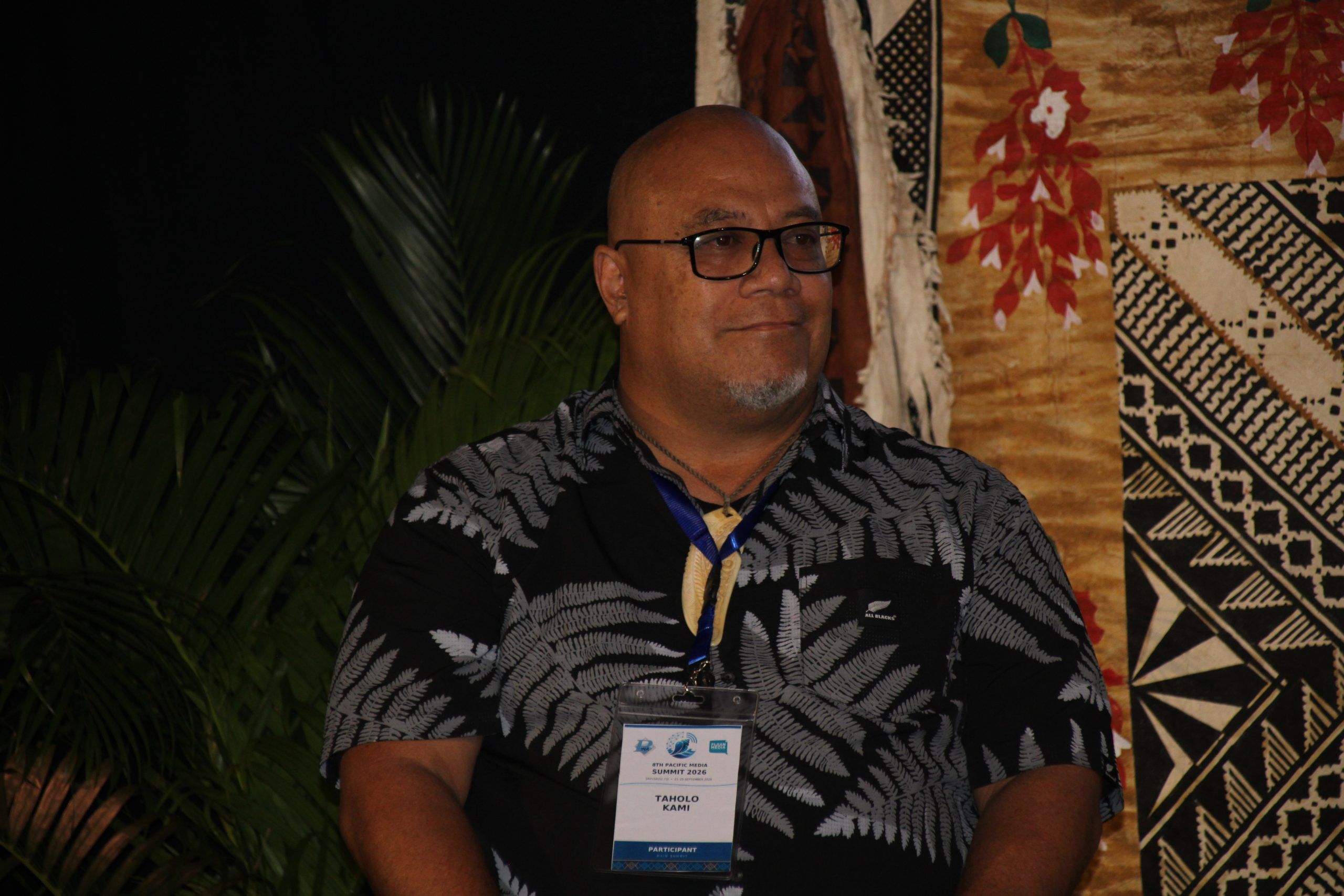
Taholo Kami, Strategic Adviser at Blue Prosperity Fiji and former Fiji COP23 Special Envoy for Oceans, says Pacific countries need access to the same information as mining companies before agreements are made. Photo/PINA
“It’s not about anti-seabed mining. It’s about doing the right thing at the right time... All we should be calling for is let's make sure the research is done before we sign anything.”
The issue also comes as Pacific leaders and scientists push for stronger regional research and evidence to shape decisions about the ocean.
Speaking at the Fifth Pacific Ocean Pacific Climate Change Conference in Honiara last week, Solomon Islands Prime Minister Matthew Wale called for Pacific science to have a greater role in policy and international decision-making.
“To the scientists and academics here, I say: produce knowledge that can travel beyond the journals and conference halls. To policymakers, I say: create pathways through which evidence changes laws, budgets, and public investment," Wale said.
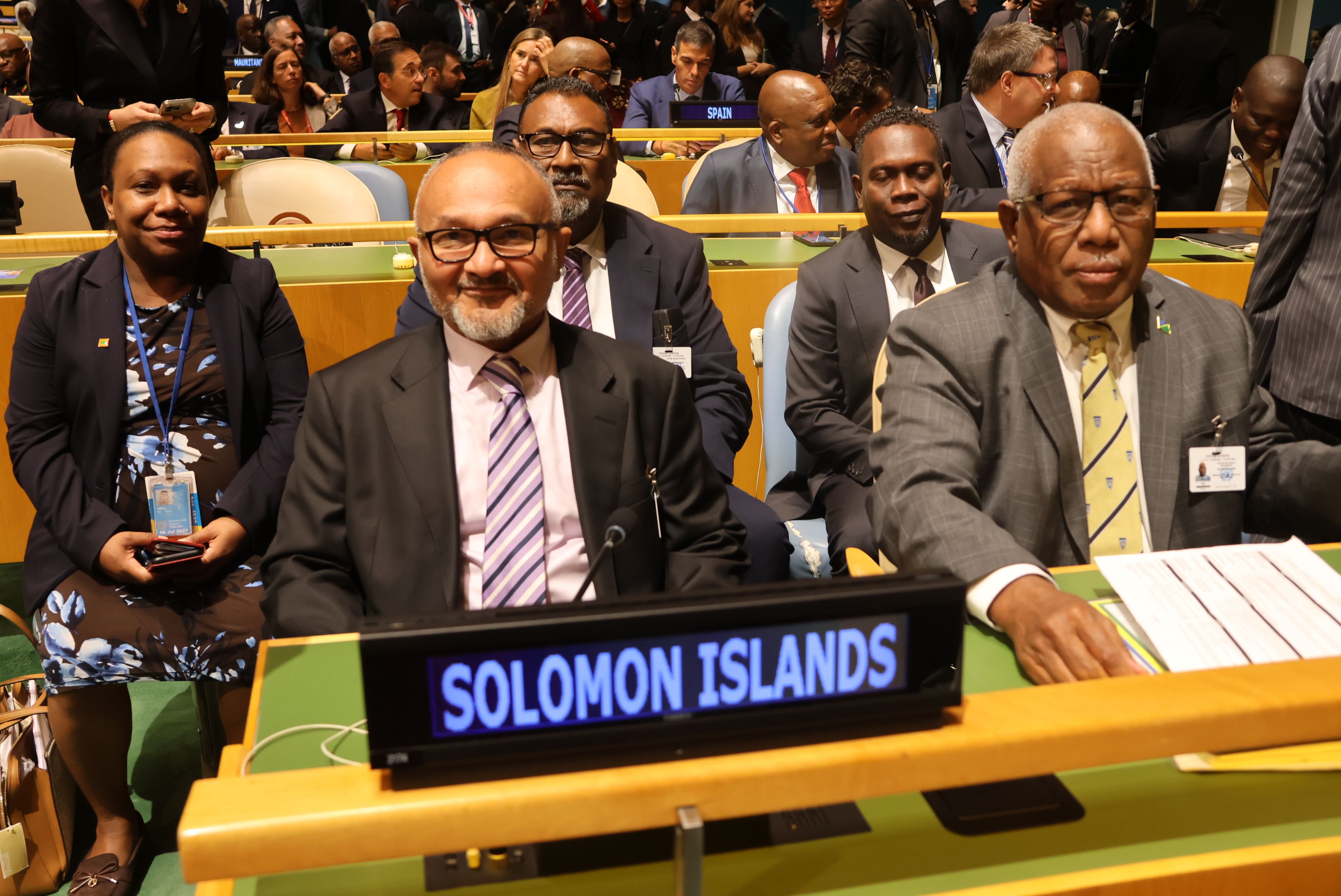
Solomon Islands Prime Minister Matthew Wale, Foreign Affairs Minister Rick Hou and Development Planning Minister Peter Kenilorea Junior at the 81st United Nations General Assembly in New York. Photo/Pacific Islands Forum
Kami has also urged Pacific media to keep following deep sea mining and the information available to Pacific countries as negotiations and exploration continue.
The debate comes as the US moves towards its first proposed deep sea mining lease sale in domestic waters while several Pacific countries have called for moratoriums or bans on commercial seabed mining in their waters.
Kami says the issue is no longer only about what lies beneath the ocean floor but who gets to decide how those resources are used and whether the risks are properly understood first.