
Tofiga Fepulea’i brings the laughs while taking top honours at Arts Pasifika Awards
Aui'a Vaimaila Leatinu'uFri, 23 Oct
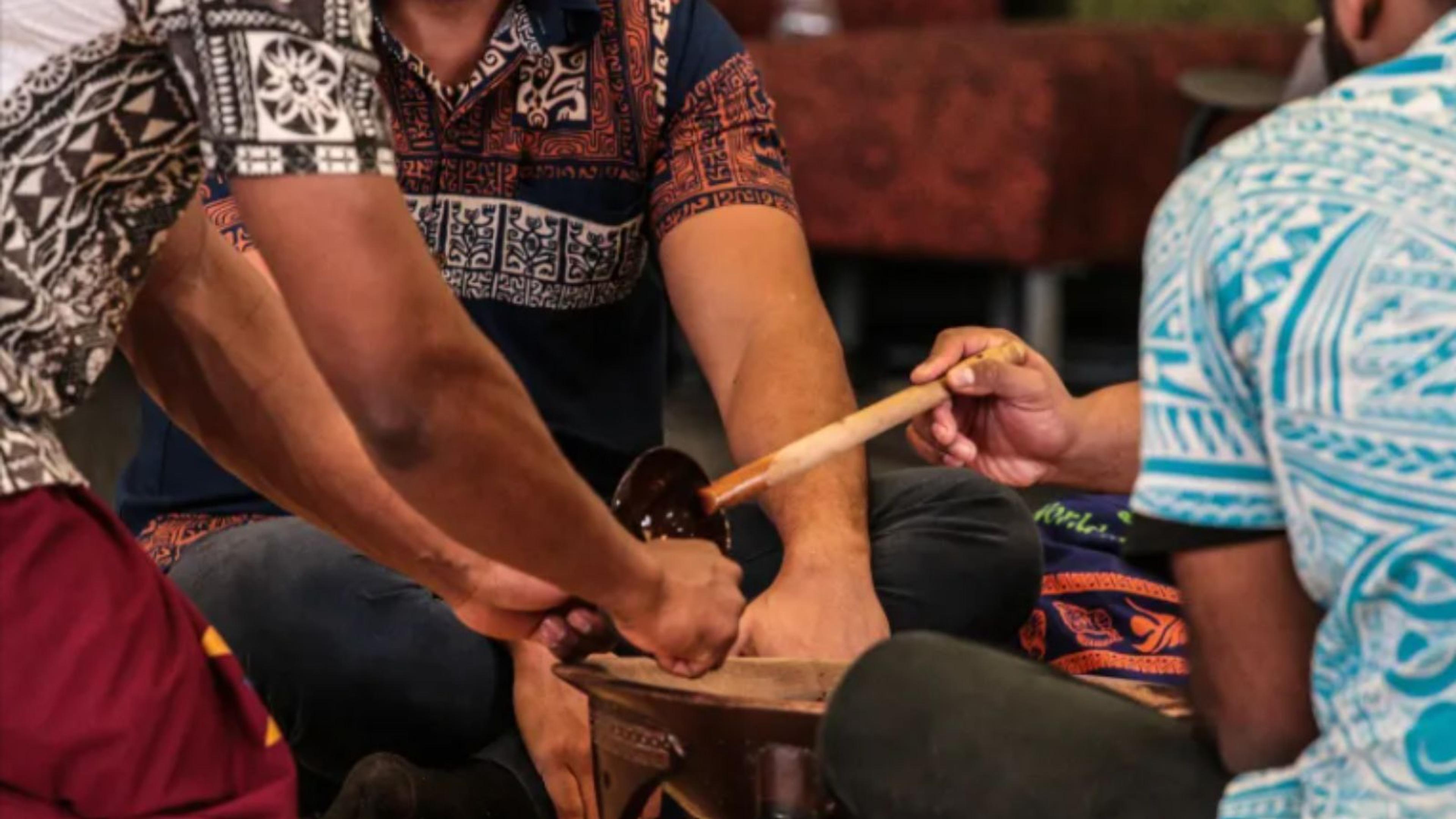
Fijian students at the Victoria University of Wellington conduct a sevusevu (Kava Ceremony) to start off Fiji Language Week.
Photo/RNZI/Koroi Hawkins/file
The new Kava Declaration gives the region a united position on protecting the cultural and economic value of kava. However, growers, exporters and experts say the harder fight is still ahead.

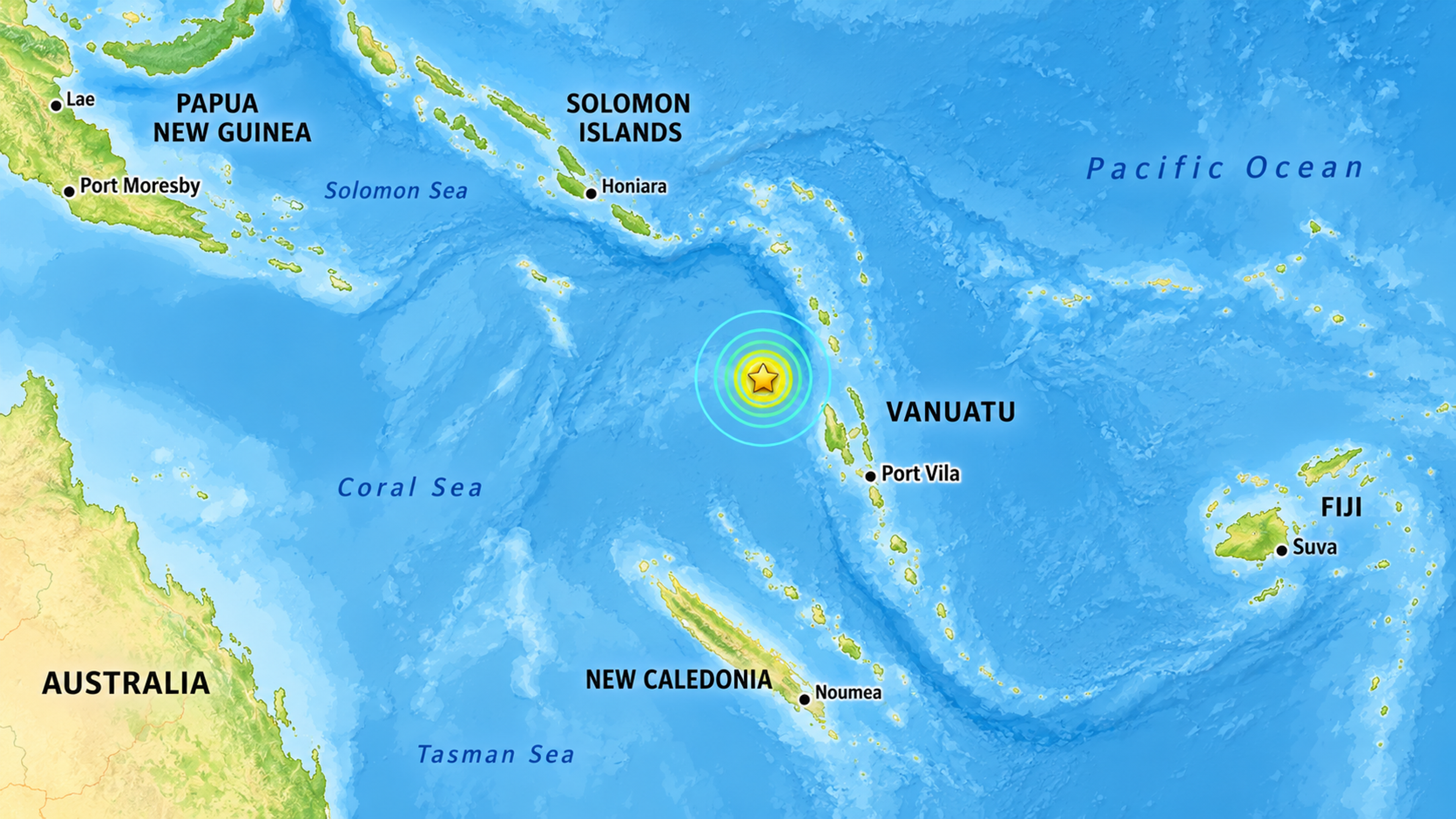


Pacific leaders say kava is theirs but the name is already being claimed in the United States.
The new Kava Declaration gives the region a united position on protecting the cultural and economic value of kava. But growers, exporters and experts say the harder fight is still ahead.
Pacific leaders have drawn a line around kava, declaring it a unique Pacific cultural and economic asset and calling for its origins, traditional knowledge and heritage to be protected.
But the declaration comes as the name ‘Pacific Kava’ is already being claimed in the United States while island nations themselves remain divided over how kava should be traded.
That leaves a big question after last week’s Pacific Islands Forum in Palau: what does the new KAVA Declaration actually mean for growers and communities that have cultivated and used kava for generations?
Leaders formally endorsed the KAVA Declaration at the Forum, recognising kava as a Pacific cultural and economic asset and saying protecting its Pacific origins was important to its future international trade.
Listen to Dr Apo Aporosa's full interview below.
But turning that political agreement into protection on the ground will not be simple.
One of the biggest challenges is already outside the Pacific.
The American Kava Association has filed a US trademark application for ‘Pacific Kava Certified’, which covers dried kava and live kava plants grown on or near California's Pacific Coast.
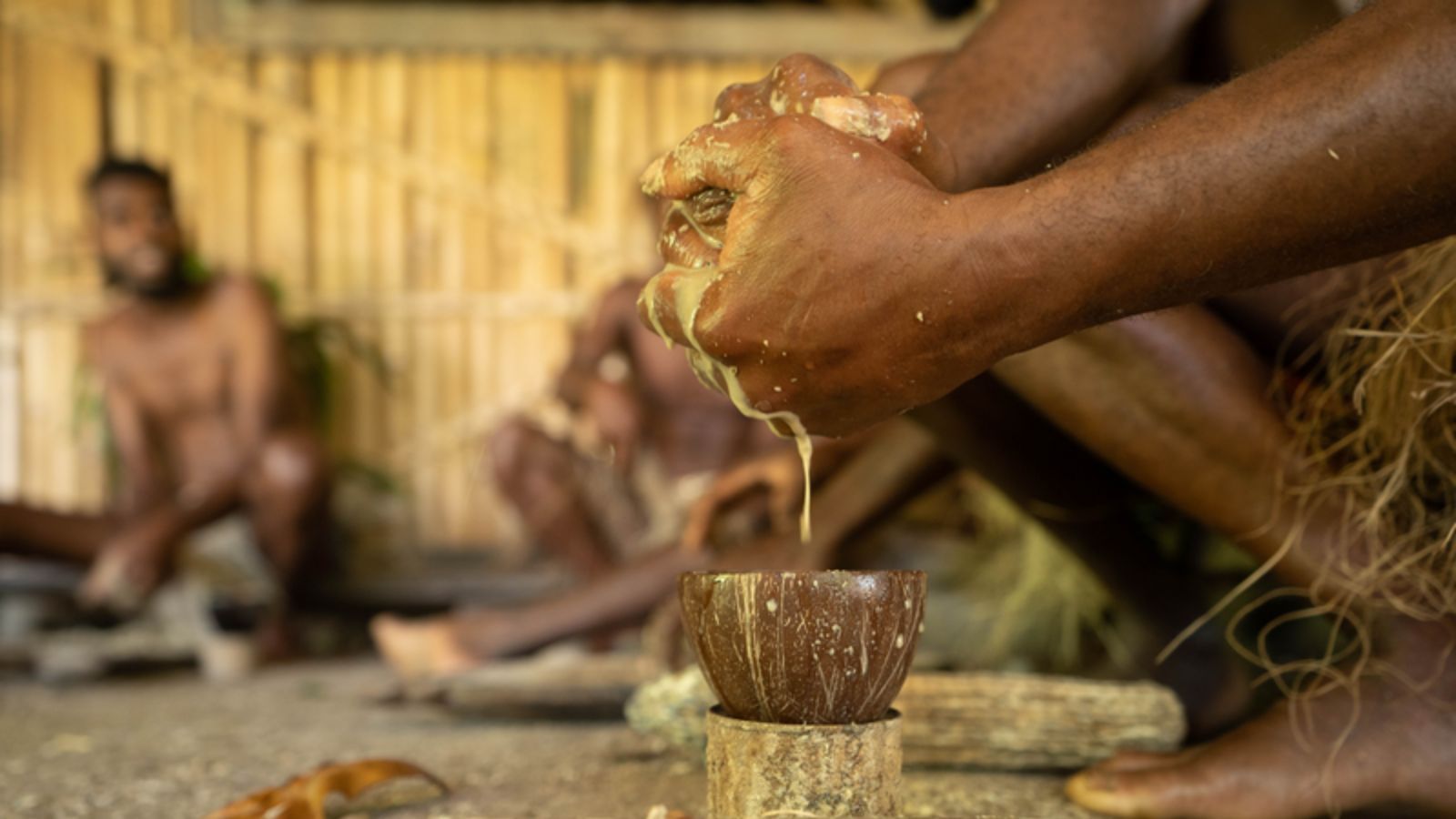
Kava being mixed in Vanuatu. Photo/Vanuatu Travel
The application remains live and pending. That means the Pacific's push to protect the name is happening alongside a growing commercial kava industry thousands of kilometres away.
Dr Apo Aporosa, Waikato University Senior Lecturer in Pacific Health and a kava expert, supports the Forum’s move but says much more work is needed.
“I definitely support the intent of the Kava Declaration and recognise that it is a work in progress,” he said.
“Protecting the name kava is important, but protecting the name also requires clear understanding about what is entitled to carry that name.”
Aporosa says the issue goes beyond trade.
“While kava has great economic value and supports Pacific small-holder farmers and national economies, more importantly, it is arguably our most important Pacific cultural keystone species.
“Safeguarding that cultural value is as important as protecting the economic value,” he said.
The other challenge is inside the Pacific itself.
Tonga has pushed for restrictions on kava being exported for extraction while major producers such as Fiji and Vanuatu have taken a different view as demand for kava extracts continues to grow.
Caroline-Scott Fanamanu Kava’onau ‘o Tapululululu, a Tongan kava practitioner, says the plant cannot simply be treated as another export crop.
“Kava is more than just a product it is for Tongans also a pronoun. Kava is the name of a woman in Tonga and the origin story of Kava in Tonga.”
Former Pacific Islands Forum Secretary-General, Henry Puna, has also argued that countries outside the Pacific should not be able to simply use the name.
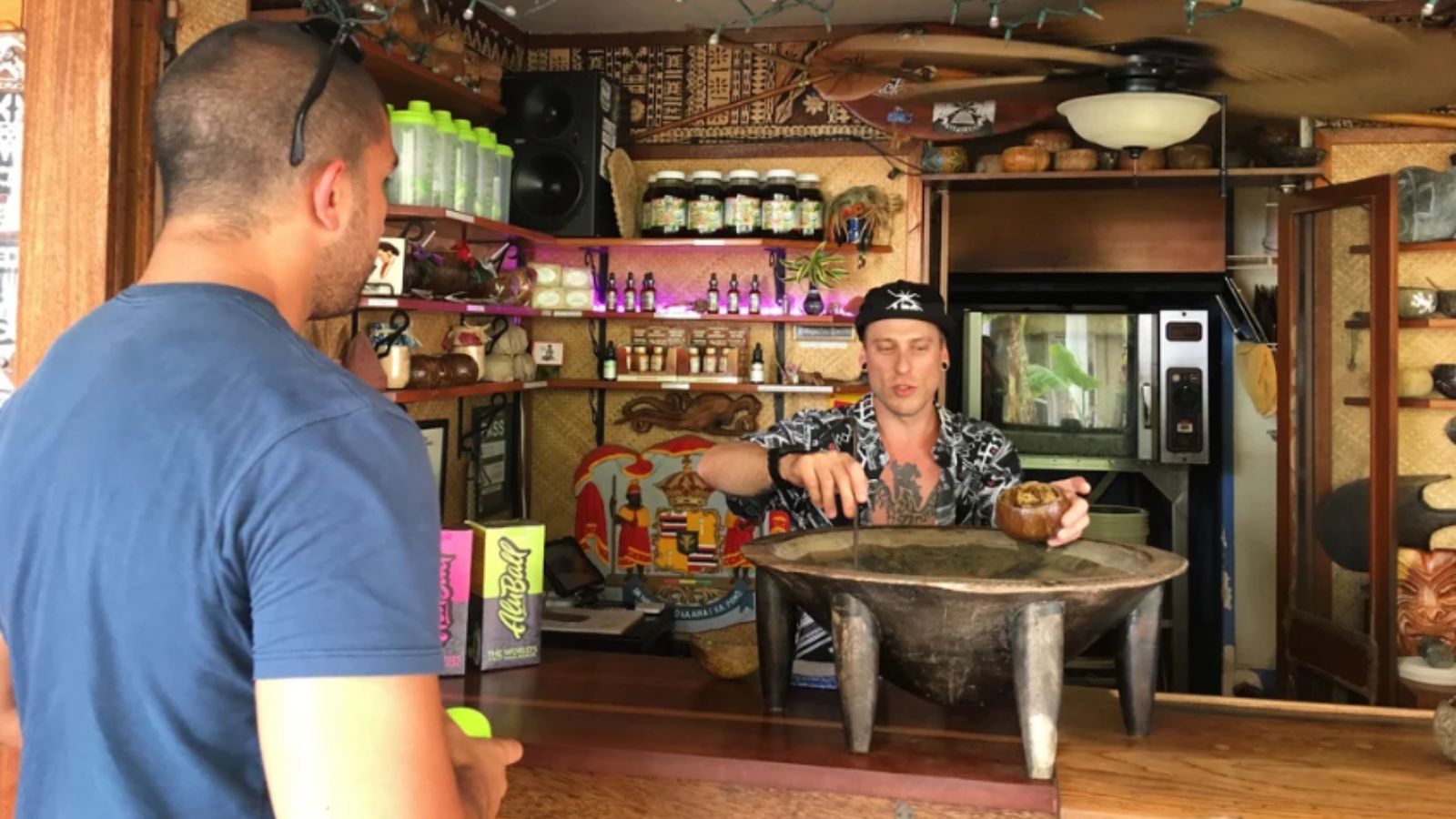
If Kava bars in the US are blending kava with an array of flavors and additives, is it still kava? Photo/Kavafied
“It's not for everybody else to use. If they're selling a similar product, well, they can use a different name. But we have to be realistic and accept that there are other tropical zones in the world where they grow this product.”
The Pacific has been working towards a regional approach for several years.
The Forum’s Kava Working Group, co-chaired by Vanuatu and Fiji, has worked on the declaration while regional standards bodies are also developing a kava quality and safety standard.
In April, the Pacific Islands Standards Committee brought together 20 experts from nine Pacific countries in Sydney for its first Kava Technical Committee meeting, with work now mapped across the next year and beyond.
Forum Chair and Palau President Surangel Whipps Jr said the declaration would help elevate kava as a distinct Pacific product and create greater value and market opportunities.
But the declaration itself does not settle the hardest questions.
It does not determine how Pacific producers should treat kava extracts. It does not automatically stop overseas businesses from using the word kava. And it does not settle who should have the right to call a product ‘Pacific Kava’.
Aporosa says the region needs to be clear about what qualifies as kava in the first place.
“Call ‘products containing Piper methysticum’ whatever you want, but don’t call them kava,” he said.
For Pacific growers and communities, that may be the real test of the Forum leaders declaration. The leaders have now spoken with one voice.
The next step is turning that voice into rules that protect both the Pacific's kava economy and the cultural knowledge and identity that gave kava its name in the first place.