High blood pressure a silent killer, Solomon Islands calls for stronger action
Lachlan EddieFri, 23 Oct
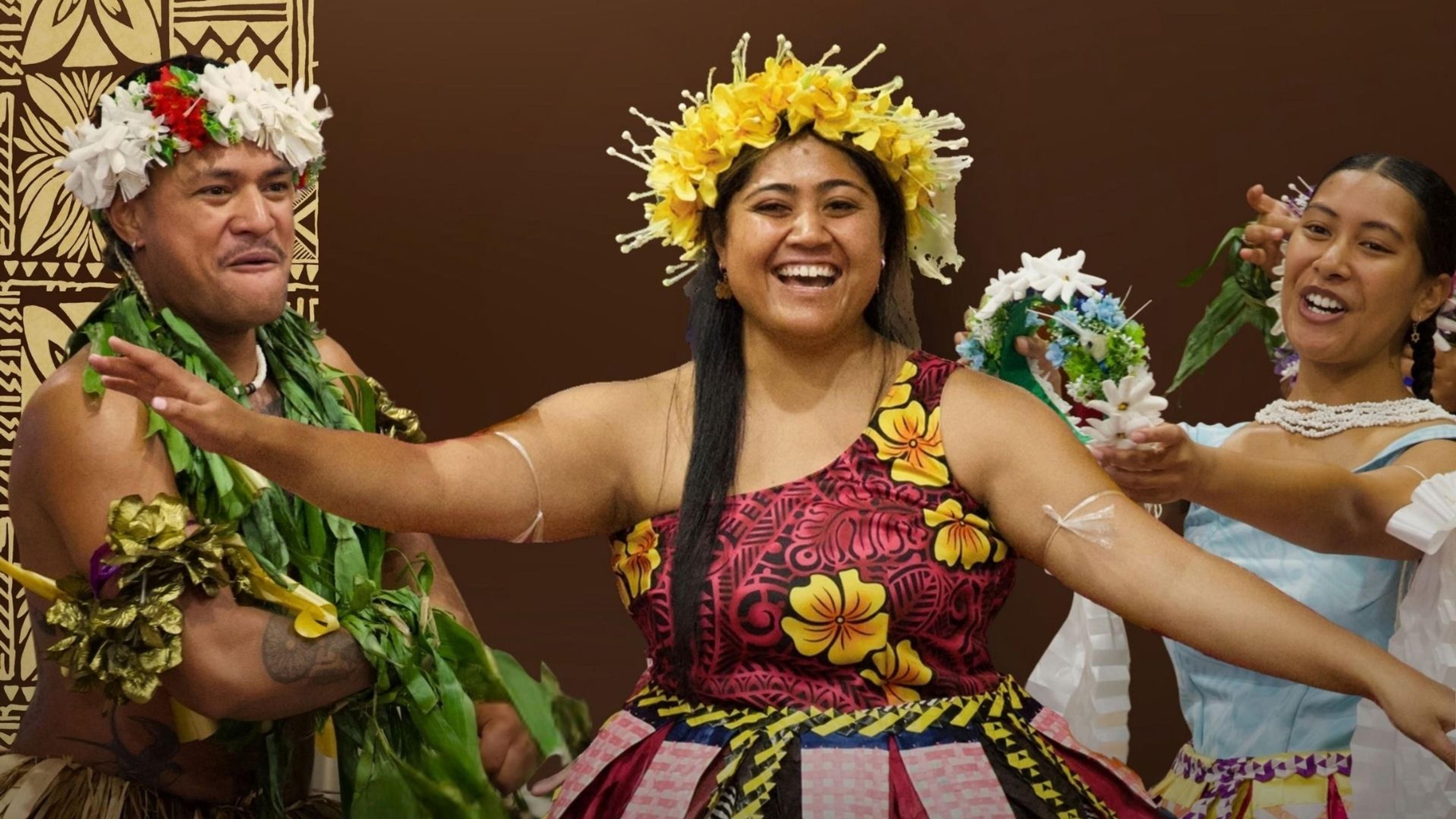
Tuvaluans across Aotearoa celebrated te ‘Gana Tuvalu, culture and identity during Tuvalu Language Week.
Photo/Lililaken Nui
From Oamaru to Hamilton and Auckland, Tuvaluan communities are using songs, dance, learning and cultural gatherings to pass their language and traditions to the next generation.


Tuvaluan children growing up in New Zealand are keeping their language alive but they say it can be difficult when English is the language they hear most of the time.
That is why communities across Aotearoa have spent the past week celebrating Vaiaso o te ‘Gana Tuvalu - Tuvalu Language Week, using songs, cultural activities, dance and learning to keep te ‘Gana Tuvalu connected to younger generations.
The week ended on Saturday with celebrations held across the country following Tuvalu’s 48th Independence Day on Thursday. Tuvalu gained independence from Britain on 1 October 1978, and communities in Aotearoa marked the milestone alongside Language Week celebrations.
In Oamaru, in New Zealand's South Island, more than 30 Tuvaluan children gathered at the public library this week to learn about their culture and sing songs in their language.
Tuvalu community member Sulu Sapeta Manaia says many children do not speak much Tuvaluan, making opportunities to hear and use the language especially important.
“It’s not easy living away from home and everywhere they go to it’s in English," she told the Otago Daily Times.
Watch Tuvaluans celebrate their 48th independence day in the island nation below.
Manaia says songs and chants can help children hold on to more than just words. “It’s a way that can help us to maintain our culture, our traditions and also our identity.”
The Oamaru community has more than 200 Tuvaluans, and Manaia says bringing Tuvaluan culture into public spaces also gives others a chance to learn about the community.
“That’s the main reason for us, we want to come out to the community so the community can understand more and know more about our culture.”
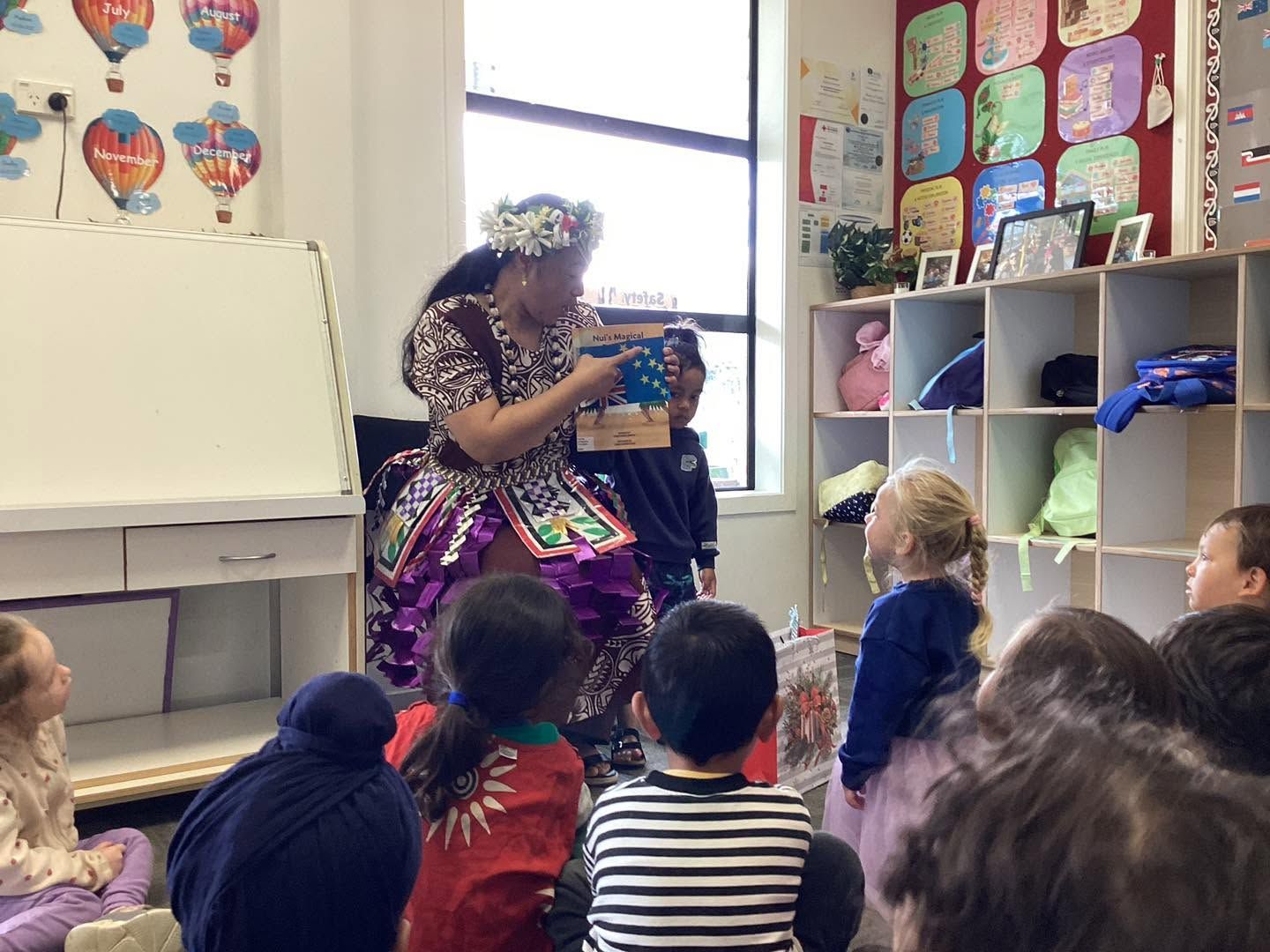
Children gathered at Lollipops Pukekohe to learn about the Tuvaluan culture and sing songs in te ‘Gana Tuvalu. Photo/Facebook/Lollipops Pukekohe
The community also visited two rest homes during the week to share aspects of Tuvaluan culture with residents.
In Hamilton, Waikato, K’aute Pasifika Trust marked the week through lotu (church), singing, cultural activities, kai (food) and learning, alongside the wider Tuvaluan community.
Watch Tuvaluans celebrate their language and culture in Hamilton, NZ, below.
The Trust said in a social media post that a highlight was joining Tuvaluans to celebrate their 48th Independence Day as well as bringing the wider Pacific community together at Matua Mai Moana.
K’aute Pasifika said the celebrations showed how language connects people to their stories, identity and each other.
“Language carries more than words. It carries our stories, our identity and the connections that bring us together.”
The message from Hamilton echoed what was happening further south and in Auckland: keeping the language strong is a collective effort.
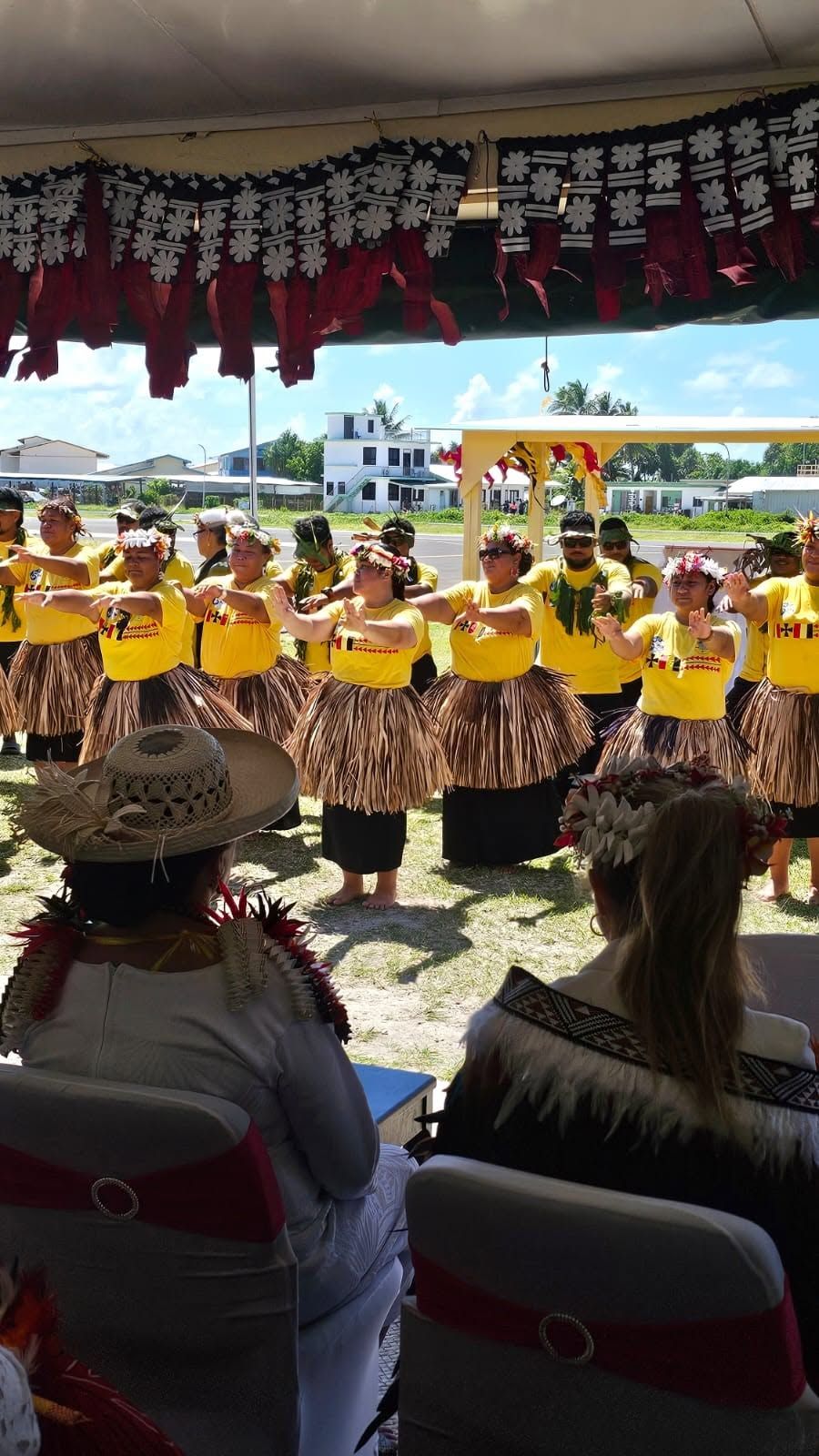
Tuvalu marked 48 years of independence on 1 October. Photo/Facebook/New Zealand High Commission, Tuvalu
At Auckland University of Technology, three Tuvaluan students performed a fatele, a traditional song, and dance that brings together singing, drumming and dancing.
Bachelor of Engineering student and AUT Tuvalu Students Association vice-president, Tia Maibuca Asafo, performed a fatele from her home atoll of Vaitupu with fellow students Antoinette Usah Sapakuka and Tavake Jasmine Iosefa.
Asafo is studying on a Tuvalu scholarship and hopes to return home with her engineering degree to support her community.
She says the words of the fatele are a reminder that being Tuvaluan comes with a responsibility to carry that identity wherever life takes them.
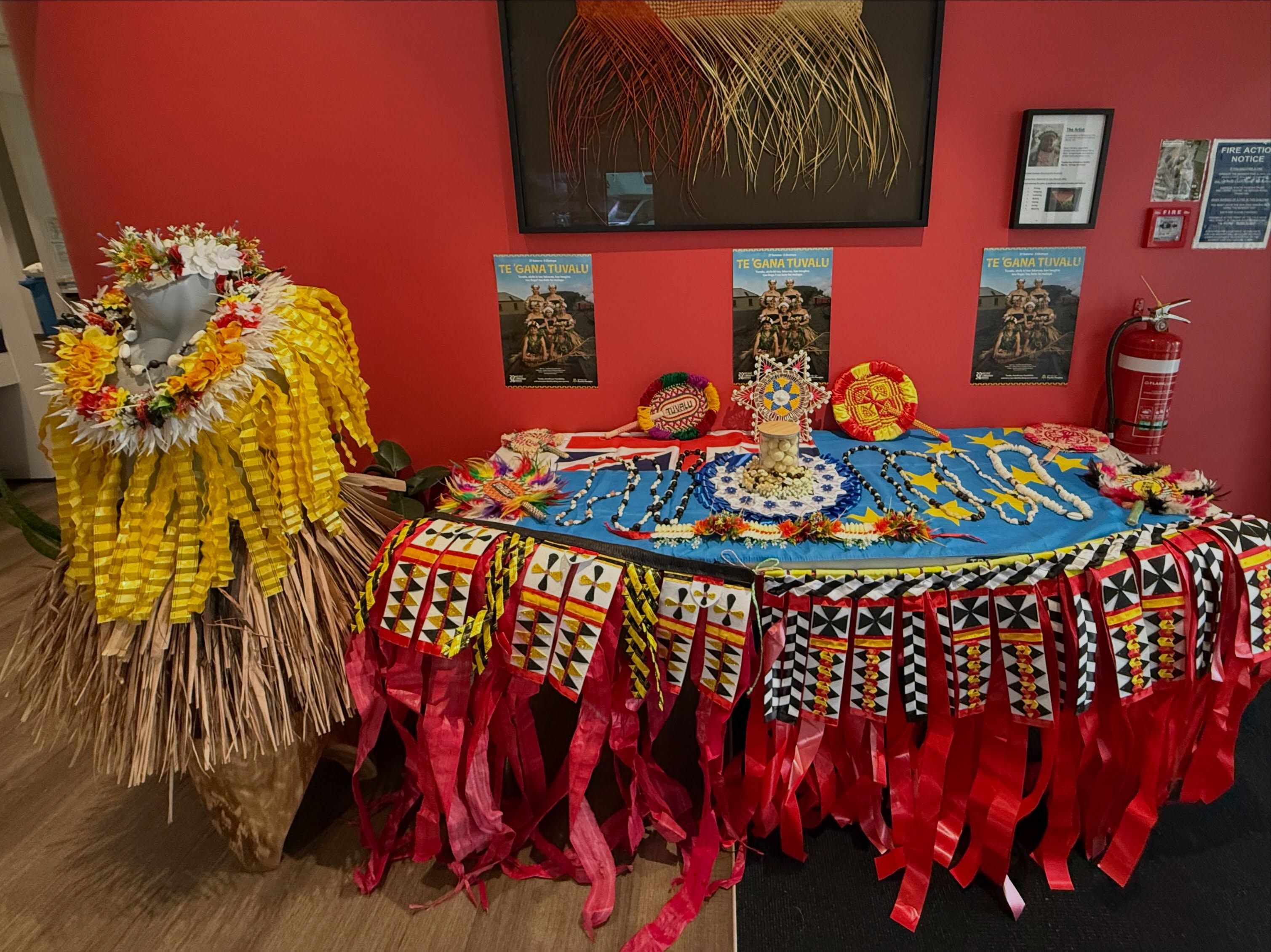
Photo/Facebook/K'aute Pasifika Trust
“The words of this fatele remind us that as Tuvaluans, we have a responsibility to uphold our nation through our actions and through our education at AUT as students. Wherever we may be, we carry Tuvalu with us.”
This year's Tuvalu Language Week theme is “Tuvalu, alofa ki tou fakavae, kae teugina tou iloga i tau kete fai malaga”, translated as “Tuvalu, cherish your foundation, and carry your identity along your journey.”
The theme reflects a challenge facing many Pacific communities in Aotearoa: how to keep ancestral languages strong while younger generations grow up away from their islands and within an English-speaking environment.
The Ministry for Pacific Peoples says Pacific languages are central to identity, culture and wellbeing, and that while each language is celebrated through a dedicated week, the work of keeping them alive continues throughout the year.
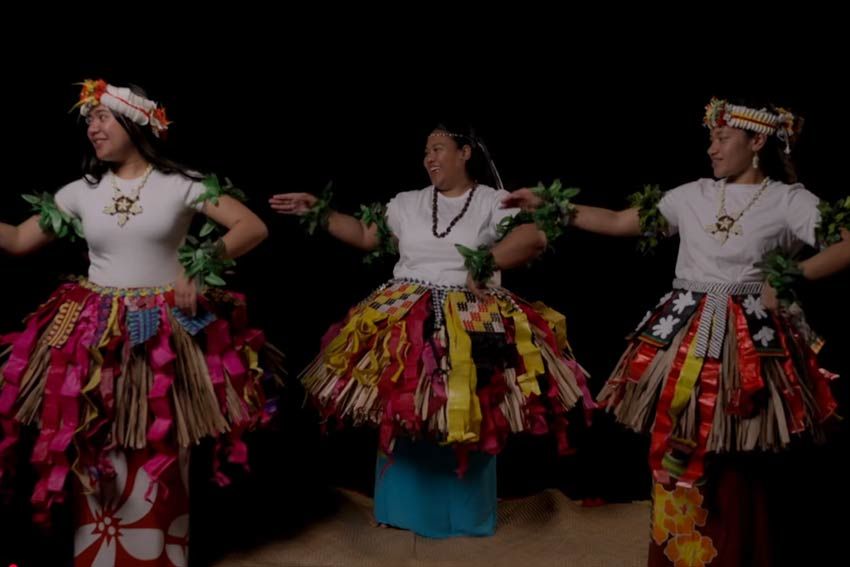
AUT Tuvaluan students performed a traditional fatele, bringing together singing, drumming and dancing to celebrate their language and culture. Photo/AUT
For Tuvaluans, language is closely tied to culture, identity and connection to home.
As Vaiaso o te ‘Gana Tuvalu comes to an end, celebrations across Aotearoa are carrying the same message: the language is not simply something to remember from the past but something the next generation can continue to speak, share and carry with them.
Next up on New Zealand’s Language Weeks calendar is Macawa ni Vosa vakaViti - Fijian Language Week, which starts on Sunday 4 October with the diaspora also marking the island nation's Independence Day on 10 October.
Watch string band 'Te la Matagi o Elise' perform a song from Nanumea Island during independence celebrations in Tuvalu.