
Fiji reviews suspected cyber breach at Suva regional organisation
Christine RovoiThu, 15 Oct
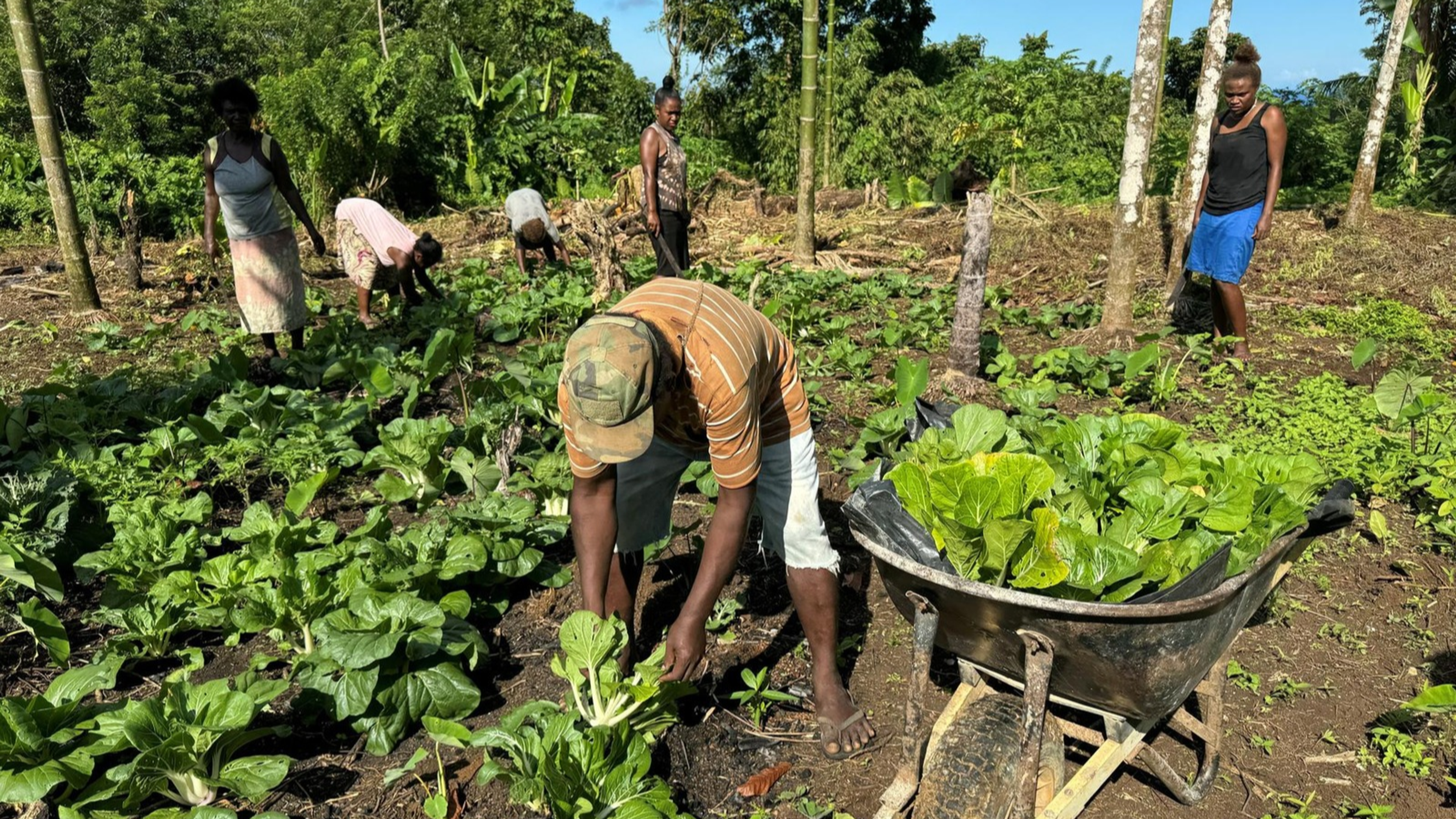
Families in Papua New Guinea and Solomon Islands must work more than four days to afford a basket of 10 basic food staples, compared with just over two hours for the average New Zealander.
Photo/UNDP/Solomons
The aid agency warns climate change, costly imports and rising transport costs are putting pressure on Pacific food systems.


Families in Papua New Guinea and Solomon Islands must work more than four days to afford a basket of 10 basic food staples, compared with just over two hours for the average New Zealander, a new World Vision report has found.
The aid agency's latest Price Shocks report compares food affordability across more than 60 countries. It also highlights the growing pressure on Pacific families to put food on the table.
Stephen Court, the Director of International Partnerships at World Vision New Zealand, says the gap is about more than the price of groceries.
He says when families spend so much of their income on food, less is available for education, healthcare and other essentials.
"It tells us a lot of things about education and health and everything else that goes with those costs as well," Court tells William Terite on Pacific Mornings.
The report also points to serious concerns about child nutrition. Nearly half of children in Papua New Guinea experience stunted growth, while one in six Pacific children under five is malnourished.
Listen to Stephen Court's full interview below.
Court says climate change is making it harder for some communities to grow enough food, increasing their reliance on imported supplies that can be expensive to transport.
"What you grow is what you eat in a lot of places, particularly a lot of the remote places."
He says for families already struggling, the choices can be painful. "Someone has to compromise. And often it's the children who compromise. The children are the ones who may get fed once a day, one piece of food."
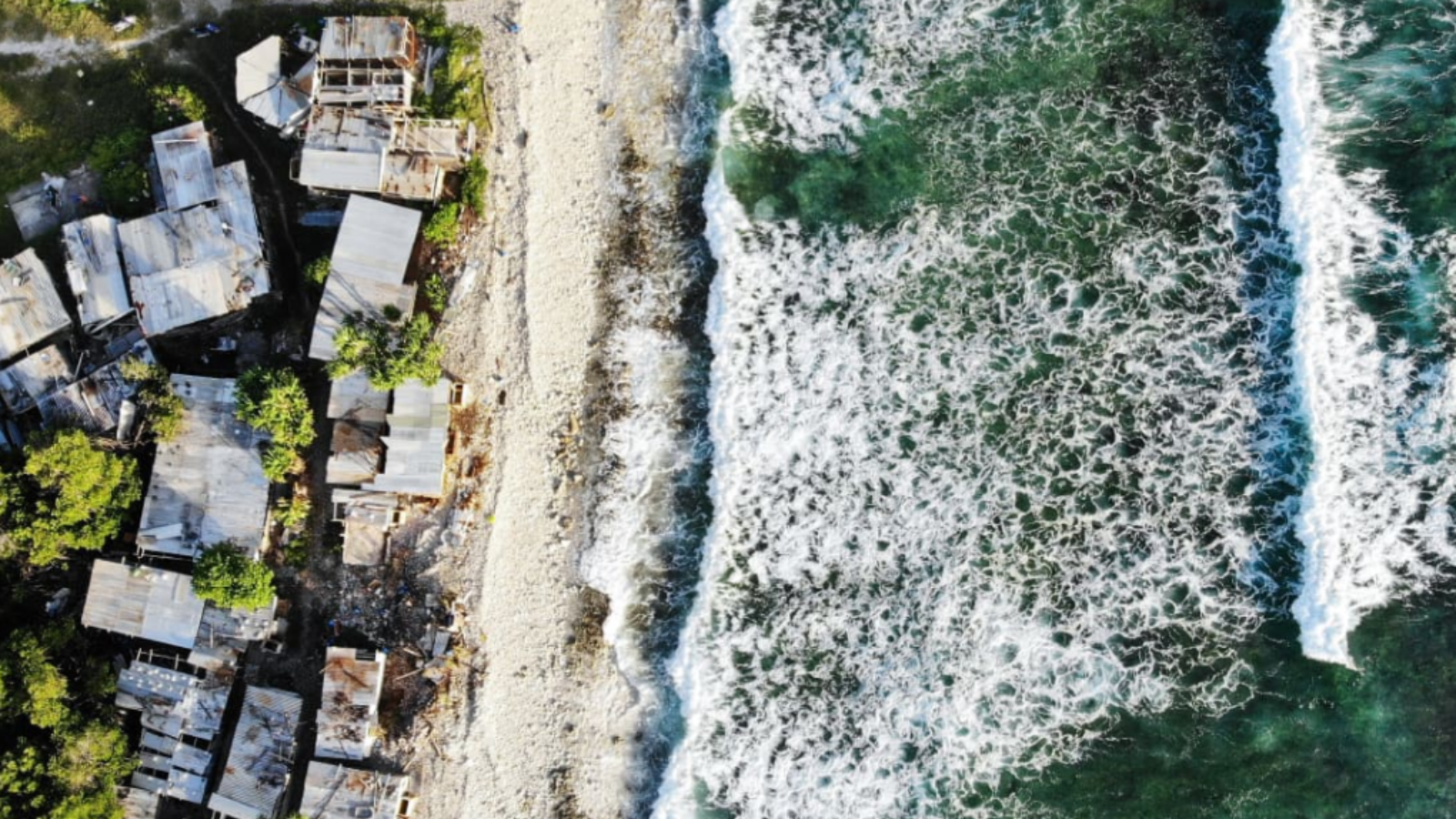
Stephen Court says climate change is making it harder for some communities to grow enough food, increasing their reliance on imported supplies that can be expensive to transport. Photo/RNZ/Mario Tama
Court lived in Papua New Guinea's Gulf Province, where some communities relied heavily on sago, a starch made from the sago palm. While it could provide enough food to fill stomachs, he says getting a balanced diet was harder.
"While there's enough sago in some of those places, the challenge was to get enough nutrition to get that balanced diet. So then stunting comes in."
Court says shipping food to remote islands and the cost of fuel add to the price families pay.
Climate change is also affecting farming conditions, with salt building up in some soils and traditional agricultural practices becoming less reliable.
"Some of the agricultural practices that have been going on for years and years and years in the Pacific just don't work now. Some of the soils are full of salts."
He says changing conditions and depleted fish stocks are making it harder for communities to rely on the food sources they have traditionally depended on.
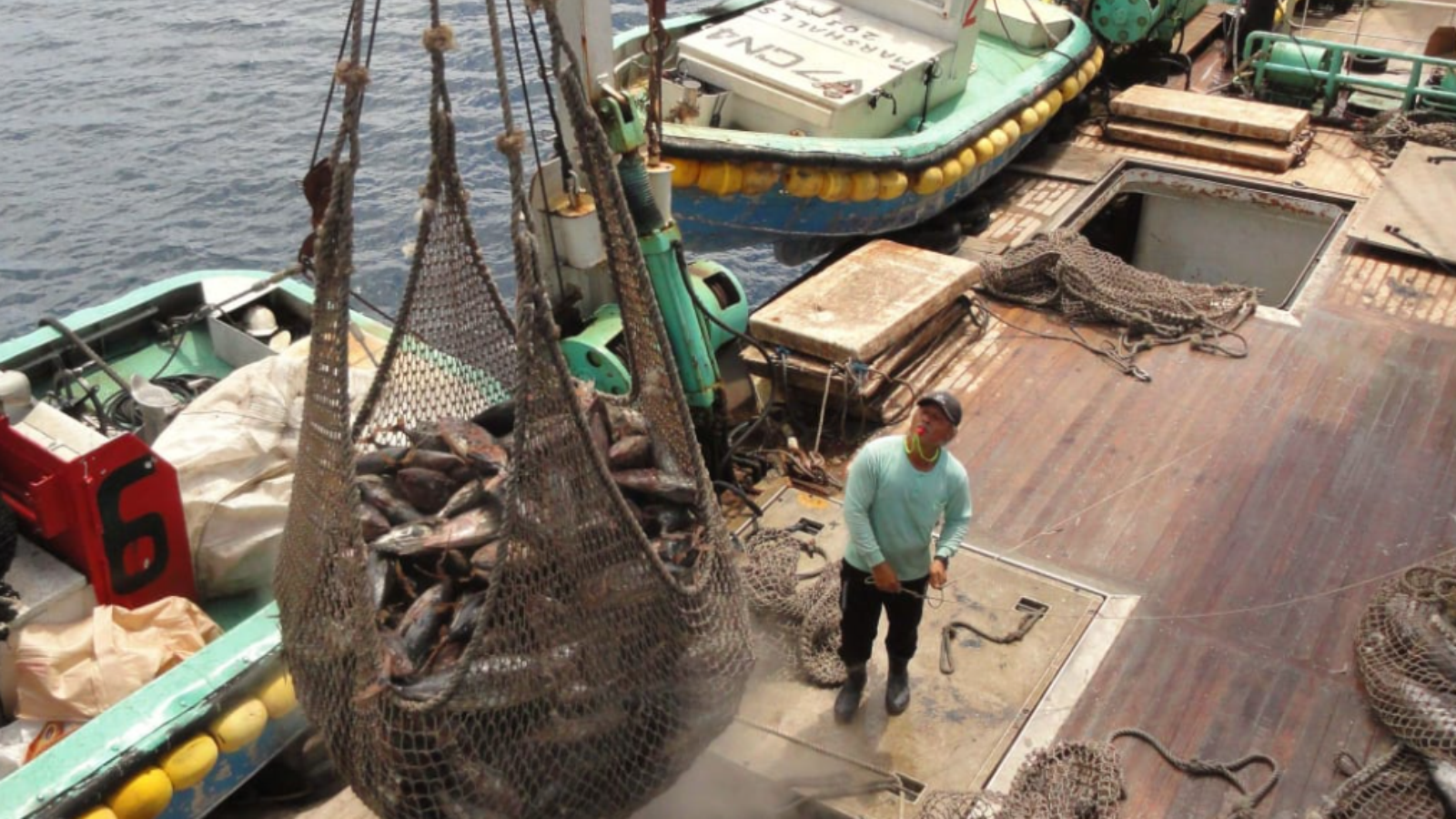
Changing conditions and depleted fish stocks are making it harder for communities to rely on the food sources they have traditionally depended on. Photo/RNZI/Giff Johnson
World Vision runs programmes funded by New Zealand’s Ministry of Foreign Affairs and Trade, including Woven and Whakaoro, which Court says help communities to adapt including through seeds better able to withstand climate change.
"You don't want to just continue to give food and give food. That's not a good solution, but how do you teach communities to adapt and change is really a good thing."
There are also efforts to strengthen food systems across the region. On 25 September, the UN Food and Agriculture Organization (FAO) announced national agriculture investment plans for the Federated States of Micronesia, the Marshall Islands and Tuvalu.
The plans aim to improve food security, protect livelihoods and build resilience to climate change, with particular attention to women and young people.
Guangzhou Qu, the FAO Subregional Coordinator for the Pacific Islands, says: "Local ownership, strong partnerships and coordinated action will be essential to the success of these investment plans."
Food insecurity is not limited to Pacific islands countries. A report released in March by Health Coalition Aotearoa and Healthy Families South Auckland, He kai kei aku ringa: There is food in my hands, found 42 per cent of children in South Auckland regularly go hungry.
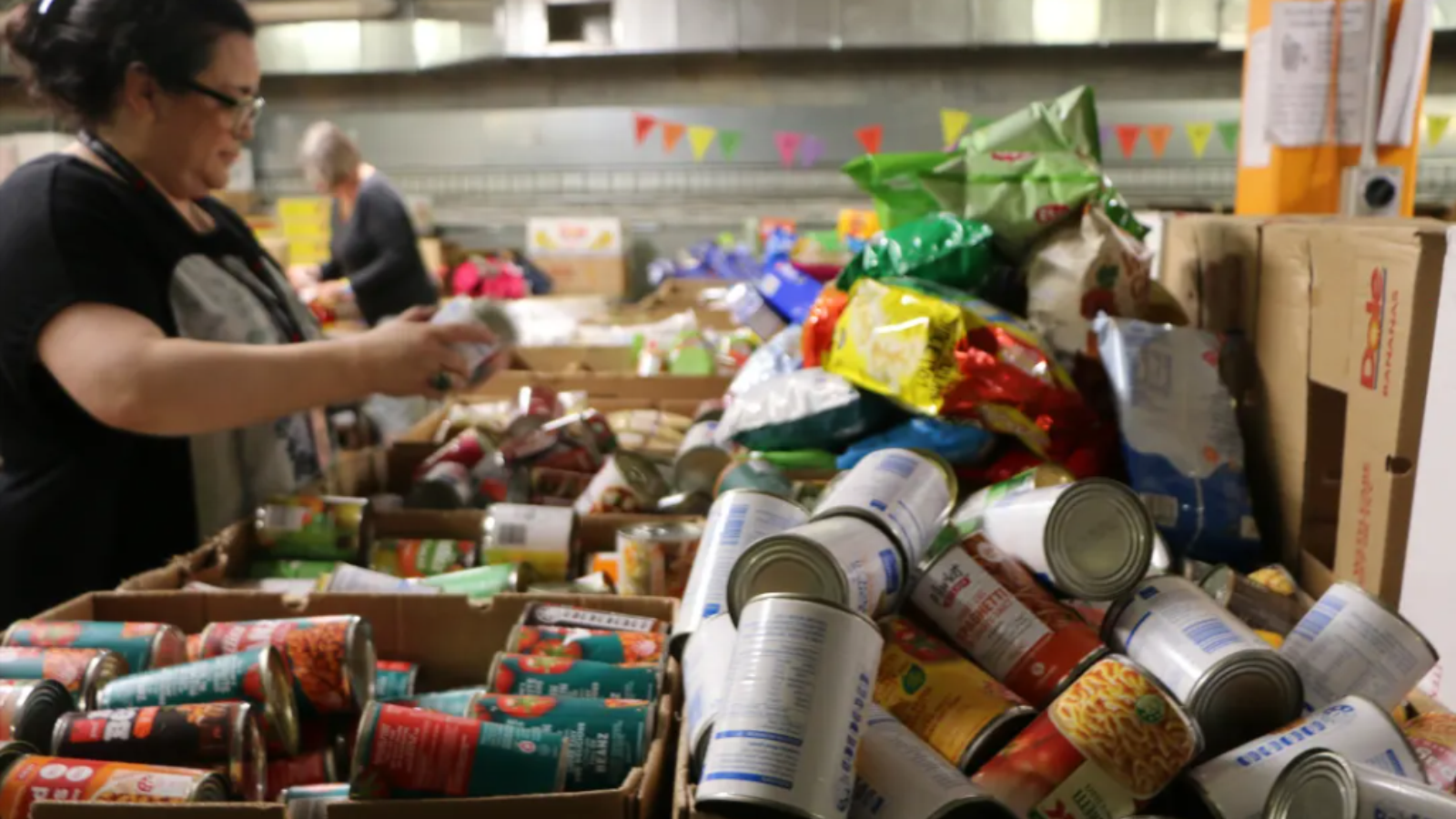
A City Mission foodbank provides for families in need. Photo/RNZ/Niva Chittock
A separate PMN News report has highlighted how shame can prevent Pacific families in Aotearoa from seeking food assistance.
Delphina Soti, general manager of St Vincent de Paul in Onehunga, says some families arrive at the food bank but leave without help.
“They come, they turn around, they go. They come, they turn around, they go. Why? Because they don't want to come,” Soti said.
The New Zealand Food Network's 2026 Hunger Monitor found 59 per cent of Pacific respondents lived in food-insecure households, compared with 31 per cent nationally.
Professor Boyd Swinburn of the University of Auckland says New Zealand produces enough kai to feed 40 million people.
"And yet, we have 42 per cent of children in South Auckland regularly going hungry," Swinburn says. "We must debunk the narrative that our nation's food issues are about parents not working hard enough."
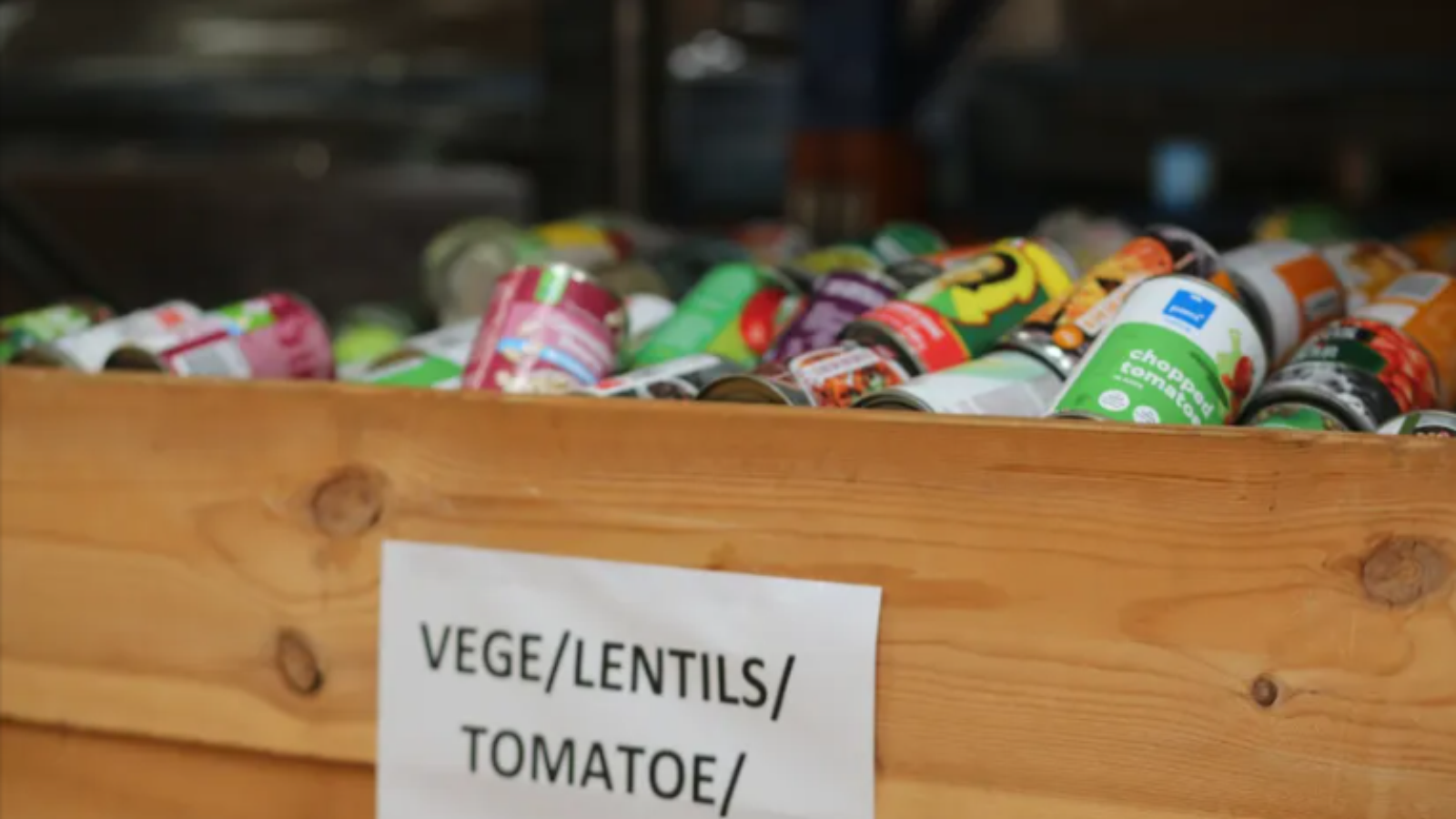
Professor Boyd Swinburn of the University of Auckland says New Zealand produces enough kai to feed 40 million people. "And yet, we have 42 per cent of children in South Auckland regularly going hungry. Photo/RNZ Pacific/Johnny Blades
Court says annual food inflation in New Zealand is 1.9 per cent but he wants Kiwis to keep the pressure facing Pacific families in mind.
"It's very easy just to look at ourselves. We are feeling the price rise of food, but we've got to really think about those in other countries, specifically the Pacific, who are seeing significant rises."
The UN Food and Agriculture Organization has announced agriculture investment plans for Micronesia, the Marshall Islands and Tuvalu aimed at strengthening food security and climate resilience.