
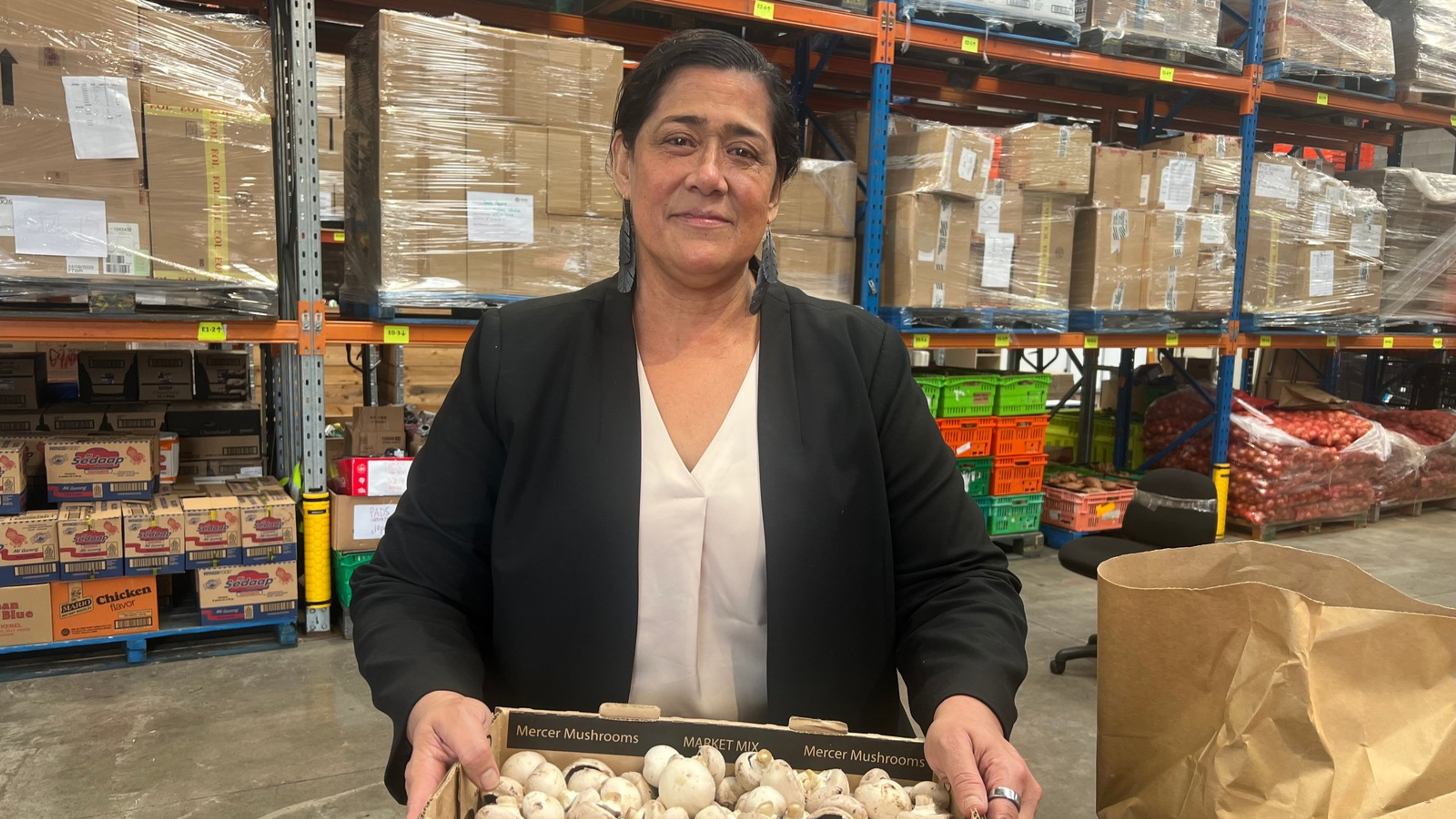
St Vincent Onehunga General Manager Delphina Soti says many families are struggling to put food on the table.
Photo/PMN News/Khalia Strong
Community
'They turn around and go': Shame stops some Pacific families from seeking food assistance
New research finds nearly six in 10 Pasifika respondents live in food-insecure households, while frontline workers say financial pressure and fear of judgement make it harder for families to ask for help.

Khalia Strong
Published
13 October 2026, 8:14am
Share
Copy Link
Top stories
World Vision warns children will pay for aid cuts beyond the Pacific
Thomas Tarurongo WynneMon, 12 Oct

Mate Ma’a Tonga’s 40-year legacy lives on through generations
Elton Lonaratha JnrMon, 12 Oct

David Seymour wants tougher welfare rule as Labour targets hidden costs in 2026 election
Thomas Tarurongo WynneFri, 09 Oct
Top stories
World Vision warns children will pay for aid cuts beyond the Pacific
Thomas Tarurongo WynneMon, 12 Oct
Mate Ma’a Tonga’s 40-year legacy lives on through generations
Elton Lonaratha JnrMon, 12 Oct
David Seymour wants tougher welfare rule as Labour targets hidden costs in 2026 election
Thomas Tarurongo WynneFri, 09 Oct
Families are driving up to an Auckland food bank, then turning around and leaving without food.
Delphina Soti, St Vincent de Paul general manager, says it is a familiar sight at the charity's Onehunga food bank.
She says shame and fear of being judged can stop people from asking for help, even when they are struggling to feed their families.
“They come, they turn around, they go. They come, they turn around, they go. Why? Because they don't want to come,” she tells PMN News.
“This is not the first choice for people to come to. There's a lot of whakamā, there's a lot of shame around coming to these spaces.”
Soti says Pacific families are among those most frequently seeking food assistance, but asking for help can be especially difficult for men who see themselves as providers and protectors.
Listen to Delphina Soti's full interview below.
“Our men, when they come here, they don't get out of the car,” she says. “These are our protectors. These are our providers. But guess what? They are locked out of the food system because it's so monetised. It's commodified. These are our hunters.”
Soti says the pressure of high rents, unemployment and rising living costs can leave families with little choice but to seek help.
“People who come through these doors are not entitled. That is the vitriol that's out there. They come here because they're desperate.”
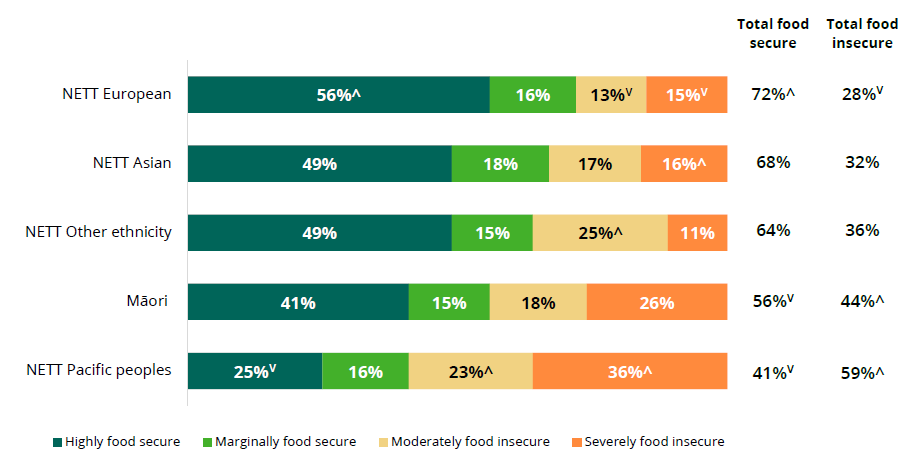
Pacific respondends had the highest rates of moderate and severe food insecurity. Image/NZ Food Network 2026 Hunger Monitor
She recalls a former food donor who returned to the charity after losing his job. He asked for the doors to be closed before requesting food, telling staff he had not yet told his wife he was unemployed.
The experiences come as the New Zealand Food Network's (NZFN) 2026 Hunger Monitor, released on Monday, highlights the scale of food hardship across Aotearoa.
The survey of 3000 New Zealanders found 59 per cent of Pacific respondents live in food-insecure households, compared with 31 per cent nationally.
Shame is also a barrier to getting support. Nationally, 46 per cent of respondents experiencing food insecurity said embarrassment or shame made them hesitate or avoid seeking assistance.
For St Vincent de Paul worker Lusila Koro, protecting people’s dignity starts with the food they receive.
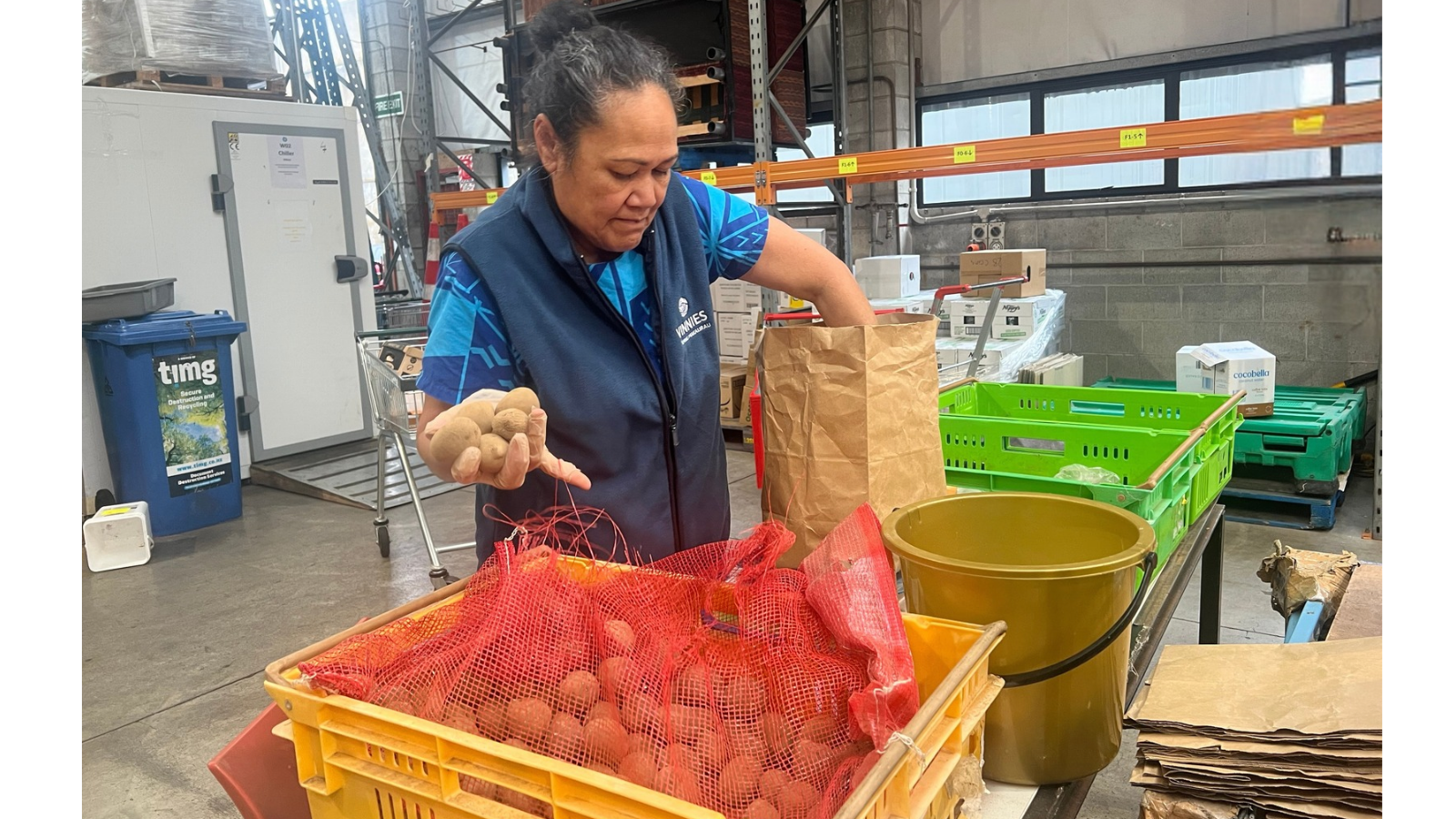
Service with a smile - Luslia Koro weighs vegetables for a food parcel. Photo/PMN News/Khalia Strong
Koro, who has worked at the charity since the Covid-19 lockdowns, checks donated vegetables before they are packed into food parcels.
“Some families are very emotional and you don't want them to open the boxes and find some not-no-nice rotten stuff,” she tells PMN News.
She says families, particularly those arriving with children, often show how much the support means to them.
“It's the way they thank you and you can feel it and you can see by the impression that they are very grateful for everything that they get.”
Gavin Findlay, NZFN chief executive, says the findings show that existing services are not reaching everyone who needs help. He is calling for continued Government funding for frontline food-support organisations, alongside action to ease pressure on household budgets.
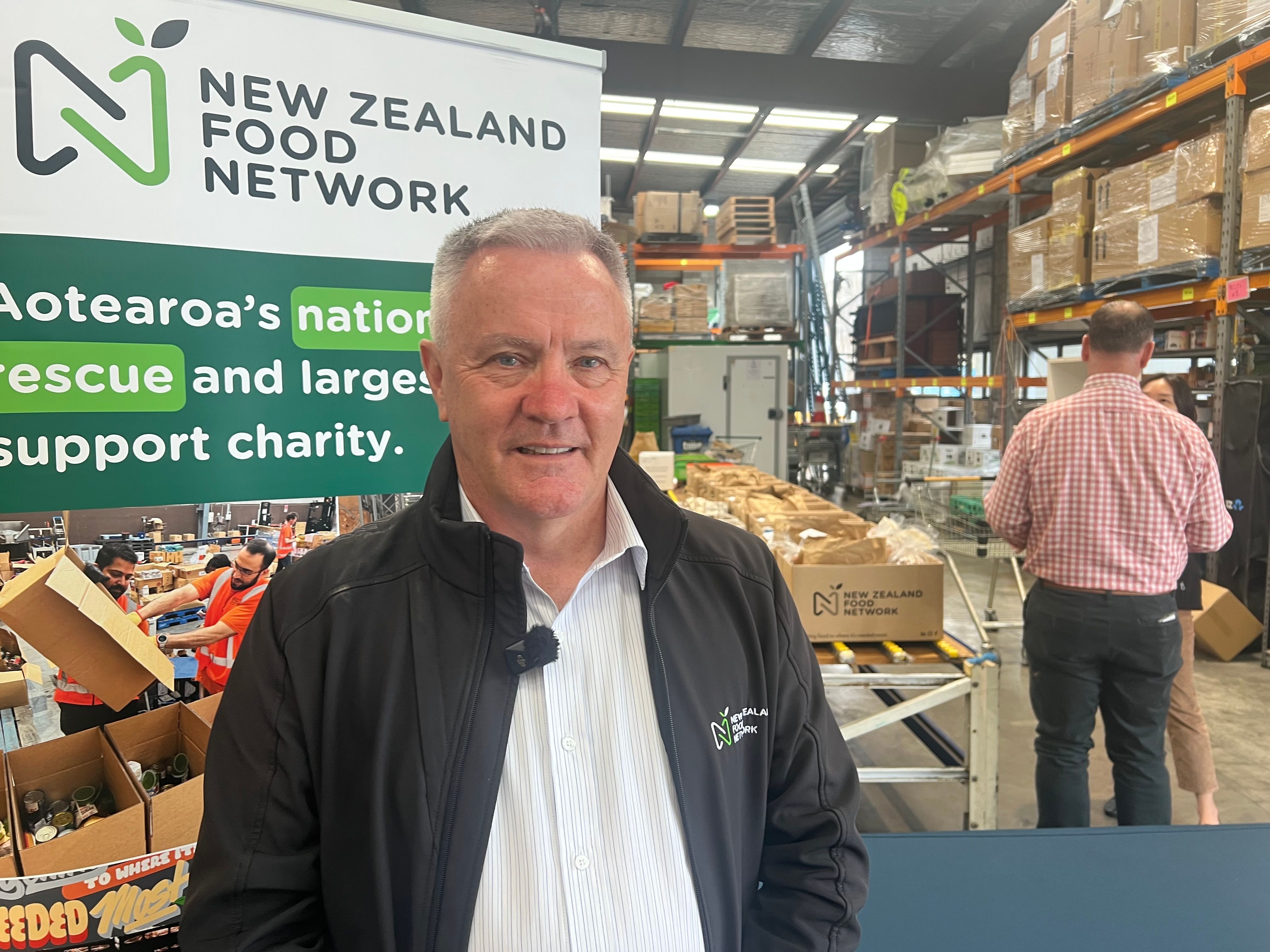
NZ Food Network CEO Gavin Findlay says improving food security needs support from government, business and communities. Photo/PMN News/Khalia Strong
“Someone loses 10 hours of work a week that they're used to, suddenly they're in trouble. The cost of fuel goes up, suddenly they're in trouble.”
Labour's social development and employment spokesperson, Willow-Jean Prime, says families need support that meets their changing needs.
“On a bigger scale, it is about ensuring that our families have warm homes, that they have good jobs, that pay good wages, so that they can provide for their families and don't need the support like this, but while they find that home and that job, they need the support as well,” she tells PMN News.
The findings highlight the ongoing reality of food insecurity in many Pacific households, with frontline workers warning it’s a growing issue.
The challenge is not simply getting food to families. It is making sure people feel able to walk through the door and ask for it.