
$2.4bn marae fund could strengthen support for Pasifika, Greens co-leader says
Andre Fa'aosoMon, 10 Aug
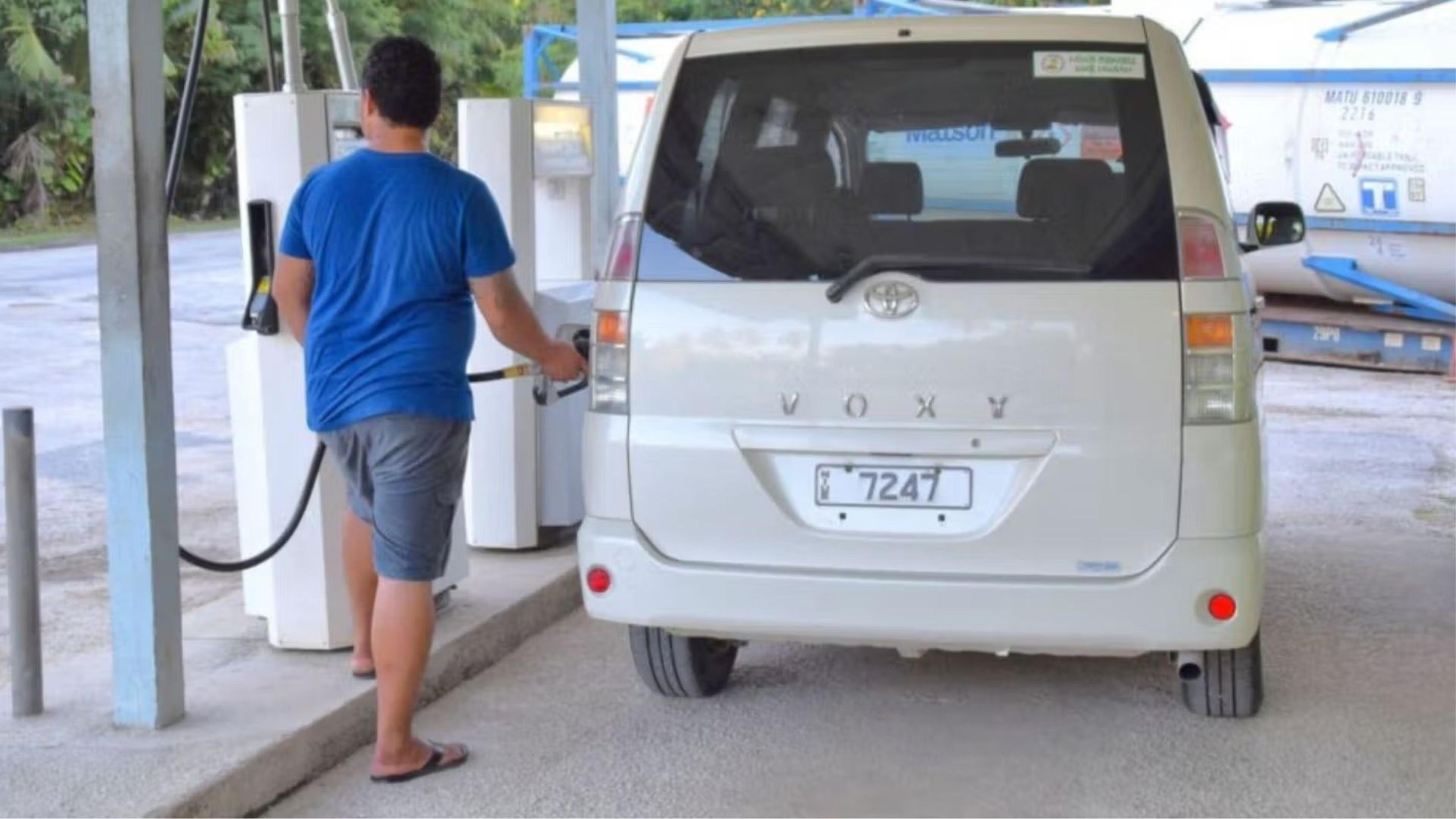
Rising global fuel prices are putting pressure on Pacific households, businesses and essential services as island nations face the impacts of international conflicts.
Photo/niuepocketguide.com
An academic says the US-Iran conflict is exposing the Pacific’s reliance on imported fuel, with some island nations already taking emergency steps as costs rise.




A war thousands of kilometres away is hitting Pacific families where it hurts most: at the petrol pump, in supermarkets, and even in health clinics.
A new analysis by Dr Saber Salem, a University of Fiji international relations expert, warns the ongoing conflict between the United States and Iran is placing fresh pressure on Pacific economies that rely heavily on imported fuel.
He says the crisis is leaving governments struggling to protect essential services while managing rising costs for households.
"In today's highly globalized and interconnected international system, wars rarely remain confined to the battlefield," Salem says.
"The experience of the Pacific region underscores the reality that in an interdependent world, the flames of war can directly and indirectly affect all nations."
According to Salem, Pacific island countries meet about 80 per cent of their energy needs through imported petroleum products while fuel imports account for around 15 per cent of regional gross domestic product.
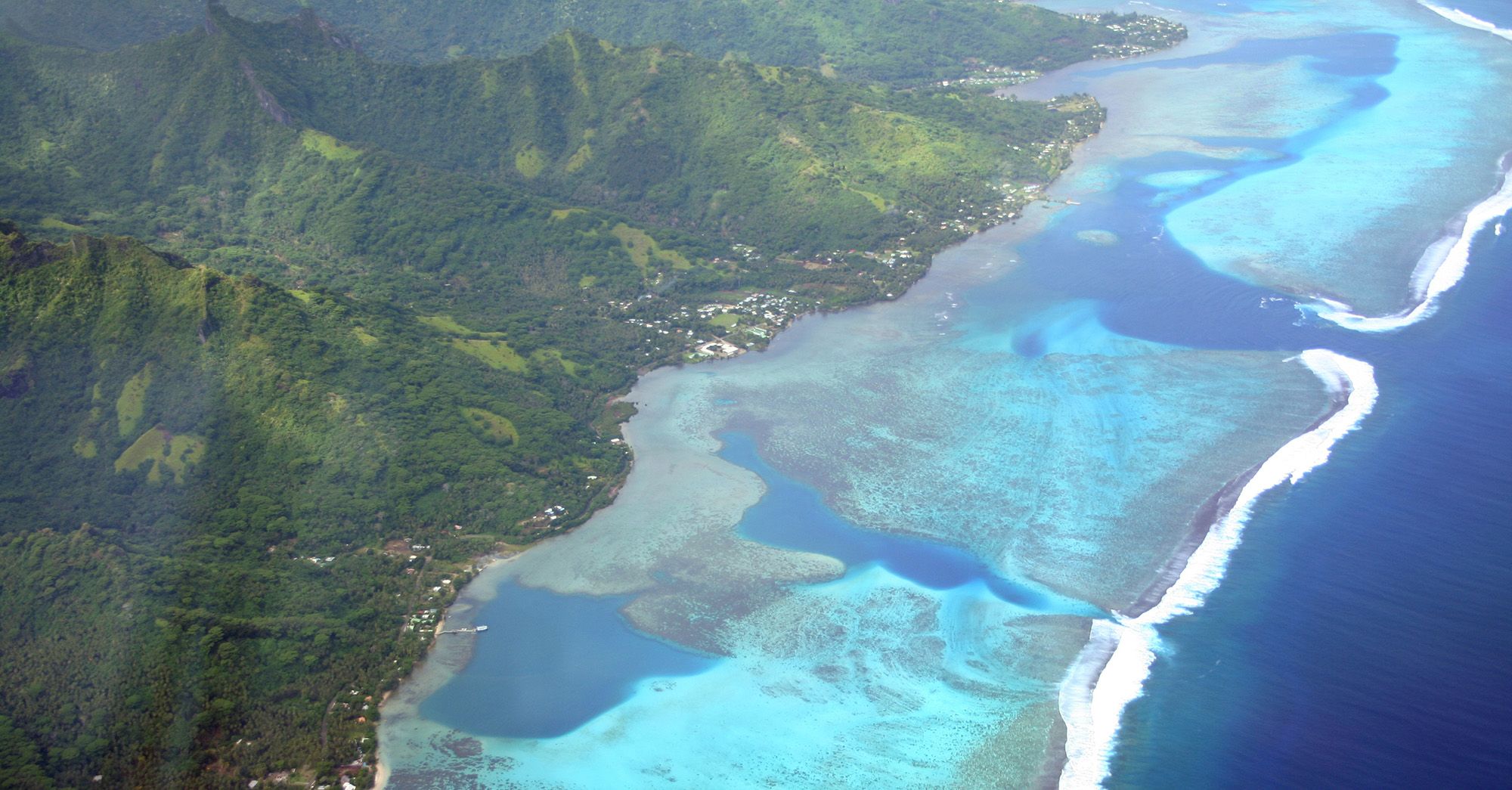
From transport to electricity and health services, rising fuel costs are putting added pressure on Pacific communities already facing high import costs and economic challenges. Photo/UNODC
Without domestic oil refineries or large fuel reserves, many island nations are particularly vulnerable when global oil prices rise.
The impact is already being felt across the region.
In Fiji, economic growth for 2026 has been revised down from three per cent to 1.5 per cent as higher fuel costs flow through to businesses, transport, and household spending.

University of Fiji international relations expert Dr Saber Salem says Pacific countries must strengthen resilience as global crises expose the region’s reliance on imported fuel.
Salem says rising fuel prices are also increasing the cost of importing medicines, vaccines, and medical equipment while adding pressure to hospitals, ambulances and health services, particularly in remote islands that rely on sea and air transport.
He warns governments are being forced to divert funding towards fuel support and cost-of-living relief, leaving less money available for education, infrastructure, climate resilience, and other public services.
The pressure is already visible in several Pacific countries.
Tuvalu declared a two-week State of Emergency in April 2026 after fuel price shocks linked to global market pressures saw petrol prices rise by about 30 per cent and diesel by 40 per cent.
The government introduced fuel rationing and emergency measures to protect electricity supplies and other essential services.
In the Marshall Islands, the government declared a 90-day State of Emergency earlier this year after rising fuel and commodity prices placed pressure on public finances.

Pacific island nations are among the most vulnerable to global energy shocks, with many relying heavily on imported petroleum to power homes, transport and public services. Photo/PMN News/Ala Vailala
Authorities introduced energy-saving measures including reduced operating hours for some government offices.
Papua New Guinea also experienced sharp fuel price increases. The Independent Consumer and Competition Commission reported average price rises of 35.7 per cent for petrol, 67.4 per cent for diesel, and 75.2 per cent for kerosene in April.
The national government later announced a K1 billion (NZ$380 million) fuel relief package to help reduce prices.
Salem says higher fuel costs are also threatening tourism, one of the Pacific's biggest economic drivers, by increasing airfares and making travel more expensive.
He warns global conflicts could also affect development funding for the Pacific at a time when countries need support for climate adaptation and economic recovery.
To reduce future shocks, Salem says Pacific countries need to strengthen their own resilience.
"Pacific governments must work to boost renewable energy, diversify economic activities, and enhance regional cooperation to build resilience against future global crises and economic shocks."
Salem's analysis argues that while the conflict is taking place far from the Pacific, its economic consequences are already being felt across island communities through higher costs, pressure on public services and growing economic uncertainty.