Tongan workers in line for jobs as FIFA-backed soccer turf takes shape
Elton Lonaratha JnrThu, 08 Oct
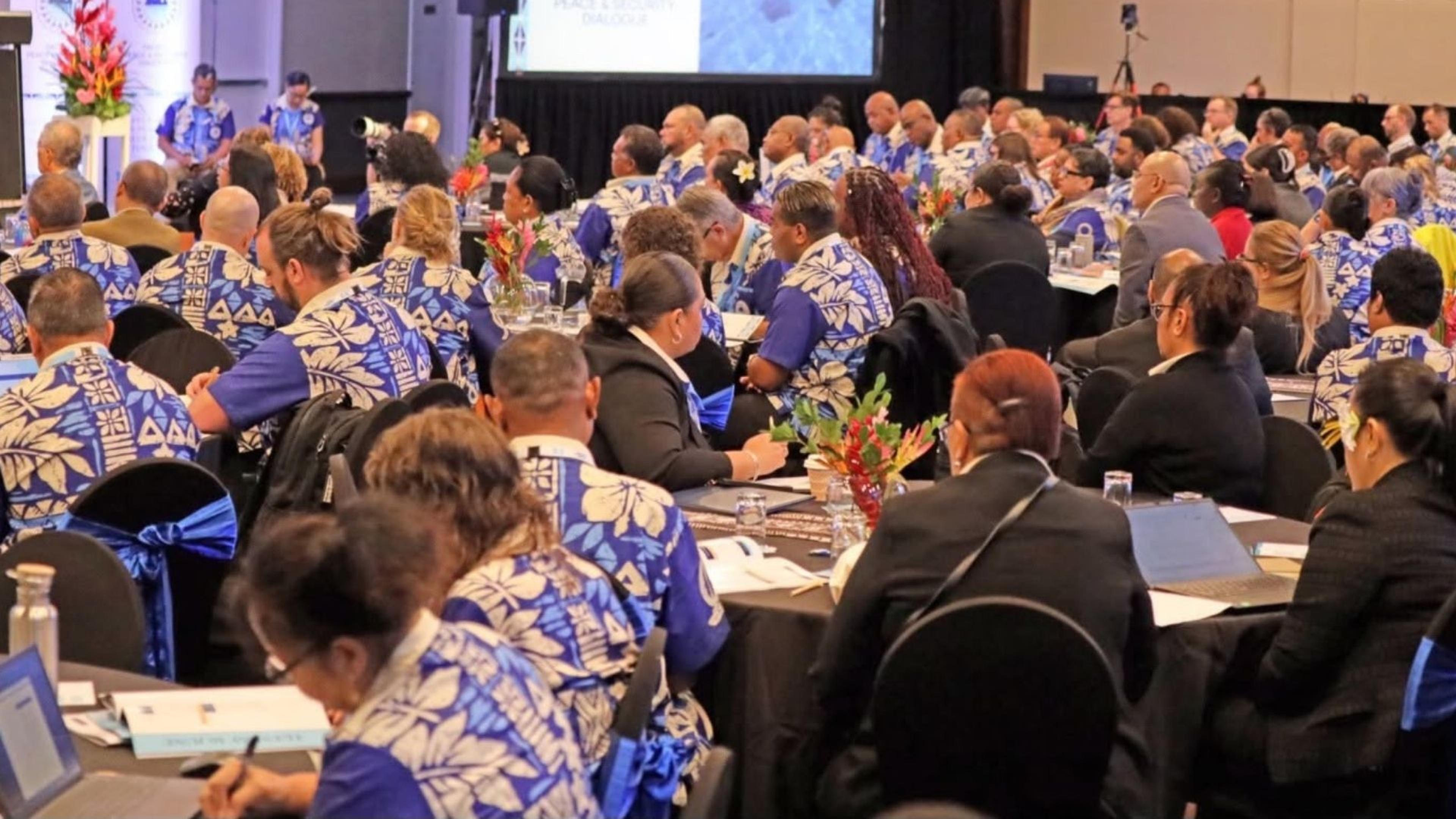
Delegates from across the Pacific gather in Suva for the Pacific Peace and Security Dialogue, where leaders, officials and experts are discussing the region's evolving security challenges and priorities.
Photo/Facebook/Pacific Islands Forum
While leaders discuss geopolitics and military competition in Fiji this week, Richie Mautama reminds them security is also local and personal.



A senior Niue minister has delivered a simple message that is resonating across the Pacific: security is not always about military strategy, foreign powers or regional rivalry.
Sometimes, it is about dogs.
The comment came during the Pacific Peace and Security Dialogue in Fiji on Monday where leaders and experts gathered to discuss the region's biggest security challenges.
According to Dr Transform Aqorau, Vice-Chancellor of the Solomon Islands National University, participants were asked a straightforward question: what are the threats that keep them awake at night?
Niue's Minister of Home Affairs, Police, Corrections and National Disaster Management, Richie Mautama, began with the issues many Pacific leaders regularly face.
He spoke about community safety, climate change and the challenge of protecting ocean resources from illegal, unreported and unregulated fishing across Niue's vast maritime zone.
But he also highlighted another issue closer to home.
With a smile, Mautama said one of the concerns that regularly occupies his attention is Niue's unmanaged dog population.
His comment may have raised a few smiles but roaming dogs are a serious concern in many Pacific countries where they can pose risks to public safety, public health and community wellbeing.
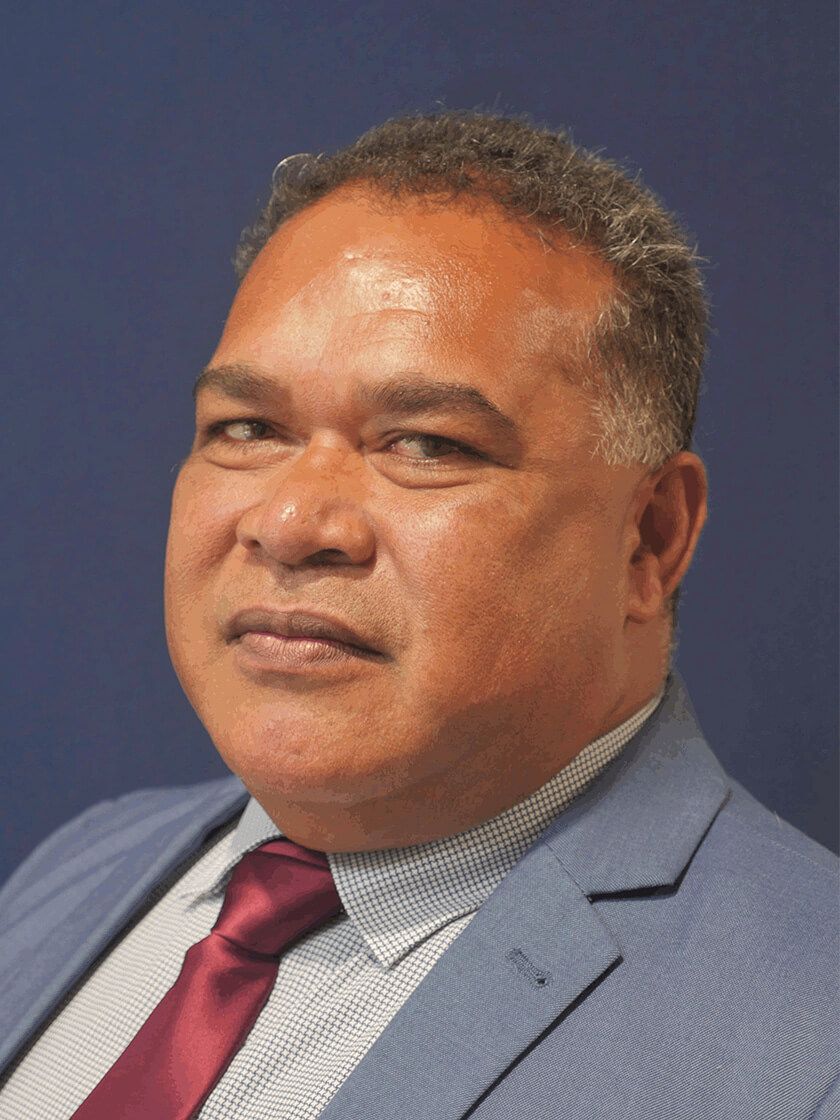
Richie Mautama, Niue's Minister of Home Affairs, Police, Corrections and National Disaster Management, says Pacific security is not only about geopolitics but also the everyday issues affecting communities on the ground. Photo/Government of Niue
Aqorau says Mautama's answer captured something often missed in high-level discussions about Pacific security.
“Too often, discussions about peace and security are dominated by geopolitical competition, military tensions, strategic interests and high-level policy debates,” Aqorau wrote in a social media post after the dialogue.
“Yet for many Pacific communities, security is not an abstract concept. It is deeply personal, local and immediate.”
Aqorau's comments reflect a growing push by Pacific governments to broaden how security is understood in the region.
Watch the opening of the Pacific Peace and Security Dialogue in Suva on Monday below.
While international partners often focus on defence cooperation, strategic competition and maritime security, Pacific leaders have increasingly argued that everyday issues affecting communities deserve equal attention.
In many Pacific nations, ministers are responsible for a wide range of portfolios.
This means discussions about regional security can quickly shift to practical local concerns.
“Security for Pacific communities is defined by practical concerns that directly affect people's daily lives,” Aqorau said.
“Security means being safe in your community. It means protecting livelihoods from climate impacts.
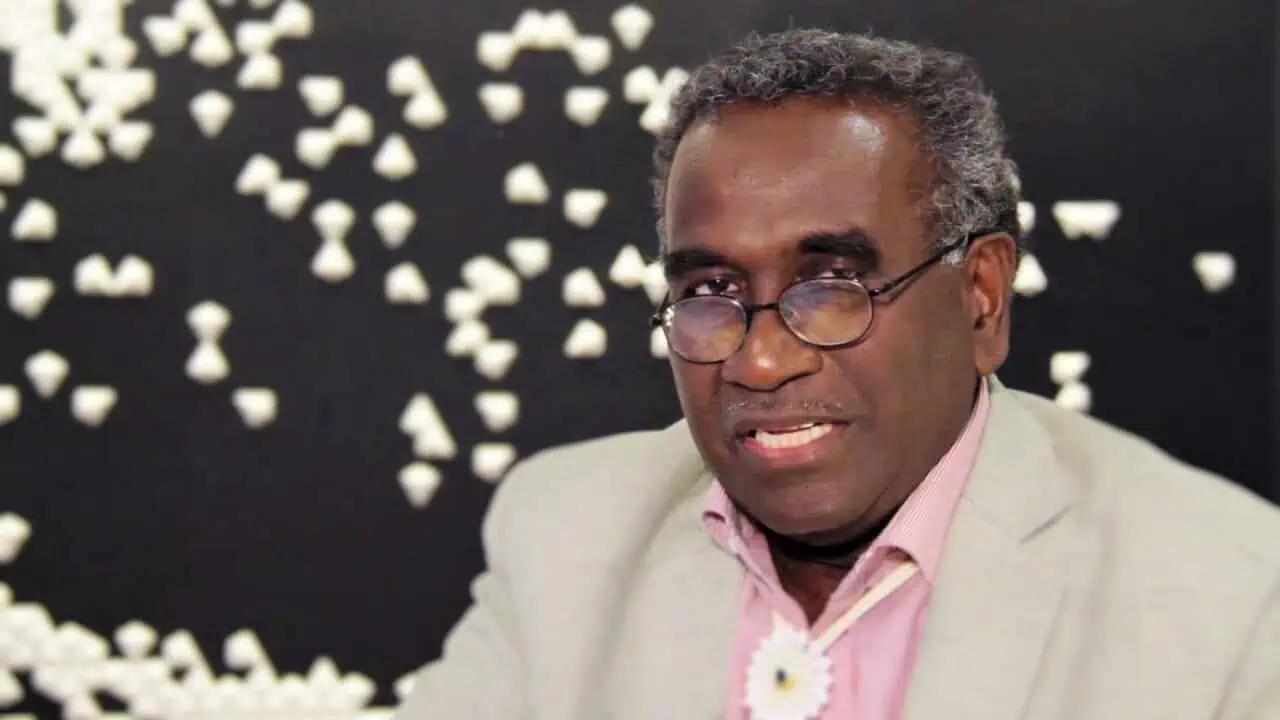
Dr Transform Aqorau, Vice-Chancellor of Solomon Islands National University, says Pacific security must be understood through the everyday realities facing communities, not just regional strategy and geopolitics. Photo/PINA
"It means safeguarding ocean resources from illegal exploitation. It means being prepared for natural disasters. And sometimes, it means dealing with a growing dog population that affects public safety, health and community wellbeing.”
His comments highlight a reality familiar across many island communities where public safety challenges can range from climate disasters and illegal fishing to issues that directly affect daily life in villages and neighbourhoods.
As Pacific leaders continue to push for a better understanding of regional security, Mautama's comment served as a reminder that policies and strategies only matter if they reflect what people experience on the ground.
“Understanding security in the Pacific requires attention not only to regional strategies and policy frameworks but also to the realities faced by communities across the region,” Aqorau said.
“The Pacific's security challenges are real and complex. But understanding them begins not only with strategy and policy but with people, communities and the everyday realities that shape their lives. And yes, sometimes that includes keeping a close eye on the dogs.”
The three-day Pacific Peace and Security Dialogue, which brings together leaders and security experts from across the region, is due to wrap up on Wednesday 17 June.