El Niño tightens grip on Pacific as authorities warn of drought and extreme weather
Lachlan EddieFri, 23 Oct
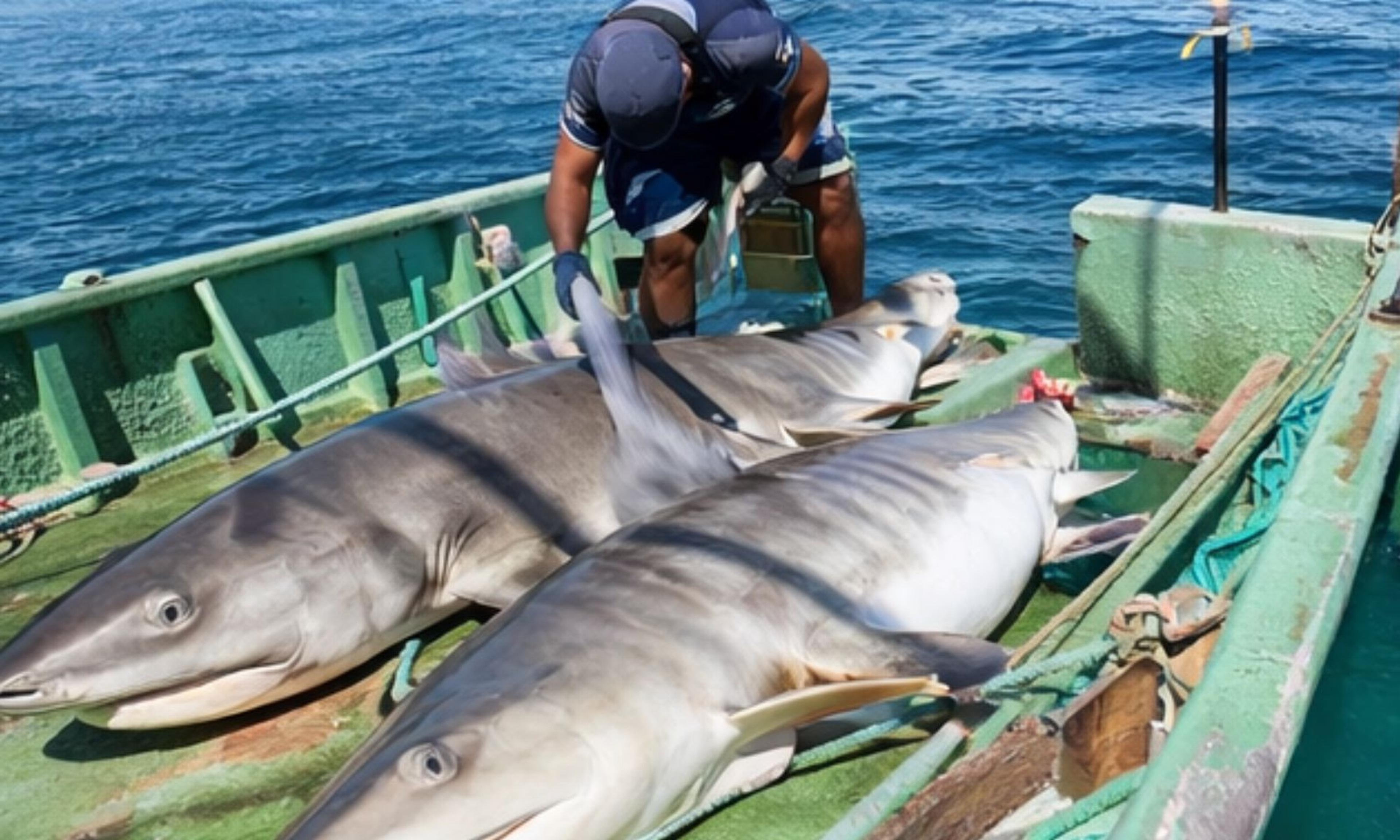
Tw dead sharks on a boat as officials resume culling in New Caledonia.
Photo/Southern Province office
The programme has reopened debate in the French territory and across the Pacific over how to balance public safety with marine conservation.



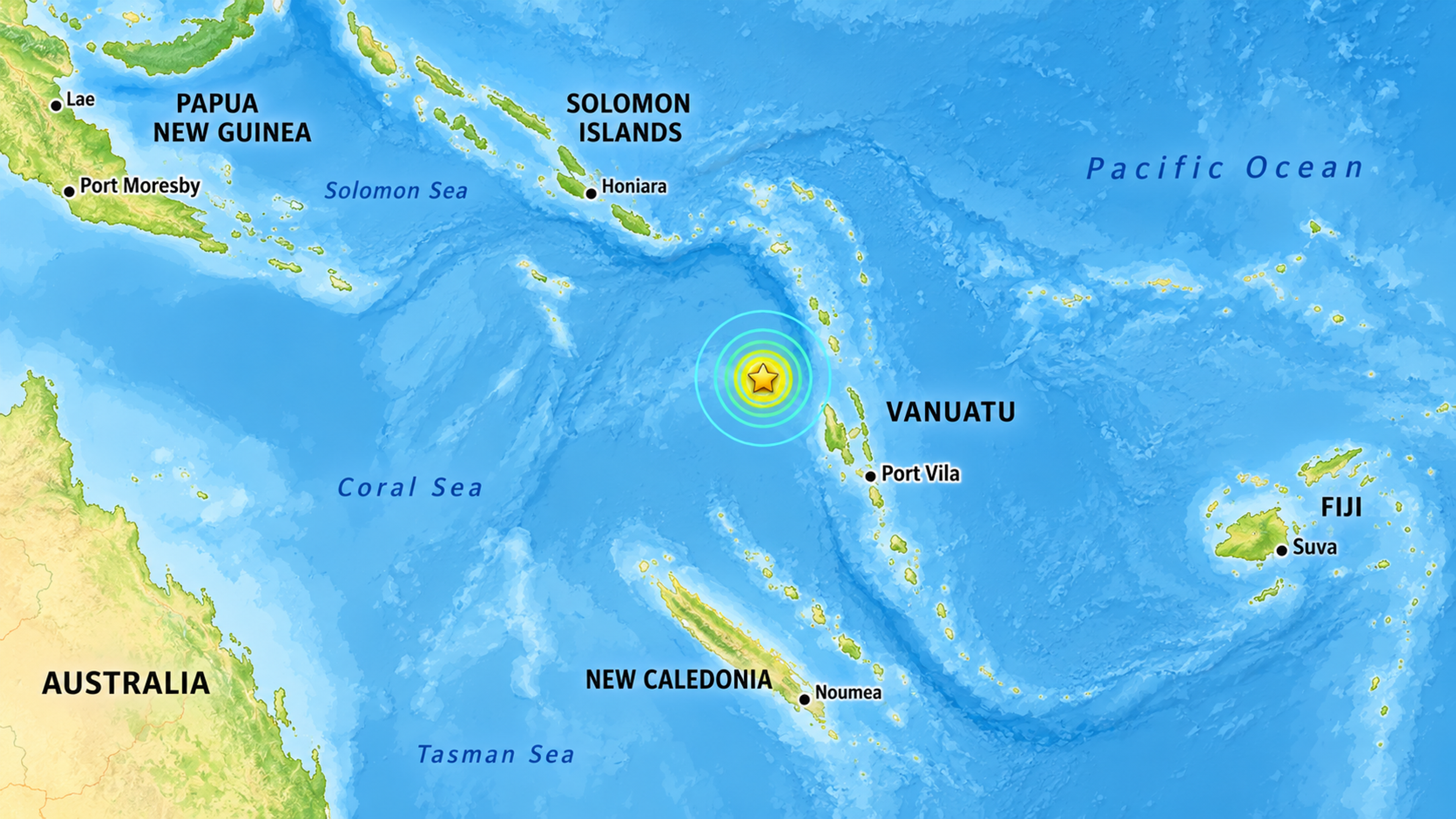
Authorities in New Caledonia have announced they will resume shark culling “to protect human lives” following a fatal attack near one of the capital’s most popular beaches last weekend.
The move has reignited debate across the French territory and the Pacific about safety and conservation.
A 55-year-old doctor and windsurfer died on 22 February after what investigators believe was a shark attack near Anse Vata beach in Nouméa.
Emergency services were called but the man later died from his injuries, according to local media reports.
In a joint statement, New Caledonia’s Southern Province and Nouméa city officials said they would reintroduce a targeted campaign against tiger and bull sharks in waters around the capital.
Beaches in the area have been closed to swimming and water sports while patrols and monitoring continue.
In 2024, a New Caledonian court banned shark culling after environmental groups challenged earlier campaigns.
Between January and August 2023, authorities had killed more than 100 tiger and bull sharks following a series of attacks. The programme was criticised by marine scientists and conservationists.
A Pacific shark expert told the ABC that culling after an attack was “useless” and argued there's little proof it improves safety.

An aerial view of Anse Vata Beach in Noumēa where a 55-year-old windsurfer was killed in a fatal shark attack last weekend. Photo/pht.com.au
Environmental groups have publicly condemned the operation, saying sharks play a crucial role in maintaining healthy ocean ecosystems. They warn that removing large predators can disrupt marine life and reef balance.
But supporters of the new cull say public safety must come first especially in a territory where lagoon beaches are central to daily life, tourism and sport, local media report.
For many Pacific communities, the ocean is both a lifeline and a risk. It feeds families, supports jobs and shapes identity. But rare shark attacks, particularly fatal ones, have a deep emotional impact.
New Caledonia has recorded several shark incidents in recent years, particularly around Nouméa. Previous attacks forced temporary beach closures, shark nets, and patrols.
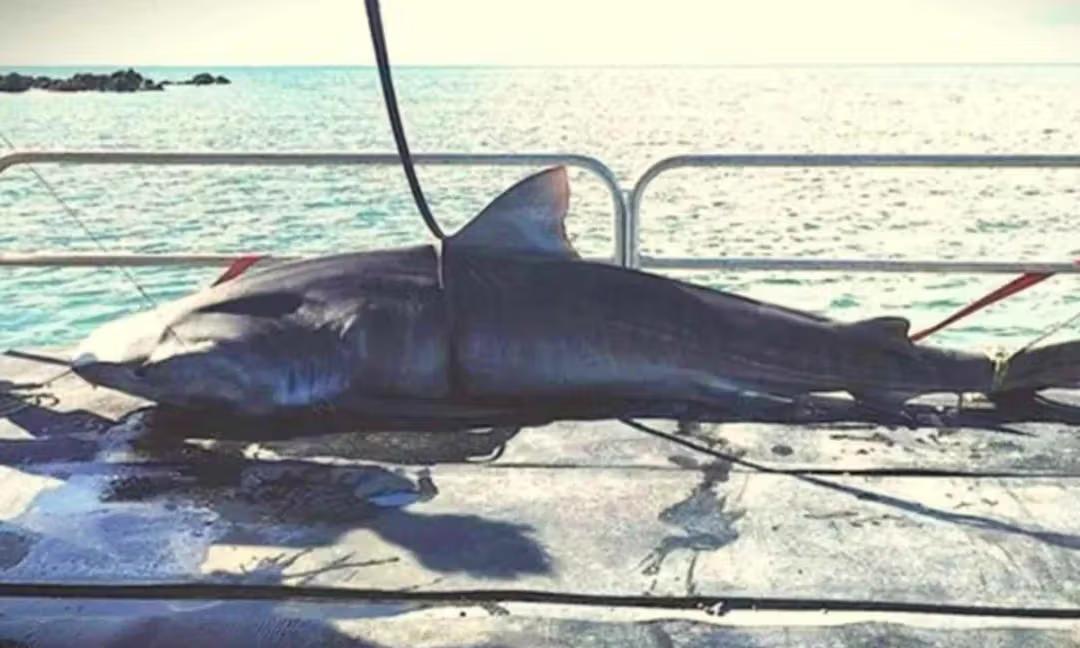
Tiger shark culled in Noumea in February 2023. Photo/ Supplied
This latest decision signals that authorities believe earlier prevention measures were not enough.
Across the Pacific, governments have taken different approaches. Some rely on public education and real-time shark monitoring.
Others have trialled nets or drum lines. Culling remains controversial and legally contested in several jurisdictions.
Scientists say there is no clear evidence that widespread shark culls reduce the risk of future attacks, as it is rarely possible to identify the individual animal responsible.
The reintroduction of culling is likely to face renewed legal scrutiny from environmental groups, potentially setting up another court challenge.
For now, officials say the priority is immediate safety. But the wider question remains one that resonates far beyond Nouméa.
How should Pacific nations balance human safety with the protection of marine life that has long defined our region?
The answer is not that simple. The Pacific’s relationship with the ocean is deeply rooted in culture and survival. While shark attacks are rare, they are traumatic.
Each incident forces leaders to weigh fear against science, and public pressure against environmental responsibility.
As New Caledonia moves forward with its latest response, the rest of the region will be watching closely.