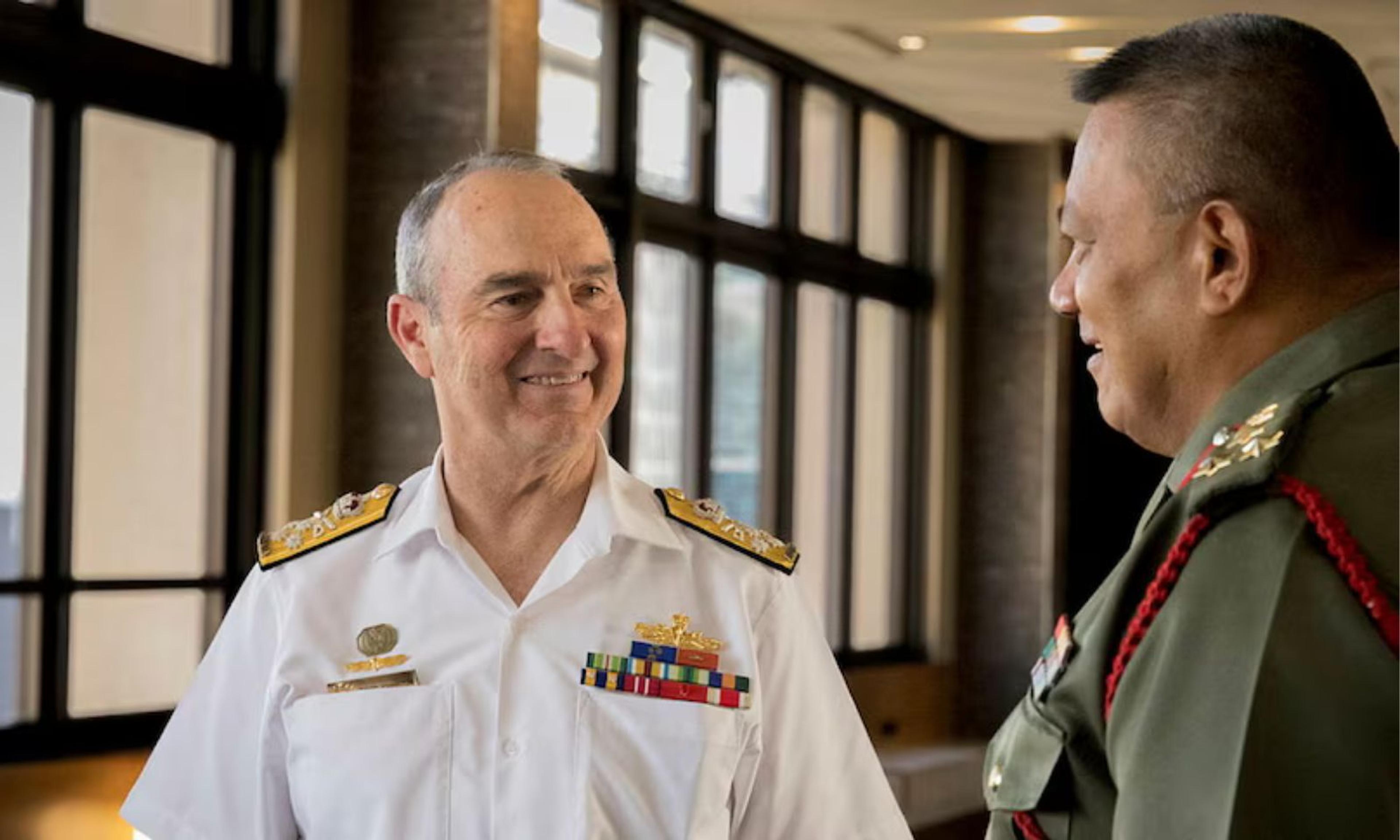
Family first: Tongan Brigadier Lord Fielakepa, right, and Australian Admiral David Johnston say the proposed treaty is about the Pacific looking after its own "home" before calling on outside powers.
Photo/Australian Department of Defence
Pacific Region
‘Our home, our lead’: Pacific nations push for historic security treaty
Leaders want to ensure the region, not global superpowers, takes the lead during natural disasters and civil unrest.

PMN News
Published
05 May 2026, 2:44pm
Share
Copy Link
Top stories
Pacific dialysis patient among cases behind $70m Health NZ debt
Christine RovoiWed, 07 Oct
'Healing starts with coming together': Papatoetoe holds vigil for children and father
Taelegalolo'u Mary AfemataTue, 06 Oct
Top stories
Pacific dialysis patient among cases behind $70m Health NZ debt
Christine RovoiWed, 07 Oct
'Healing starts with coming together': Papatoetoe holds vigil for children and father
Taelegalolo'u Mary AfemataTue, 06 Oct
Pacific security leaders are calling for a landmark regional treaty that would give the islands more power to manage their own crises and coordinate outside help from world powers.
At a major gathering of military and security chiefs in Brisbane last week, the Joint Heads of Pacific Security (JHOPS) recommended that Pacific leaders begin work on a "Regional Operations Deployment Framework Treaty."
The goal is simple: to ensure the region takes the lead when disaster or unrest strikes, rather than being "overwhelmed" by uncoordinated help from the likes of China, the US, or Japan.
The Chief of Staff of Tonga’s Armed Forces, Brigadier Lord Fielakepa, said the push for a formal treaty is about looking after one another.
"This is our home. We have to get together and work together and help each other first," he told the conference.
Fielakepa knows the challenge first-hand. When the massive Hunga Tonga-Hunga Ha'apai eruption hit in 2022, Tonga struggled to manage a "jostling" influx of donors.
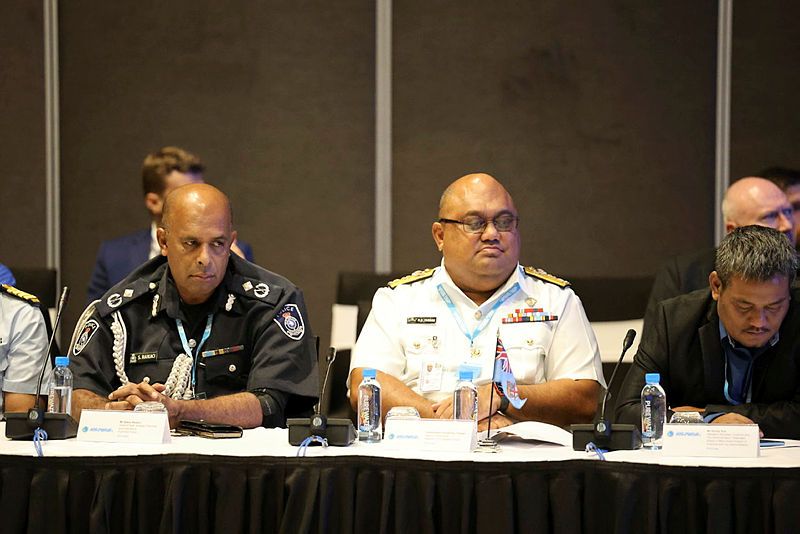
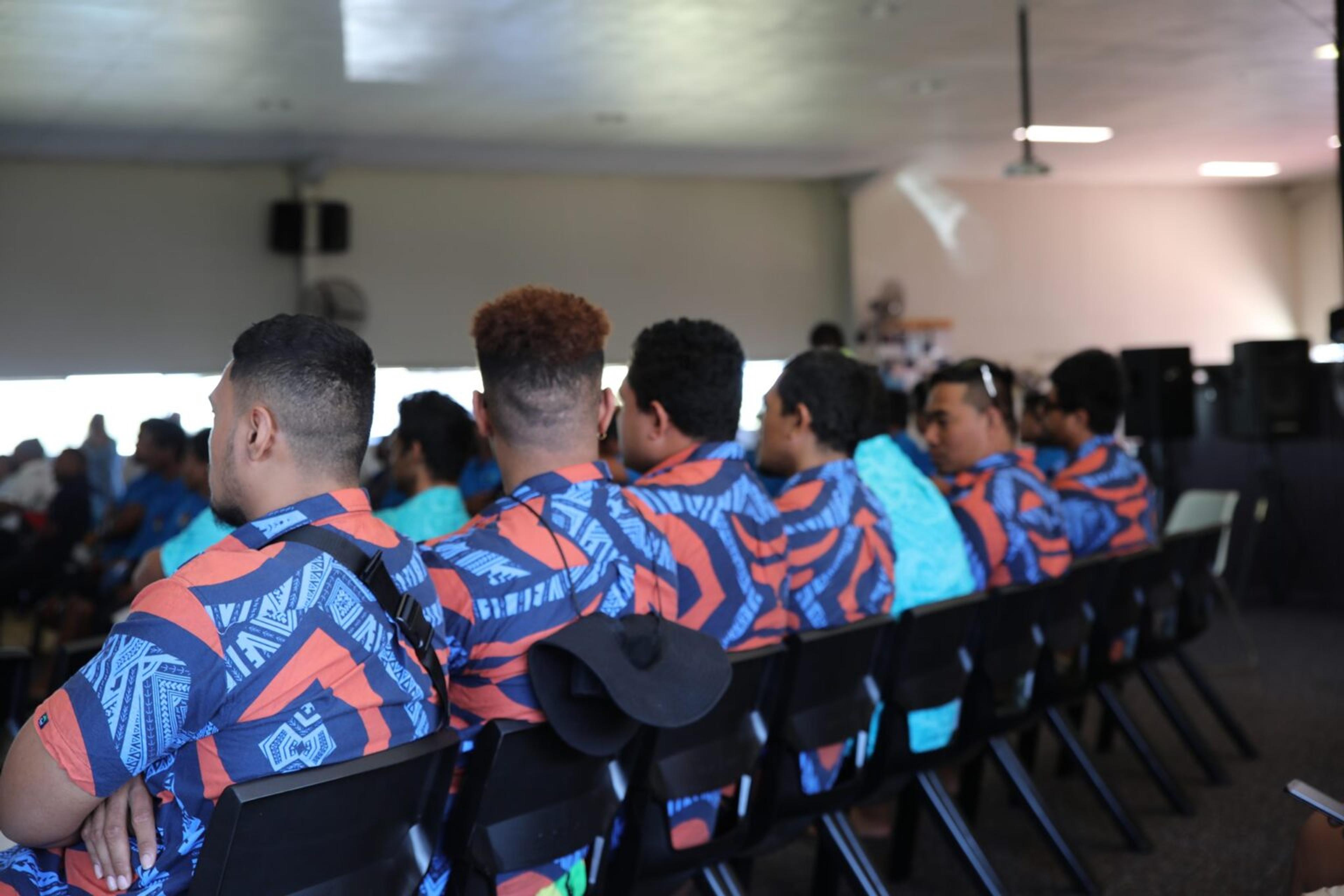
The Joint Heads of Pacific Security (JHOPS) meeting in Brisbane has recommended a legally binding framework to ensure the region stays in control during major crises. Photo/JHOPS
He says a new treaty would help the islands better coordinate the "goodwill" coming from both inside and outside the Pacific.
"All the others, the United Kingdom, the US, China, Japan... they have a right to offer their assistance and support, and every Pacific island has a right to accept what assistance or support is offered," Fielakepa said.
"The challenge for us is coordinating all the goodwill coming across."
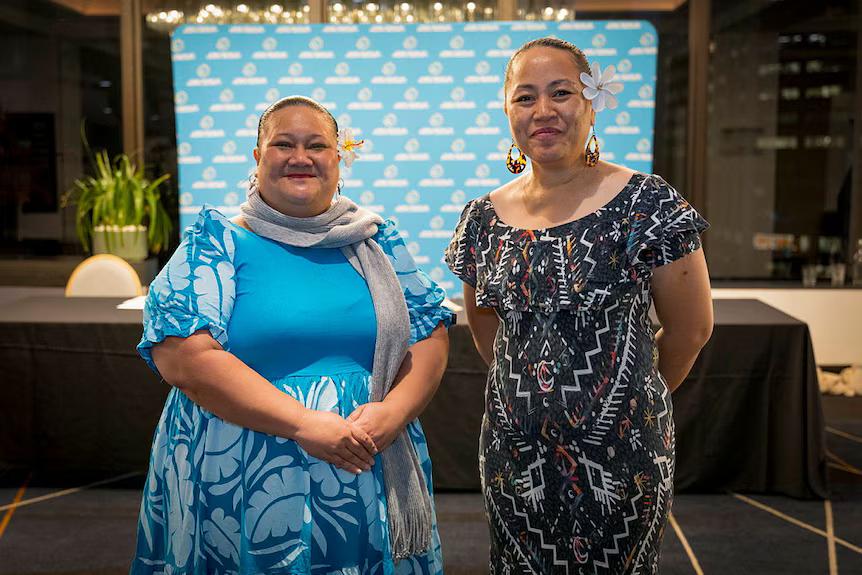
Sāmoa Police Detective Superintendent Lefaoali'i Aldora Mamaia with Vanuatu's Pacific Fusion Centre Assistant Director Monalisa Tiai-Keti at the meeting. Following the 2022 Tonga eruption, leaders say a new treaty will help island nations manage the "jostling" influx of international donors while protecting their own sovereignty. Photo/Australian Department of Defence
The treaty would also govern the Pacific Response Group (PRG).
Originally set up in 2024 for natural disasters, regional leaders now want to "broaden the mandate" of the RPG so it can tackle "stabilisation operations" and effectively help stop unrest before it spirals out of control.
Admiral David Johnston, Chief of the Australian Defence Force, said the PRG would form a "hub" for crisis response that "each nation is able to build on".
"We're really building it out so we have all of those options available for our leaders and for any Pacific country to call for that support," Johnston told the conference.
While the move is seen as a way to limit "malign influence" from outside actors, Pacific leaders are making it clear that their own sovereignty comes first.
Any deployment under the new treaty would only happen by formal invitation.
"It's by invitation. That's a sovereignty issue," Fielakepa said, adding that "all the Pacific nations have to agree on this before it's really formalised."
During his analysis, Mike Hughes from the Australian Strategic Policy Institute said the treaty is a major step toward a united Pacific.
He described it as "another plank in the broader Pacific integration agenda" aimed at tackling regional challenges together.
Security expert Anna Powles from Massey University told the ABC the shift is "highly significant" because it creates a legally binding framework, moving away from the ad-hoc interventions of the past.
For the people of the Blue Pacific, it’s a clear message: in times of trouble, the first call for help should stay within the family.