‘He gives us genuine flexibility’: Fainga’anuku returns to All Blacks
Latonya LoleTue, 27 Oct
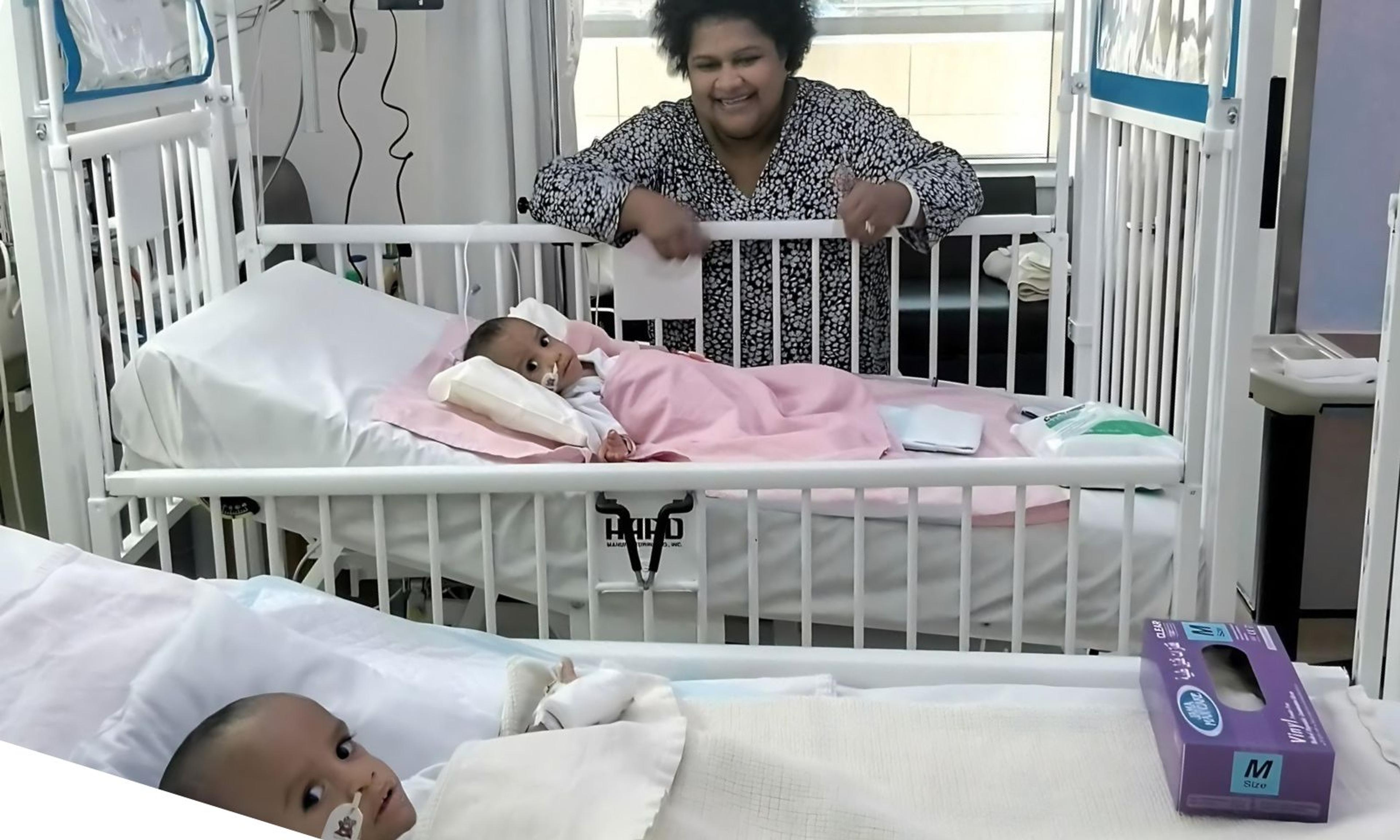
Akeneta Vulimaiigiladi with daughters Jesepeli (Noura) and Dicecea (Sarah) Kikau at the King Abdullah Specialist Children’s Hospital in Riyadh after their separation surgery.
Photo/Supplied
After a premature birth, months of uncertainty and a journey across continents, Akeneta Vulimaiigiladi’s conjoined twins are recovering in hospital, following successful separation surgery in Saudi Arabia.


For Fijian mother Akeneta Vulimaiigiladi, the journey toward holding two separate, healthy baby girls began with a pregnancy that defied every expectation.
Carrying triplets, Akeneta faced a daunting reality when medical scans revealed that while one baby was developing independently, two of her daughters were physically joined at the abdomen and pelvis.
“I had previously not known about their condition until I got transferred to the antenatal care at Suva Hospital where a visiting team of overseas doctors informed me that two of my babies were conjoined,” she told PMN News.
“It was a very emotional moment for me and I couldn't stop crying.”
Arriving healthy, but 11 weeks prematurely in September 2025, were daughter Hossana, and conjoined sisters Jesepeli and Dicecea Kikau who shared vital organs.
“Up until then, we had only heard and watched about conjoined babies online.”
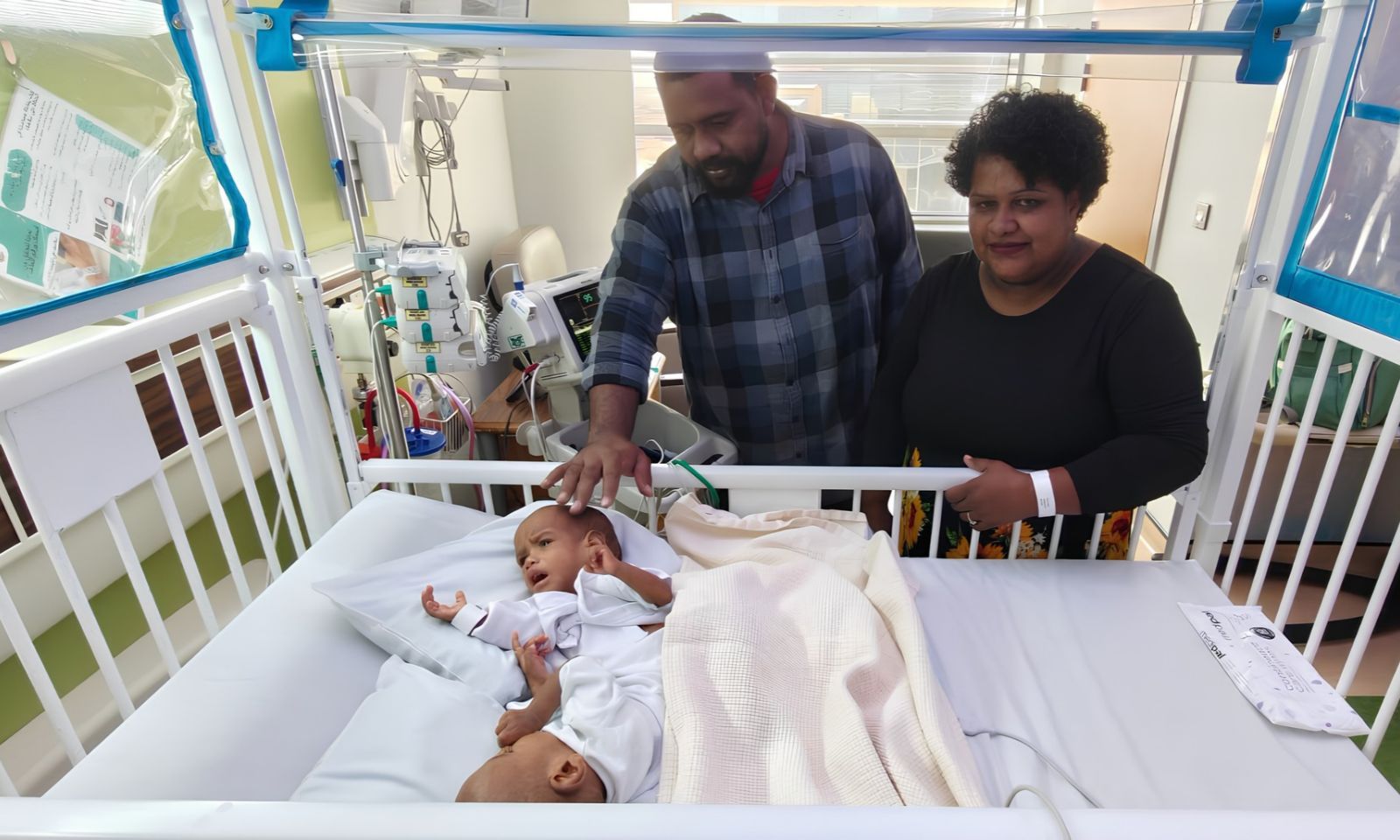
Akeneta and Watisoni iVulimaiigiladi with their conjoined daughters at the King Abdullah Specialist Children’s Hospital in Riyadh, Saudi Arabia..
“Seeing them for the first time was a different experience for us as parents and we were happy that they were in good health.”
The twins spent almost four months in the Neonatal Intensive Care Unit before being discharged. During that time, Vulimaiigiladi says doctors told them about what to expect and available options for their care.
“At first, my husband and I didn't want them to undergo separation surgery, as we thought they were too small and we just wanted them just as they were.
“But we were advised by doctors in Fiji that as they grow, the sisters would want to live normal lives like any other children their age, so we finally agreed to specialised surgical care overseas.”
The Fijian doctors began an exhaustive search for specialised surgery at hospitals in the US, New Zealand, Australia and Mexico.
But all those hospitals needed money the family didn't have.
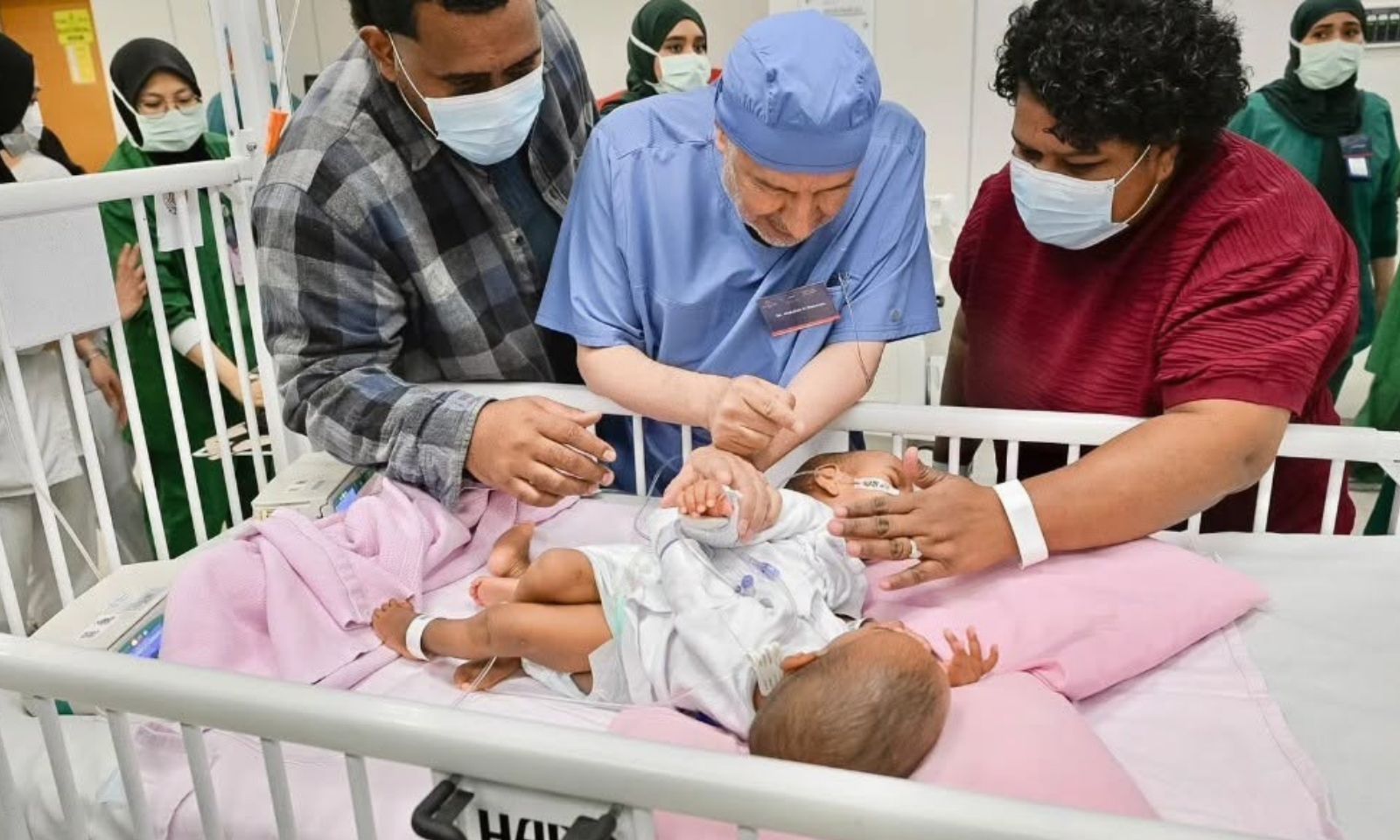
The Saudi Program for Separating Conjoined Twins was launched by the Kingdom of Saudi Arabia in 1990 to receive and operate cases of conjoined twins from around the world.
The breakthrough came from the Saudi Conjoined Twins Program, where the surgery would be carried out for free.
In July, Vulimaiigiladi, her husband Watisoni and the conjoined sisters embarked on a life-changing journey, leaving Fiji for the King Abdullah Specialist Children’s Hospital in Riyadh.
The hospital’s Head of Surgery Dr. Abdullah Al Rabeeah was assembling a 35 member multidisciplinary team of medical and surgical experts for the nine-stage operation.
“We found that the twins are joined in their abdomen and pelvis. They share a liver, also they share the latter part of the small bowel, and also the colon. And,they also share one anal canal..they are joined in the urinary and genital system, and one pelvic bone.”
Al Rabeeah says there were risks.
"We are dealing with the liver, which is very risky. We are dealing with the bowel, very narrow pelvis, genital, and urinary systems.
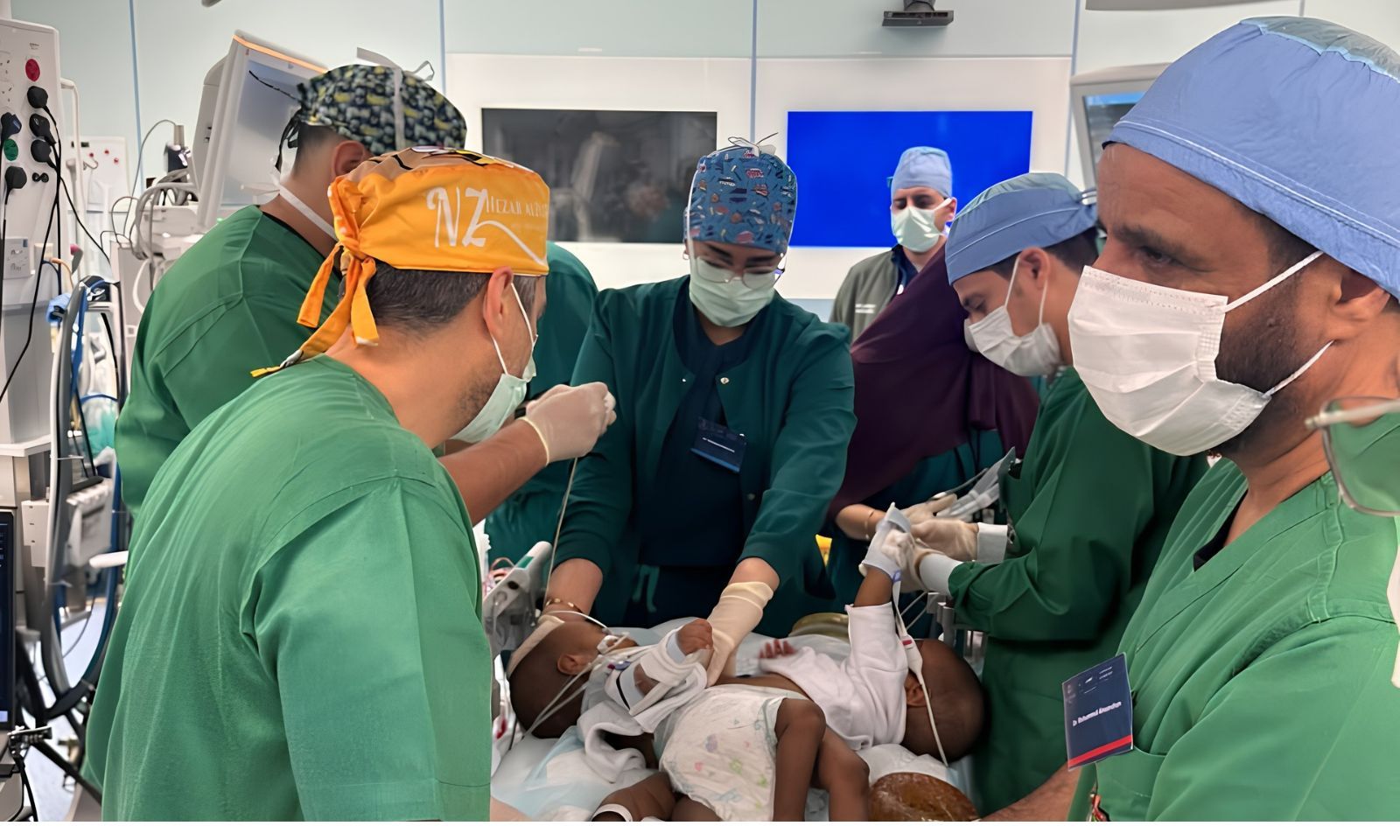
Led by the Head of Surgery Dr. Abdullah Al Rabeeah, the operation was carried out by 35 member multidisciplinary team of medical and surgical experts in 12 hrs 24 minutes and done in nine stages. Photo/Supplied
"There are challenges, but our experience has been long, and I trust my team."
After two weeks of preparation, the conjoined sisters underwent separation surgery in October.
The Vulimaiigiladis watched every development from nearby via a dedicated video feed, supported by medical staff who explained each step in real time.
“We had prepared ourselves for the surgery; we were not disheartened.”
The team completed the separation well within a 15-hour window.
Vulimaiigiladi was in tears.
Watch the completion of the separation of the conjoined sisters at the King Abdullah Specialist Children’s Hospital below.
“We were over the moon. We were happy both our girls survived the operation.”
Before surgery, the parents chose new Arabic names for their daughters as a gesture of gratitude to the Saudi government: Noura for Jesepeli and Sarah for Dicecea.
Vulimaiigiladi says the girls are now recovering in a general ward after spending time in intensive care.
“They are breathing well on their own and are not hooked up to any machine. They are also eating well.”
For the couple, seeing their daughters lying in separate beds breathing independently marks the end of an exhausting, prayer-filled journey across continents and the start of a whole new life.
What started with tearful ultrasound scans in Suva has transformed into a story of resilience, international compassion, and answered prayers.
Watch the behind the scene news report on the separation surgery below.
As Noura and Sarah continue to gain strength each day, their mother looks forward to the moment she can finally take them home to Fiji, no longer bound together by biology, to meet and grow up with their triplet sister Hossana.