No safety net: Sange Malama’s uphill battle for Rangitata electorate
Khalia StrongTue, 23 Jun
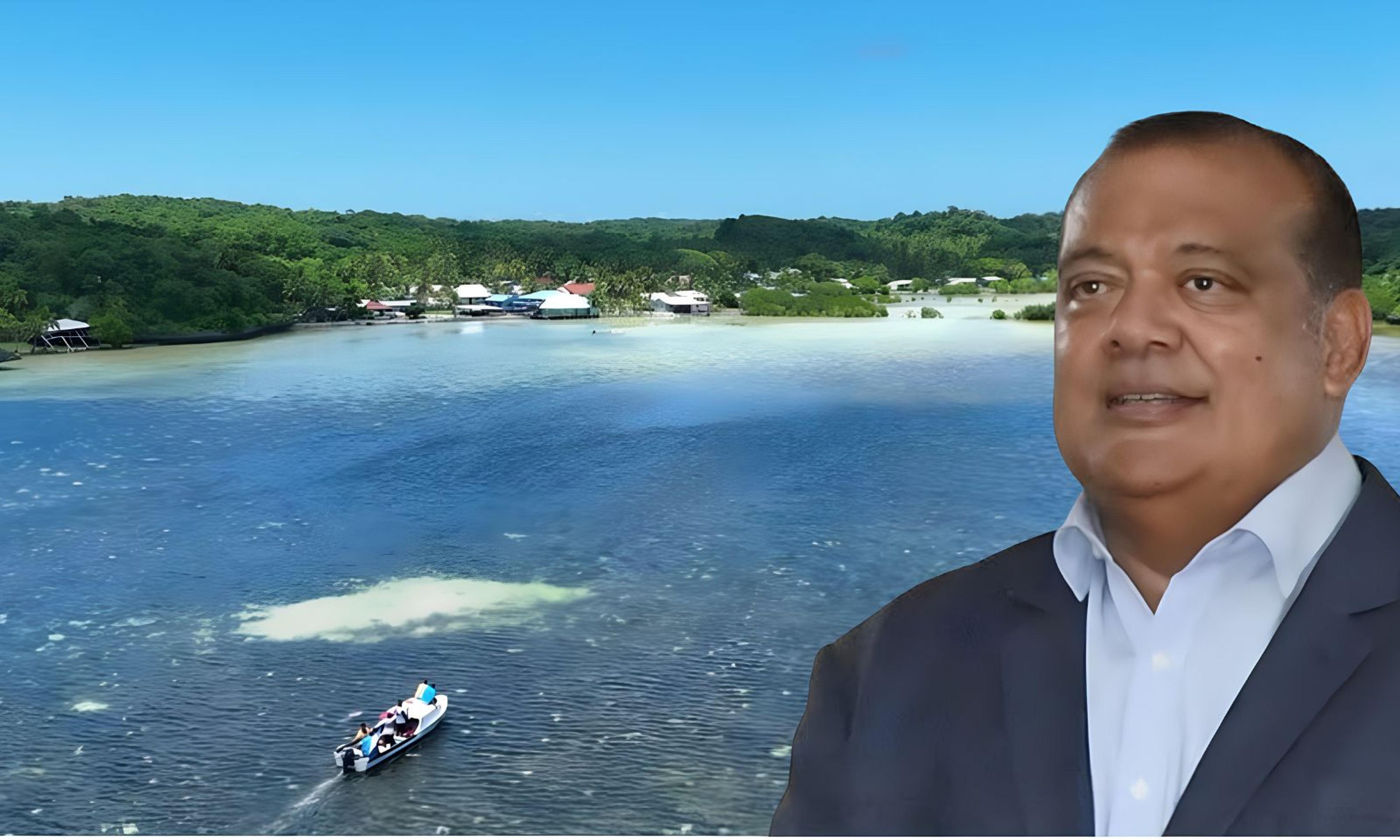
The paramount chief of the Lau Province in Fiji Ratu Tevita Kapaiwai Lutunauga Uluilakeba Mara with Komo Island in Lau in the background.
Fiji Government
The discovery of 62 suspected narcotic parcels has prompted warnings that maritime communities are under threat and being forced into an under-resourced battle against transnational drug cartels.



A Fijian chief is openly questioning the value of international security deals asking why local villagers are now forced to become unpaid, under-resourced front-liners for a foreign drug war that’s found its way onto their shores.
Lau paramount chief, Tui Nayau Ratu Tevita Kapaiwai Lutunauga Uluilakeba Mara raises the concern after Fijian police reveal the discovery of 62 suspicious packages containing white substances drifting in the Lau Group and other coastal regions over the past few days.
“If a package of drugs meant for Australia ends up on a Fijian beach, what do the people of our maritime provinces actually gain from our security pact with Australia under the Vuvale Partnership?
“We carry the risk while others take the reward,” Ratu Tevita stated, noting the irony of the drug wash-ups happening at the same time a regional security conference was being held in Suva and the arrival of the United States Coast Guard in Fiji.
“The drugs washing ashore on our villages and populated coastlines do not arrive by accident.
This is beginning to look like a well-orchestrated plan and our people are being left defenceless while Suva holds yet another forum,” he says.
The Tui Nayau is demanding immediate action in restoring customary village by-laws, banning uninspected foreign vessels, providing drug test kits, and diverting conference funds to affected maritime communities.
“No forum at the Grand Pacific Hotel will keep drugs off the beaches of our islands in Lau - only practical, funded, community-led action will,” Ratu Tevita says in a statement.
“We are seafarers. We know our seas and our weather like the back of our hands. Empower us to use that knowledge.”
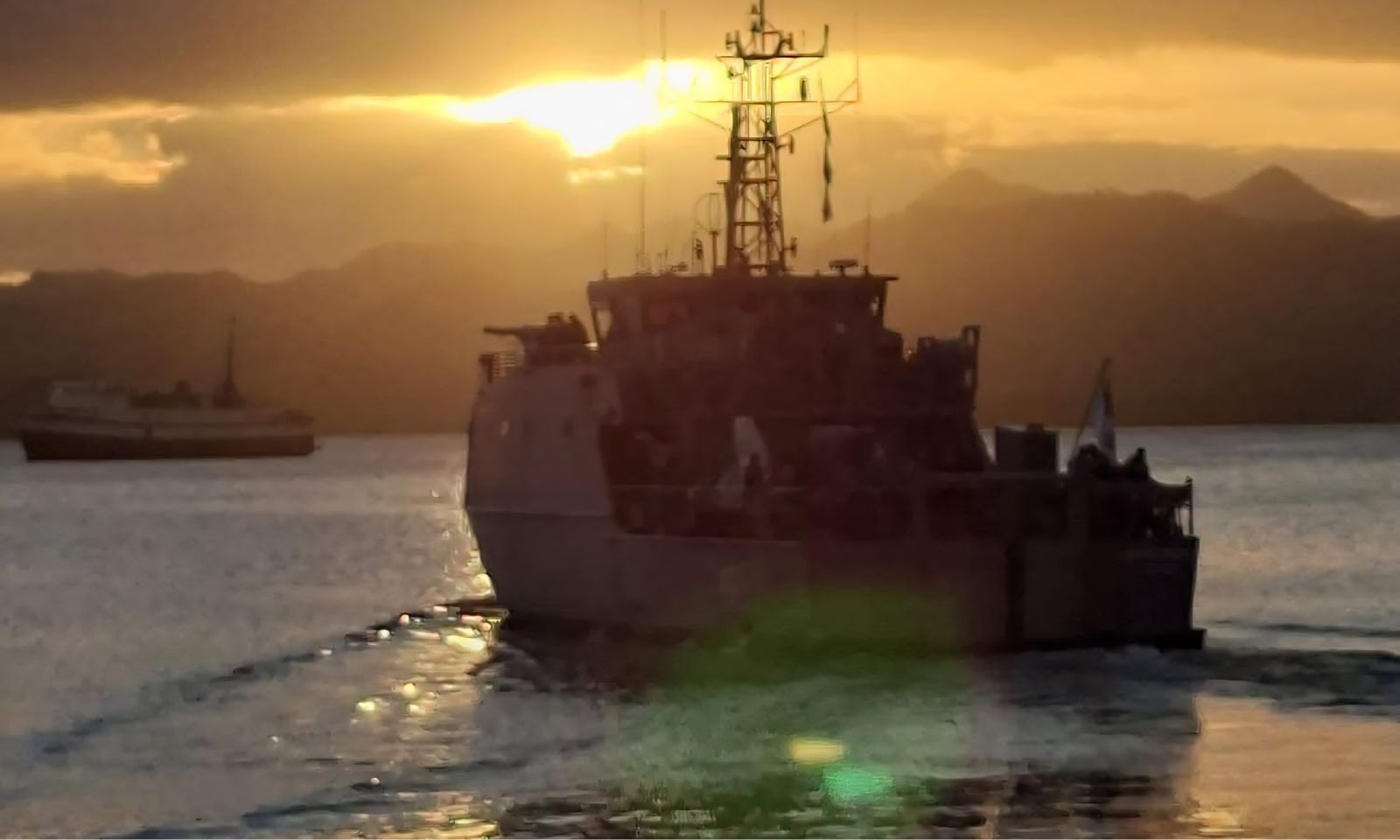
Fiji Navy vessel carrying officers from Fiji's Forensic and Criminal Investigations Department deployed to conduct further enquiries and retrieve the suspected drug parcels. Photo/Fiji Police Force
Fiji Police are currently analysing 27 drug parcels recovered from Lau while 35 additional parcels found near Munia Island are being retrieved for testing.
On Saturday morning, another package was discovered on the Qamea shoreline, near Taveuni.
Additionally, a sealed clear plastic containing white powder found earlier in Kadavu has tested positive for cocaine.
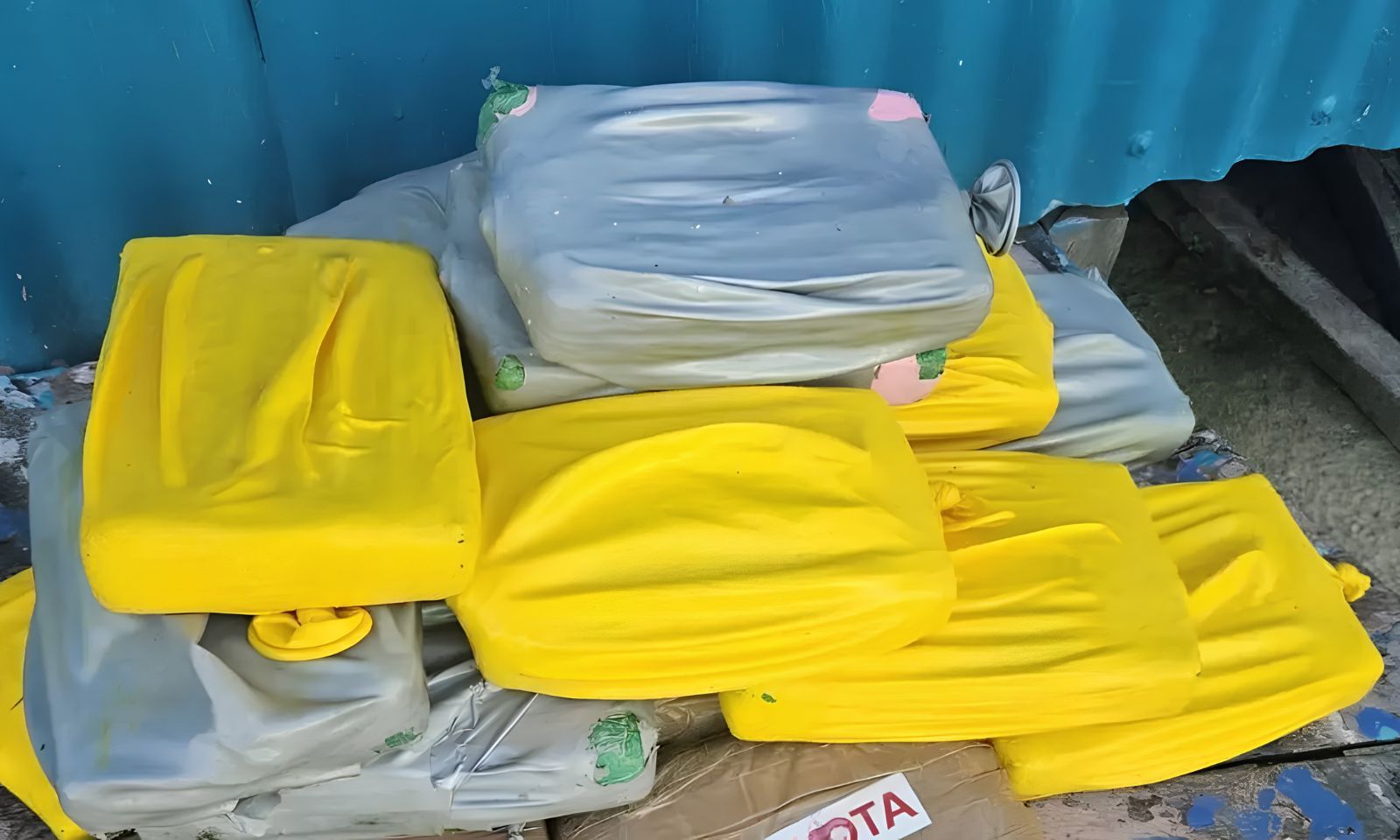
Some of the suspected drug packages retrieved from shorelines along sevaral islands in Lau. Photo/Facebook/Uluilakeba Fleet
On Komo Island, in Lau, a villager retrieved a "TESLA" branded package floating near their shoreline.
“This has brought fear into our homes, especially our children who swim on our beach every day,” villager Koroi Laisa told the Fiji Sun newspaper.
“The drugs are now with the village headman. We fear that one day our children might start consuming it.”
Ratu Tevita echoes the statement, and has issued a direct warning to Fijian authorities.
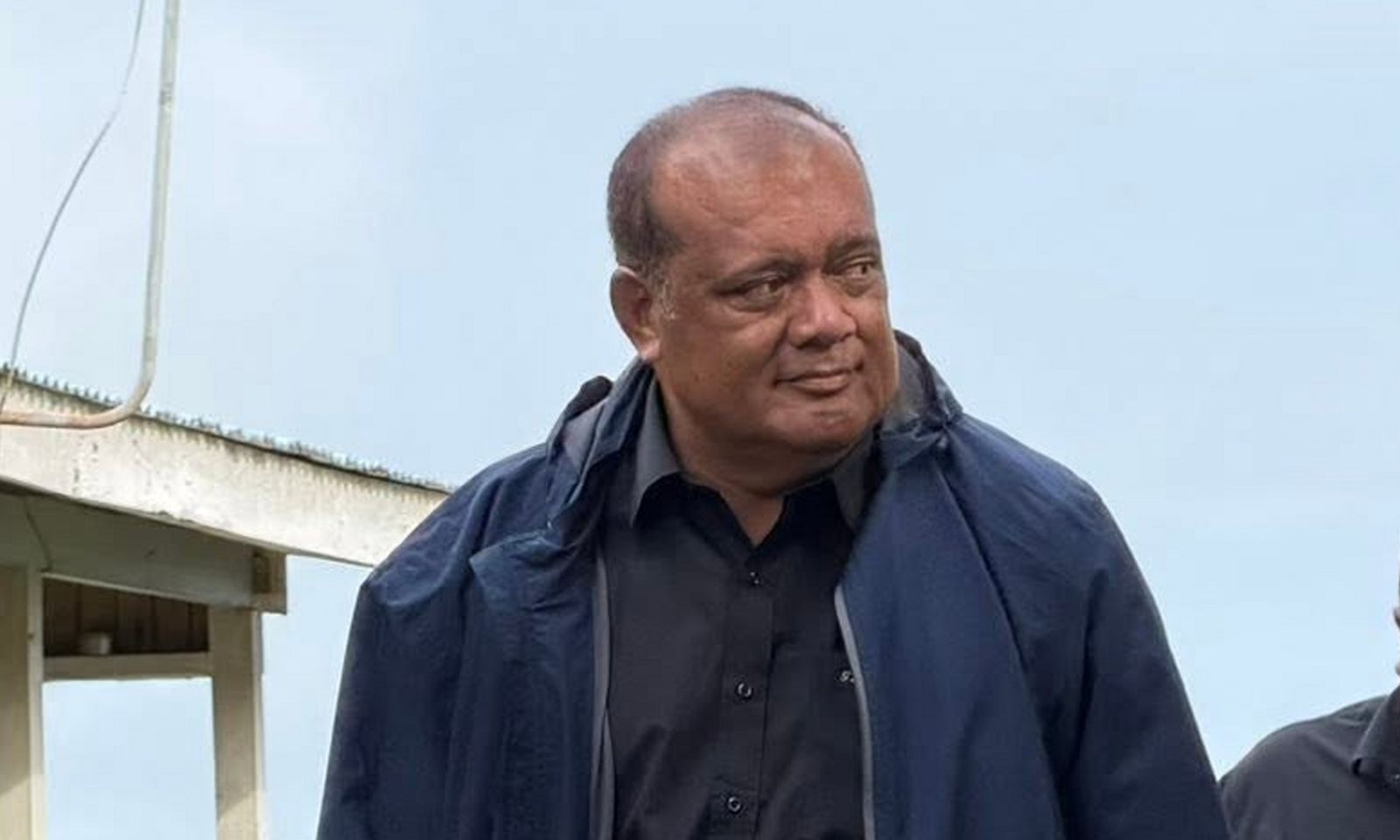
Ratu Tevita says au chief says urgent action is needed before curiosity and opportunity turn a growing coastal threat into a community crisis. Photo/Fiji government
“If the government continues to neglect our communities in the face of this crisis, the day will come when our own youth realise the true worth of these finds,” he says.
“Through that gross negligence, we will have bred an entirely new generation of drug dealers. "
Fiji’s Minister for Rural and Maritime Development Sakiasi Ditoka says the nation is locked in a high-stakes war against sophisticated international drug cartels, framing the crisis as a battle to protect children, families, and the future.
He says well funded global criminal networks are exploiting Fiji’s strategic location in an expanse 1.2million square kilometre of ocean.
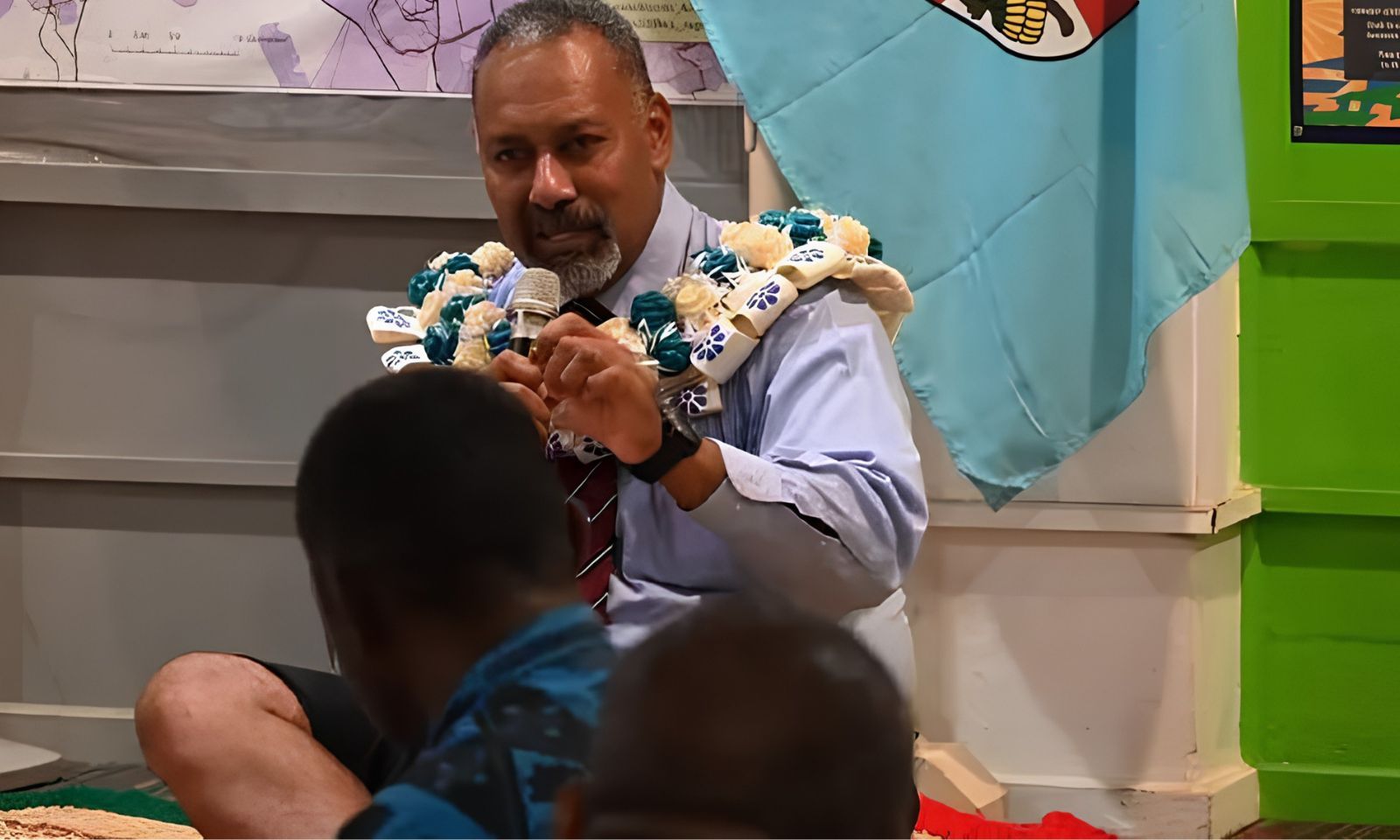
Fiji's Minister for Rural and Maritime Development Sakiasi Ditoka says the same routes used for legitimate trade are also being used to transport drugs. Photo/ Fiji government
“Fiji sits in the middle of a vast ocean network connecting Asia, the Americas, Australia and New Zealand - the same routes that facilitate legitimate trade and movement are also being exploited by sophisticated transnational criminal networks,” Ditoka says.
He claims institutional weaknesses, compromised systems, and a lack of resources across several agencies has allowed organised crime to exploit existing vulnerabilities.
Ditoka noted that recent drug wash-ups were found by ordinary citizens, not high-tech surveillance, proving public vigilance is Fiji's first line of defense.
“The truth is that every Fijian is now part of this fight,” he declares. “We are all front-liners.”
Watch this video of villagers on Komo Island in Lau finding a suspected drug parcel.
In a recent social media post, Ditoka says effective border control requires a total-population effort and while the battle against drugs will be long, the government vows zero retreat.
“The cartels are fighting for a quick dollar. We are fighting for the future of our nation.
“We will not budge. We will not retreat,” Ditoka says.
Fiji Police is urging those living along coastal areas to immediately report the discovery of any suspicious parcels and to avoid handling or opening them.