
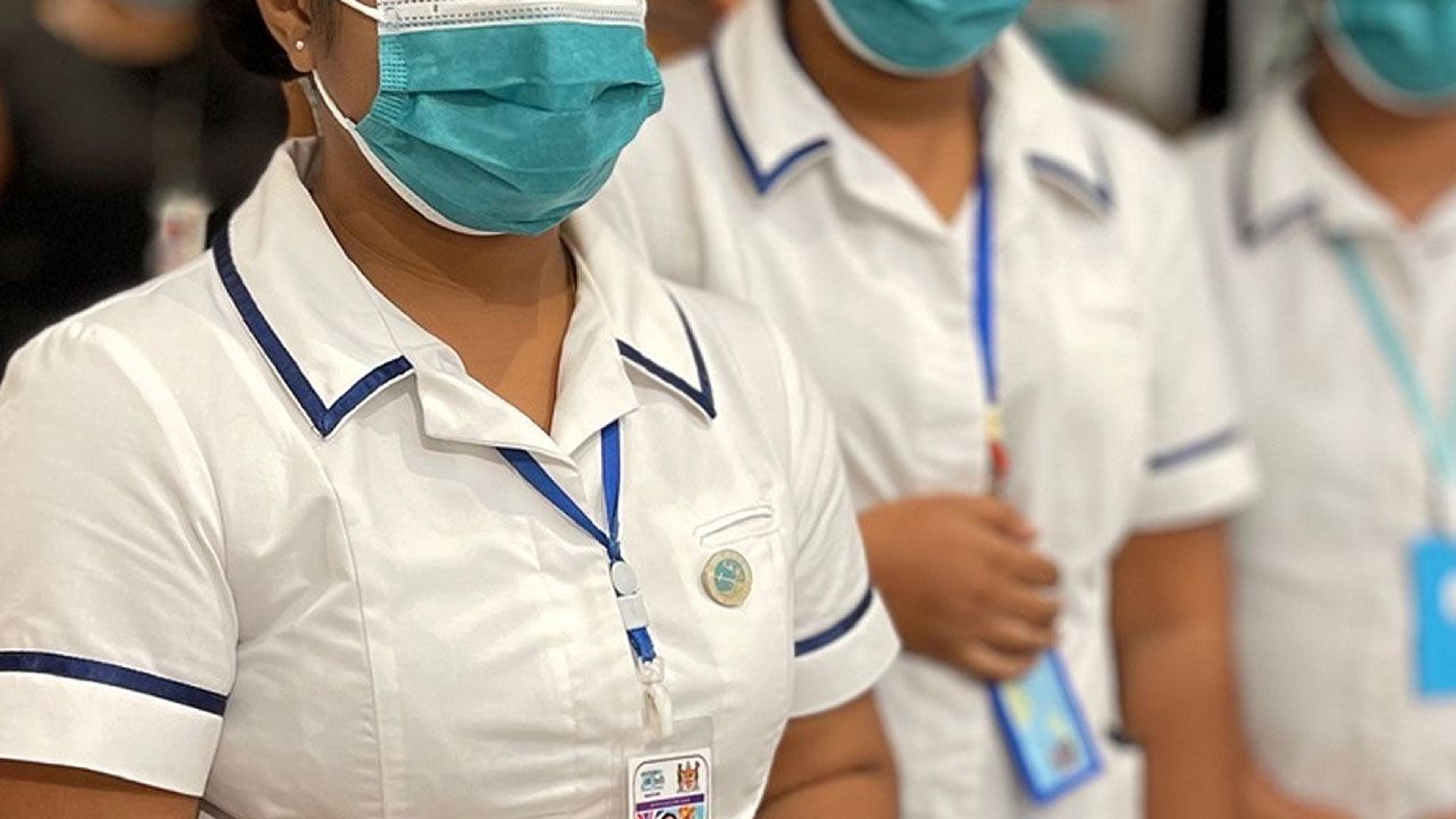
Registered health workers pictured during training, highlighting Fiji’s challenges in retaining skilled staff as labour mobility and overseas opportunities draw professionals away.
Photo/PINA
Pacific Region
Fiji skills shortage: Govt seeking help from diaspora amid Pacific workforce pressure
Fiji is urging students abroad to return home to fill critical gaps in health, trades, and social services as experts and community voices call for coordinated policies to train, retain, and protect skilled workers.

Christine Rovoi
Published
20 January 2026, 6:29pm
Share
Copy Link
Top stories



Top stories
Fiji's government is sounding the alarm on widening skills shortages and urging students abroad to return home to help fill critical workforce gaps, particularly in health, social services, trades and emerging industries.
At a talanoa session held at Brigham Young University in Hawai‘i, Fiji’s Minister for Information, Lynda Tabuya, appealed directly to Fijian students studying overseas to come back after graduation.
Tabuya says Fiji needs skilled professionals to respond to rising social issues such as family violence, untreated trauma, and rising drug use, as well as to meet workforce needs in justice, health, and other sectors.
“Fiji needs you and there has never been a better time to come home,” Tabuya told the session, urging graduates to see themselves as part of the solution to national development.
The government’s message reflects concern about labour gaps in key sectors, including trades such as plumbing, electrical services, construction, and digital skills - key for national projects and economic growth.
Fiji’s leaders are responding with a range of measures. In addition to the return‑to‑work message abroad, officials have outlined broader policy aims to restructure training, align education with industry needs, and retain talent.
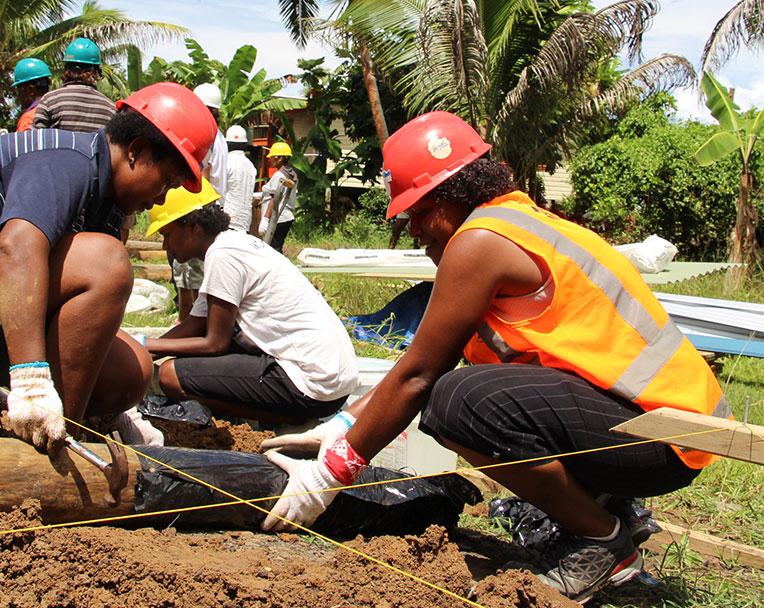
Foreign and local workers contribute side by side on major infrastructure, reflecting efforts to meet demand amid domestic skill gaps and rising migration. Photo/
Permanent Secretary for Employment, Productivity and Workplace Relations Maritino Nemani has described the skills gap as a “constraint on our economic growth and competitive advantage” that requires fundamental reform.
His proposed three‑stage strategy includes reforming basic education, enhancing technical and vocational training, and upskilling the existing workforce.
Nemani also said the government was exploring creation of an independent skills authority to provide robust data on workforce gaps and guide policy decisions.
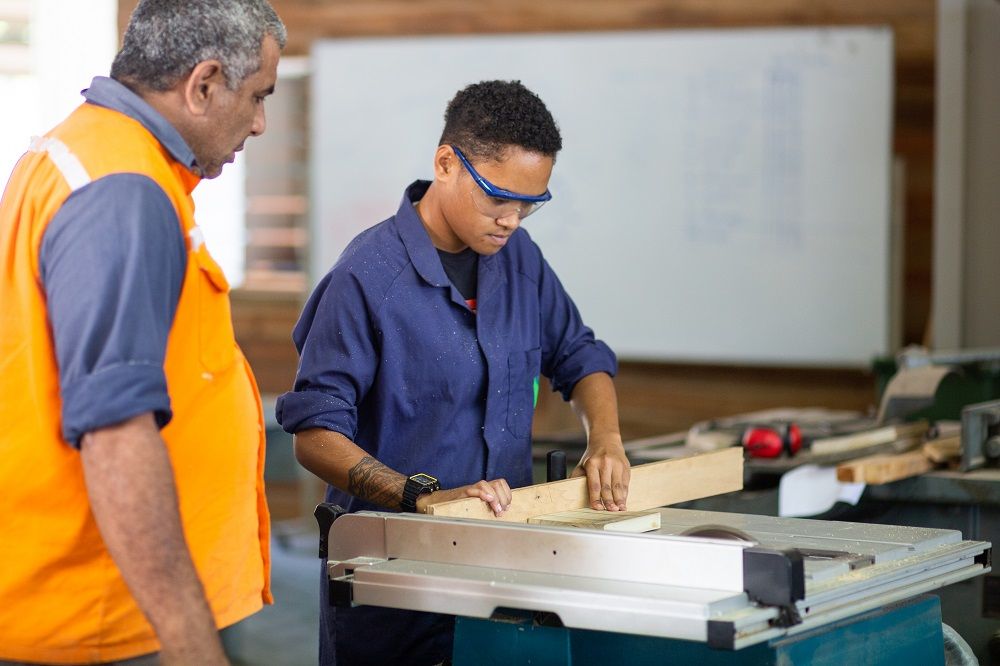
Upskilling and training at the Fiji National University (FNU) are part of national efforts to boost workforce capacity in key sectors. Photo/FNU
Incentives are part of the picture too. Fiji’s Finance Minister, Professor Biman Prasad, defended updated bonding requirements for students supported to study overseas.
He told the FBC the government wants to ensure taxpayer investment in human capital yields a “value for money” return, with graduates contributing skills at home before seeking opportunities abroad.
But there are warnings about inefficiencies in how tertiary education is funded, which some experts say could blunt efforts to close skills gaps.
Dr Mahendra Reddy, a senior academic at the University of the South Pacific, told The Fiji Times Fiji’s current funding model, which subsidises both institutional operating costs and students’ tuition, can lead to double subsidisation and weak accountability.
He says clearer rules and tighter controls are needed to ensure public funds deliver maximum educational value and align with national workforce goals.
“Human capital is the single most important driver of productivity, diversification and social mobility,” Reddy said. He urged reforms to avoid inefficient spending and under‑utilised public capacity.

Student mobility and training programmes are key strategies being promoted to strengthen the domestic labour force.
Fiji’s situation is mirrored across the Pacific. In many island states, a steady outflow of trained professionals particularly through labour mobility schemes is creating shortages that strain national services.
A December report on the Solomon Islands health sector warned labour mobility without strong protections for workers and local systems risked weakening healthcare services as skilled workers depart.
Unions and workshop participants have called for greater regional cooperation, more scholarships, and mutual recognition of qualifications.
Tuvalu operates the Tuvalu Maritime Training Institute to train seafarers for international employment, an important source of income. But this also reflects pressure on small nations to balance training with retaining talent at home.
Meanwhile, labour mobility schemes such as Australia’s PALM programme can intensify workforce gaps in home countries when trained professionals choose overseas opportunities for better pay and conditions, a dynamic seen across Fiji, Sāmoa, Vanuatu, and beyond.
Fijian students in Hawai‘i have told government officials that balancing work, study, and homesickness is challenging. But many see opportunities to apply their skills back home if pathways are supported.
Pacific community and union voices have increasingly called for policies that support training, retention, and safe mobility, emphasising that workforce development should go hand‑in‑hand with protecting local services and long‑term development.