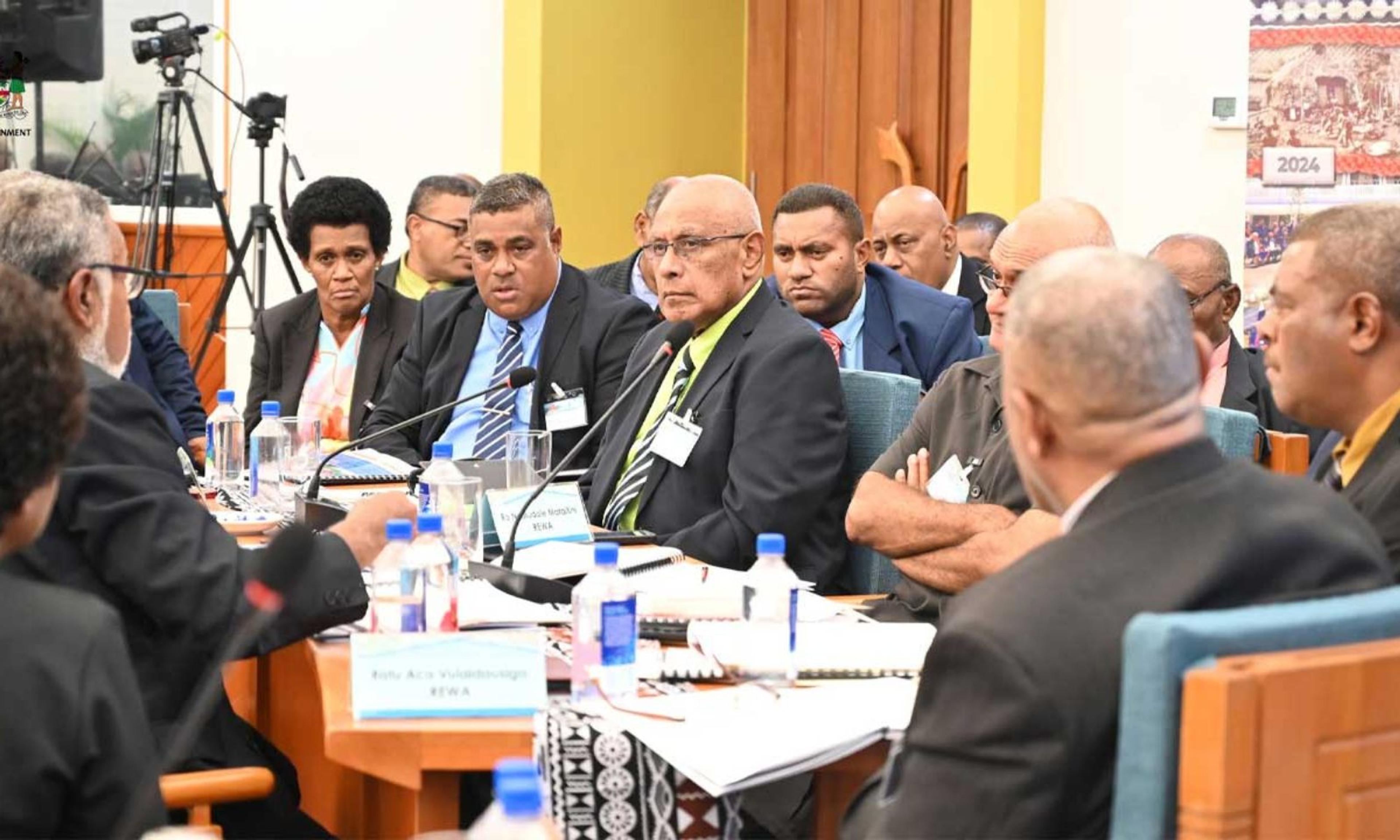
The Great Council of Chiefs has submitted sweeping constitutional proposals, calling for traditional authority to play a central role in Fiji’s future.
Photo/Supplied/file
Pacific Region
Fiji chiefs push bold constitutional changes, sparking public debate
Calls to restrict the name “Fijian”, scrap secularism, and expand traditional authority have drawn both support and concern.

Christine Rovoi
Published
07 April 2026, 9:00am
Share
Copy Link
Top stories


Auckland teen turns a trip to Fiji into a mission to fight period poverty
Elenoa TuragaiviuThu, 15 Oct
Top stories
Auckland teen turns a trip to Fiji into a mission to fight period poverty
Elenoa TuragaiviuThu, 15 Oct
Fiji’s Great Council of Chiefs (GCC) or Bose Levu Vakaturaga (BLV) has put forward sweeping proposals to change the country’s constitution, sparking debate across the Pacific nation.
The council was disbanded by the former government in 2012 but was reinstated in 2023, returning as a formal advisory body with renewed influence over Fiji’s traditional and political affairs.
In its submission to the Constitution Review Commission, the GCC has outlined major changes to governance and rights.
These include giving the council the power to appoint the President and Vice President, and reserving the name “Fijian” exclusively for iTaukei people.
The council also proposes changes to children’s rights protections.
“The Constitution Review Commission confirms that the GCC also wants Section 41 on the Rights of children - protection from punishment to be amended and to include at the discretion of parents and teachers.”
Other recommendations include reintroducing the Senate, including the Deed of Cession and customary laws in the Constitution, and reforming the electoral system, which the council says currently weakens provincial representation and accountability.
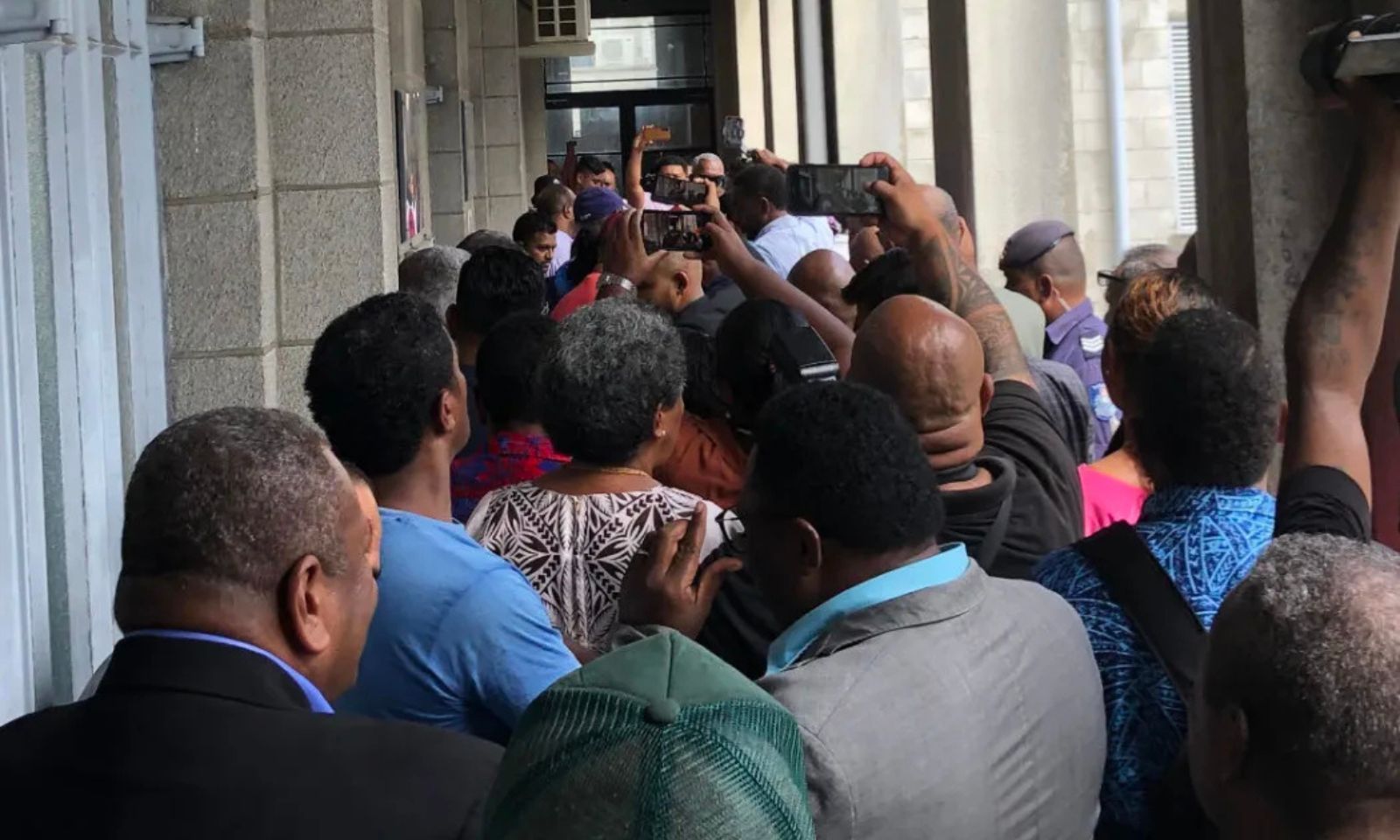
Fijians voice concern online over changes that could restrict who can be called ‘Fijian’ and alter children’s rights. Photo/RNZ Pacific/file
The proposals have prompted strong reactions online. One social media user wrote: “The heck is wrong with these chiefs? I can’t believe I’m saying it but Bhai and Khai were right to dismantle these gang. Just look at their submission on the constitution review.
‘The Great Council of Chiefs has made a number of recommendations in its submission to amend the 2013 Constitution which includes that the GCC is to be the appointing authority of the President and the Vice President, the 'Fijian' name to be reserved for the iTaukei, the section for Fiji to be a secular State to be repealed, and the words ‘gender’ and ‘sexual orientation’ are to be deleted from this expression in Section 26(3) on the Right to equality and freedom from discrimination.’
"And again with the free permission to punish children the way they see fit. ‘The Constitution Review Commission confirms that the GCC also wants Section 41 on the Rights of children - protection from punishment to be amended and to include at the discretion of parents and teachers'.”
Some Fijians are also urging caution around rapid changes. One resident told the media after Prime Minister Sitiveni Rabuka's address at the opening of the GCC in Suva in December last year: “The Constitution cannot be changed overnight.
"We need thorough public consultation and a two-thirds majority in Parliament.”
Professor Steven Ratuva, a political sociologist, has previously commented on the GCC’s role in Fiji. Speaking to ABC in 2024, he said, “The Great Council of Chiefs has committed a lot of mistakes in the past, including being used by some as a leverage for ethno-nationalism and racial hatred.
"It needs to rise above that and must function and be seen as a unifying, reconciliatory and peace-building body,” Ratuva said.
Another voiced concern about priorities: “They should first make the constitution for their own people to help reduce crime, drug issues… and domestic violence.”
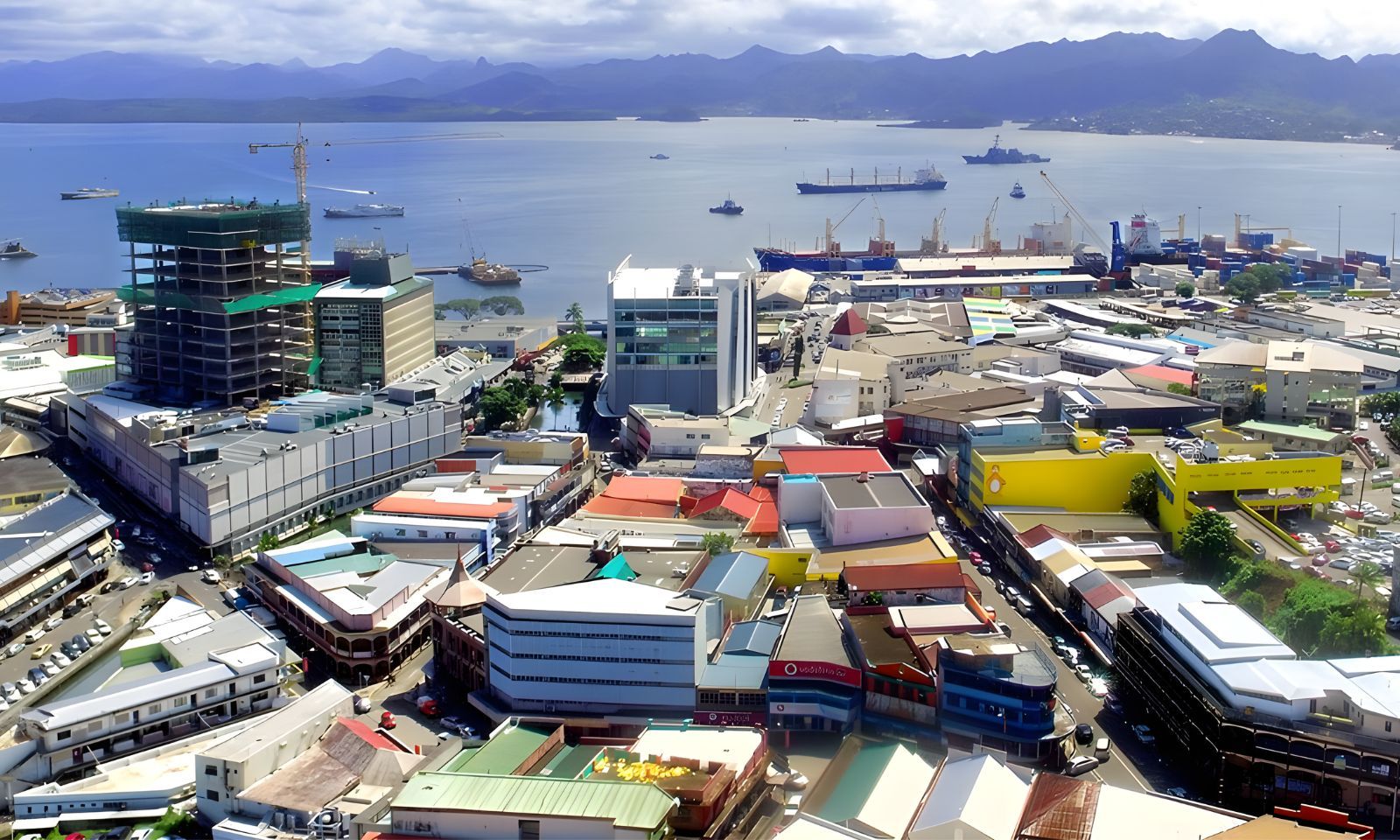
Fiji debates its future as the Great Council of Chiefs proposes major constitutional changes affecting identity, leadership, and children’s rights. Photo/fijivillage
Analysts say the debate reflects a broader shift in Fiji’s politics, with indigenous leadership now “central to shaping Fiji’s political direction”.
The GCC’s proposals are certain to dominate discussion in the coming months, as the nation considers how to balance tradition, identity, and modern governance in shaping Fiji’s future.