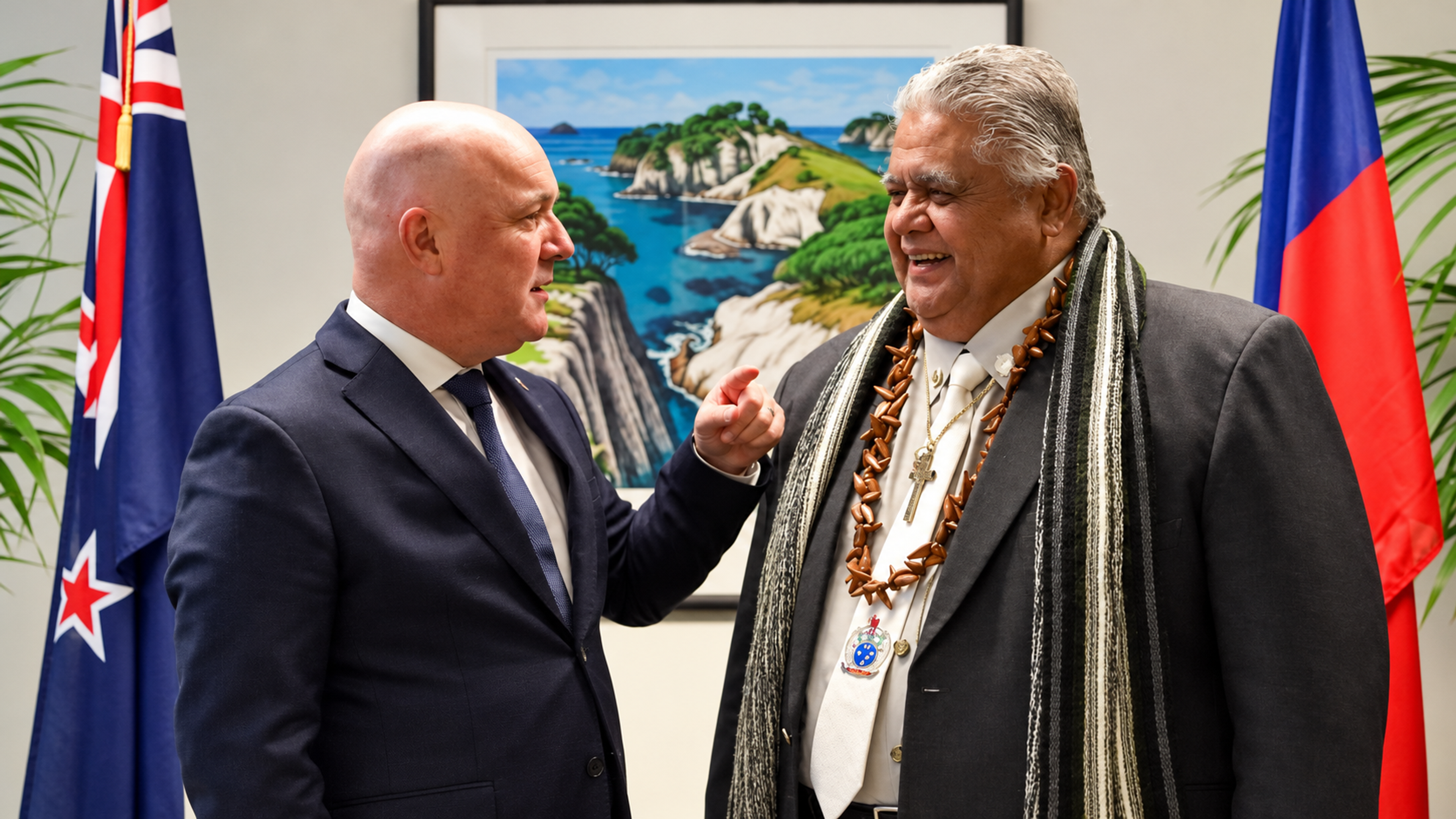
Sāmoa treaty dispute with Luxon 'blown up' by media, says community leader
PMN NewsTue, 27 Oct
Palauan veterans gather during a Veterans Day parade in Koror.
Photo/US Army
Veterans in Palau, Micronesia and the Marshall Islands face long trips for specialist care with the US Department of Veterans Affairs saying access remains limited across the Pacific region.

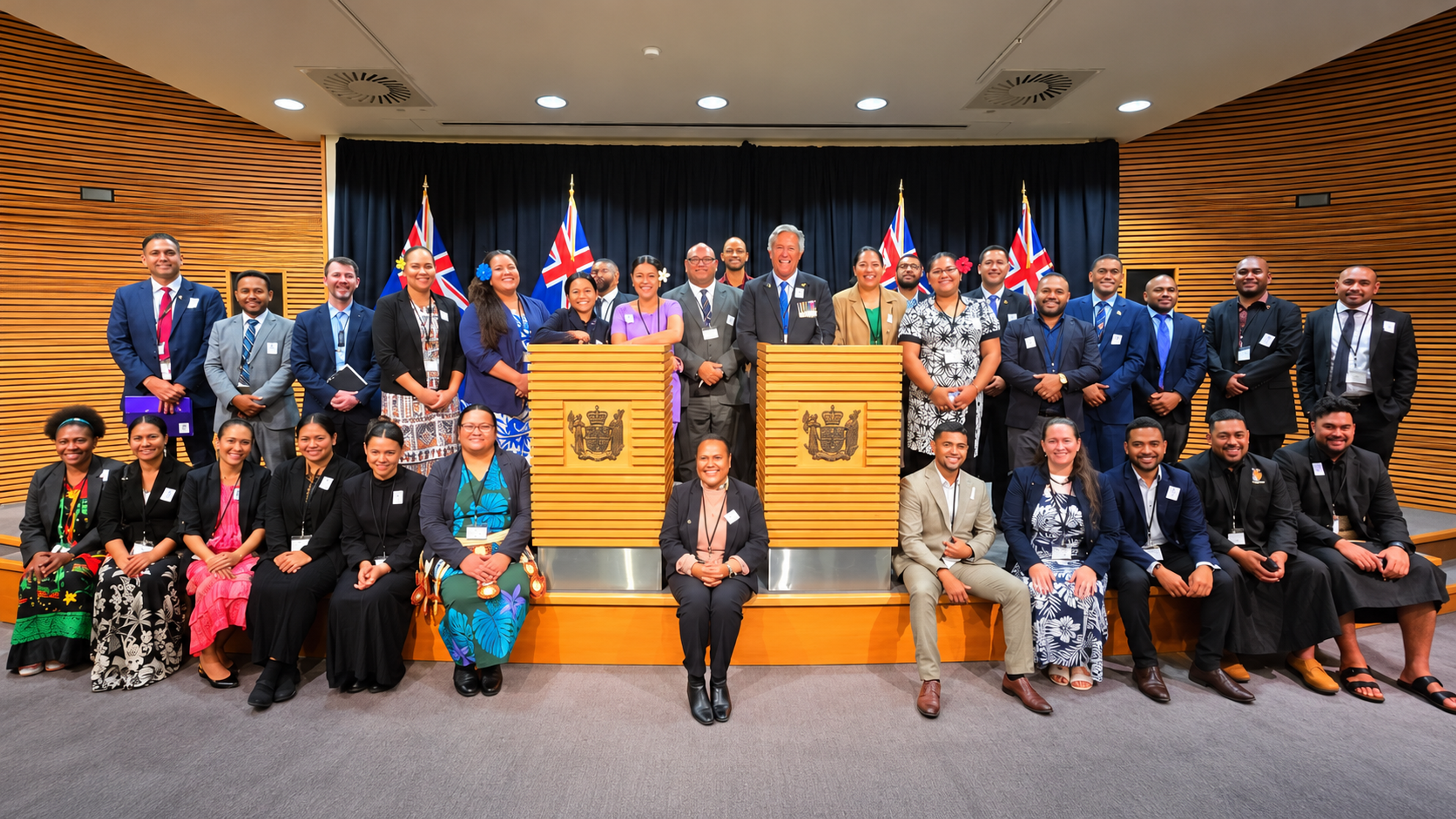


The Department of Veterans Affairs (VA) in the United States is moving to expand healthcare services for veterans living in three Pacific island nations after years of limited access to specialist treatment.
The change affects veterans in Palau, the Federated States of Micronesia (FSM) and the Marshall Islands, known collectively as the US Freely Associated States (FAS).
A new report from the US Government Accountability Office (GAO) says the VA confirmed in August it is pursuing a partial implementation of powers Congress gave it in 2024 to expand healthcare for eligible veterans in the three countries.
The report says plans include telehealth, delivery of medicines and medical supplies, reimbursement for some care provided locally and travel benefits for eligible veterans with service-connected conditions.
But the VA has not provided a timeline for putting the changes in place.
The move follows a 2025 decision by the VA not to use the new powers after assessing the costs and practical requirements of expanding services in the Pacific.
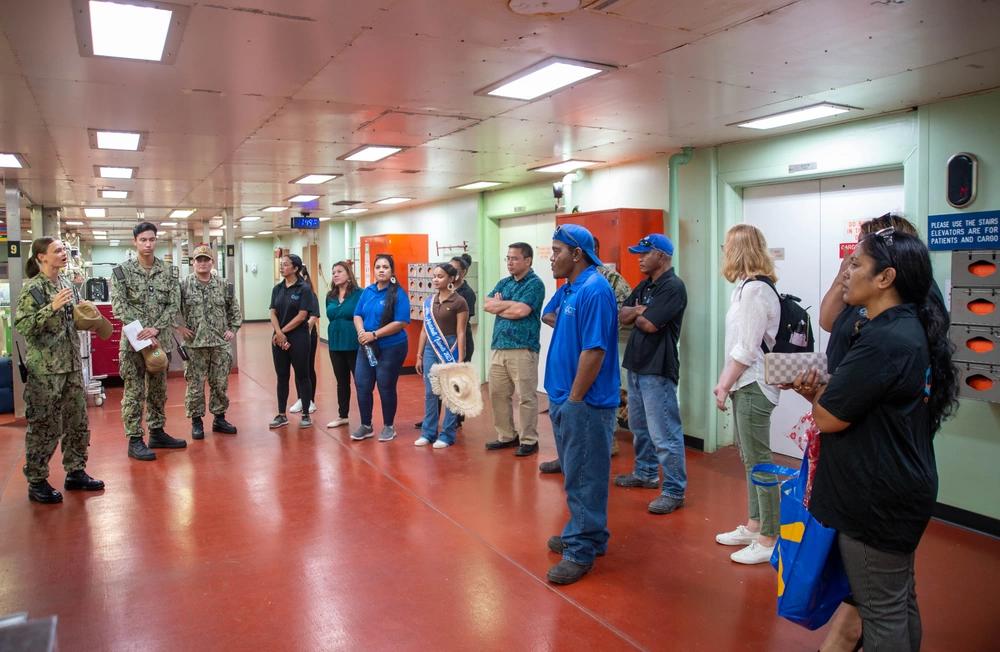
Residents in the Marshall Islands tour the USNS Mercy in Majuro during Pacific Partnership 2024-1. Photo/US Navy
GAO says veterans in the three countries face limited access to specialist services such as mental health and cardiology, while telehealth with VA providers is also not available.
There are no VA medical facilities in the Freely Associated States, which means veterans who need VA care generally have to travel to US facilities like in Guam or Honolulu.
The travel itself can be a major barrier.
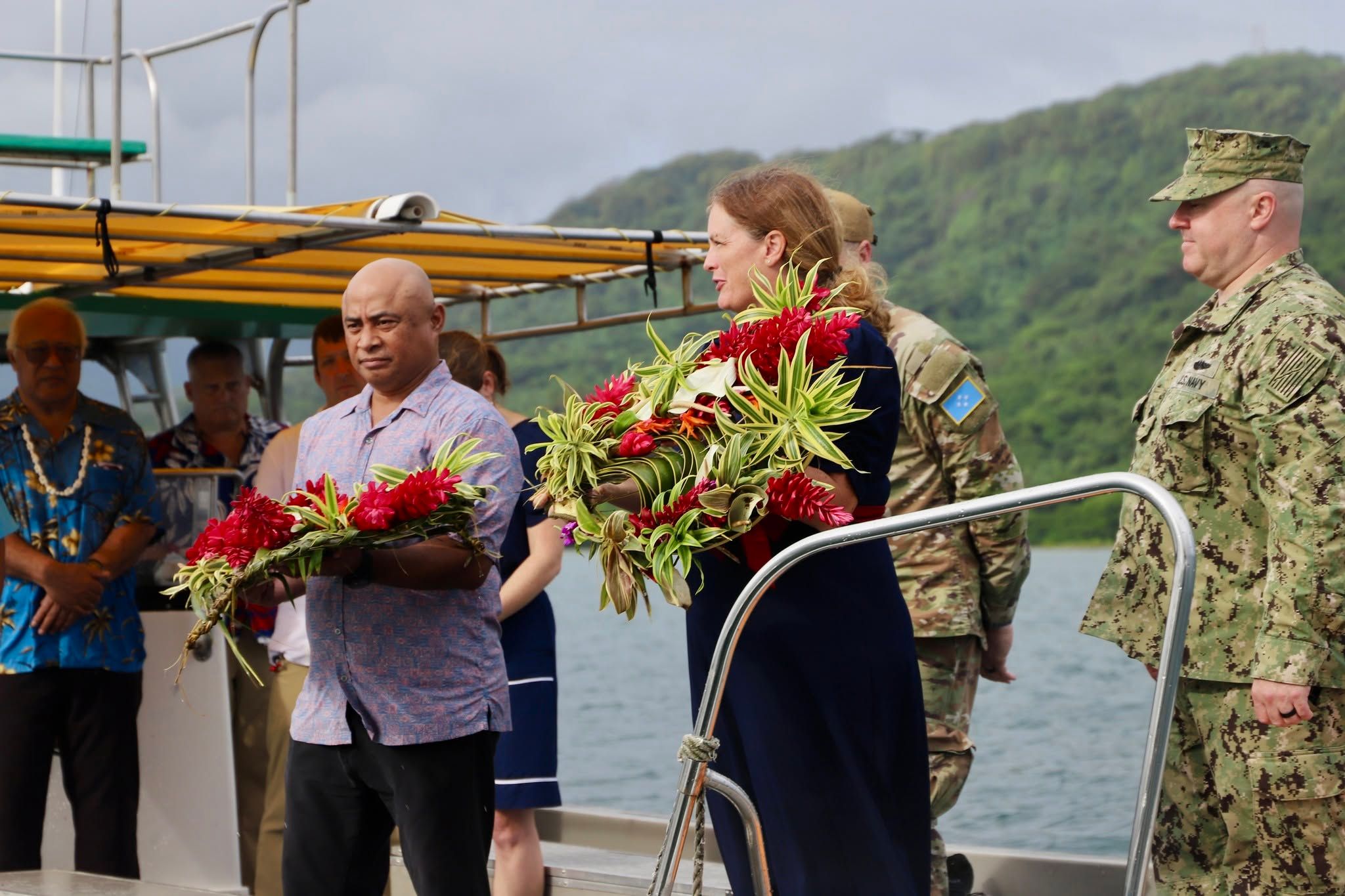
FSM veterans, their families, government officials and members of the diplomatic corps gather for a Veterans Day commemoration in Pohnpei in May 2024. Photo/Facebook/Office of the President, Federated States of Micronesia
Palau's ambassador to the United States, Hersey Kyota, highlighted the problem earlier this year, telling a US congressional hearing that Palau veterans faced difficulties travelling to the US for medical care.
“Palau is so far from Guam and from Hawai'i, and they cannot afford to travel to Hawai'i for medical care,” Kyota said.
Marshall Islands Foreign Minister Kalani Kaneko, himself a former US Army soldier, raised similar concerns in May before the VA confirmed its change of direction in August.
“If these services already existed locally, our veterans would not be forced to travel abroad or continue facing significant barriers to care,” Kaneko said.
GAO says FAS veterans do not receive VA beneficiary travel reimbursement for trips to the United States under the current system.
FSM Ambassador to the United States, Jackson Soram, also warned in comments to US lawmakers in January that veterans returning home faced major barriers to care.
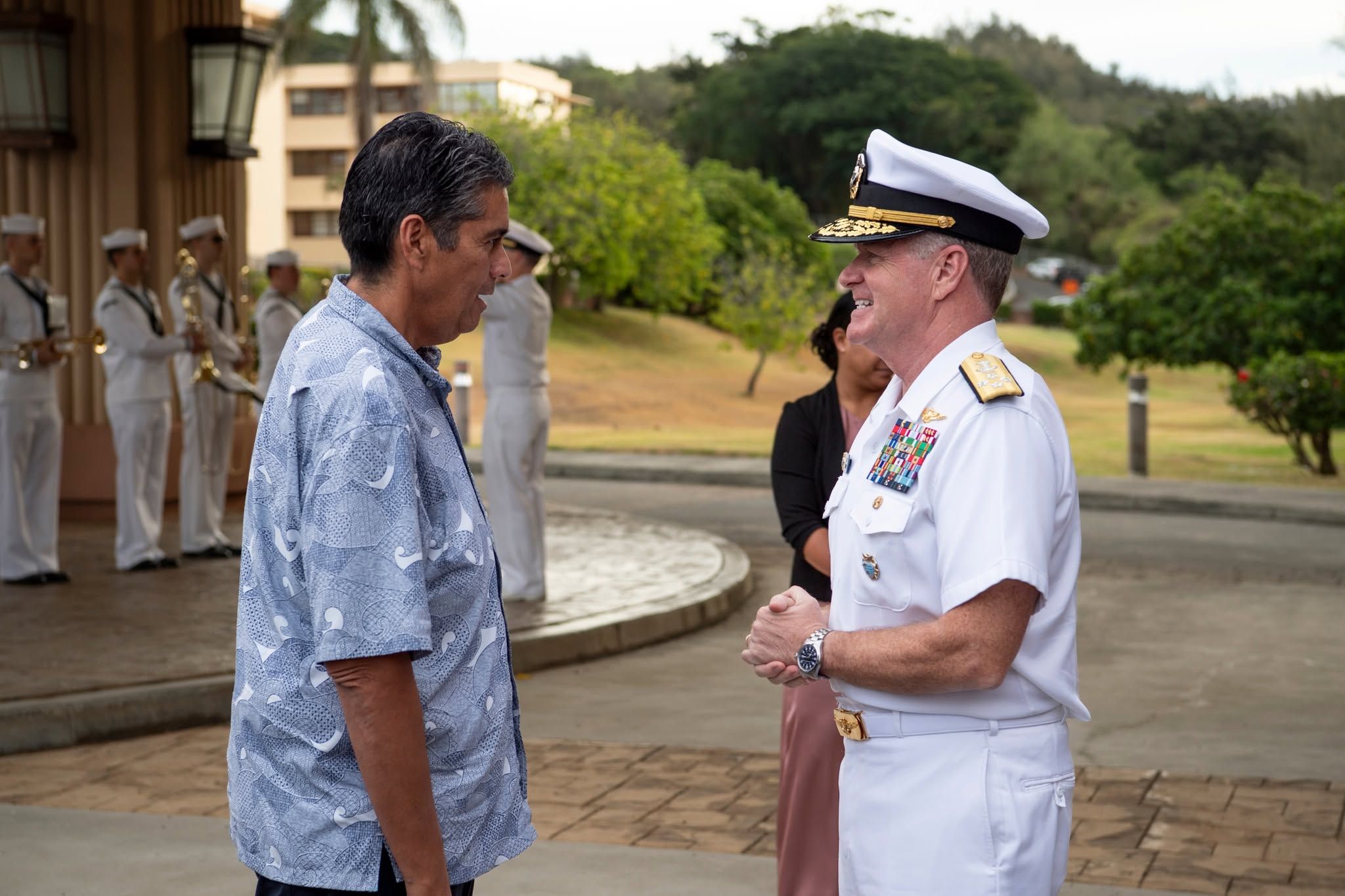
Palau President Surangel Whipps Jr, left, is greeted by US Indo-Pacific Command commander Adm. Samuel Paparo during the Pacific leader's tour of the USS Arizona Memorial in October 2024. Photo/Facebook/US Pacific Command
“Sadly, when our veterans return home, they face significant cost and access barriers to VA healthcare,” Soram said.
A separate 2024 GAO report also found that veterans in these remote Pacific locations can face substantial challenges accessing VA benefits and specialist care.
The latest report says the VA's 2025 assessment found that maintaining the existing system would cost about US$2 million (NZ$3.56 million) a year for healthcare for enrolled veterans across the three countries.
Full implementation of the expanded healthcare options was estimated at about US$26m (NZ$46.26m) a year.
The gap has left veterans living in island communities facing a healthcare system that can require long-distance travel for services not available locally.
The issue is particularly important for mental health as GAO identifies limited specialist services among the healthcare access challenges reported by VA and FAS officials.
The VA began reassessing its position in 2026 after previously ending engagement with the three governments.
GAO says VA officials told the watchdog in July that they intended to resume engagement with the Freely Associated States. By August, the department had confirmed it was pursuing a partial expansion of services.
The proposed changes would require agreements with the governments of Palau, FSM and the Marshall Islands before the new services can be delivered.
Until those agreements and other implementation steps are completed, veterans in the three Pacific countries will continue to face the existing limits on access to VA healthcare.