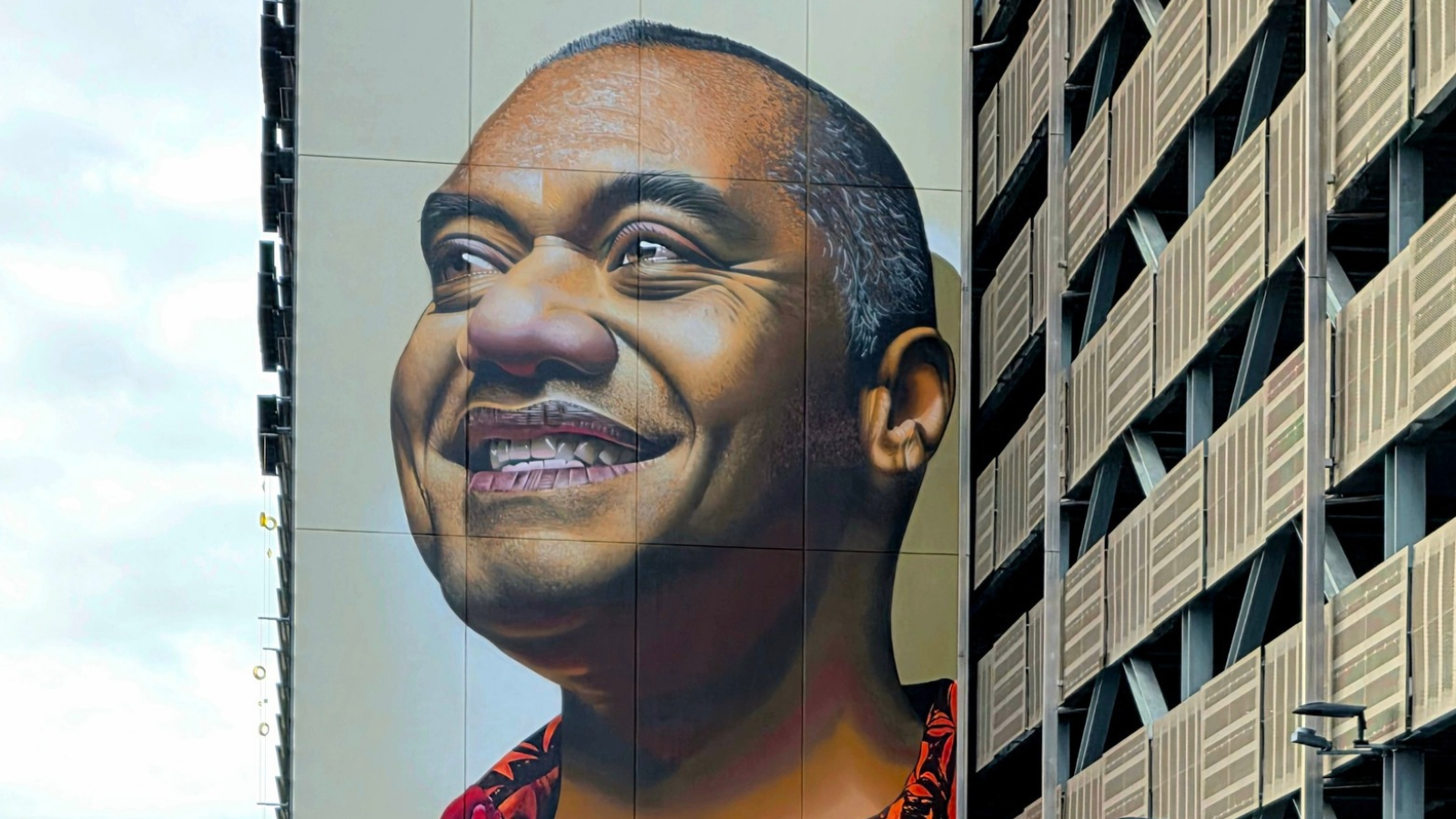
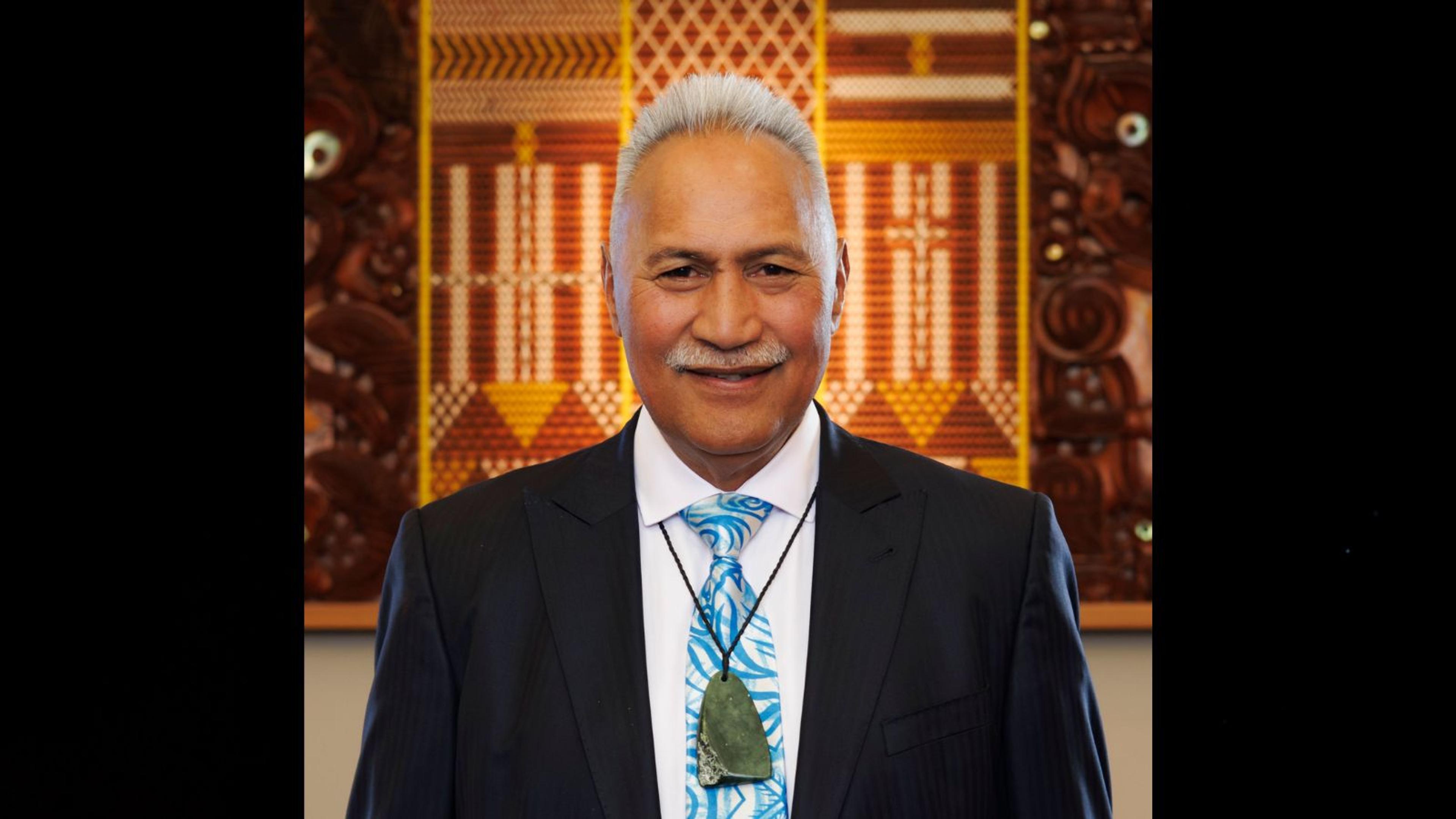
Fauono Ken Laban photo caption: Lower Hutt Mayor Fauono Ken Laban says preserving local representation matters more than preserving his own political future as councils consider sweeping local government reforms.
Photo/Lower Hutt City Council
Local Democracy Reporting
Why NZ's first Pacific Mayor Fauono is willing to give up his job for local representation
As councils prepare amalgamation proposals for the Government, Fauono Ken Laban says local representation matters more than his own political future.

Taelegalolo'u Mary Afemata
Published
24 July 2026, 1:15pm
Share
Copy Link
Top stories
PNG Chiefs win first round against New Zealand Rugby
Christine RovoiSat, 17 Oct
Pacific families must work four days to afford basic food: World Vision
Thomas Tarurongo WynneFri, 16 Oct
Sāmoa demolish France in record-breaking 78-4 RL World Cup opener
Christine RovoiFri, 16 Oct
Top stories
PNG Chiefs win first round against New Zealand Rugby
Christine RovoiSat, 17 Oct
Pacific families must work four days to afford basic food: World Vision
Thomas Tarurongo WynneFri, 16 Oct
Sāmoa demolish France in record-breaking 78-4 RL World Cup opener
Christine RovoiFri, 16 Oct
New Zealand's first Pacific mayor says protecting local representation matters more than protecting his own political future as the Government considers sweeping changes for local government.
Councils have until August 9 to submit an amalgamation plan to Government, which could reduce the number of councils, councillors and mayors across New Zealand.
Lower Hutt Mayor Fauono Ken Laban says discussions about council amalgamation should focus on what is best for communities rather than the future of individual politicians.
In a statement to Local Democracy Reporting, Fauono said New Zealand needed an honest conversation about whether its local government system remained sustainable.
"Presently there are 78 Councils, 841 Councillors including 78 Mayors/Chairs of Regional and Local bodies. There will be less councils, less councillors and fewer mayors/chairs.
The Hutt City Council will amalgamate into a new Unitary, led by a yet to be elected Regional Mayor, he said.
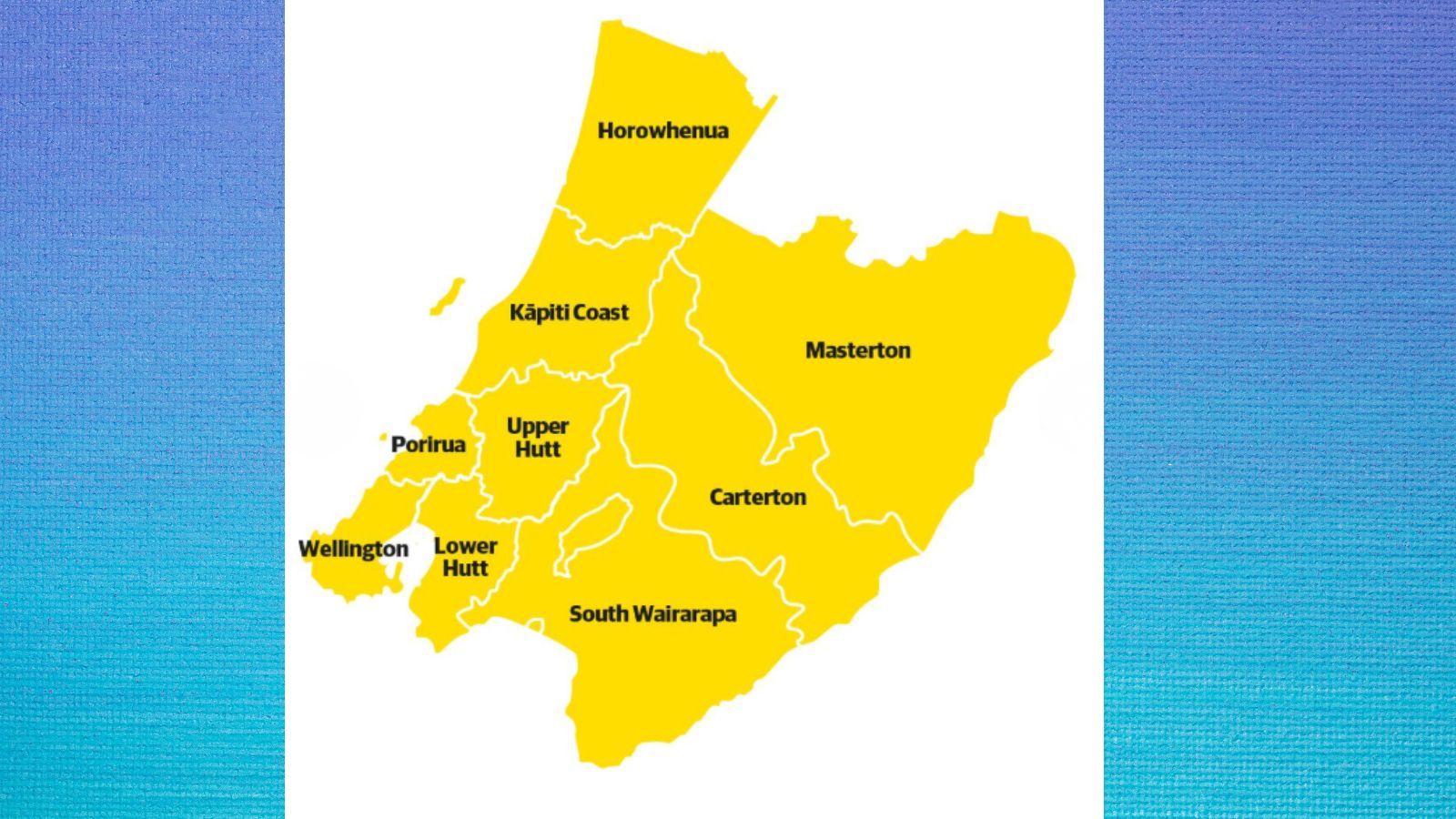
A map of the Wellington region, where councils are considering local government reform. Photo/Wellington City Council
"Being elected as Mayor of Hutt City and First Pasifika Mayor has, is and always be the greatest honour of my life. As a child of the great migration I hope my election serves as a beacon of hope for others in the future."
Fauono said the size of New Zealand's local government sector was too large and the country needed to consider whether a more efficient system could deliver better value for ratepayers.
"The time is right now for a conversation about improving efficiency and economies of scale."
His comments come as councils discuss Government proposals that could establish larger unitary authorities combining regional and territorial council functions.
Speaking to PMN's Pacific Mornings yesterday [Thursday], Fauono said elected leaders had a responsibility to approach the reforms objectively despite the personal implications.
"I'm very likely under this new structure, I may very well be the last mayor of Lower Hutt."
Councils need to look unemotionally at where they can make savings, where there are economies of scale and efficiencies, he said.
Last year's Lower Hutt local government elections included a non-binding referendum asking whether Hutt City Council should explore amalgamation with other Wellington councils while retaining appropriate local decision-making. About 55 per cent of voters supported exploring the idea.
Fauono said they have to do what we think is best for our community.
Watch Fauono Ken Laban's full interview below.
"It will be disappointing to the Pacific community, but also disappointing for communities that support other mayors that are in exactly the same position as I am," he said.
Fauono said protecting local democracy would need to remain central to any reform process.
"If it was best for our community that we keep a Pasifika mayor, then they would have told me, but they're not telling me that. What they're telling me is that they want a governance, a local governance in the future that is relevant, efficient, and well run."
Fauono said Lower Hutt's current council included women and elected members from Indian, Tongan, Samoan and Chinese communities, and he wanted any replacement authority to reflect the people it served.
"I hope there's a diversity," he said. "I hope that final unitary council is a reflection of the community it represents."
The debate also raises questions about what amalgamation could mean for Pacific political representation.
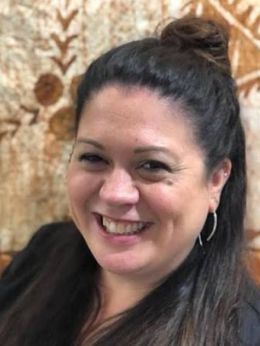
Dr Helena Cook, senior lecturer at the University of Canterbury, says governance reforms should strengthen democratic representation and ensure Pacific communities continue to have a meaningful political voice. Photo/University of Canterbury.
Dr Helena Cook, a lecturer at the University of Canterbury whose research focuses on democratic participation and representation, said Fauono's election as New Zealand's first Pacific mayor was "a hugely significant moment for Pacific political representation" and one that was long overdue.
"Visible Pacific representation matters because it signals to communities that political leadership is a space where they belong and about the experiences, perspectives and relationships which are present in political decision-making.
"Pacific leaders often bring forms of knowledge and community connection that have been shaped by collective responsibility, family, church and cultural networks, enabling them to recognise issues and engage with communities in different ways," Cook said.
She said no individual could represent the full diversity of Pacific experiences and Pacific political representatives had to balance multiple identities, political allegiances and responsibilities.
"Governance reforms should be balanced with a commitment to strengthening democratic representation, maintaining local connections, and creating meaningful opportunities for Pacific and other under-represented communities to shape decisions and to have meaningful political voice."
LDR is local body journalism co-funded by RNZ and NZ On Air.