

A new United Nations report warns global scam networks are expanding their operations across Asia and the Pacific.
Photo/UNODC
Law & Order
UN warns Pacific faces growing threat from global scam syndicates
From online relationship targeting Tongan women to loans draining Fijian families, a new report reveals criminal groups are expanding into the region.

Christine Rovoi
Published
23 July 2026, 10:36am
Share
Copy Link
Top stories

PNG Chiefs win first round against New Zealand Rugby
Christine RovoiSat, 17 Oct

Pacific families must work four days to afford basic food: World Vision
Thomas Tarurongo WynneFri, 16 Oct

Sāmoa demolish France in record-breaking 78-4 RL World Cup opener
Christine RovoiFri, 16 Oct
Top stories
PNG Chiefs win first round against New Zealand Rugby
Christine RovoiSat, 17 Oct
Pacific families must work four days to afford basic food: World Vision
Thomas Tarurongo WynneFri, 16 Oct
Sāmoa demolish France in record-breaking 78-4 RL World Cup opener
Christine RovoiFri, 16 Oct
Pacific communities are increasingly in the sights of global scam networks as the United Nations warns criminal groups are using technology, artificial intelligence and social media to exploit vulnerable people.
A new assessment from the United Nations Office on Drugs and Crime (UNODC) says scam operations across the Asia-Pacific region stole between US$88.3 billion (NZ$151.79 billion) and US$114.1 billion (NZ$196.15 billion) in 2025.
The report, An Interconnected Criminal Ecosystem: Transnational Organized Crime Threat Assessment for Southeast Asia 2026, warns that as authorities increase pressure on scam networks operating in parts of Southeast Asia, criminal groups are looking for new locations with weaker regulations and enforcement including Pacific Island countries.
Delphine Schantz, UNODC Regional Representative for Southeast Asia and the Pacific, said organised crime groups were no longer operating as separate criminal operations.
“Their operating model looks like corporate franchising: imagine specialised departments for laundering money, trafficking people, smuggling migrants, and harvesting data, all plugged into the same, service-based interconnected network,” she said at the launch in Bangkok, Thailand, on Wednesday.
The warning comes as Pacific countries report growing cases of online fraud, financial scams and exploitation linked to digital platforms.
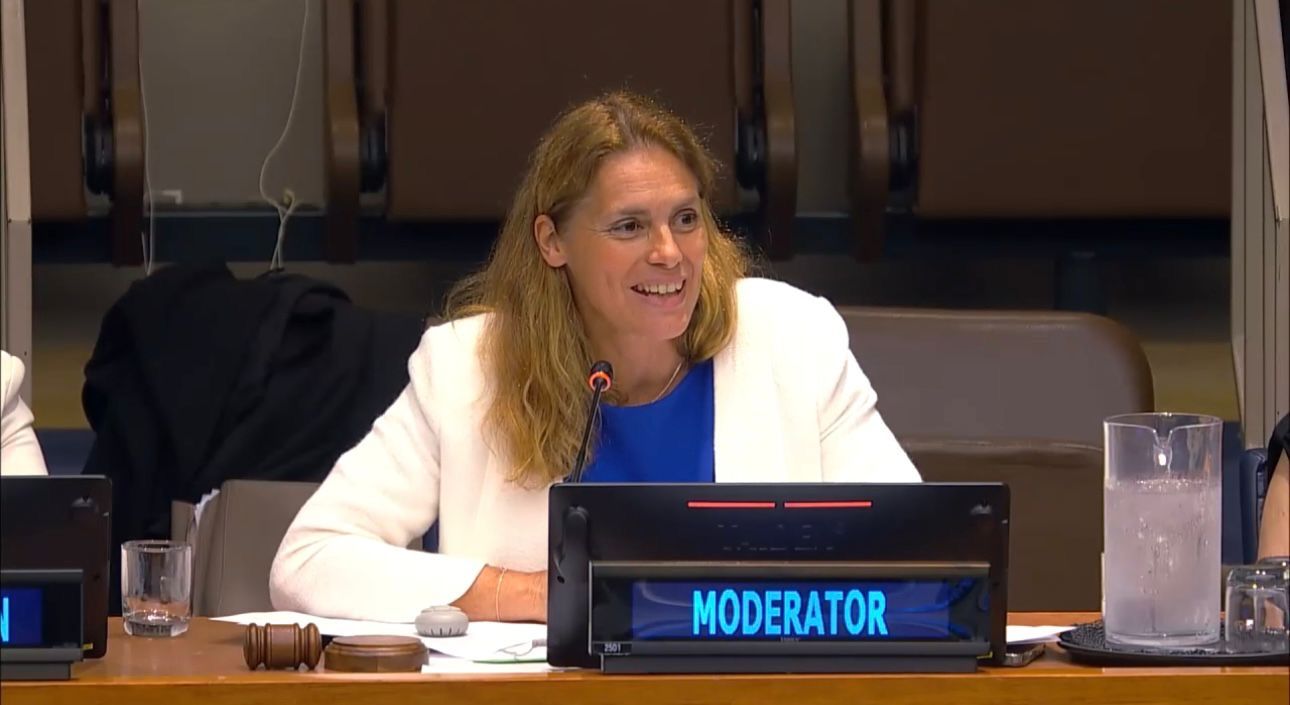
Delphine Schantz says organised crime groups are operating like corporate franchises.
In Tonga, young women have been targeted through online relationship schemes with some lured overseas by promises of marriage, financial security and support for their families.
In an exclusive two-part investigation by TVNZ 1News and Tagata Pasifika, Pacific correspondent Barbara Dreaver reported that two survivors Ana and Peti (not their real names) said they were approached through social media by people involved in organised marriage recruitment networks.
After travelling to China, both women said they experienced exploitation, isolation and abuse.
One survivor described the trauma she faced after being separated from support networks and controlled by others. “In the end I thought it would be better if I was dead.”
Advocates say at least six young Tongan women have been targeted through similar recruitment networks operating through social media.
In Fiji, authorities are also warning about the growing impact of online financial scams.
Speaking at the launch of Anti-Scam Awareness Week, Fiji Police Commissioner Rusiate Tudravu said people had lost more than F$1.3 million (NZ$1.01 million) through 1672 reported scam cases since 2017. He said many cases are still under investigation.
Authorities say scammers are increasingly using artificial intelligence, fake social media accounts and impersonation to gain people’s trust.
Australian Deputy High Commissioner to Fiji, John Cavanagh, warned criminal groups were using AI and deepfake technology to make scams more convincing.

UNODC lead analyst Inshik Sim says the growing scale and sophistication of organised crime networks is outpacing current law enforcement responses. Photo/UNODC
The Consumer Council of Fiji has also warned that digital fraud should be treated as a serious national issue.
Seema Shandil, the council chief executive, is urging communities not to blame victims who are targeted by increasingly sophisticated methods.
UNODC lead analyst Inshik Sim said governments needed to act quickly as criminal networks continued to evolve.
“The scale and complexity of this expanding organised crime economy are outpacing existing responses, which were not structured to address such sophisticated criminal activity,” he said in the report.
The UNODC findings show scam groups are increasingly using shared technology, money laundering systems and recruitment networks to expand across borders.
The UN says the report highlights the need for stronger digital protections, greater public awareness and closer regional cooperation as organised crime networks look for new opportunities across the Pacific.