
Moana Pasifika decision expected within weeks as a Sāmoa and Tonga rescue plan takes shape
Christine RovoiThu, 04 Jun
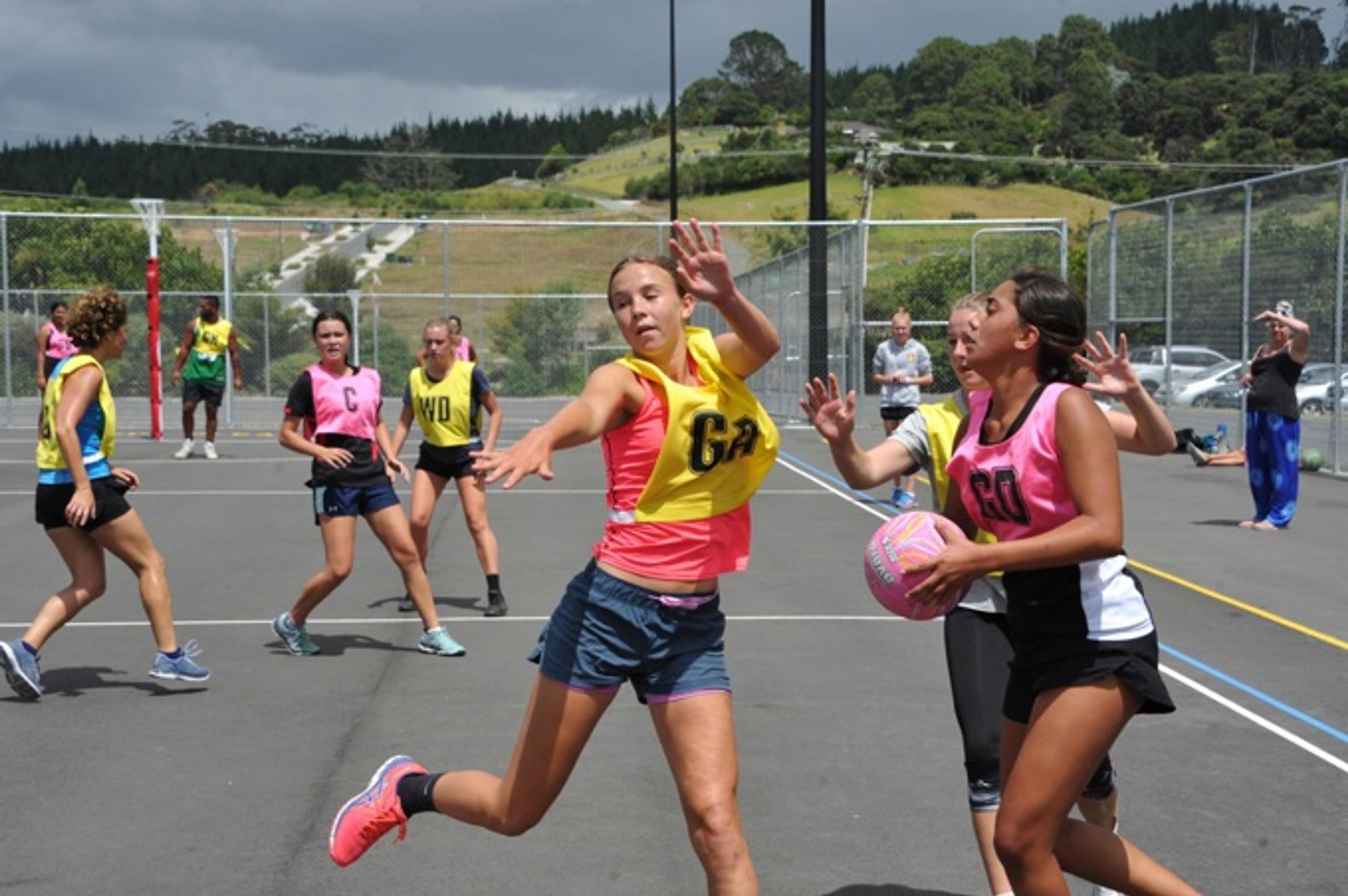
Players in action at a netball court, with funding set aside for upgrades at Māngere-Ōtāhuhu Netball Centre.
Photo/Auckland Council
A handful of upgrades are locked in but dozens of community sport projects remain unfunded as demand keeps growing across South Auckland.


A small funding boost is on the way for sport in Māngere-Ōtāhuhu. But for many clubs, the wait goes on.
The Local Board has approved $80,000 for five sport and recreation projects this year, a welcome lift for some community spaces.
But it only scratches the surface with more than 50 projects still sitting on the list.
The funding comes through the board’s Sport and Active Recreation Facilities Plan, which maps out 56 upgrades and developments across the area, from basic fixes to major builds.
Barry George, Auckland Council Sport and Recreation Lead, said the money would be spread across five priority projects.
“The business case we just went through was presenting an implementation of funding of $80,000 for this financial year through my Sport and Recreation Local Board Facilities Plan. The board have agreed to fund five separate projects from that to cover off the $80,000.”
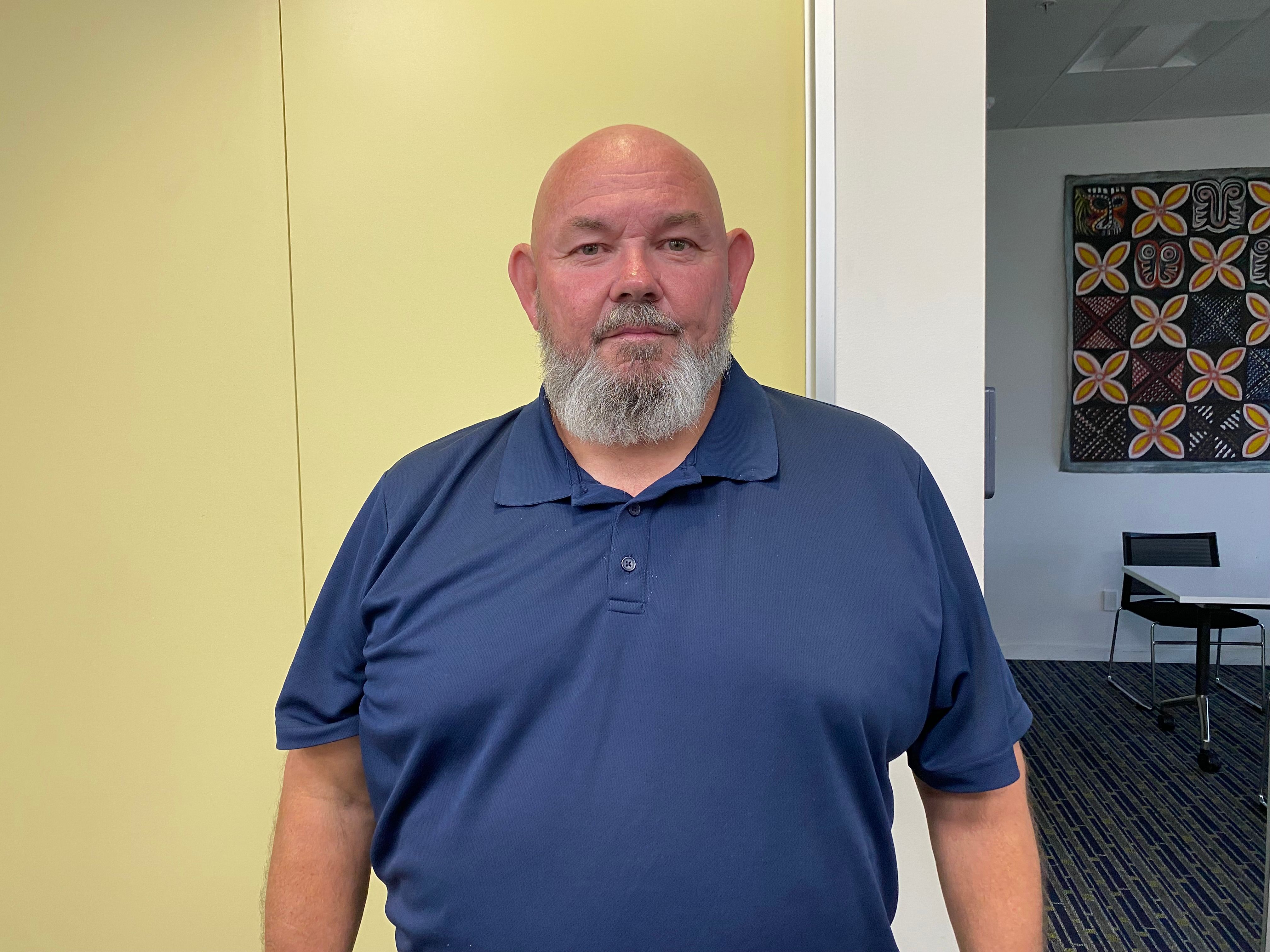
Auckland Council Sport and Recreation Lead Barry George says funding will support five priority projects across Māngere-Ōtāhuhu. Photo/PMN News/Taelegalolo'u Mary Afemata
The funding includes $32,000 for roof repairs and a sound system upgrade at the Māngere-Ōtāhuhu Netball Centre, $30,000 for a feasibility study for a new clubroom and storage space at Portage Crossing Canoe Club, and $11,700 towards design work and for an accessibility ramp at Manukau Rovers Rugby Football Club.
Smaller upgrades include $3800 for a new roller door at Manukau City Association Football Club and $2500 for a commercial oven replacement at Ōtāhuhu Railway Bowling Club.
For the clubs involved, it’s a step forward, helping keep facilities running and easing pressure on tight budgets.
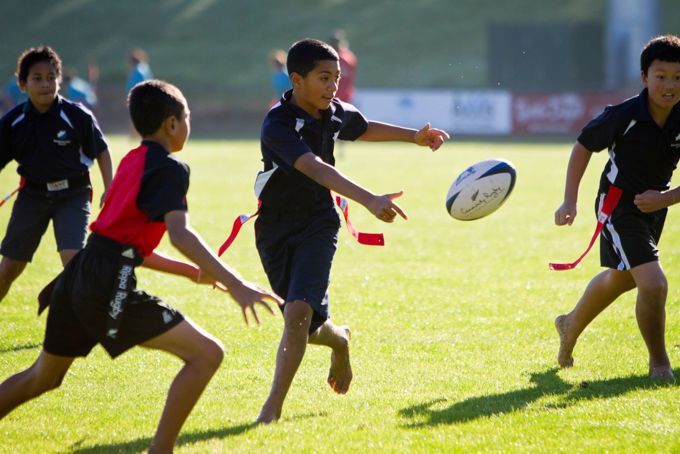
Youth players take part in a game of rugby, highlighting strong community participation in local sport across Māngere-Ōtāhuhu. Photo/Auckland Council
“The funding allows them to upkeep and maintain their facilities which they don’t have ready money available for and it means they’re not having to put their fees up and hurt the community,” George said.
Of the 56 projects identified in the plan, most remain unfunded including 39 community-led proposals. Many of these clubs serve large numbers of Māori and Pacific players mostly working with limited resources while demand continues to grow.
Pippa Sommerville, Auckland Council’s Head of Play, Sport and Recreation, said the projects were prioritised using factors like equity, sustainability, what can realistically be delivered.
“The local board made the final decision about allocations at their business meeting,” she said.
Sommerville added that the list is updated each year with completed projects removed and others assessed as funding becomes available.
For many clubs, getting on the list is just the start. Some of the smaller allocations, like feasibility studies, are designed to help groups unlock bigger funding from national sources later on.
Kaea Walter Inoke-Togiamua, the local board chair, said there is no shortage of need across the area.
“The Māngere-Ōtāhuhu Local Board wants our communities and clubs to have access to quality sporting facilities, and we know more investment is needed in the area. We have to work within available budgets, but we’re committed to doing what we can through the next budget to continue to support our local clubs.”
With South Auckland continuing to grow, pressure on local grounds, clubrooms, and shared spaces is only increasing. For now, a few upgrades will move ahead, but for dozens of other projects, the wait continues.
LDR is local body journalism co-funded by RNZ and NZ On Air.