
Full-circle homecoming as Isaako joins Kiwis' historic RLWC clash against Cook Islands
Brooke FonotiTue, 20 Oct
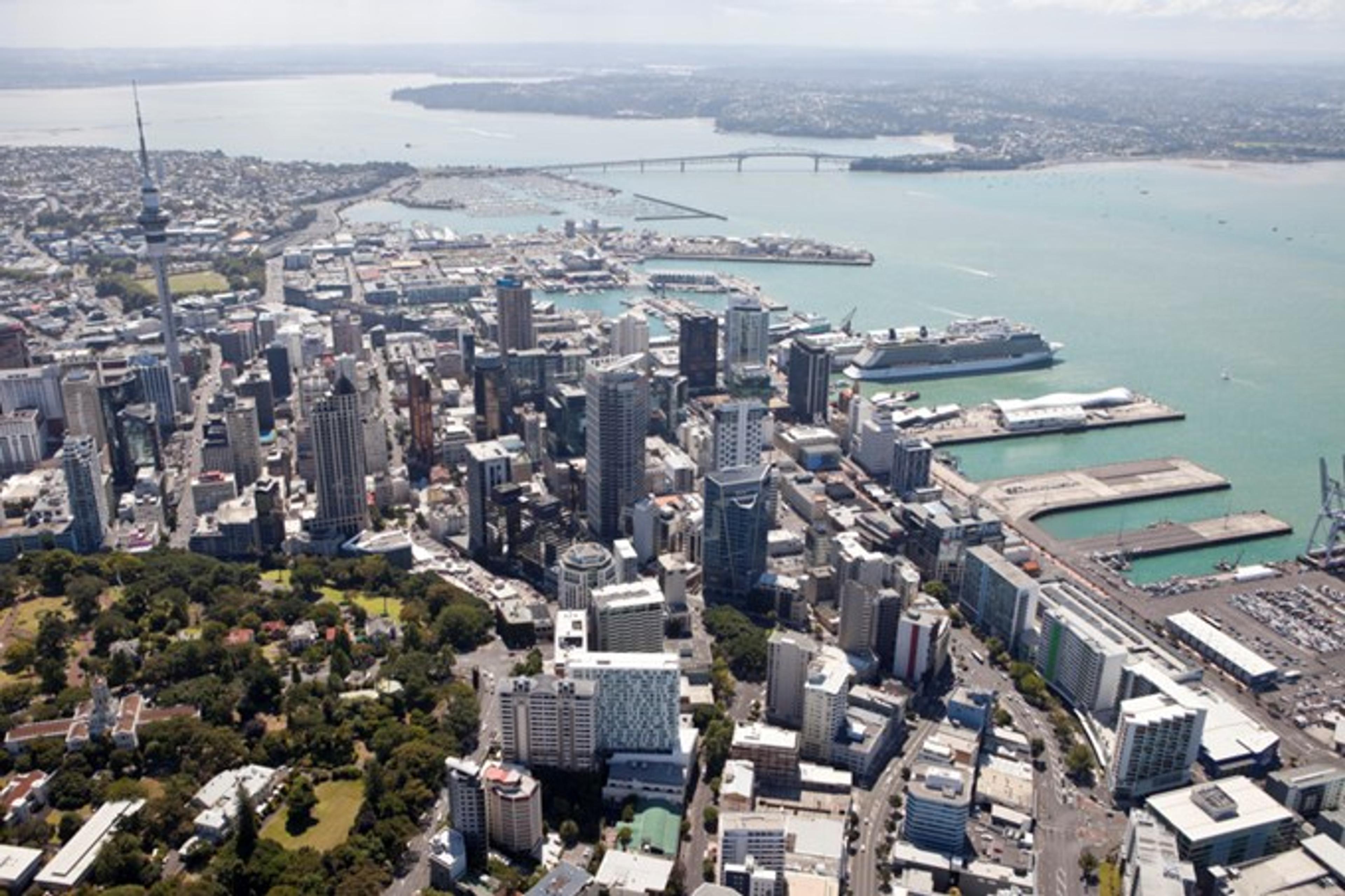
A view across New Zealand's biggest city, Auckland, as the Government considers sweeping reforms to local government.
Photo/Facebook/Auckland Council
The Public Service Association says it is premature to assess the impact of the Government’s proposed overhaul of local government.

New Zealand’s largest public sector union has said it was too early to tell how the Government’s recent reforms could impact local government employees.
The Government recently announced a raft of proposals affecting the sector, including potentially abolishing regional councils, streamlining and simplifying planning regulations, and capping council rates rises.
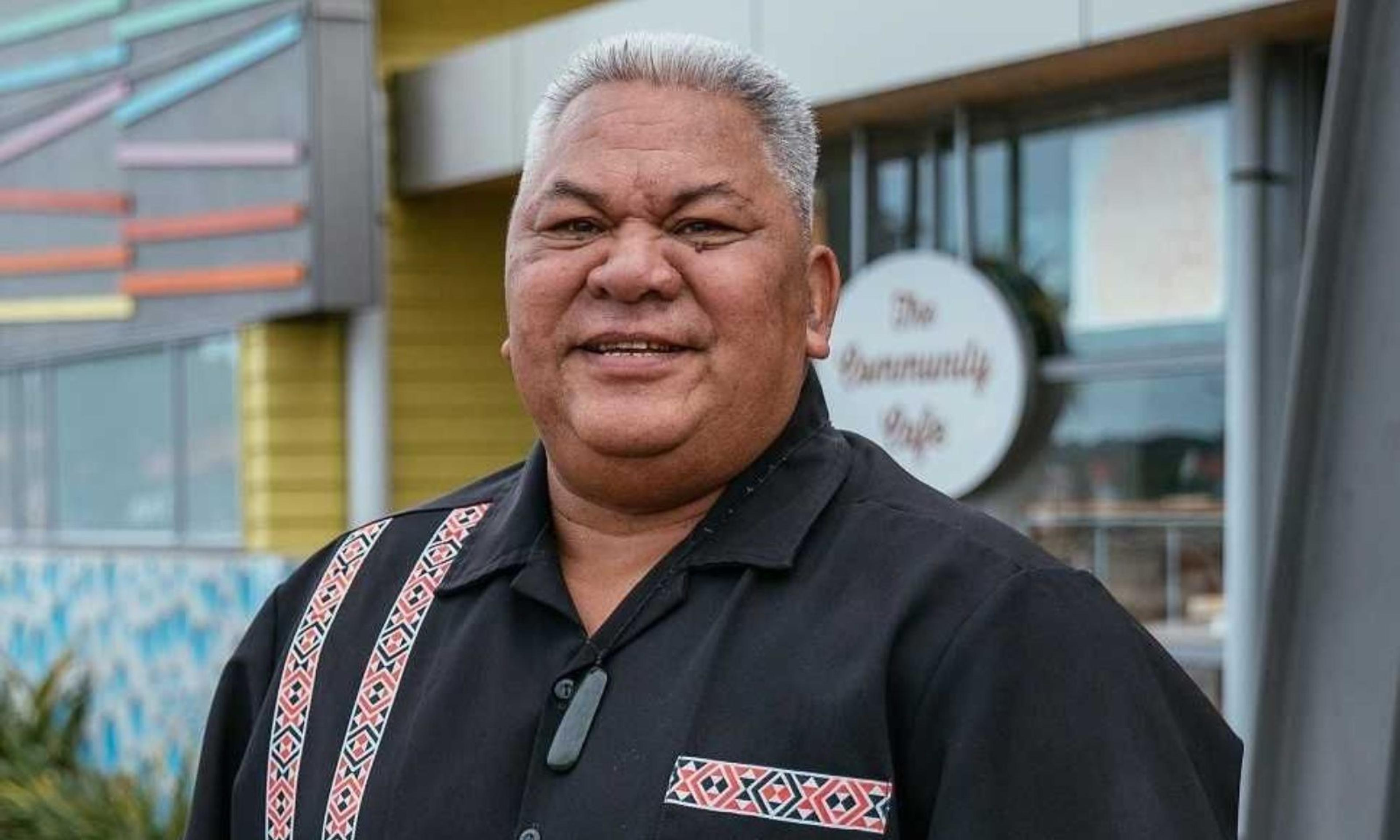
Public Service Association national secretary Duane Leo said if there were job losses, the union would work with its members.
“It is premature for us to say if job losses will occur if and when the proposed reforms for local government go through,” he said.
“If job losses do occur, the PSA will work closely with regional councils on behalf of members to ensure their voices are heard, they are represented and are treated fairly and with dignity.
“The work of regional councils still needs to be done, and the critically important skills and relationships of local government workers must be retained wherever possible.”
In a statement from Local Government New Zealand (LGNZ) issued this month, after the proposed planning reforms were announced, LGNZ regional sector chair Dr Deon Swiggs said the reforms were expected to have a major impact on regional councils.
“We know it’s a difficult period for staff and elected members. Regional councils still have a critical job to do for New Zealand,” he said.
“Jobs, trade and the economy rely on New Zealand’s natural resources; the work to protect the environment will still need to be done by regional councils until the new system is in place.”
Resource management reform Minister Chris Bishop announced the planning reforms on December 9, with local government Minister Simon Watts announcing the proposed banded rates cap on December 1.
“Analysis suggests a target range of 2 to 4 per cent per capita, per year. This means rates increases would be limited to a maximum of 4 per cent,” Watts said.
In November the Government proposed replacing regional councillors with boards made up of mayors and, possibly, others.
Public consultation on the proposals to cap rates and to abolish regional councils in their current form is currently underway until February.
LDR is local body journalism co-funded by RNZ and NZ On Air