Tāmaki Makaurau's biggest wastewater tunnel passes landmark first test after 110 years
Taelegalolo'u Mary AfemataTue, 21 Jul
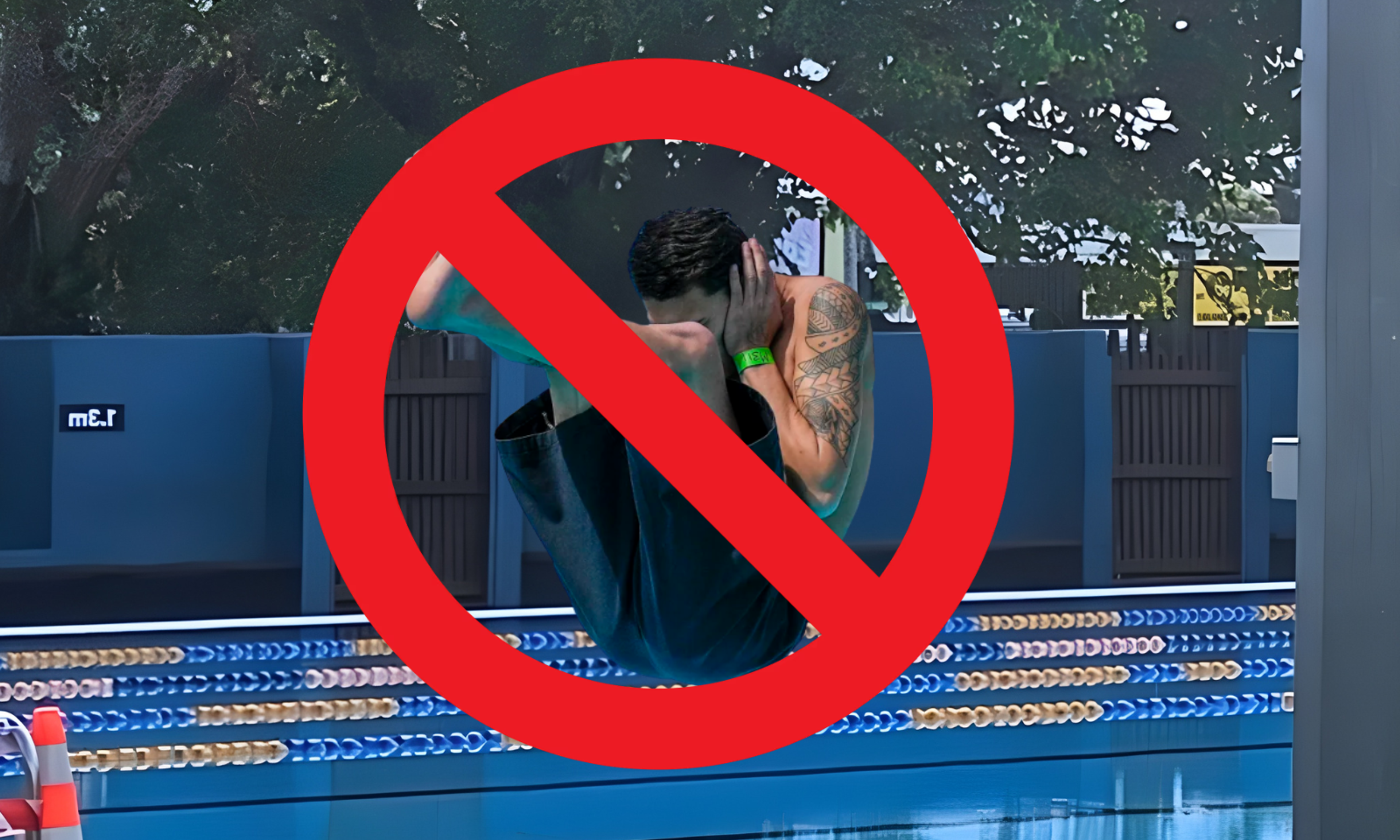
Families say restrictions at Ōtara Pools are stopping children from practising manu dives.
Photo/PMN News/Mary Afemata/Hastings District Council/iStock
Families say children are being stopped from practising Pacific-style bomb dives, raising concerns about access, consultation, and equity.

Parents in Ōtara are voicing concern that restrictions on jumping and “water bombing” at the local pool are stopping children from practising manu ahead of the Z Manu World Championships.
A manu is a Pacific-style bomb dive where the jumper tucks mid-air to create a bigsplash. It is popular among Māori and Pasifika youth and has grown into a competitive sport, with local events feeding into national and international competitions.
The restrictions have sparked frustration online and in the community.
A Facebook post on an Ōtara community page that sparked strong engagement read: “No more manus at Ōtara Pools. The Manu World Champs are coming up. Where are our kids supposed to practise?”
Others say they are surprised to see children being told off at the Norman Kirk Memorial Pool, a pool long used by families to swim and practise dives.
“Ōtara has been a bombing destination since my primary days and to see it stop is sad,” one resident says. “How can we get a bombing pool for Ōtara?”
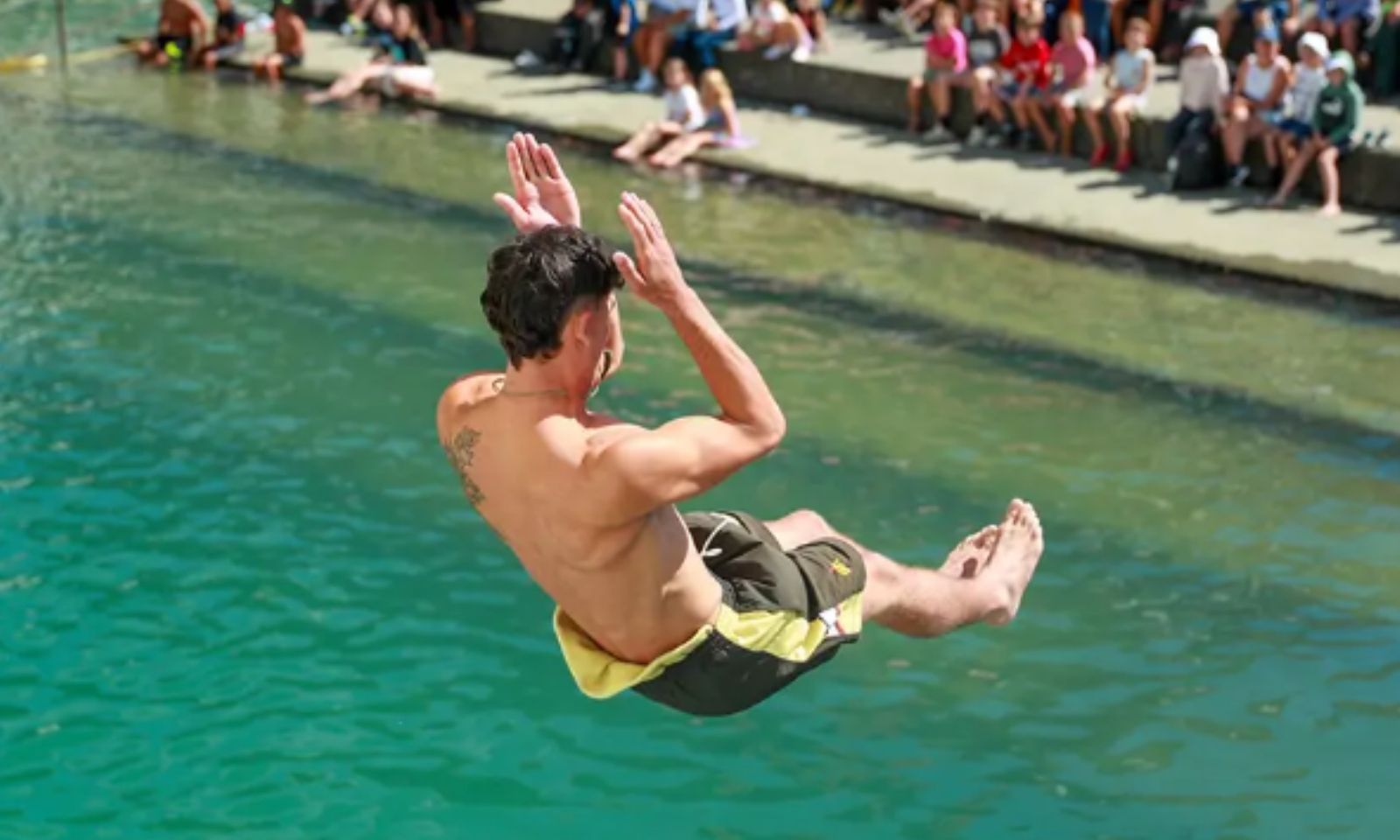
A competitor performs a manu during competition. Photo/manuworldchamps.com
Others noted practical barriers to travelling to other pools. “Born and bred in the hood and I shouldn’t have to go to Ōtāhuhu or anywhere else to teach my children how to swim and bomb,” one person says. “Remember a lot of families don’t have transportation, and our kids walk together, hence why it’s the community pool.”
Some parents also expressed frustration about the lack of consultation, and no alternatives, especially in low-income communities where free local pools and parks are all kids have,” another says. “Council needs to listen to whānau on this.”
Other residents, however, said they understood why the rules exist. “Too many kids have seriously hurt themselves doing manus, hitting their head on the side of the pool,” one person commented. “The pools have to think about the health and safety of our kids.”
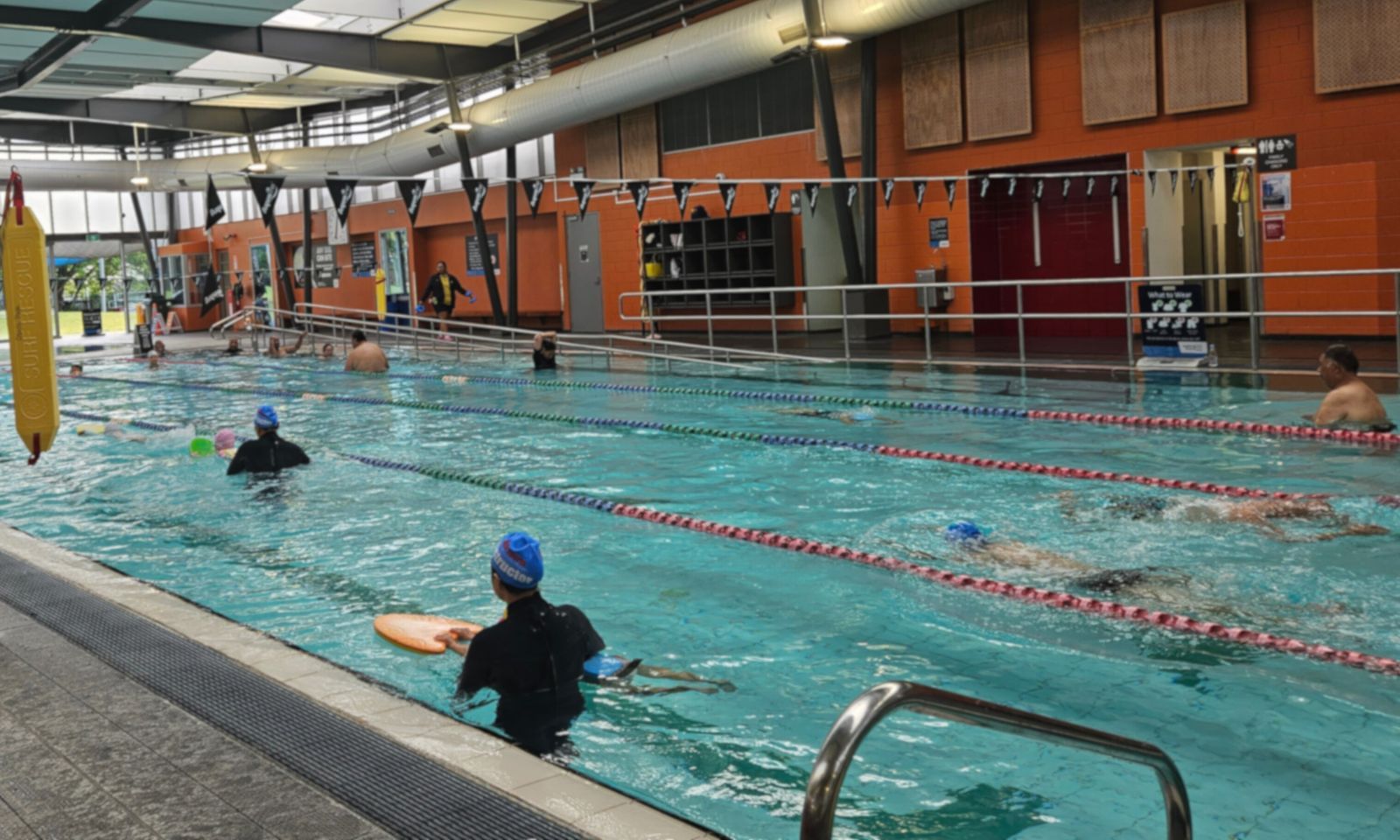
Ōtara Pool and Leisure Centre is a popular space for swimming lessons, fitness and family recreation. Photo/PMN News/Mary Afemata
Council response and safety concerns
Auckland Council says diving, bombing, and manus have never been permitted at the Norman Kirk Memorial Pool due to its shallow depth.
“Those activities have not been permitted, for customer safety, since the pool opened,” Garth Dawson, Auckland Council’s Head of Service Partner Delivery for Pools and Leisure, says. “Our designated bombing pools are three metres deep, and we don’t allow diving, bombing or manus in any pools that are shallower than two metres.”
Lotu Fuli, Manukau ward councillor, says the issue is about health and safety, not a new ban. “It’s not deep enough. It’s a health and safety thing,” she says, warning of the serious risks of allowing manu’s in shallow water.

Lotu Fuli says Ōtara Pools are too shallow for manus, citing safety concerns. Photo/Auckland Council
“Why would you let your kids do it, thinking with the risk that they might break their necks and die, or become paralysed?”
Fuli says expectations have changed as awareness risk has improved. “In the old days, people didn’t know about health and safety. Now we know better, so we should behave differently.”
Dawson says the enforcement of the rules has sometimes been inconsistent over the years. A serious incident last summer, along with other incidents over the years, prompted a review.
Equity, access, and the cultural importance of manu
Parents’ concerns about access are amplified by cost and transport barriers. Fuli says building a dedicated bombing pool would cost millions and the Ōtara-Papatoetoe Local Board is currently facing a $1.5 million shortfall.
For many Pacific families, pools like Ōtara remain important spaces not just for swimming but for cultural connection, play, and sport. Manu is more than a dive. It is a shared activity that strengthens community bonds and connects young people to Pacific traditions.
One parent highlighted the social element, saying children often walk to the pool together and learn from each other, reinforcing the pool’s role as a shared community space.
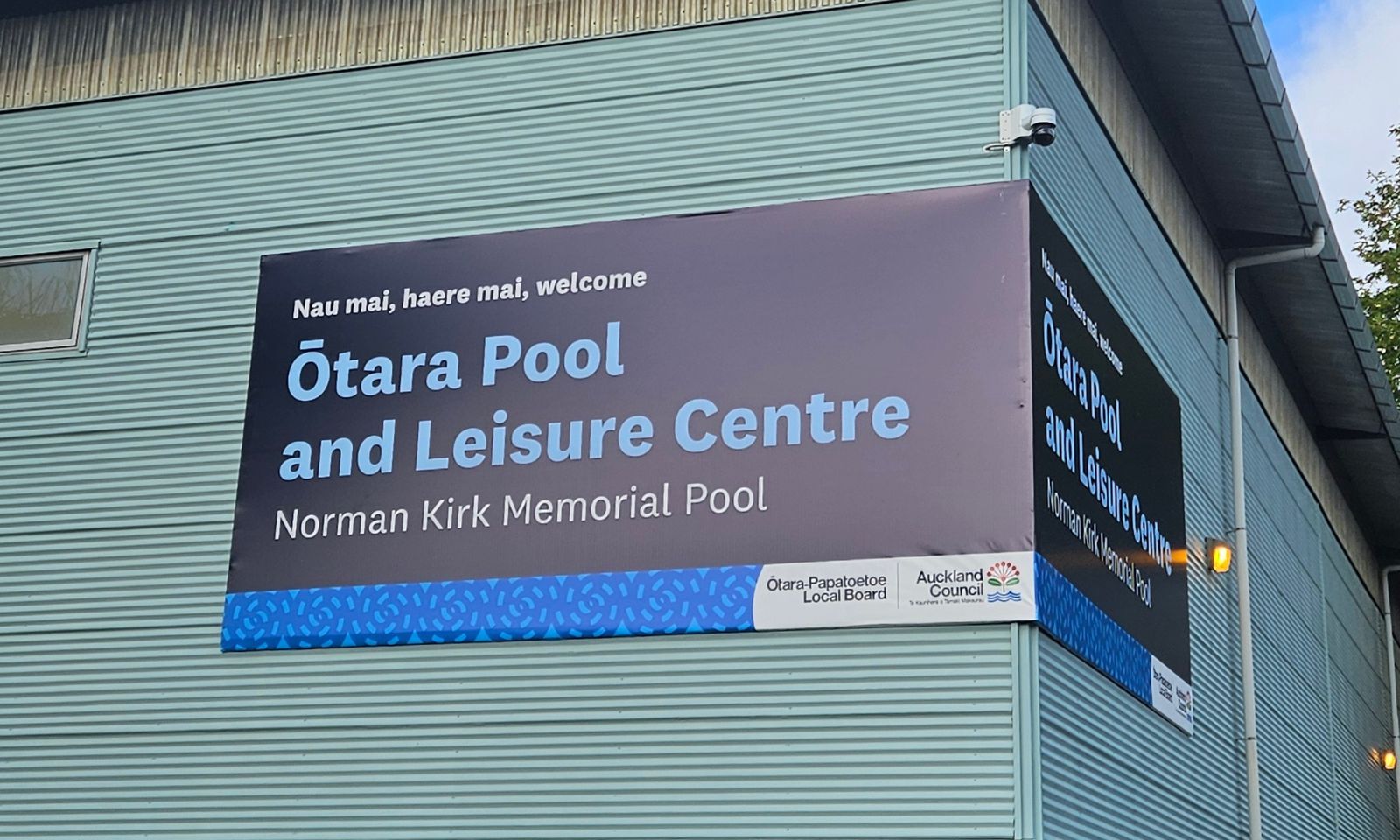
Auckland Council says the Norman Kirk Memorial Pool is too shallow for diving, bombing or manu's. Photo/PMN News/Mary Afemata
Dawson says equity and access remain central to council decision-making. “We are exploring opportunities to develop the pools and leisure network to continue to meet the evolving needs of Aucklanders.”
Fuli says funding pressures and safety considerations must be balanced with community needs. “We are barely able to keep the pool entrance free right now,” she said. “Any new facility, like a dedicated bombing pool, would need significant investment.”
Some parents said the council should at least support temporary alternatives, such as limited access to deeper pools or nearby designated bombing pools.
“World champs schedule starts 28 Feb. There’s seven weeks to go. That’s seven opportunities, once a week, to get some kids out anywhere else,” an Ōtara Facebook community page administrator said. “Anyone got a minibus to take groups regularly to 276 to practise? I’ll support with gas money.”
The story highlights the tension between safety regulations and community traditions, particularly in low-income areas with strong Pacific and Māori participation in swimming and aquatic sports.
As Saturday’s qualifier at the Whangārei Aquatic Centre nears, local families hope their children will still have the chance to practise their dives safely while keeping their cultural and sporting traditions alive.
LDR is local body journalism co-funded by RNZ and NZ On Air.