
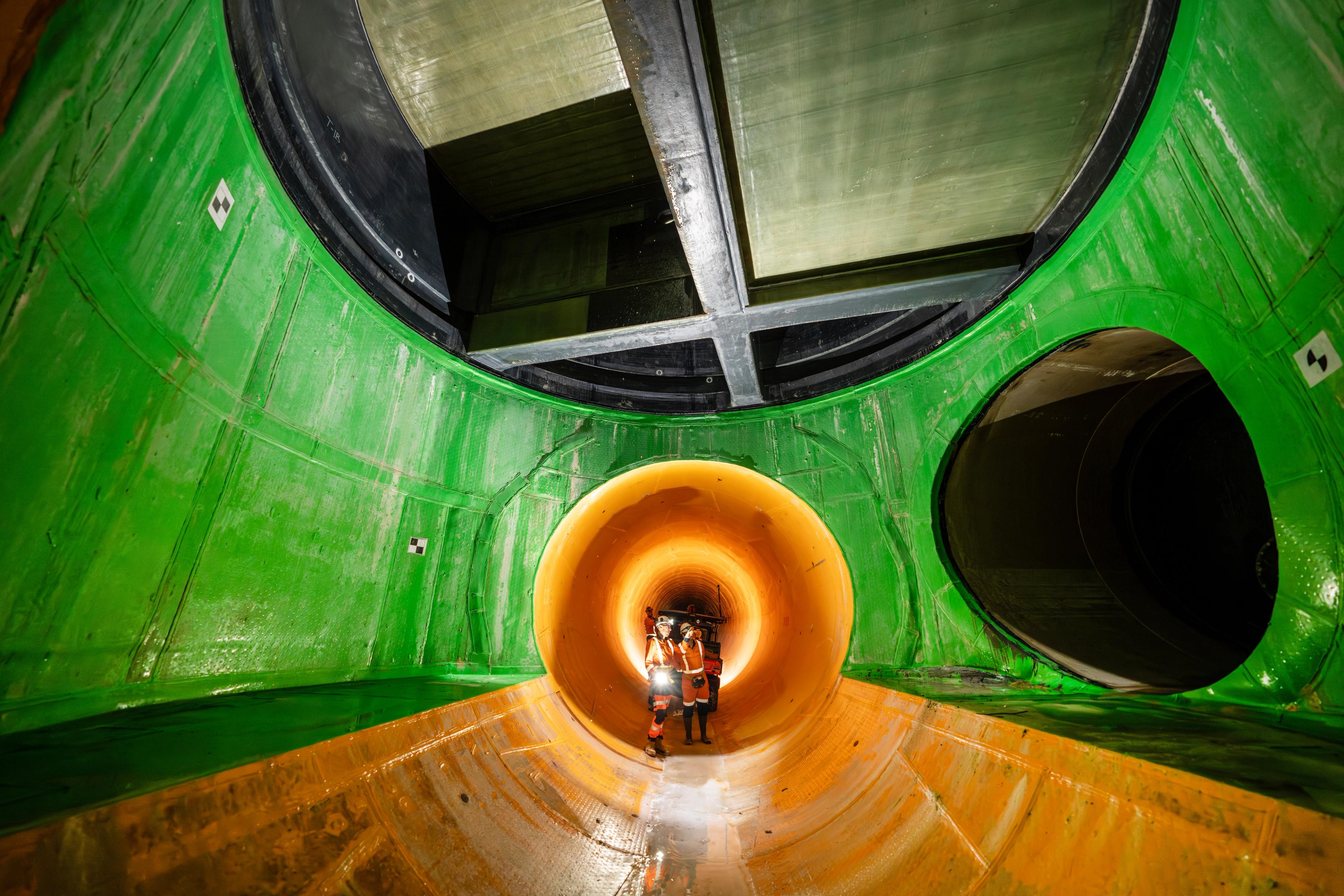
An inside view of the Tawariki Street shaft during the final inspection of the northern half of the Central Interceptor tunnel.
Photo/Watercare
Local Democracy Reporting
Tāmaki Makaurau's biggest wastewater tunnel passes landmark first test after 110 years
The $1.66 billion Central Interceptor has prevented a wastewater overflow into one Auckland stream for the first time in more than a century.

Taelegalolo'u Mary Afemata
Published
21 July 2026, 10:00pm
Share
Copy Link
Top stories

Fijian families squeezed as financial pressures push students out of uni
Christine RovoiTue, 11 Aug

'We're one of the heartbeats in this community': Otago Polyfest misses out
Taelegalolo'u Mary AfemataTue, 11 Aug

Top stories
Fijian families squeezed as financial pressures push students out of uni
Christine RovoiTue, 11 Aug
'We're one of the heartbeats in this community': Otago Polyfest misses out
Taelegalolo'u Mary AfemataTue, 11 Aug
Auckland's biggest-ever wastewater project has passed its first major test, marking a milestone that Watercare says will help deliver cleaner waterways and fewer wastewater overflows for communities across Tāmaki Makaurau over time.
After heavy rain on 24 June, an overflow point in Mt Albert did not discharge for the first time since 1914 following the completion of the $1.66 billion Central Interceptor.
Watercare marked the official completion of the 16.2-kilometre tunnel on Monday after seven years of construction.
The tunnel runs from Point Erin in Herne Bay to the Māngere Wastewater Treatment Plant and is designed to capture wastewater during heavy rain, reducing the amount that spills into streams, beaches and harbours.
Speaking at the event, Watercare chief executive Jamie Sinclair said 22 millimetres of rain provided the first real test of the new system.
"It was the first day in over 110 years that there was no overflow when it rained at an overflow point in Mt Albert," Sinclair said.
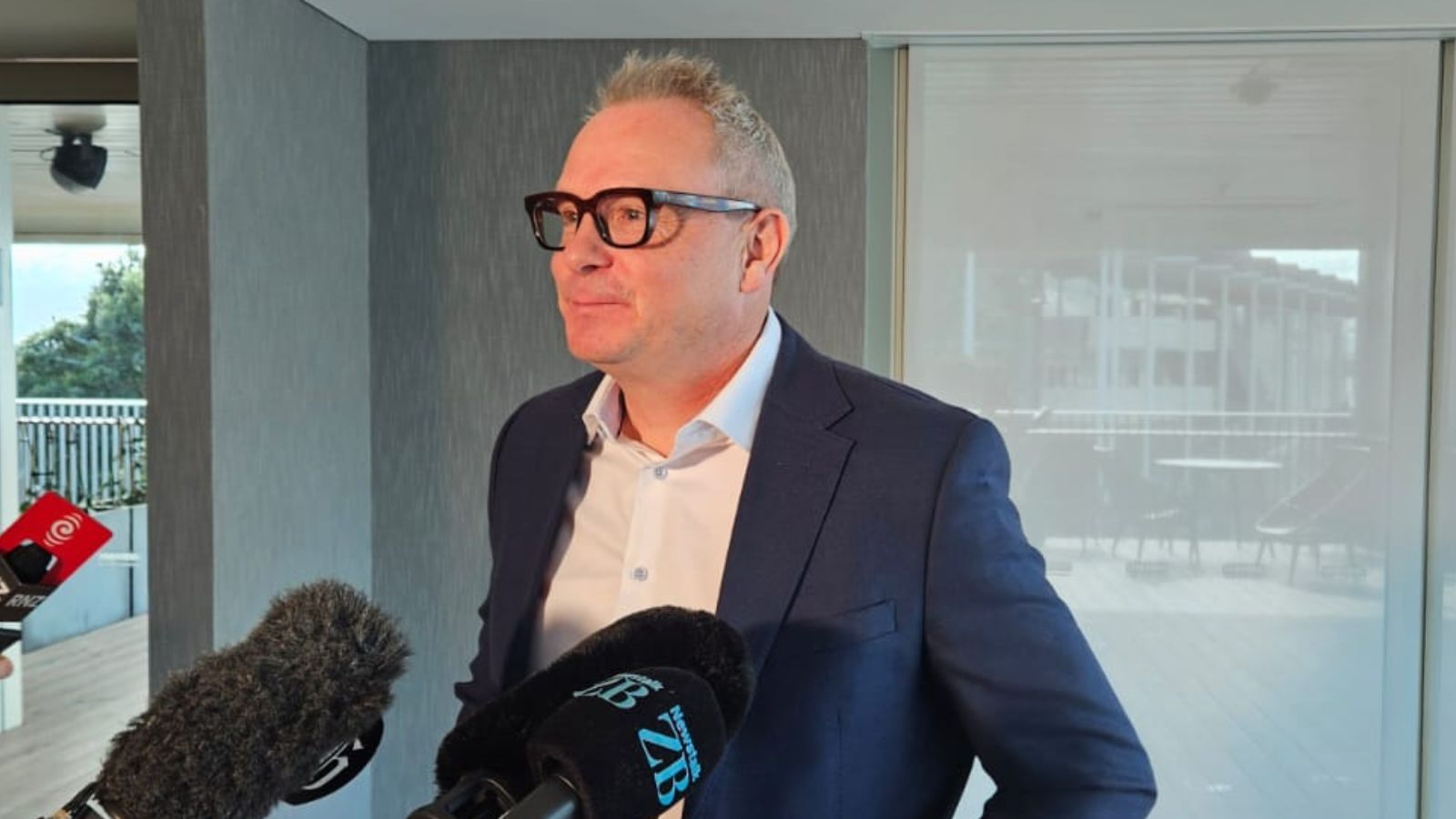
Watercare Chief Executive Jamie Sinclair speaks to media following the formal opening ceremony celebrating the completion of the Central Interceptor. Photo/PMN News/Taelegalolo'u Mary Afemata
"It was the first time since 1914 that there was no overflow into our environment because of the Central Interceptor and the work that we have collectively done together."
Sinclair said the project was a major step forward but not the end of Auckland's wastewater challenges.
"The Central Interceptor is a critical foundation for Auckland's future," he said. "It enables other projects that will further reduce wastewater overflows, including the Herne Bay Collector, which is now under construction."
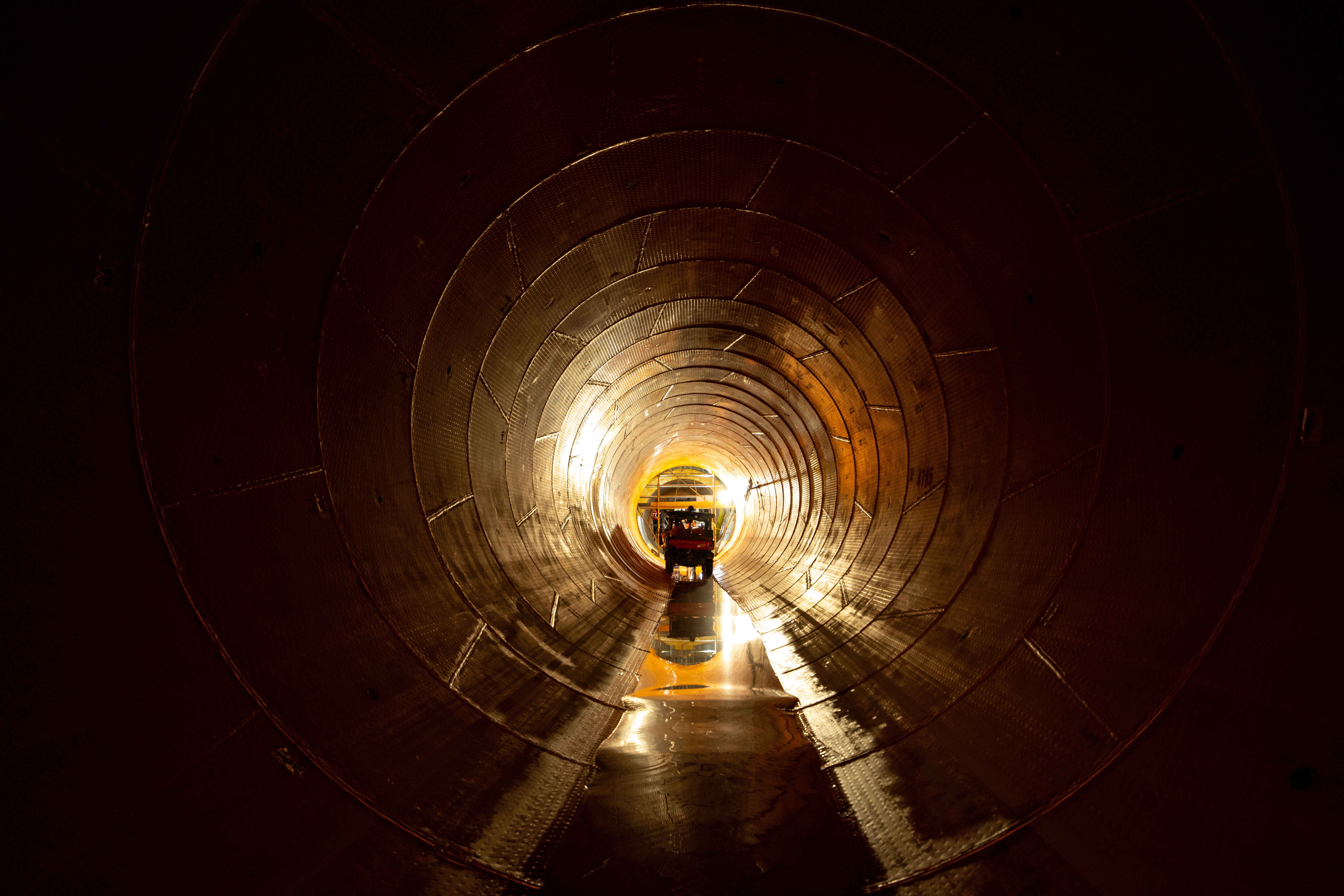
The final inspection of the northern half of the Central Interceptor tunnel in March 2026. Photo/Watercare
Sinclair said Aucklanders should expect gradual improvements rather than an immediate end to wastewater discharges.
"The Central Interceptor doesn't eliminate all overflows, so there will still be overflows into the environment, but we're going to see, over time, a significant reduction - much, much better and improved marine environment, and absolutely less of those black flags on our beaches."
For South Auckland, where wastewater is treated at the Māngere Wastewater Treatment Plant, Sinclair said the benefits would extend well beyond the underground tunnel.
"Māngere is where our wastewater treatment plant is, so all of the central flows are processed there," he said.
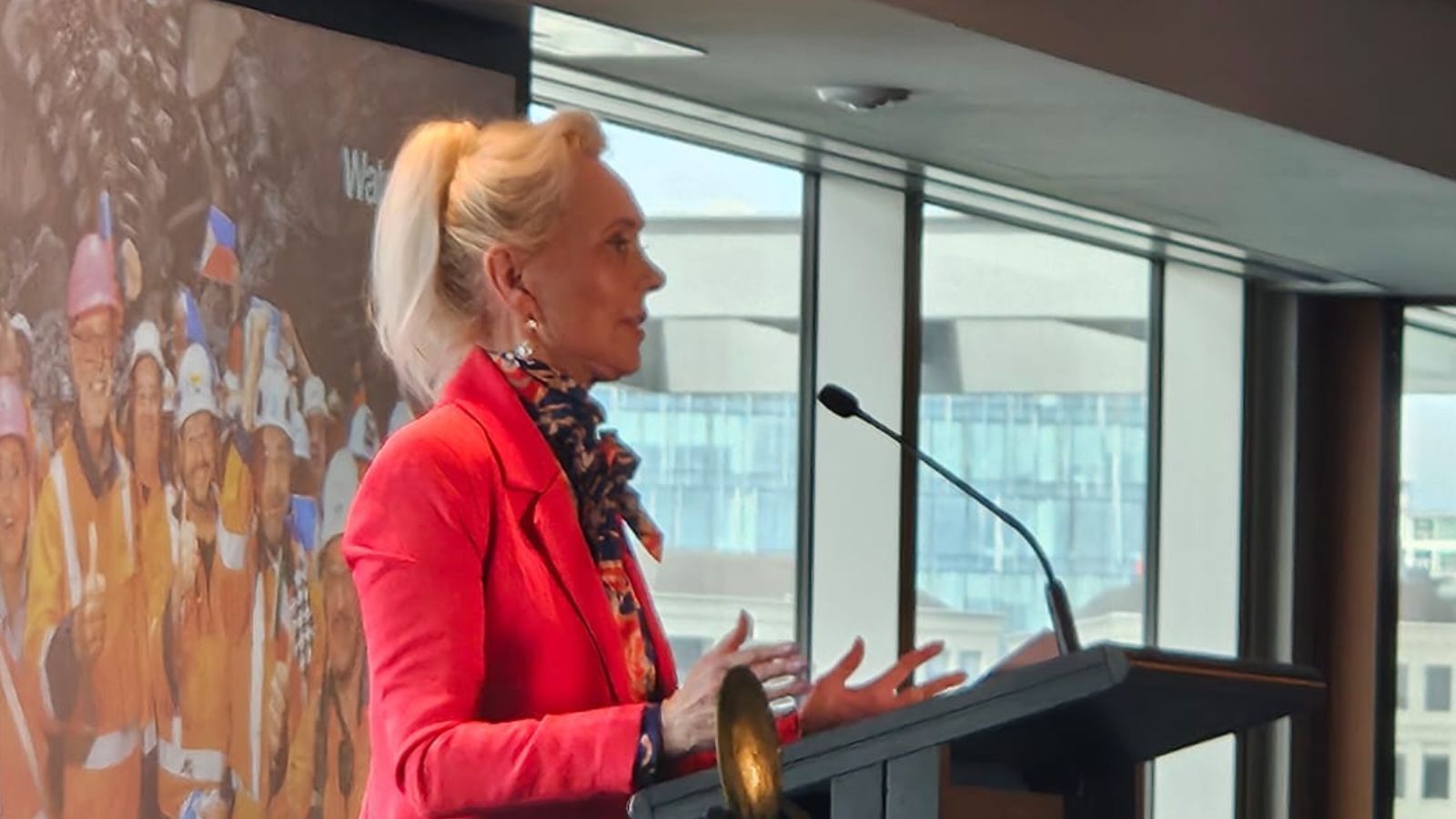
Auckland Deputy Mayor Desley Simpson speaks at the formal opening of the Central Interceptor. Photo/PMN News/Taelegalolo'u Mary Afemata
"We'll be able to see cleaner waterways, reduced overflows, so our whānau will be able to enjoy more swimming at beaches, inland streams, rivers and lakes. It's a great environmental outcome for Auckland and it will provide more resilience for the future."
Unlike a new bridge, railway station or community facility, the Central Interceptor sits almost entirely underground, making one of Auckland's largest infrastructure investments largely invisible to the public.
Deputy Mayor Desley Simpson said the scale of the project was easy to overlook because most of it sits beneath the city.
"It's a bit weird, because there's no ribbon, there's nothing to see, there's no big buildings, there's kind of nothing to see," Simpson said.
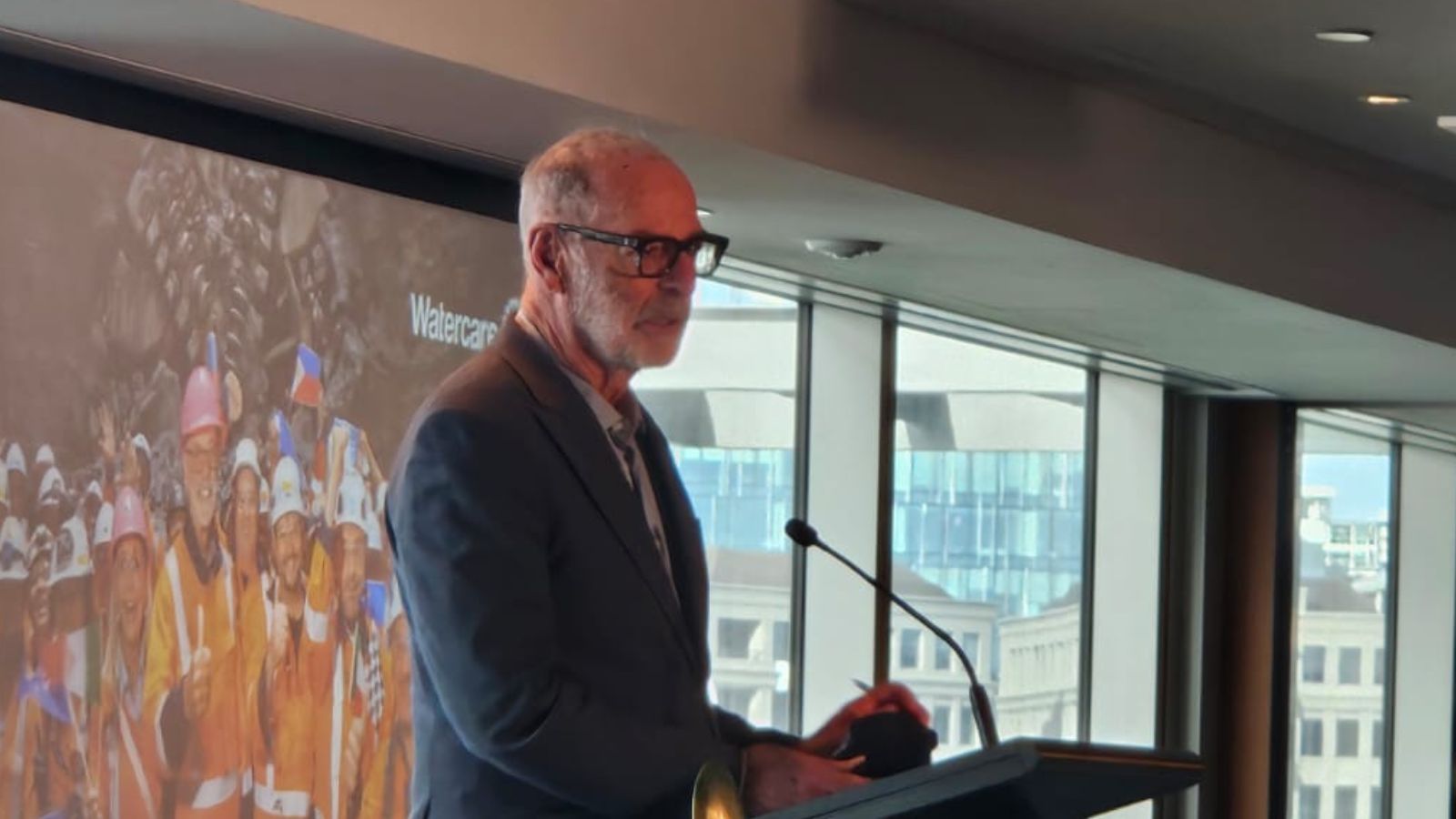
Auckland Mayor Wayne Brown speaks at the formal opening of the Central Interceptor, New Zealand's largest wastewater infrastructure project. Photo/PMN News/Taelegalolo'u Mary Afemata
"And yet, it's probably the most important below-the-ground infrastructure investment of a generation."
Mayor Wayne Brown said completing the project despite Covid-19, inflation and severe weather showed Auckland could deliver major infrastructure.
"This is not a Government project, this is a council and city project," Brown said.
"It shows that we as a city can truly make decisions, pay for things and do it ourselves."
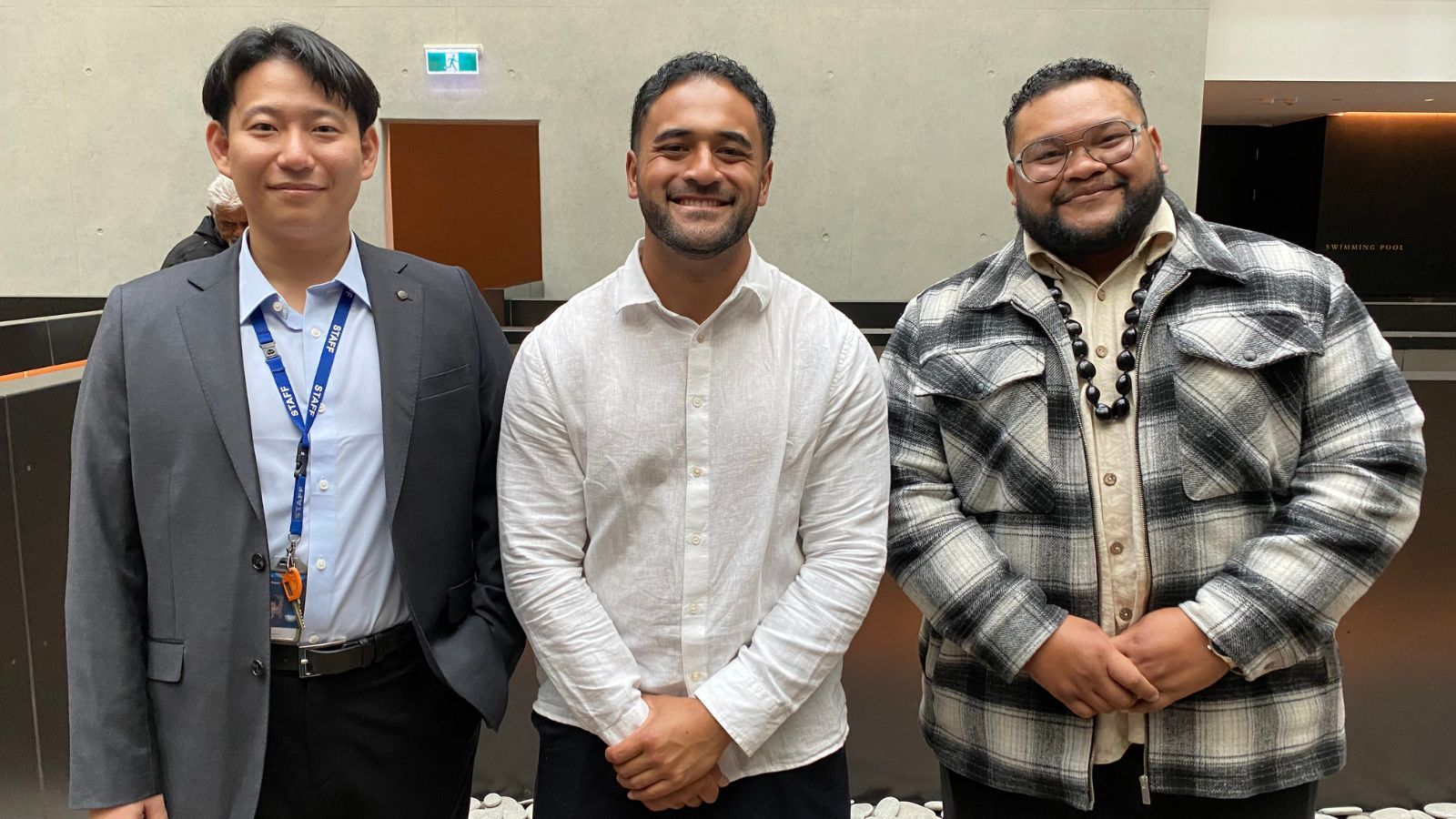
Watercare engineers Woo Kwon, senior operations engineer; Lukan Paitai-Tuiatua, project engineer; and Emmanuel Vaki, lead MEICA engineer, at the official completion of the Central Interceptor. Photo/PMN News/Taelegalolo'u Mary Afemata
Project engineer Lukan Paitai-Tuiatua said the tunnel itself may be hidden, but the difference would become more visible over time.
"You won't be able to physically see it," he said. "They'll be able to see the benefits. You'll see a lot more beaches open now. Usually in summer you'll have the SafeSwim sites telling you a beach has been blacklisted and you can't swim there.
“Now you'll see a lot less of that because we won't be having these overflows into the community."
Construction began in 2019 and Watercare says the tunnel has been built to last at least 100 years and will support future wastewater upgrades as Auckland continues to grow.
LDR is local body journalism co-funded by RNZ and NZ On Air