Moana Pasifika carry pride and pressure into Super Round spotlight
PMN NewsFri, 24 Apr
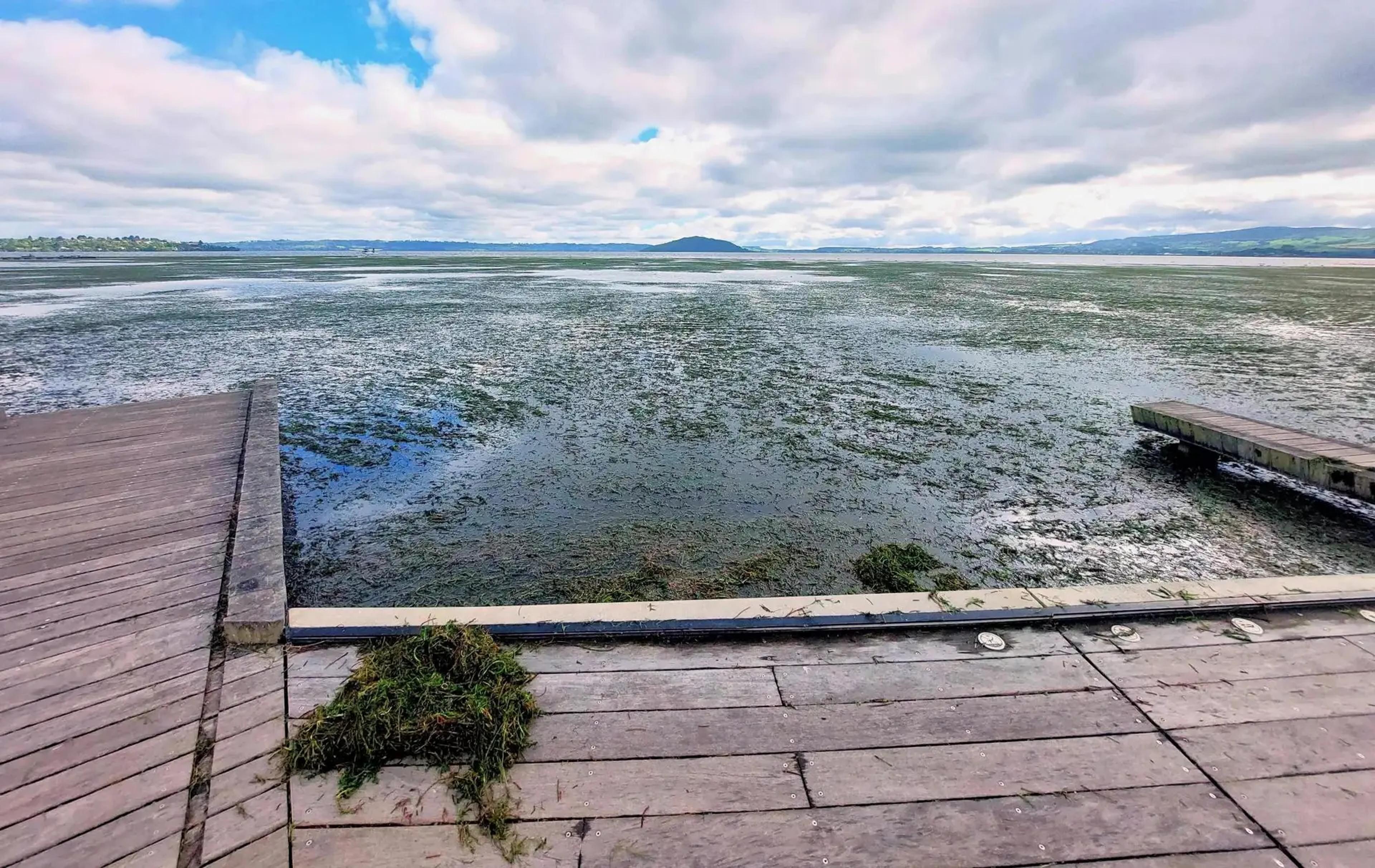
Weed collected on the foreshore of Lake Rotorua after a large storm.
Photo/LDR/Ben Fraser
Local Democracy Reporting Editor Marika Hill looks back at the big headlines of 2025.

/Local government rode a wave of major upheavals in 2025, from election shake-ups to sweeping reforms.
Councils were also busy at a local level with a raft of issues: rampant wild deer, stinking lake weed, and even a bus stop bandit.
Local Democracy Reporting editor Marika Hill looks back at the big headlines of 2025.
The big stench
Rotting lake weed cast a smelly haze over Rotorua’s lakefront.
Masses of weed floated to the surface of Lake Rotorua and collected on the foreshore after a November storm.
A huge clean-up followed, but not before the rotting weed disrupted local businesses and led to hundreds of dead fish.
Ōpōtiki residents were also plagued by a sickening, mystery smell in early 2025.
After more than 30 odour complaints, the regional council eventually pointed the finger at a wastewater tank at a mussel factory.
Further south, toxic algae forced the closure of Lake Hood near Ashburton, with two people falling ill after using the lake.
The man-made lake reopened in June but the council is still working on a long-term solution for the algae.
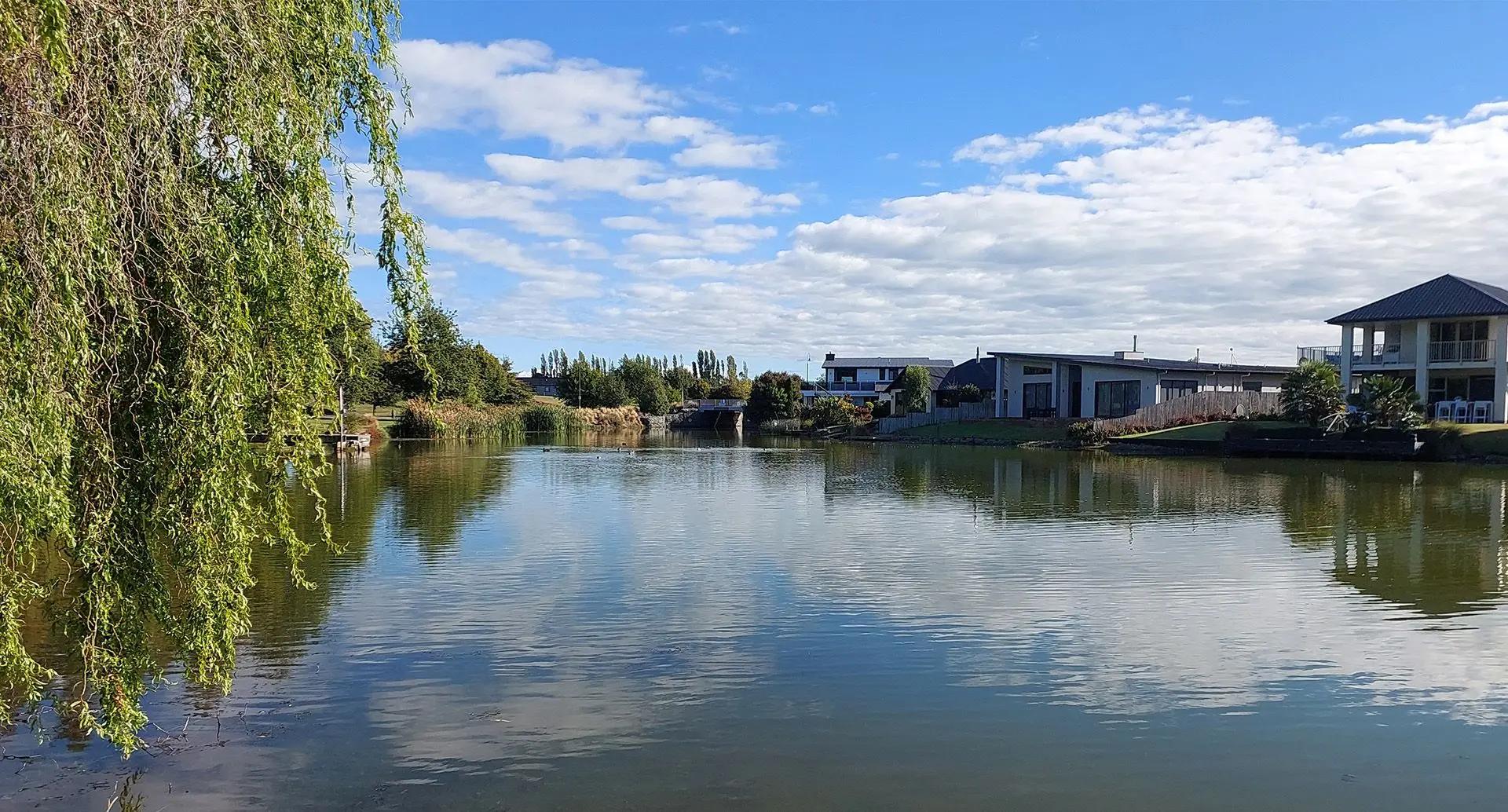
Lake Hood, a popular recreation lake in Canterbury, has been plagued by toxic algae. Photo/Ashburton District Council/Supplied
Clam calamity and destructive deer
Northland battled over a different type of water pest: the threat of invasive freshwater gold clams.
The pest was found in a Taranaki lake on 10 November - the first time it's been discovered outside Waikato.
It sparked calls to close the boat ramp at the popular Kai Iwi Lake in Northland to deal with the risk of it spreading north. The regional council deputy chair wanted it closed, but the district council said it didn't have the authority.
Land-bound pests also caused headaches for councils, including feral deer devouring native forest and farm pasture in South Westland.
Wilding pines threatened a 'looming catastrophe' in Kaikōura with similar fears in Southland. A lack of funds for pest control was a common theme.
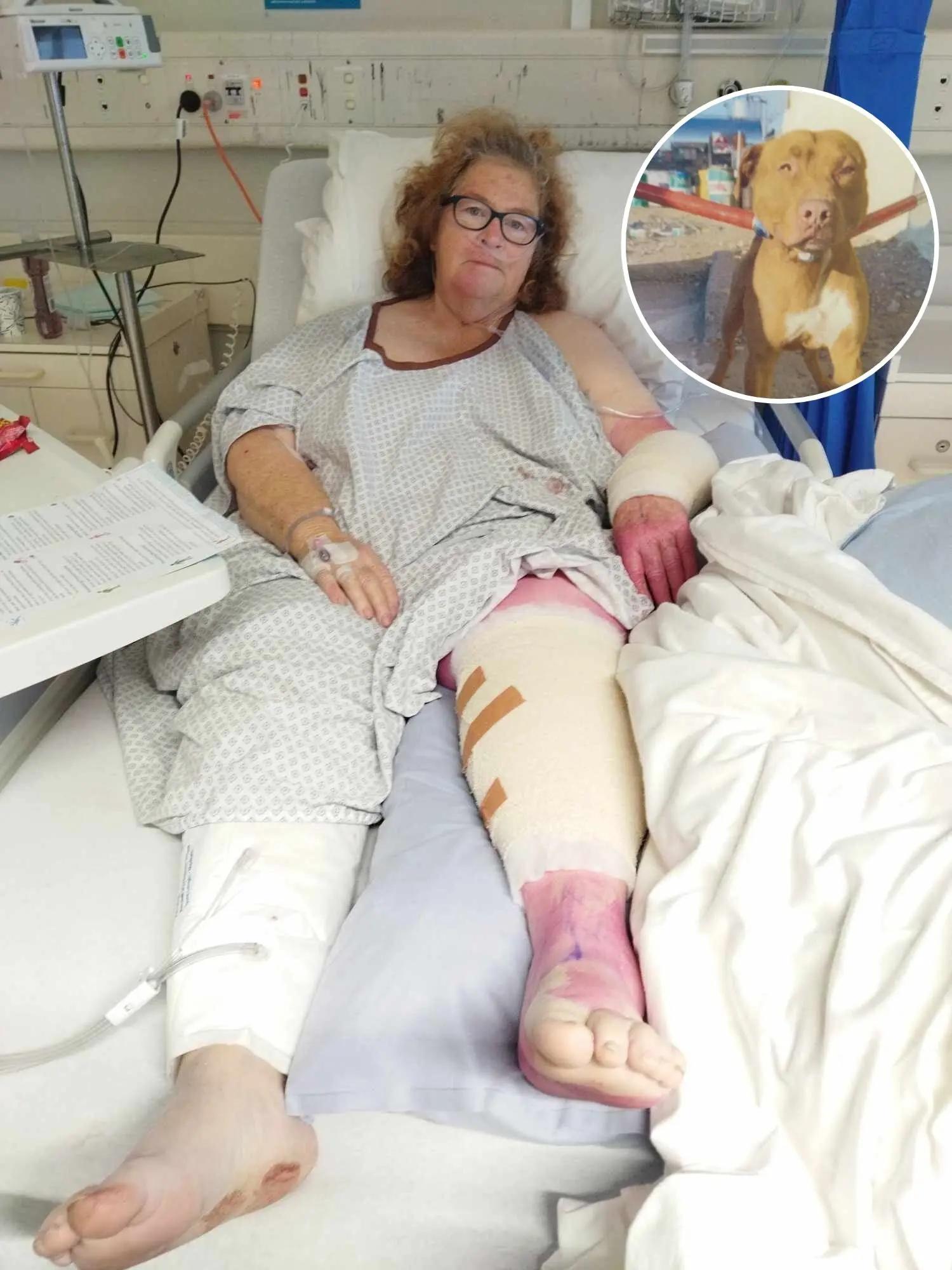
Carol Stewart was left with horrific injuries after a dog pulled her off her scooter in Wairoa. Inset: The dog that attacked her was euthanised. Photo/Local Democracy Reporting
A different type of pest
Roaming and aggressive dogs also made headlines across the motu.
A great-grandmother told LDR she prayed attacking dogs wouldn’t go for her face as one sank its teeth into her arm and dragged her off her mobility scooter.
Carol Stewart, 63, suffered serious bite wounds to her legs and arms in the attack on a Wairoa street in June.
Stewart said she had been complaining for “weeks” about roaming dogs in the area. She was not alone in her fears.
Recorded dog attacks on children in Auckland occurred on an almost daily basis, LDR reported in September.
An Ōpōtiki street was terrorised by roaming dogs in January 2025, while there were nearly 1200 dog-related call outs in Wairarapa over a one-year period.
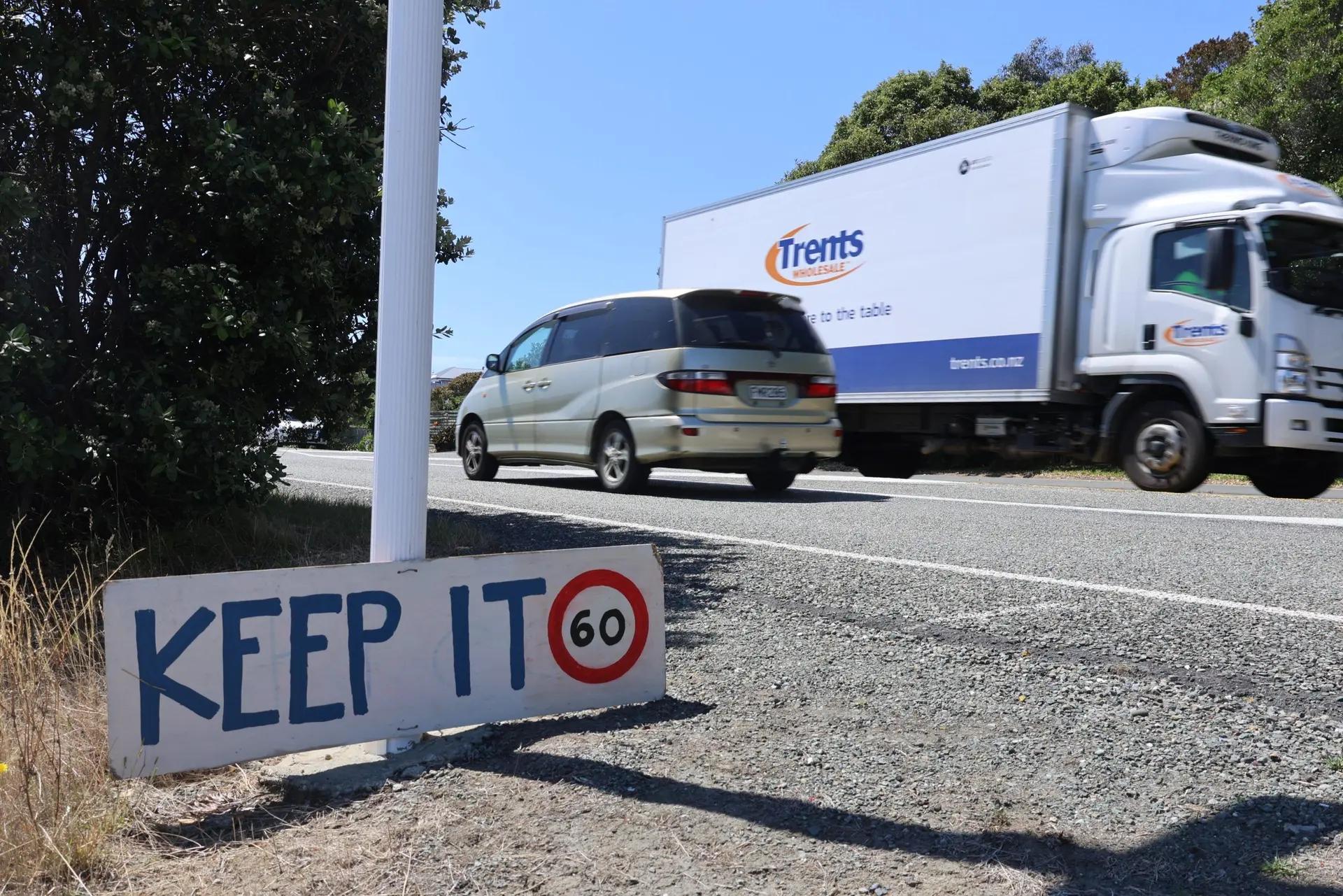
State Highway 6 past the Nelson suburb of Marybank was set to return to 80km/h, sparking a strong backlash from some who want to keep the speed limit at 60km/h. Photo/LDR/Max Frethey
The wins of 2025
Amid the bad news, there were also hard-fought community wins.
National came to power promising to reverse speed reductions brought in under the previous government, but not everyone was happy.
In February, the Transport Minister made a U-turn on a decision not to consult with some communities following a public backlash.
As a result of feedback, 13 sections of roads kept their lower speed limits.
Communities in Nelson, Rakaia and Gisborne were among those who successfully fought to keep their speed limit.
Titirangi resident Zoe Hawkins complained for years about dangerous, cracked footpaths in her Auckland community.
After media coverage of the issue, Auckland Transport in August said it would fix the footpaths.
In Nelson, a bus stop bandit kept stealing plastic lawn chairs left at an otherwise-seatless stop.
Following coverage of the heist in April, the council agreed to install permanent seating at the stop.
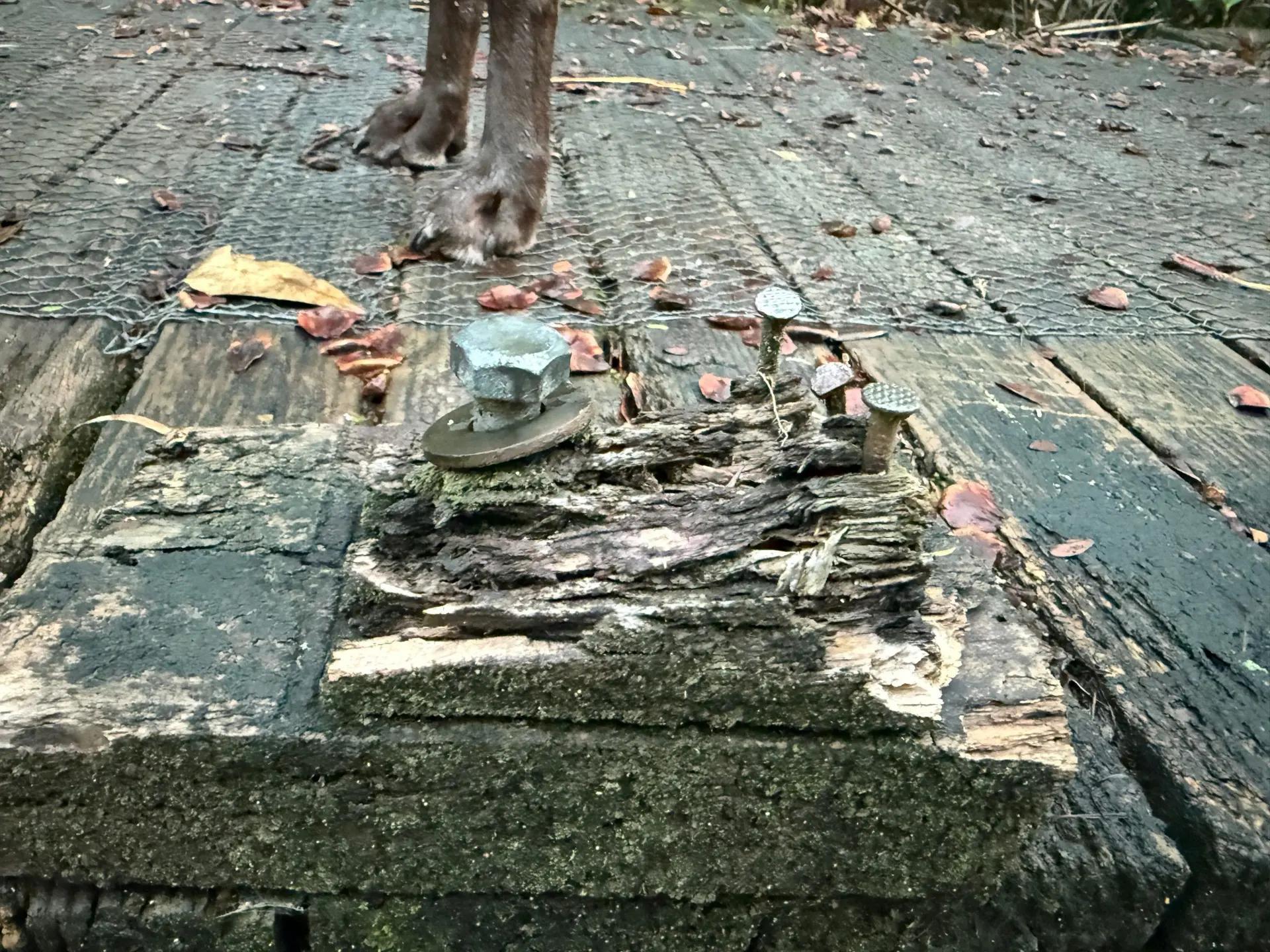
Protruding nails and screws posed a hazard to walkers on Titirangi Rd. Photo/Supplied via LDR
The sculptures in line for a makeover
A number of famous statues are in need of some love - and paint.
The giant Rakaia salmon statue is due to undergo a $300,000 refurbishment.
Ironically, a hook will be used to snag the salmon by crane so it can be transported for its makeover.
The giant pāua shell at Riverton/Aparima also requires repairs for cracks and peeling, just one year on from a major refurbishment.
Built in 1999, Southland’s shabby surfer has not weathered the storm well, but a new statue could soon be riding into town at Colac Bay/Ōraka.
However, it won't come cheap with a potential $140,000 bill to replace the surfer.
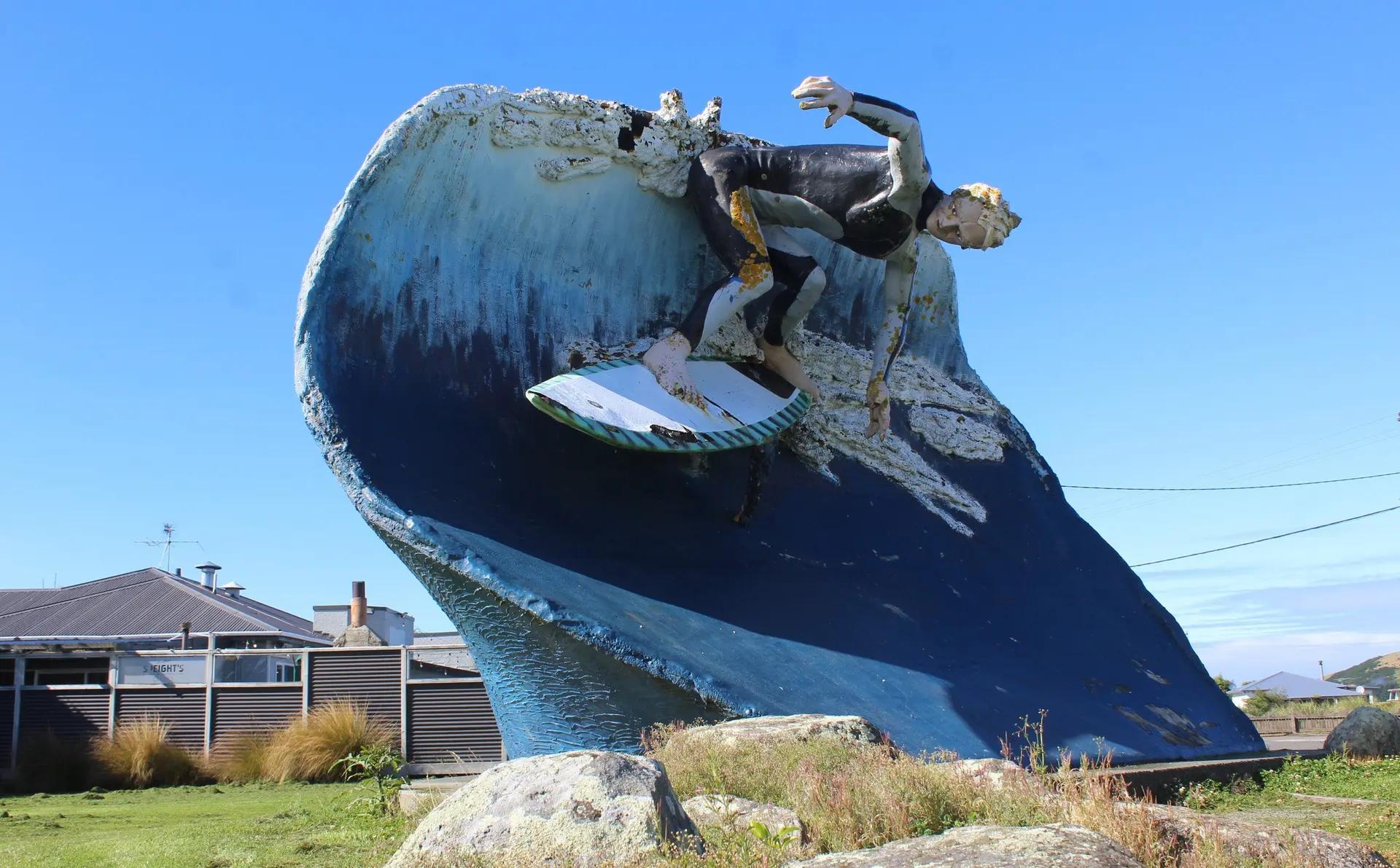
The surfer statue at Colac Bay/Ōraka was not fiberglassed when it was built in 1999, which ultimately compromised its longevity. Photo/LDR/Matthew Rosenberg
Election ushers in fresh faces
Statues weren’t the only thing getting a makeover.
Voters wanting change caused a major shake-up at some council tables in the October elections.
In 66 mayoral races, nearly half (32) elected a new mayor.
This compared to 30% of regions electing a new mayor in the 2022 elections.
The shift came after residents vented frustrations over rising rates.
Controversies also marred parts of the local elections.
An embarrassing blunder left Māori candidate profiles out of some voting packs, leaving one affected candidate "absolutely gutted”.
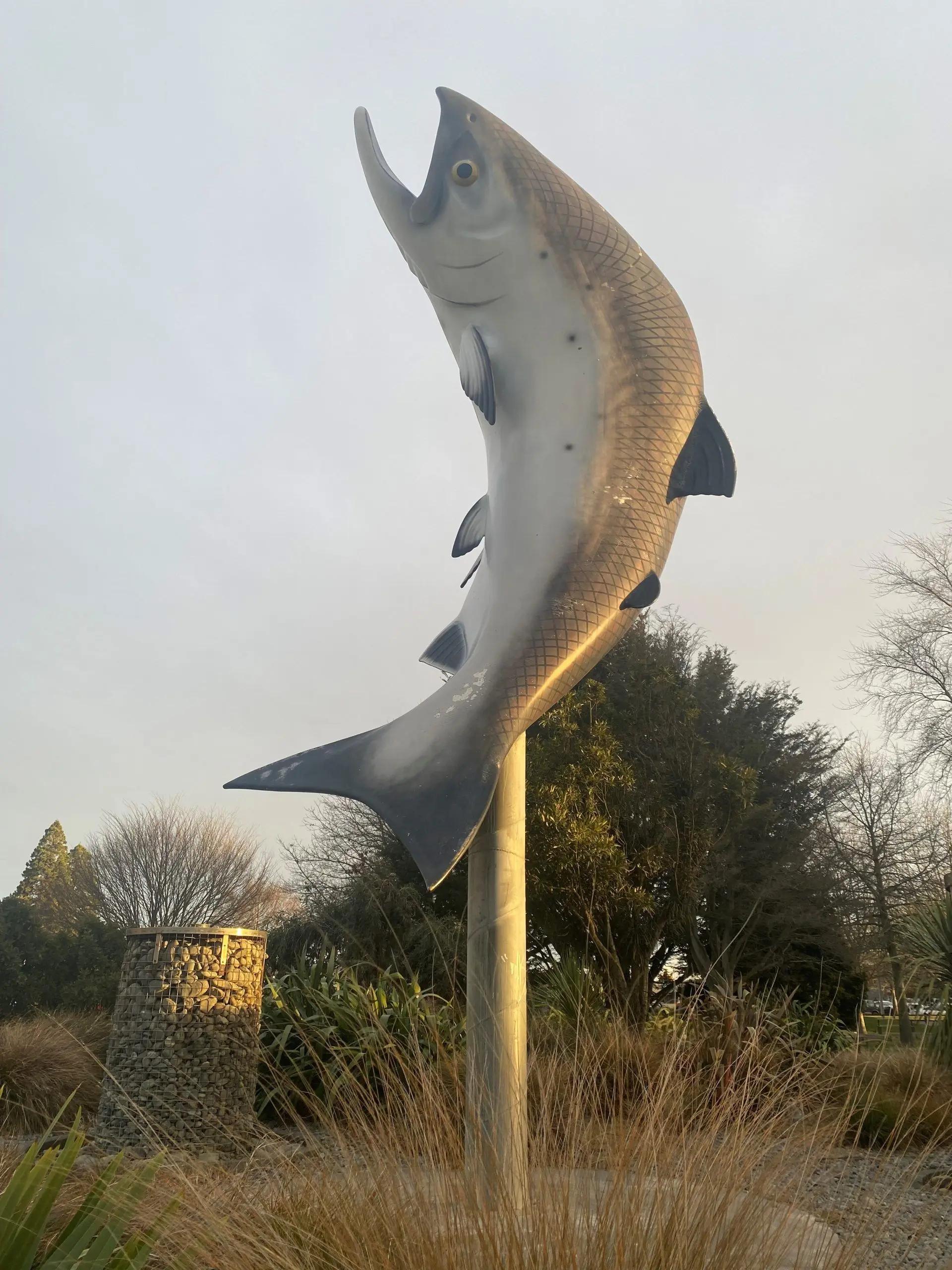
Rakaia's famous salmon statue is in need of a makeover. Photo/Local Democracy Reporting/Jonathan Leask
The electoral officer admitted it was caused by human error and phoned the affected candidates to apologise, LDR reported in September.
More than 220 local politicians won a spot on their council or community board without a single vote being cast due to the lack of candidates.
Hurunui mayor Marie Black and Manawatū deputy mayor Michael Ford were among those who won their seat unopposed.
Meanwhile, a rare by-election will be held for a South Auckland local board after allegations of voter fraud.
LDR spoke to two residents who say ballots were cast in their names despite not receiving their papers.
A petition in the Manukau District Court called for a judicial inquiry following allegations of fraud.
Judge Richard McIlraith in December ruled that irregularities materially affected the result, declaring the election for the Papatoetoe subdivision of the Ōtara-Papatoetoe Local Board void.
Looking to the year ahead
Fresh from winning elections, councillors faced with a raft of reforms leading up to Christmas.
The Government described it as the biggest change for councils in more than three decades.
Plans are underway for a rates cap and more simplified building rules.
Water plans are also due to be rolled out while the axe hangs over regional councils.
There is also a not-so-subtle government push for amalgamations.
Mega-reforms are coming for councils in 2026.
LDR is local body journalism co-funded by RNZ and NZ On Air.