
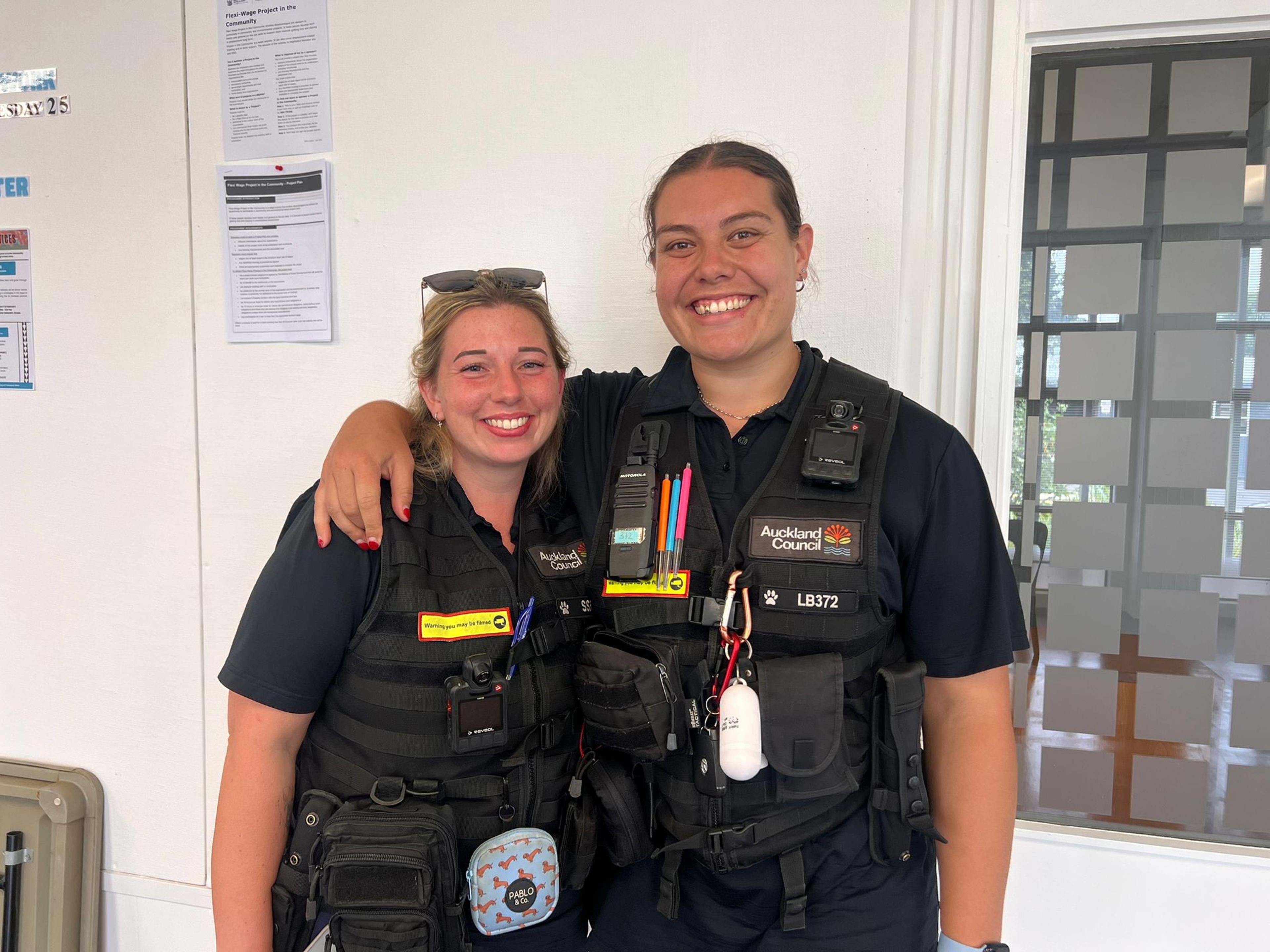
Animal management officers Shay and Lisha, part of Auckland Council’s proactive team focused on desexing, education and prevention.
Photo/Taelegalolo'u Mary Afemata
Local Democracy Reporting
Council's prevention over punishment dog control programme reaches 1000 desexed
Auckland Council’s free dog desexing programme has reached 1000 dogs, marking a shift in South Auckland from enforcement to prevention.

Taelegalolo'u Mary Afemata
Published
12 February 2026, 1:00pm
Share
Copy Link
Top stories

Tongan mother turns to sign language to rebuild life with deaf daughter
Khalia StrongFri, 08 May


‘Saumolia’ brings ocean kings, curses and identity battles to South Auckland stage
Atutahi Potaka-DewesFri, 08 May
Top stories
Tongan mother turns to sign language to rebuild life with deaf daughter
Khalia StrongFri, 08 May
‘Saumolia’ brings ocean kings, curses and identity battles to South Auckland stage
Atutahi Potaka-DewesFri, 08 May
Auckland Council’s free dog desexing programme has reached 1,000 dogs, a milestone frontline animal management officers say reflects a much bigger shift on the ground in South Auckland.
Speaking after an Ōtara Network Action Committee safety meeting this week, animal management officers Shay and Lisha said the milestone marked a move away from enforcement and towards prevention, education, and early intervention in financially stretched communities.
“Honestly, us coming into Otara to begin with as a proactive team, people were quite standoffish with us, and I understand why,” Shay said.
“It’s because of the way that officers were approaching. It was all about enforcement. They didn’t have time to actually educate … That’s why a proactive team was made.”
Shay said desexing remains one of the most effective tools to prevent long-term harm.
It helps with behavioural issues and can reduce the risk of certain cancers and health issues, she said.
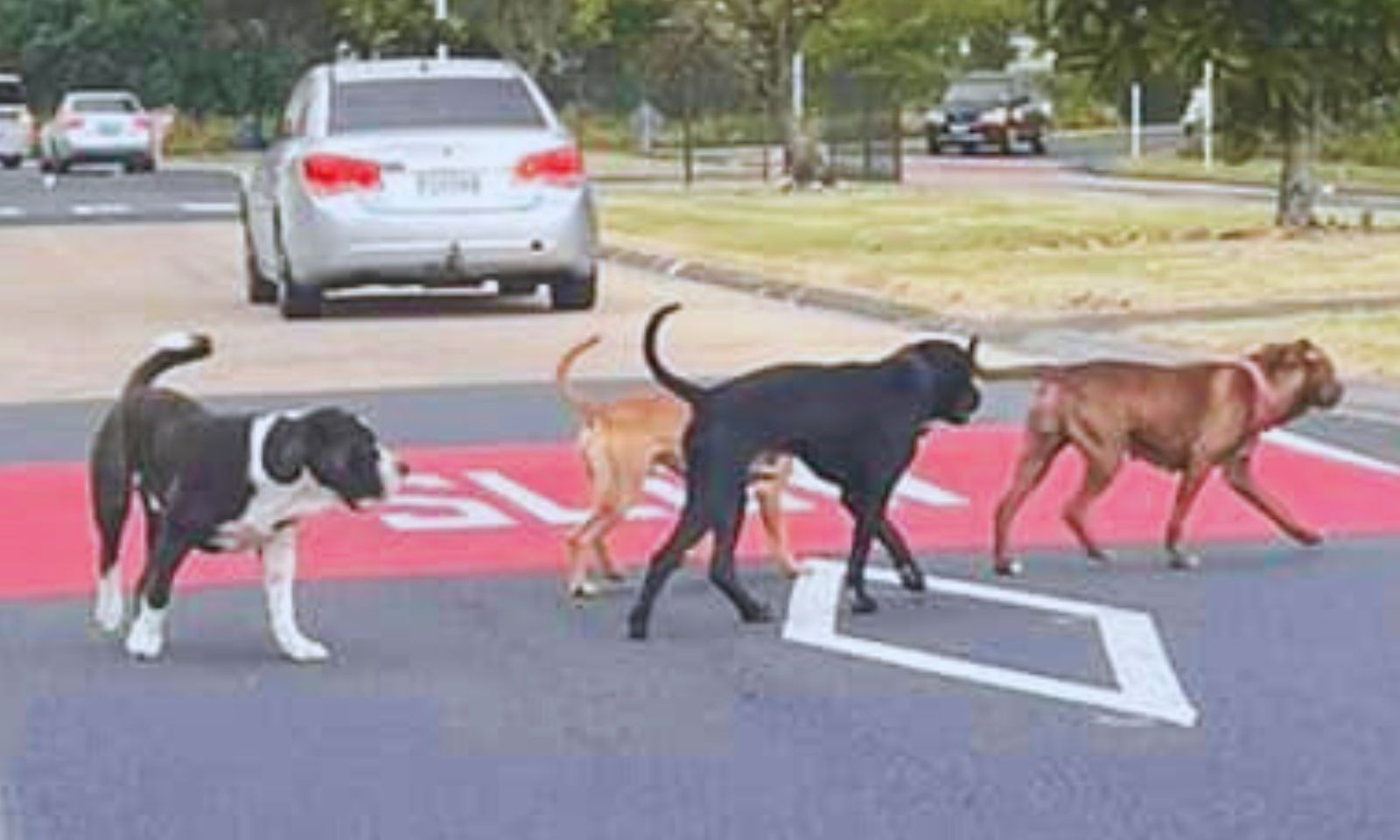
Roaming dogs remain a key issue in South Auckland, with council shifting focus from enforcement to prevention and education. Photo/Auckland Council
The programme includes an in-house desexing clinic in Henderson and a desexing voucher partnership with the SPCA, funded through infringements under the Dog Control Act.
Lisha said the impact of free desexing was most visible in households experiencing financial hardship.
“We’re going to properties where there’s real financial hardship and they’ve got a litter of puppies they can’t afford to care for,” she said. “Desexing gives people relief and stops that cycle.”

Dogs must be under control and properly contained at all times under Auckland Council rules. Photo/Auckland Council
Shay said the scale of prevention is often underestimated.
“One female dog can have six or seven litters in its lifetime, sometimes more, with up to ten puppies per litter,” she said.
“When you multiply that by how many dogs we’ve desexed, that’s a massive number of dogs that never had to suffer.”
Lisha also emphasised the need for registration and microchipping.
“Legally, your dog has to be registered with council,” Lisha said.
“It’s like a car registration. It has to be done every year, and then that’s where infringements can come."
Shay said she understands the reluctance to register.
“But if your dog gets picked up and it’s not registered and it’s not microchipped, it’s not going to get returned to you. It’s going to go to the pound.”
Lisha said her time working previously at the Manukau shelter highlighted the emotional toll of limited options.
“And knowing that the nicest dogs don’t have owners, or we can’t contact the owners, it’s soul-destroying. It’s a tough job,” she said.
Shay said limited shelter space directly contributes to euthanasia.
While council programmes currently focus on dogs, officers said communities are increasingly raising concerns about cats.
"We've even come onto properties where there's 20 cats on one property… we wish we could help because obviously the people need help, and the animals need help,” Shay said.
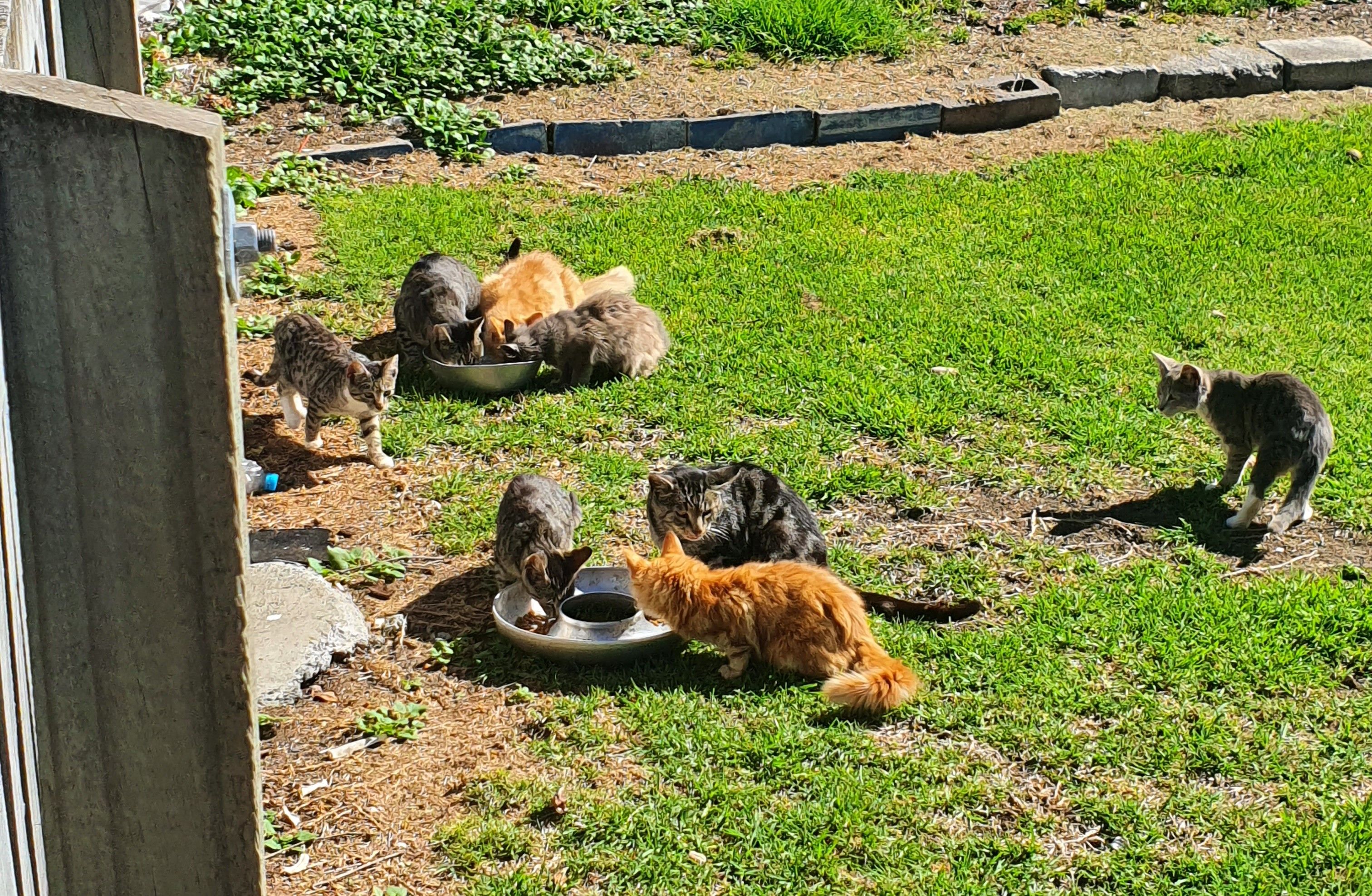
Cats pictured as officers report a decline in roaming dogs and growing concerns about stray cats. Photo/Auckland Council
She said Auckland Council only deals with dogs and livestock and must refer cat complaints to the SPCA.
Lisha said some confusion comes from differences in dog ownership rules between New Zealand and Pacific Island countries.
“It’s not the islands here, so the rules don’t apply as it does in Tonga and Samoa. The dogs aren’t allowed to just be out and about wherever they want to be. There are rules and regulations, and one of those is your dog has to be under control or contained at all times,” she said.
The free desexing programme is currently funded for a limited period, with its future dependent on demand and outcomes.
LDR is local body journalism co-funded by RNZ and NZ On Air.