
Pacific pair earn first All Blacks call-ups for Greatest Rivalry Tour
PMN NewsMon, 27 Jul
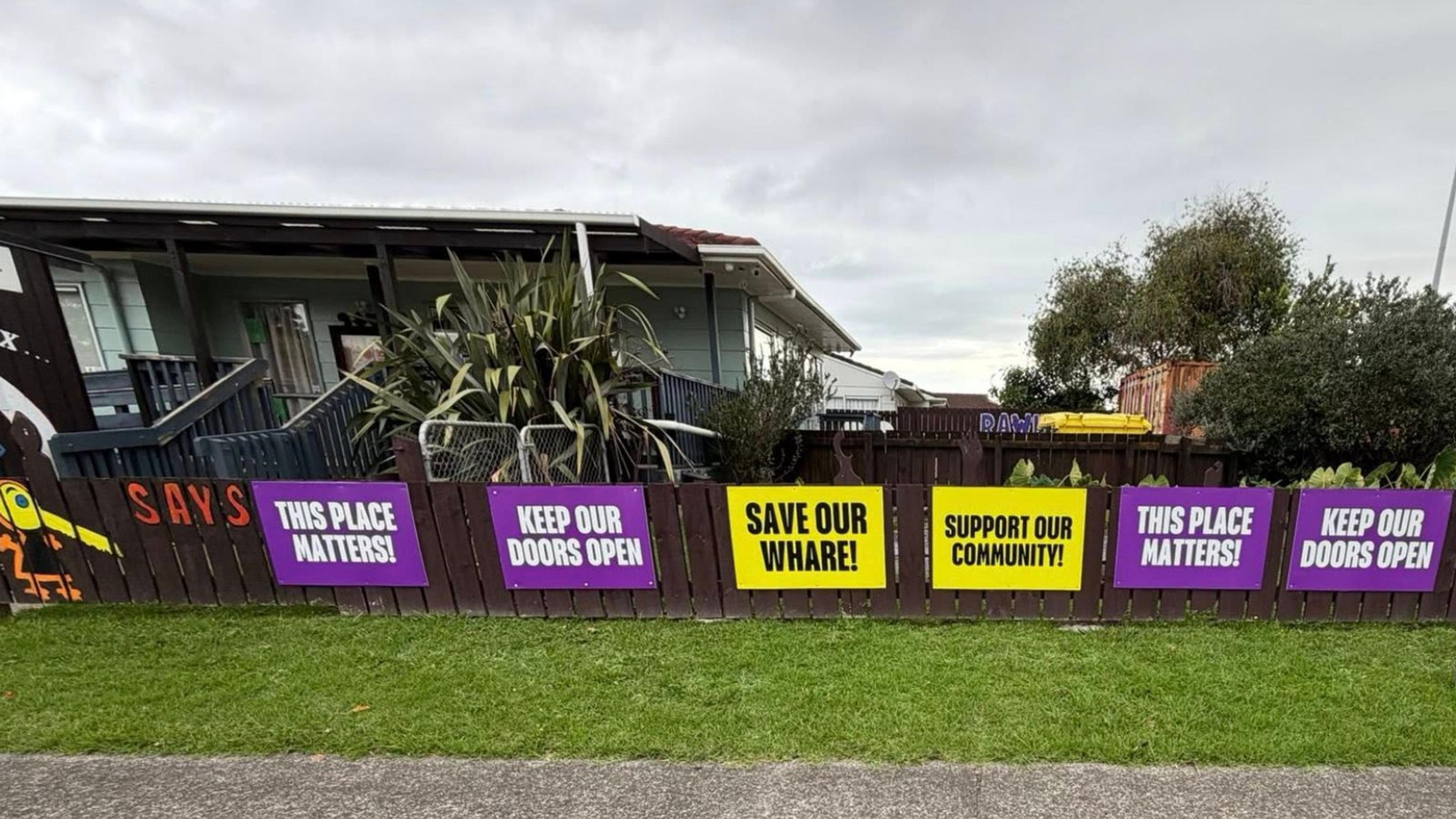
Signs outside RaWiri Community House in Wiri show community support for keeping the long-standing hub open.
Photo/Rawiri Commuity House Facebook
Residents and local leaders are taking to the streets on Tuesday, saying they were not properly consulted over a Kāinga Ora decision to reclaim a long-standing community house for housing.


A community march is taking place in Manurewa today as anger grows over a Kāinga Ora decision to take back a long-standing Manurewa community house for public housing.
Residents and supporters will gather at Rawiri Community House in Wiri before marching to the Kāinga Ora office in Manukau, where they plan to hand over a petition calling for the site to remain in community use.
Organisers say Ministers Chris Bishop and Tama Potaka have been invited to receive a petition, but it is not clear if they will attend.
At the centre of the dispute is a three-bedroom Kāinga Ora property leased to Auckland Council since 2013 and subleased as a community house.
Kāinga Ora has confirmed it will not extend the lease again and said stakeholders were informed, though it has not detailed who was included or when. Kāinga Ora has signalled it intends to reclaim the property to help meet urgent housing demand in South Auckland.
“In 2023, we confirmed with Council there would be no further extensions to their lease. In February 2025, we began working alongside them to plan for the return of the property ahead of the lease expiring on 30 June 2026," Acting Regional Director Counties Manukau Sonja Clearkin said.
Kāinga Ora, which plans to reclaim the RaWiri Community House site in Wiri. Photo/File.
“In this part of Auckland, there are more than 2400 applicants on the Ministry of Social Development’s Housing Register waiting for a home,” she said.
“Nearly all our homes, over 99 per cent, are tenanted. This three-bedroom home is needed to house whānau who currently don’t have a place to live.”
Kāinga Ora did not directly respond to questions about community consultation, the future of services at the site, or whether any alternatives had been offered, referring all queries to Auckland Council.
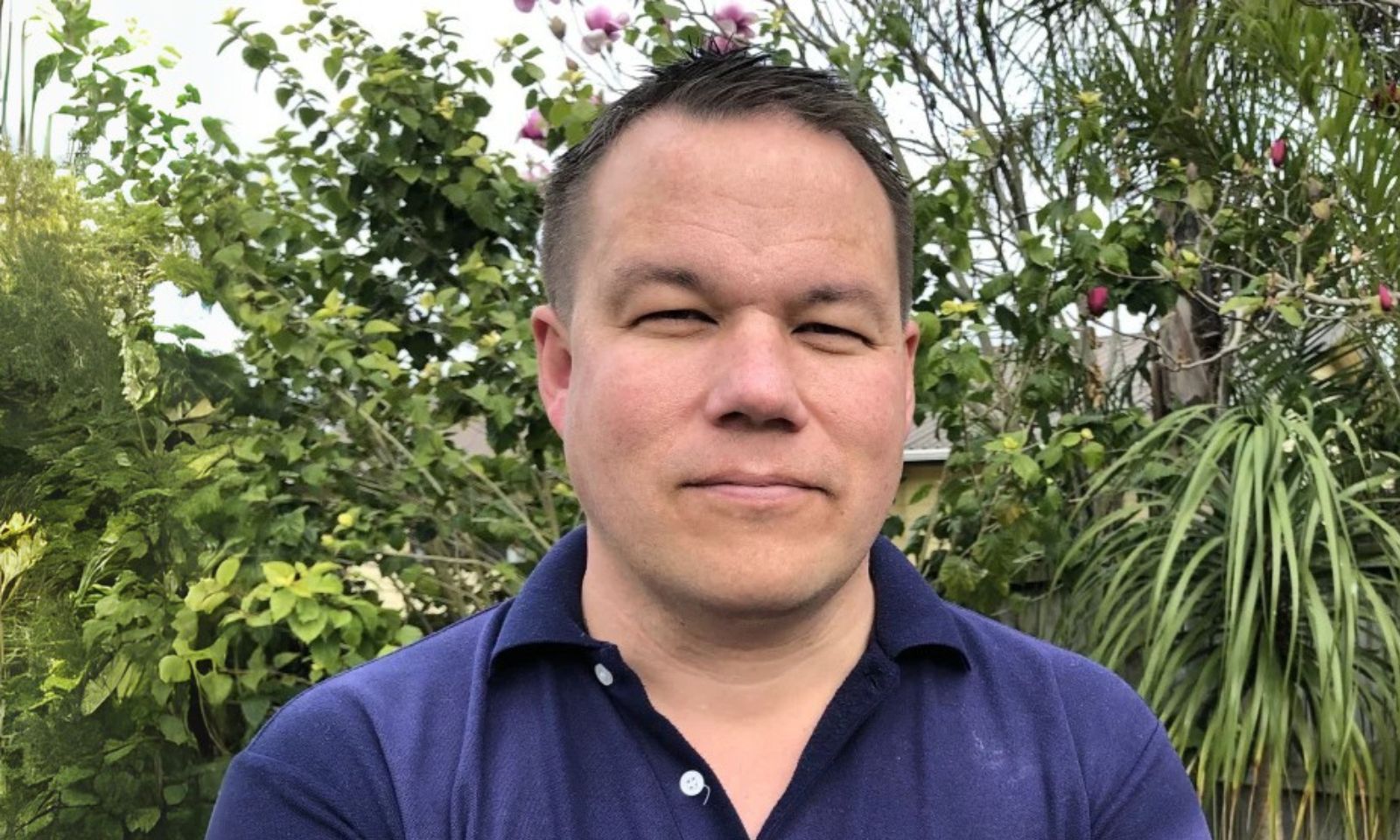
Manurewa-Papakura ward councillor Daniel Newman, who says Kāinga Ora was not required to consult but did not engage the community, and hopes it will reconsider its decision. Photo/File.
Manurewa-Papakura ward councillor Daniel Newman said Kāinga Ora was not required to consult and had not engaged the community before making its decision.
“Kāinga Ora has the house and Kāinga Ora can choose to renew the lease or not, and it’s not required to consult anybody. It certainly hasn’t consulted the community,” he said.
“What Auckland Council can do is to persuade Kāinga Ora to reconsider its position and to renew the community lease, because the community house is valuable.”
Newman said the council was still pushing for a longer-term solution.
“It’s essential that the Minister and Kāinga Ora come to the table with a plan to allow for the extension of the existing community lease. That service needs to be maintained at Rawiri, and the council will fund it if we can,” he said.
He said losing the site would leave few practical options in the area.
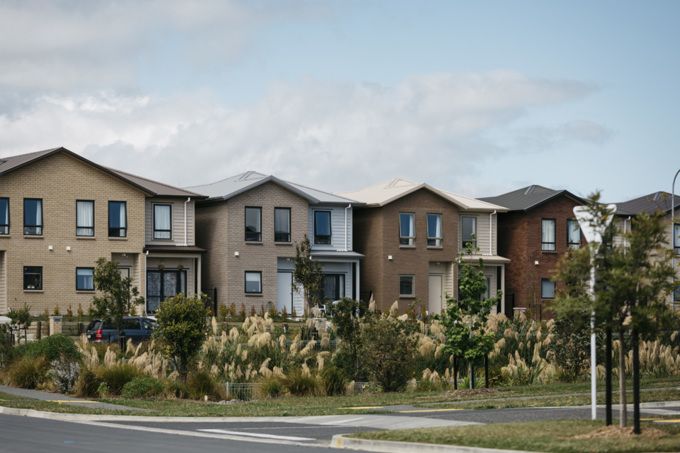
Public housing in South Auckland, where more than 2400 applicants are on the housing register. Photo/Auckland Council
“We are really struggling because there aren’t easily available alternative options in Rawiri, so what we would have to do is look at temporary options close by, but they would not be as good as the house itself.”
Auckland Council has been approached for comment on its role in the lease, its engagement with the community, and whether it would support continued services at the site.
Rawiri Community House co-founder Liz Kiriona said the centre had supported families in Manurewa for nearly two decades.
“Rawiri house has helped hundreds of families for the nearly 20 years it has been open. These are neighbourhoods and communities who have had to work and fight hard for any scrap of support they get,” she said.
She said the decision was a “slap in the face” for the community especially after wider cuts to housing projects in Auckland.
“Removing the house and the services it has been providing for so long is a real kick in the guts for people already facing hardship. Our people deserve public housing AND community services.”
Services at the house include a foodbank, driver licence support, sewing and weaving classes, emergency assistance, mental health support, and advocacy for whānau navigating government systems.
Saving Hope Foundation volunteer Jo Coulam said programmes at Rawiri Community House had reached thousands of people across Manurewa over the past two years, including animal welfare initiatives.
“It’s hugely important to the heart of Manurewa. It’s the life and soul of it,” she said.
Coulam said a local dog desexing project had helped reduce roaming and aggression with 108 high-risk dogs desexed in the past six months, from 205 applicants, and 51 per cent of owners identifying their dogs as aggressive to humans, other dogs, or both.
“One house can house a family, but that house helps and connects so many people,” she said.
Manurewa resident Lagi Laulu-Tolai said Rawiri Community House had played a key role in helping her settle in New Zealand, including support to gain her driver licence, which made it easier for her to apply for work.
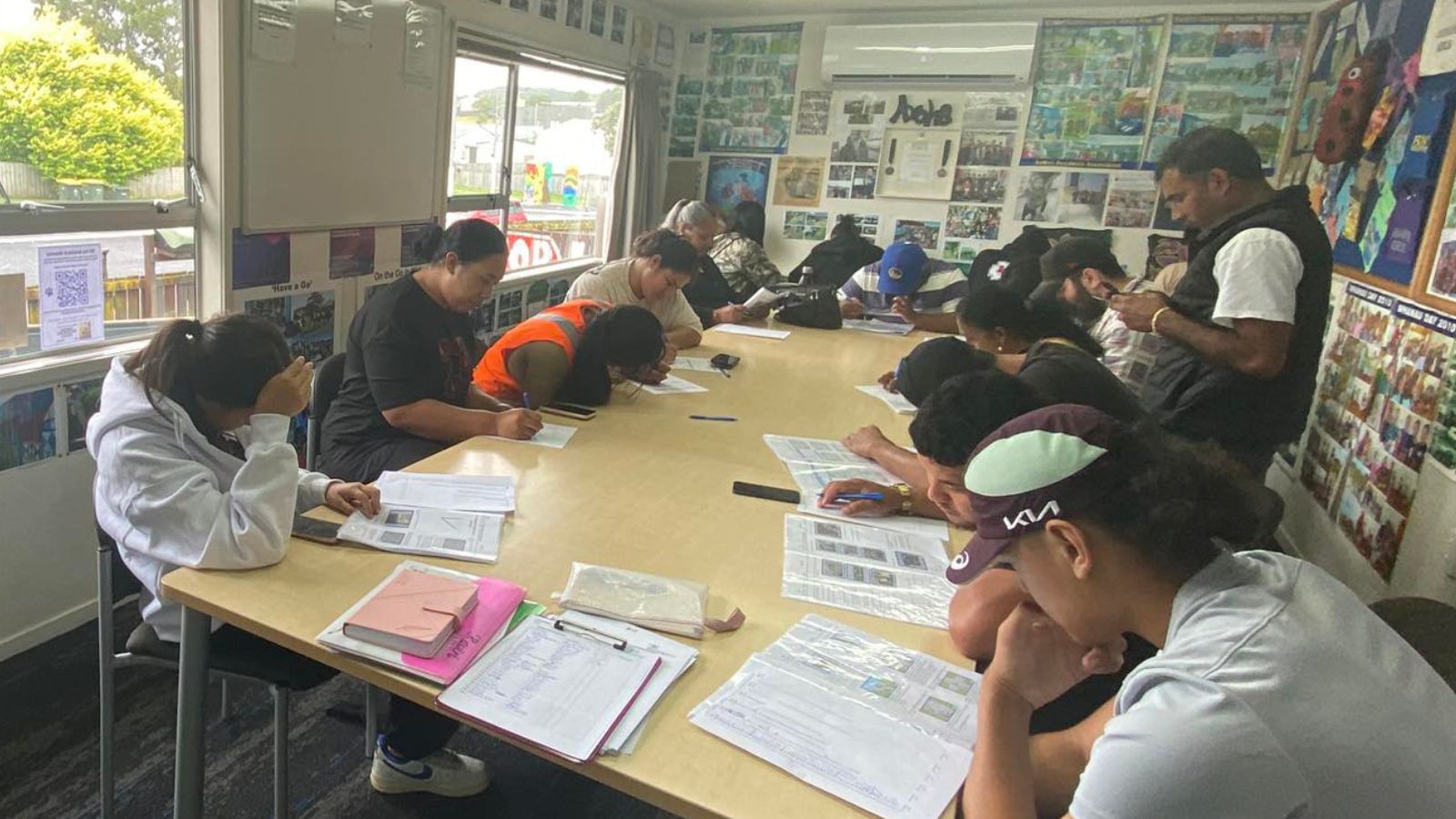
Residents attend a driver licence support session at RaWiri Community House in Wiri, one of several community services now at risk if the site is reclaimed. Photo/Rawiri Community House Facebook
“They are the ones that help me convert my licence without me spending anything,” she said.
“Most of the Pasifika people are going there. Some Pasifika people don’t want to go to other communities where there’s no Pasifika people involved, because of the barriers of language.”
She said losing the house would affect many others.
“If we cannot keep that, those people are not going to get the help that we were getting from the Rawiri community,” she said.
Newman said he hoped Kāinga Ora would confirm within a month whether it would reconsider its decision.
LDR is local body journalism co-funded by RNZ and NZ On Air.