
Kiwis suffer last-gasp heartbreak as the Kangaroos snatch World Cup opener
Christine RovoiFri, 16 Oct

Vanuatu Prime Minister Jotham Napat says the government will sign separate strategic agreements with both Australia and China after months of negotiations over sovereignty concerns.
Photo/PMN Composite/Vanuatu government
Prime Minister Jotham Napat says the two major cooperation agreements with China and Australia are needed to protect Vanuatu’s independence.

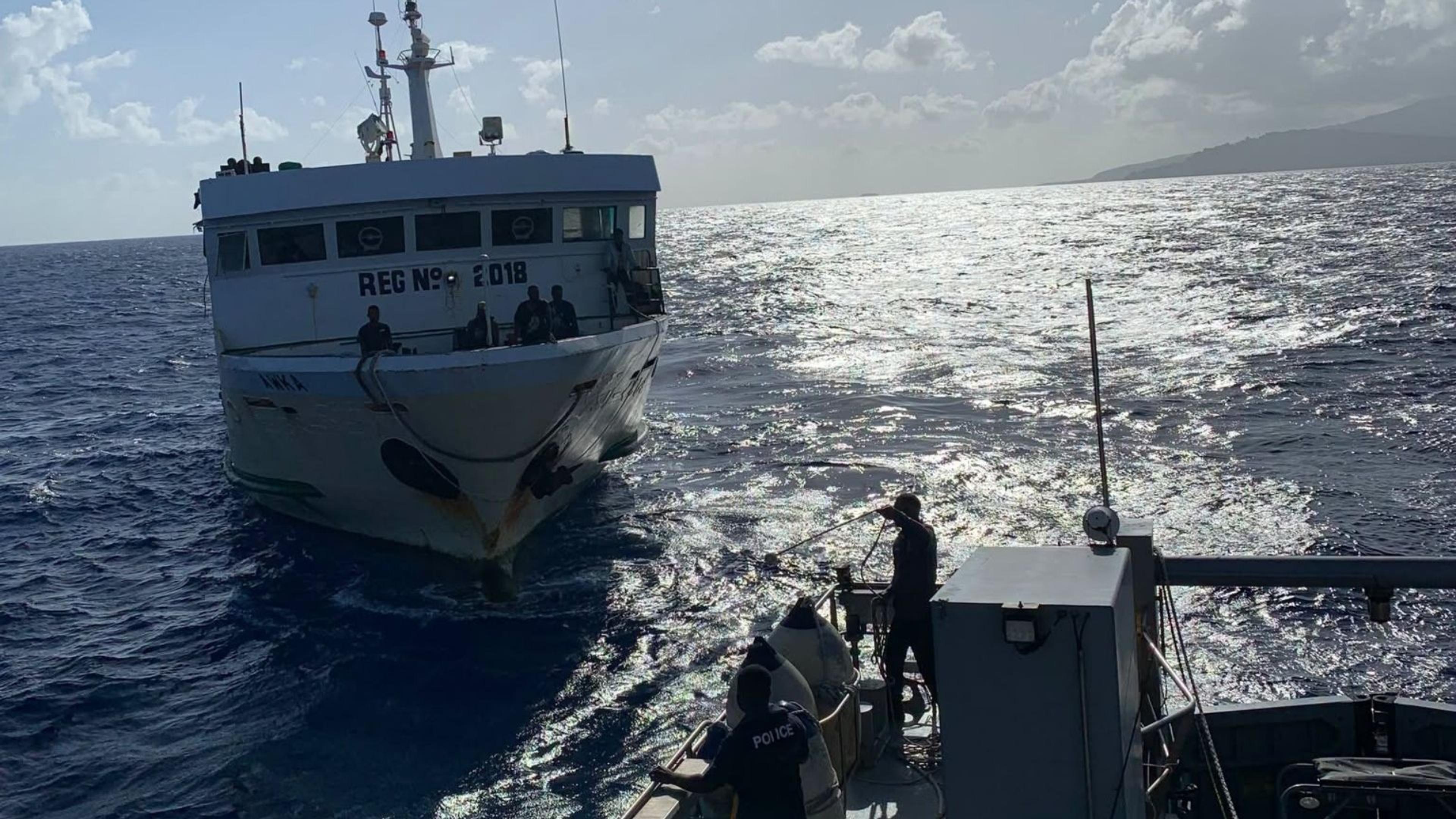


Vanuatu will sign the Nakamal Agreement with Australia and the Namele Agreement with China, Prime Minister Jotham Napat has confirmed in Parliament.
Napat made the announcement during Oral Questions in Parliament after being asked about the status of the long-discussed Nakamal Agreement and whether MPs would be able to access its contents.
He said the government plans to sign two separate agreements.
“The first is the Nakamal Agreement that the Government will sign with Australia, the other is the Namele Agreement that the Government plans to sign,” the prime minister said.
But he added that the negotiations had taken time because of concerns over parts of the draft agreement.
“The Council of Ministers (COM) is of the view that we cannot sign anything that undermines our sovereignty, so it took some time for us to go back and forth with the Office of the Attorney General (OAG), which can provide clear directions on the content, especially on two critical issues in the Nakamal Agreement.”
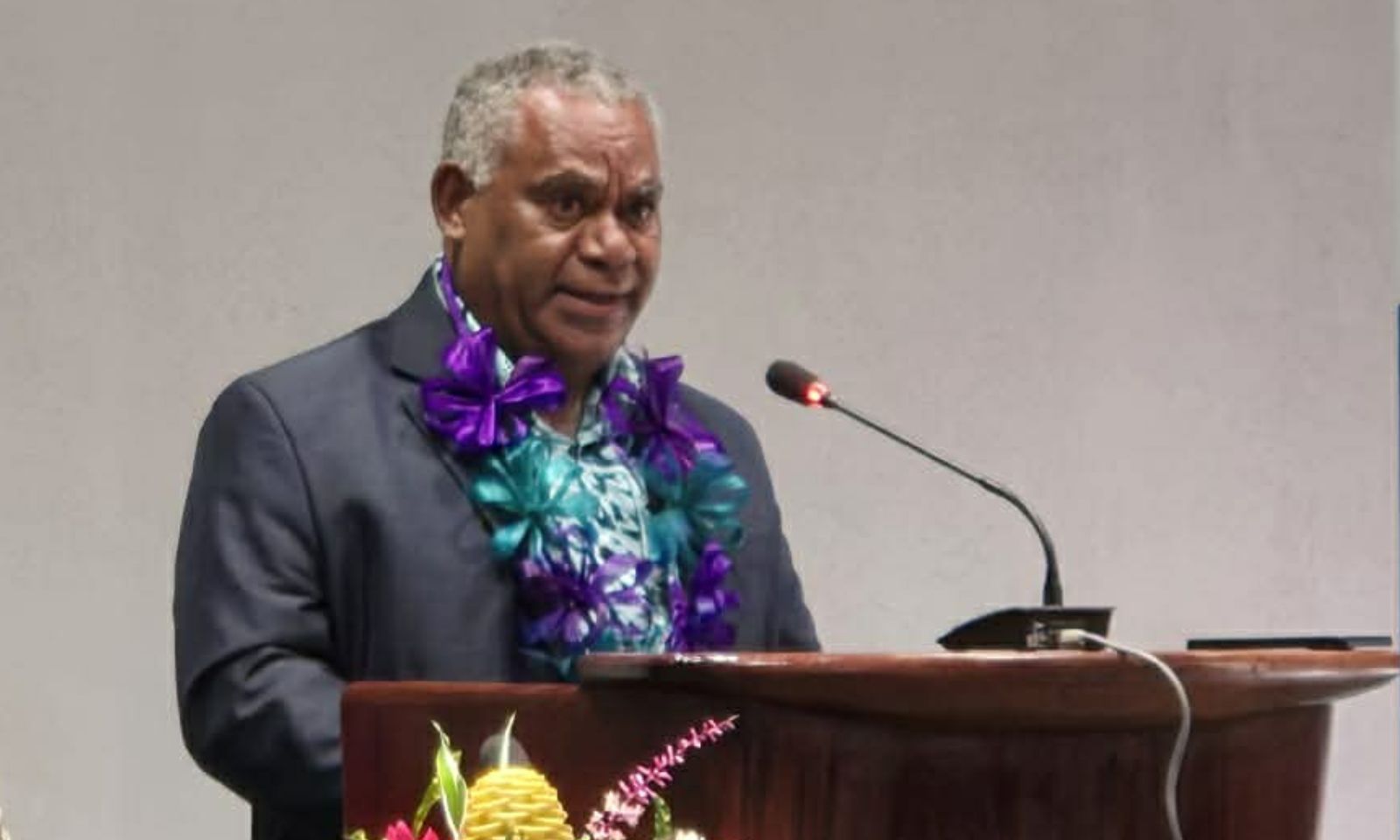
Prime Minister Jotham Napat: Vanuatu prepares to finalise the Nakamal Agreement with Australia and the Namele Agreement with China. Photo/Facebook/Pacific Islands Forum
Napat said those issues were security and critical infrastructure. “The first is on Security and the second deals with Critical Infrastructure. These are the two areas of concern.”
He said an early draft of the agreement included clauses that raised concerns for the government.
“In the first draft of the Nakamal Agreement, Australia stated that for any critical infrastructure, we are to ask for advice or seek approval from them. This already undermines our sovereignty.”
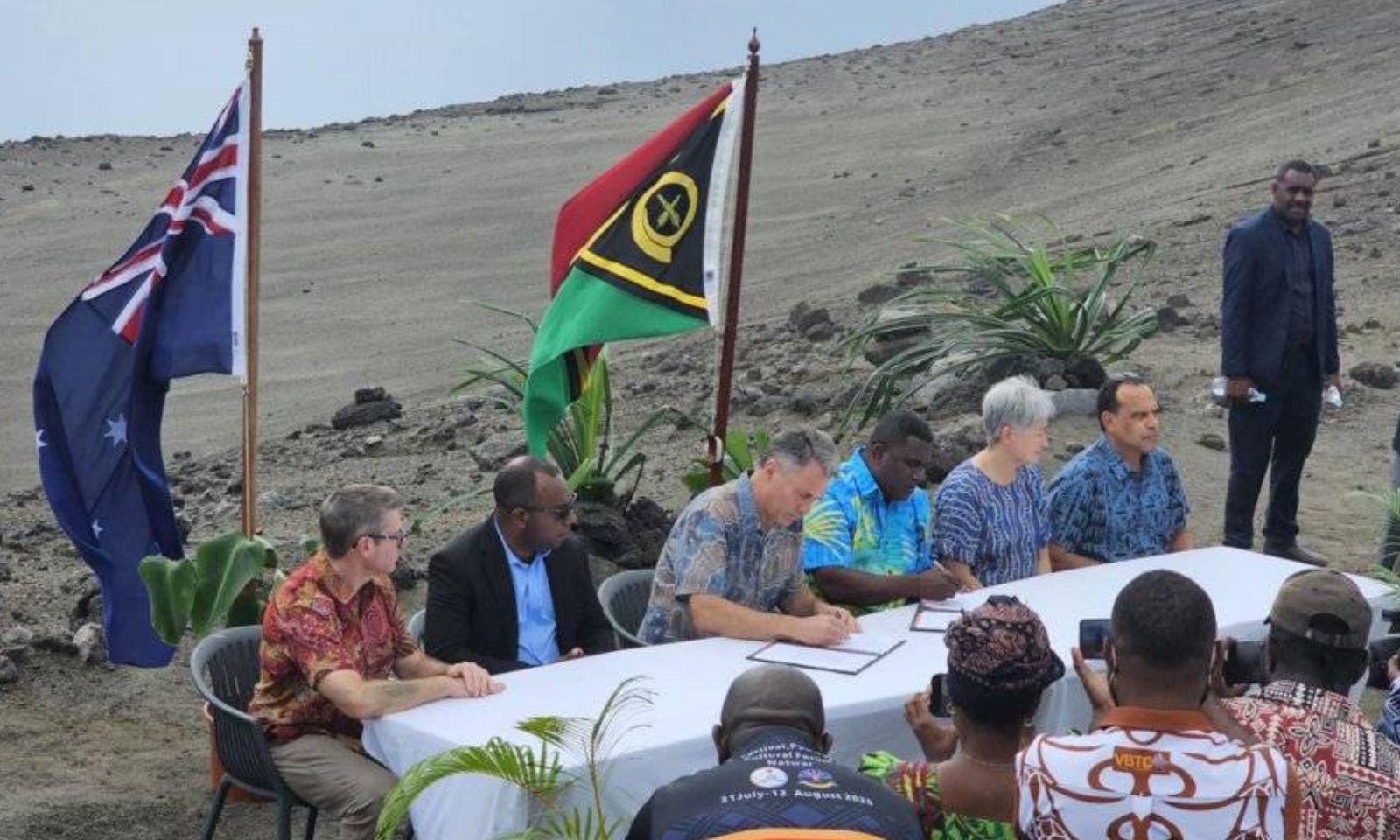
Vanuatu’s government says changes were made to the proposed Nakamal Agreement with Australia after concerns some wording could undermine national sovereignty. Photo/Facebook/VBTC
He stressed the government would not accept any agreement that limited national decision-making.
“It’s words like these that we are not satisfied with and thus it takes time for us to renegotiate until everyone is happy with the content, then we can come back to COM for the COM to give its final blessing for us to sign the Nakamal Agreement.”
Napat also moved to ease concerns about the nature of the deal, saying it was not a security pact.
“It’s just an agreement as itself, it has nothing to do with security pact except for a clause inside the Nakamal Agreement that relates to security.”
He said existing national security laws already protected Vanuatu’s sovereignty in relation to foreign military involvement.
He added the agreement also includes flexibility for the country to withdraw or renegotiate terms.
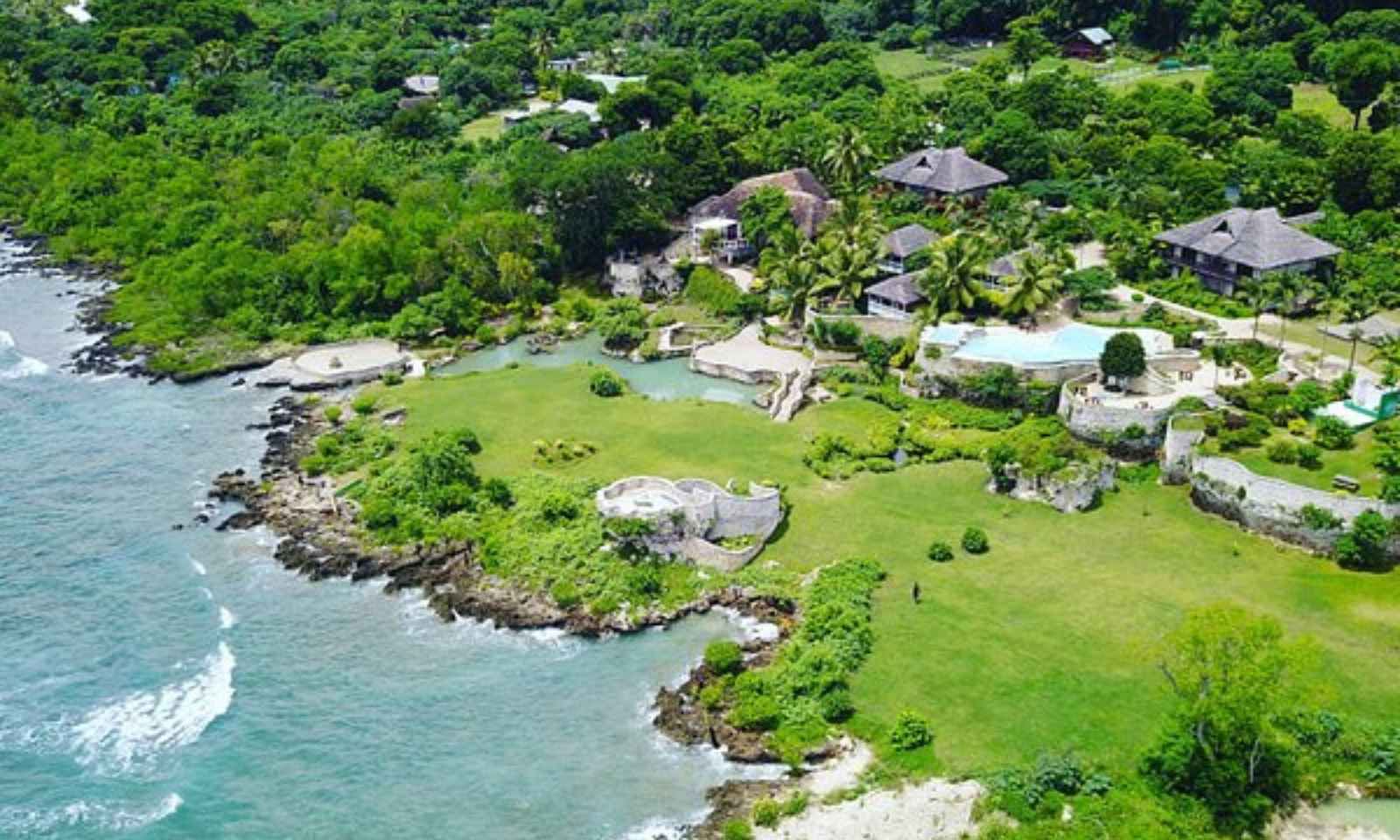
Vanuatu is moving ahead with new cooperation agreements with Australia and China, as the government insists the deals are not security pacts. Photo/tripadvisor.com/Tanna Evergreen Resort & Tours
“Inside the clauses of the Nakamal Agreement, there are provisions that if we are not satisfied with it, we can always walk out. It does not mean it is an agreement that we can’t get out of.”
PM Napat said the agreement would act as a framework, with further sector-specific deals to follow after signing.
The second agreement, the Namele Agreement with China, he described as a separate strategic cooperation arrangement.
“The Namele Agreement with China... is another strategic cooperation and has nothing to do with a security pact,” he said.
He added that Vanuatu remained committed to working with all partners.
“Unfortunately, our development partners use their interests to undermine us and that is why we stand to say 'we are friends to all and enemies to none'.
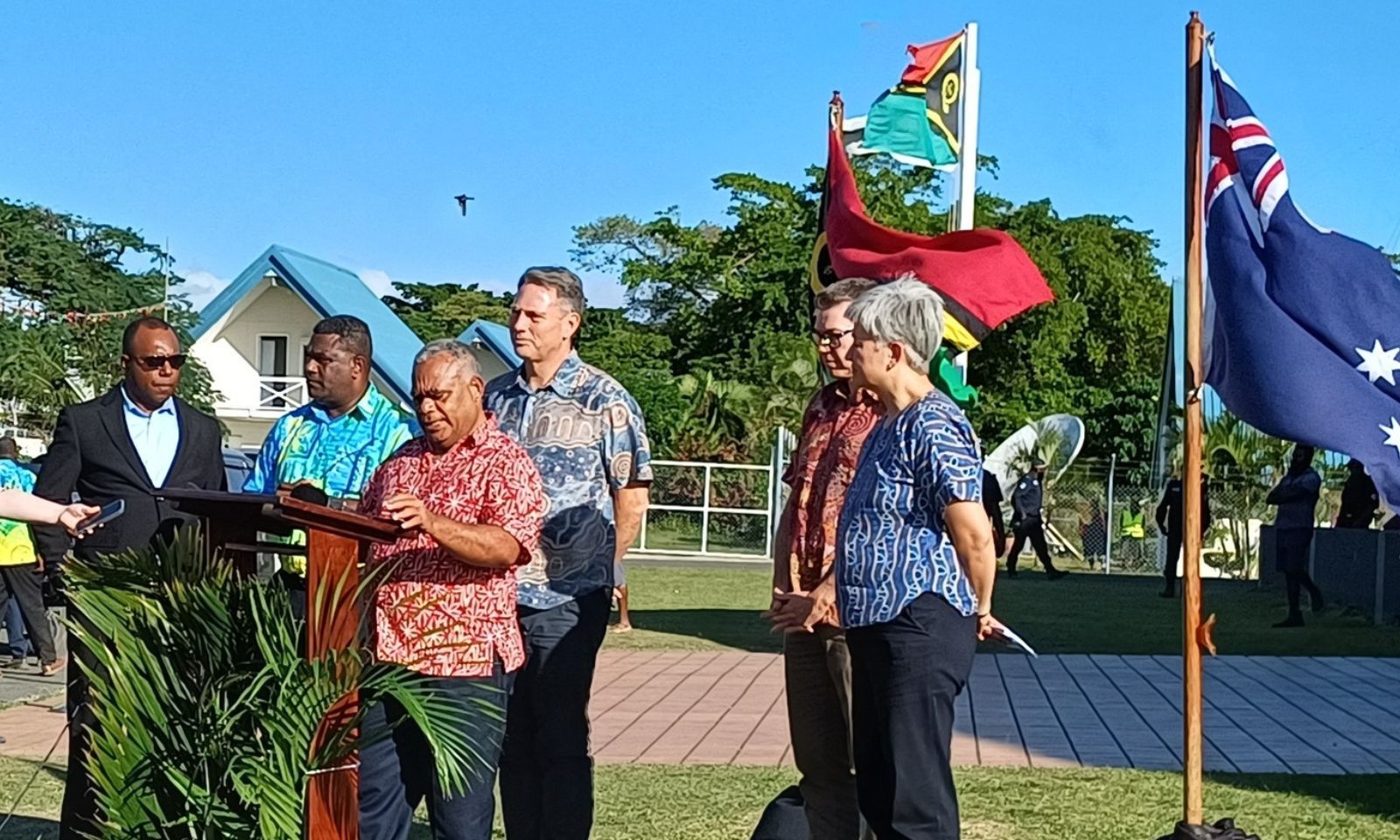
Prime Minister Jotham Napat says Vanuatu remains “friends to all and enemies to none” as it balances relationships with regional and global partners. Photo/Facebook/Vanuatu govt
"We do not want to favour one party over the other, we are open to every donor partner coming in, that’s why we took quite a while to look at the wordings.”
PM Napat said Cabinet had already authorised the Office of the Prime Minister to finalise the China agreement, which he described as another development-focused partnership.
He added that some details had not been shared earlier due to confidentiality requirements while Cabinet processes were still underway.
There was no immediate public response from Australia or China to the Prime Minister’s comments at the time of publication.
But Australia has maintained that its engagement with Vanuatu is a “respectful partnership with Pacific sovereign decision-making”.
"Australia and Vanuatu have a strong and enduring bilateral relationship, based on shared values and interests in a peaceful, stable and prosperous region,” a government statement read.
"The Australia-Vanuatu Bilateral Security Agreement will formalise our partnership across the full suite of our shared security interests and make a valuable contribution to the security of the Pacific family.”
Canberra has also emphasised deepening security and development cooperation in the Pacific region.
China describes its relationship with Pacific nations, including Vanuatu, as based on mutual respect and win-win cooperation.
Beijing has consistently said that its presence in the Pacific does not interfere in the internal affairs of partner countries.