
Online vault aims to return Pacific research to the community
Aui'a Vaimaila Leatinu'uWed, 21 Oct
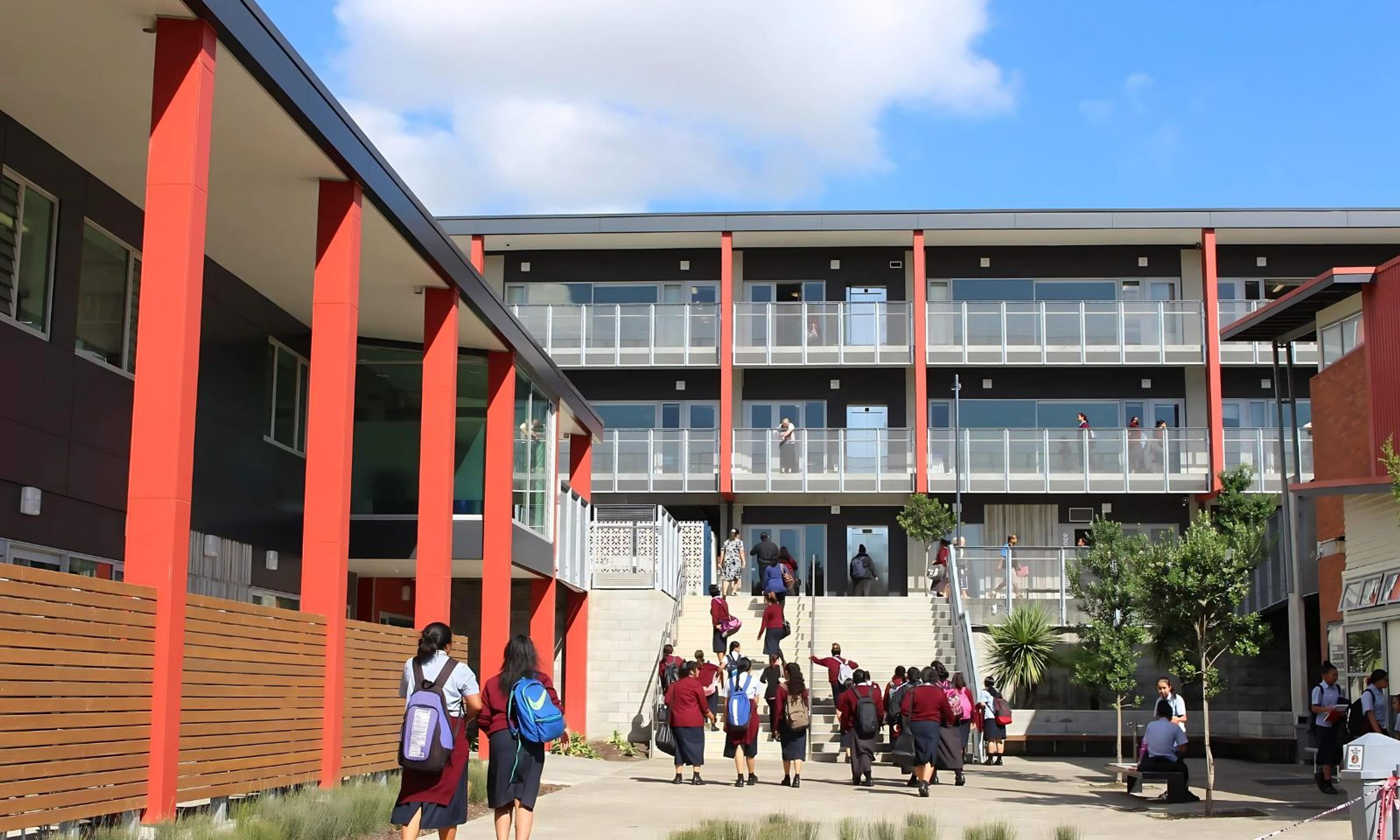
Officials say it is an interesting time for schools.
Photo/Supplied
Bruce Kearney says schools are navigating changes to curriculum and attendance, while education is a hot topic in the lead-up to the 7 Nov general election.



An election year can be a challenging time for schools as education can become a political football, says a North Canterbury principal.
Schools are navigating changes to curriculum and a focus on attendance, while education is expected to be a hot topic in the lead-up to the November 7 general election.
‘‘It’s quite hard to feel grounded in education at the moment. It feels like an election is coming up,’’ Rangiora High School principal Bruce Kearney said. ‘‘When there’s an election coming up, people and politicians are very open about their thoughts.’’
Board of trustees presiding member Simon Green said it was an interesting time for local schools.
‘‘It’s interesting looking at the future. ‘We haven’t seen huge roll growth at our local primary schools, so it’s about making sure we look after what we’ve got.’’
While Kāhui Ako (communities of learning) were axed at the end of last year, Mr Green said he hoped North Canterbury schools would continue to support each other.
The Government has placed an emphasis on attendance and student achievement, with a focus on ‘‘regular attendance’’, where 80 percent of students attend school 90% of the time.
‘‘The rationale is that when students are at school, their educational achievement improves,’’ Mr Kearney said.
But 90% ‘‘regular attendance’’ is more of an aspirational goal, especially when winter ills strike, he said.

Rangiora High School board of trustees presiding member Simon Green (left) and principal Bruce Kearney are looking forward to a busy year. Photo/David Hill/North Canterbury News
‘‘For the last few years, we’ve been telling people to keep kids at home if they have a sniffle, and when you’ve got 1700 students and the teachers all in one place, sickness can spread quickly.
‘‘I know there are suggestions of parents taking their children out of school to go on overseas trips, but there’s not many of them.’’
Mr Kearney said around 55% of Rangiora High School students achieved regular attendance, while 80% were attending school 80% of the time.
Despite not meeting Government expectations for attendance, the school scored well above the national average in NCEA results last year.
At level one, Rangiora had 77% of students gaining the necessary 60 credits, compared to 72% nationally. The school had an 85% success rate at level two and 80% at level three, compared to the national averages of 72% and 70%.
‘‘We believe these improved results are a reflection of what we are doing and we are really pleased.’’
But Mr Kearney said there was still work to do. The board of trustees completed a community survey last year and developed a long-term strategy of improving from ‘‘good to great’’.
‘‘Our NCEA results show we have shifted from ‘good to better’, so it is a long-term plan,’’ Mr Kearney said. ‘‘Part of that is defining what great looks like.
‘‘We want to be great in our ability to provide opportunities for every kid, whether that be pathways to university, trades or farming. For each student that will be different, so it is not just about great results.’’
■ LDR is local body journalism co-funded by RNZ and NZ On Air.