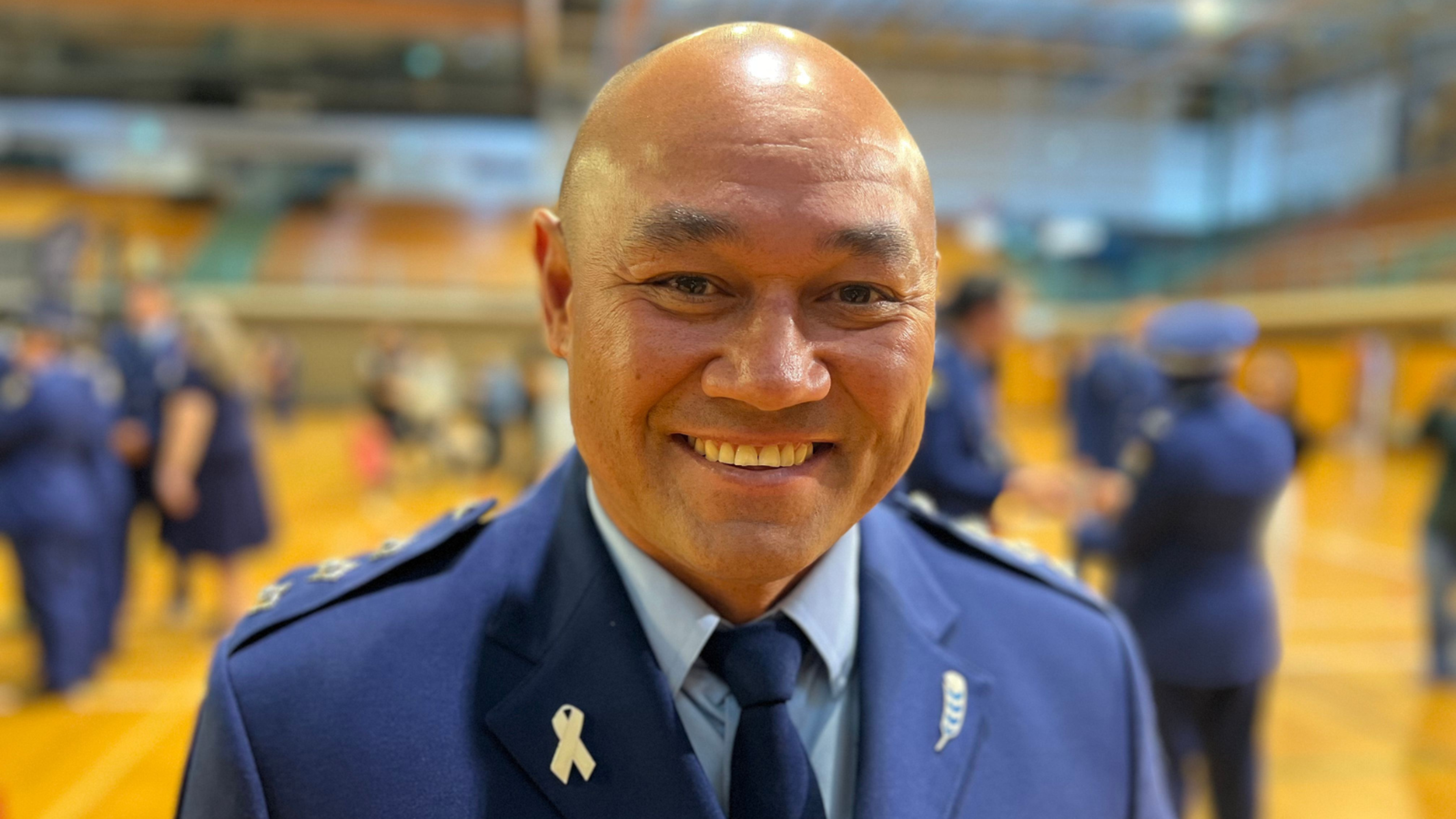
Inspector Sila Fagasea Siaki, Tāmaki Makaurau Pacific Responsiveness Manager, at the Auckland police graduation in November.
Photo/PMN News/Khalia Strong
Law & Order
Heart over Hurdles: Why Pacific police are staying the course in NZ as pay talks underway
As pay bargaining kicks off, Pacific officers are emerging as the “anchor” of the frontline, choosing community over the $112,000 lure of Australia.

Khalia Strong
Published
05 May 2026, 12:32pm
Share
Copy Link
Top stories


Tonga stun hosts as Pacific athletes light up Commonwealth Games
PMN NewsSun, 26 Jul

Satellite internet is growing across the Pacific but power remains missing link
Khalia StrongFri, 24 Jul
Top stories
Tonga stun hosts as Pacific athletes light up Commonwealth Games
PMN NewsSun, 26 Jul
Satellite internet is growing across the Pacific but power remains missing link
Khalia StrongFri, 24 Jul
Pacific officers are staying in the New Zealand Police at steady rates, with senior leaders saying service and community connection currently outweigh the much higher salaries offered across the Tasman.
Inspector Sila Fagaesea Siaki, Tāmaki Makaurau (Auckland) Pacific Responsiveness Manager, says many officers are driven by a calling that money simply cannot buy.
“You have to consciously make a decision that you want to be there to help others,” he tells William Terite on Pacific Mornings. “Money is a factor, but it isn’t the only factor.”
The financial gap is eye-watering. In Queensland, a new police recruit can start on the equivalent of about NZ$112,295.
Despite this, Siaki says Pacific staff aren’t joining the mass exodus in the numbers many expected.
“In the last 12 months, we’ve had 50 Pacific staff that have gone overseas… I’d probably think other ethnic groups are leaving more than we are,” he says.
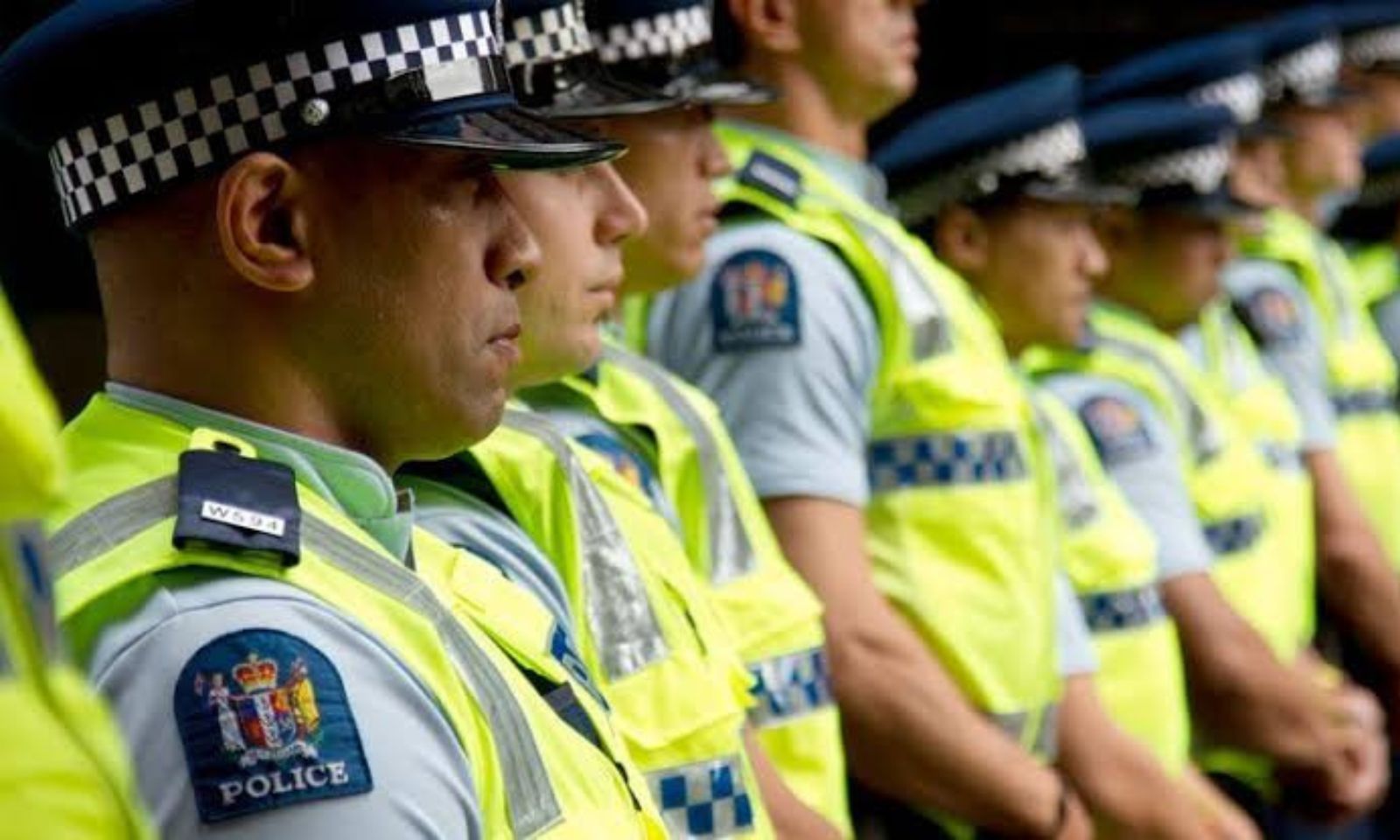
Pacific representation in the police has increased to 8.7 per cent. Photo/File
“New Zealand offers a different environment of policing. We don't carry firearms, we are still community-focused and prevention-led … and the benefit of what we do is seen daily and it does make an impact.”
This loyalty comes at a critical time. While national crime stats show shifts, reporting from Pacific victims has jumped by 42 per cent.
Rather than seeing this as a negative, Siaki believes it shows that the push for 8.7 per cent Pacific representation in the force is finally building trust.
Watch Inspector Sila Fagasea Siaki's full interview below.
“I believe that if we open that door, harm isn’t in the household, being locked away or being kept behind closed doors,” he said. “We are listening, we’re taking it seriously and we are taking action.”
As the government pushes a “tough on crime” agenda, the Pacific arm of the police is signalling a different path for lower-level issues like licensing and drink driving.
Siaki was blunt about his personal view on incarceration for these common community struggles.
“Is prison the right place? I’m gonna say no. That's my own personal belief,” he said.
Instead, he pointed to new mandates for "alternative action" that aim to fix the root of the problem rather than just locking people away.
Other Pacific advocates agree. Sylvia Yandall, Services Manager at Poutu Pasifika in Tāmaki Makaurau, says the shift reflects a breakdown of long-standing silence around family harm.
“With Pasifika people, we tended to sweep it under the carpet and not say anything,” she said in an earlier interview.
“A stigma of silence has long prevented families from seeking help, which can have ripple effects across the whole family.”
With pay negotiations now officially underway through the Police Association’s Repay the Risk campaign, the pressure is on the government to recognise this loyalty.
Pacific officers are proving they have the heart to stay. The question now is whether the new pay deal will give them a reason to.