
Tofiga Fepulea’i brings the laughs while taking top honours at Arts Pasifika Awards
Aui'a Vaimaila Leatinu'uFri, 23 Oct
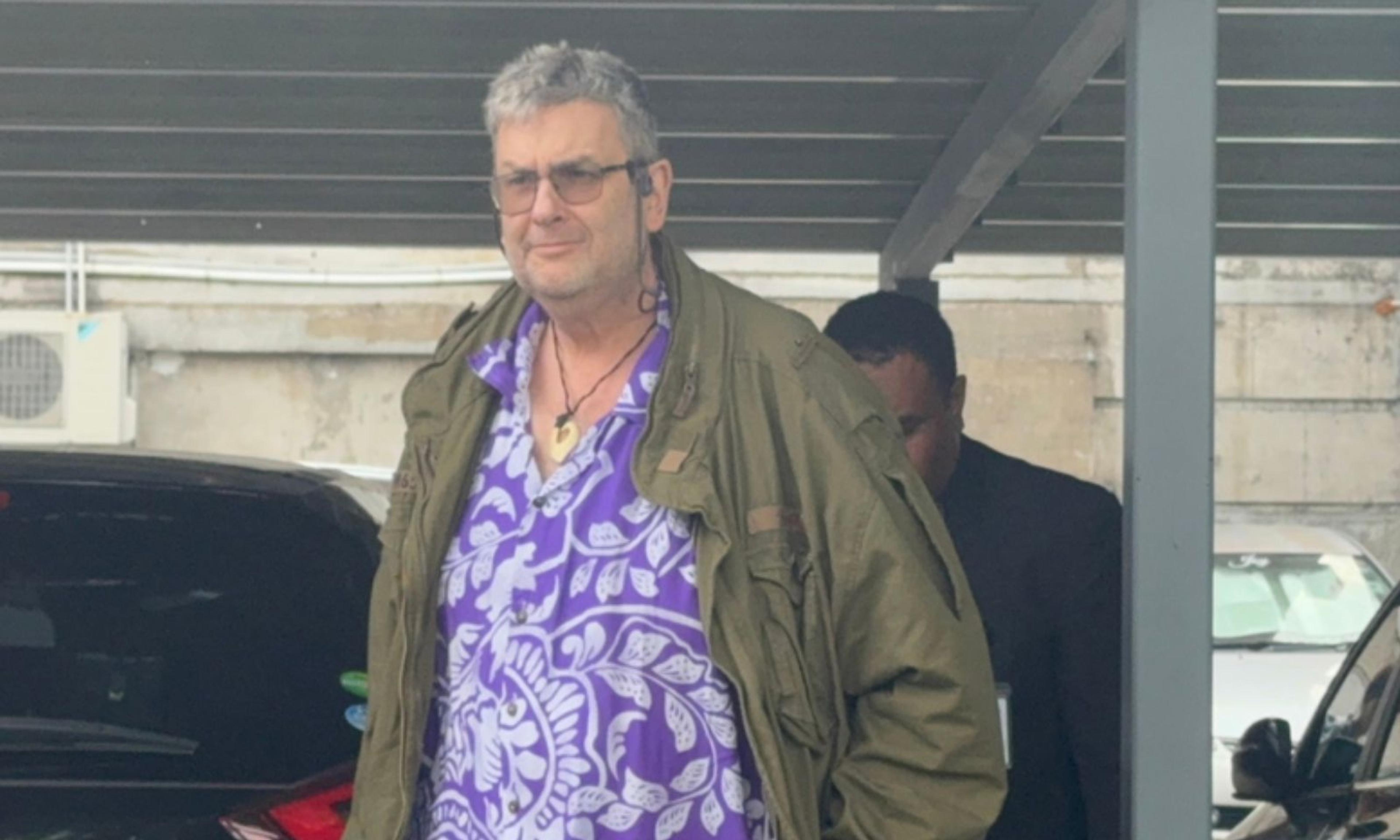
Charlie Charters leaves the Suva Magistrates’ Court after being granted bail on charges of aiding and abetting the alleged unlawful release of official information.
Photo/Supplied
Charlie Charters has been charged with aiding the release of confidential information from Fiji’s anti-corruption agency. His lawyer says investigators tried to force him to reveal his source.

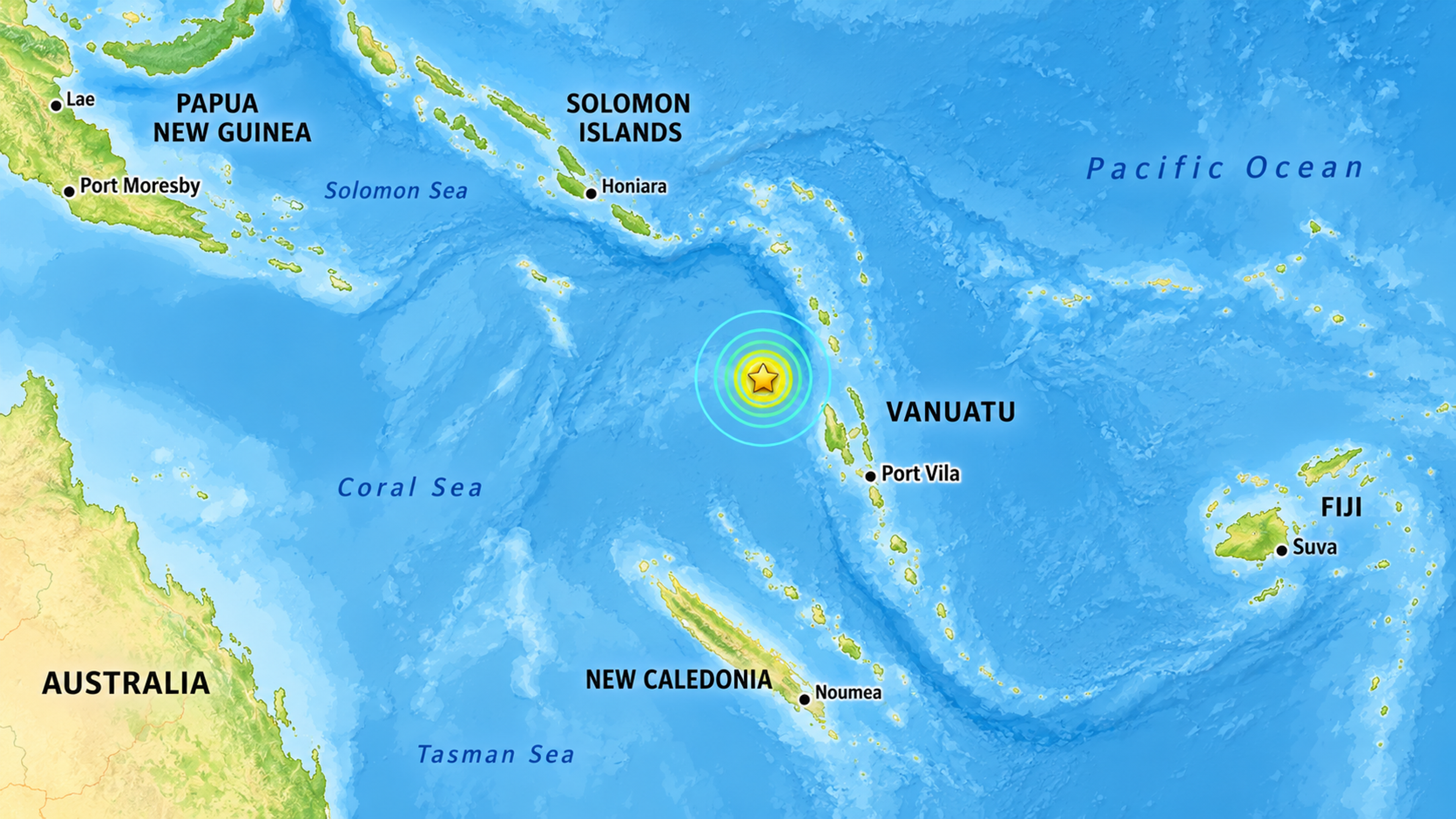

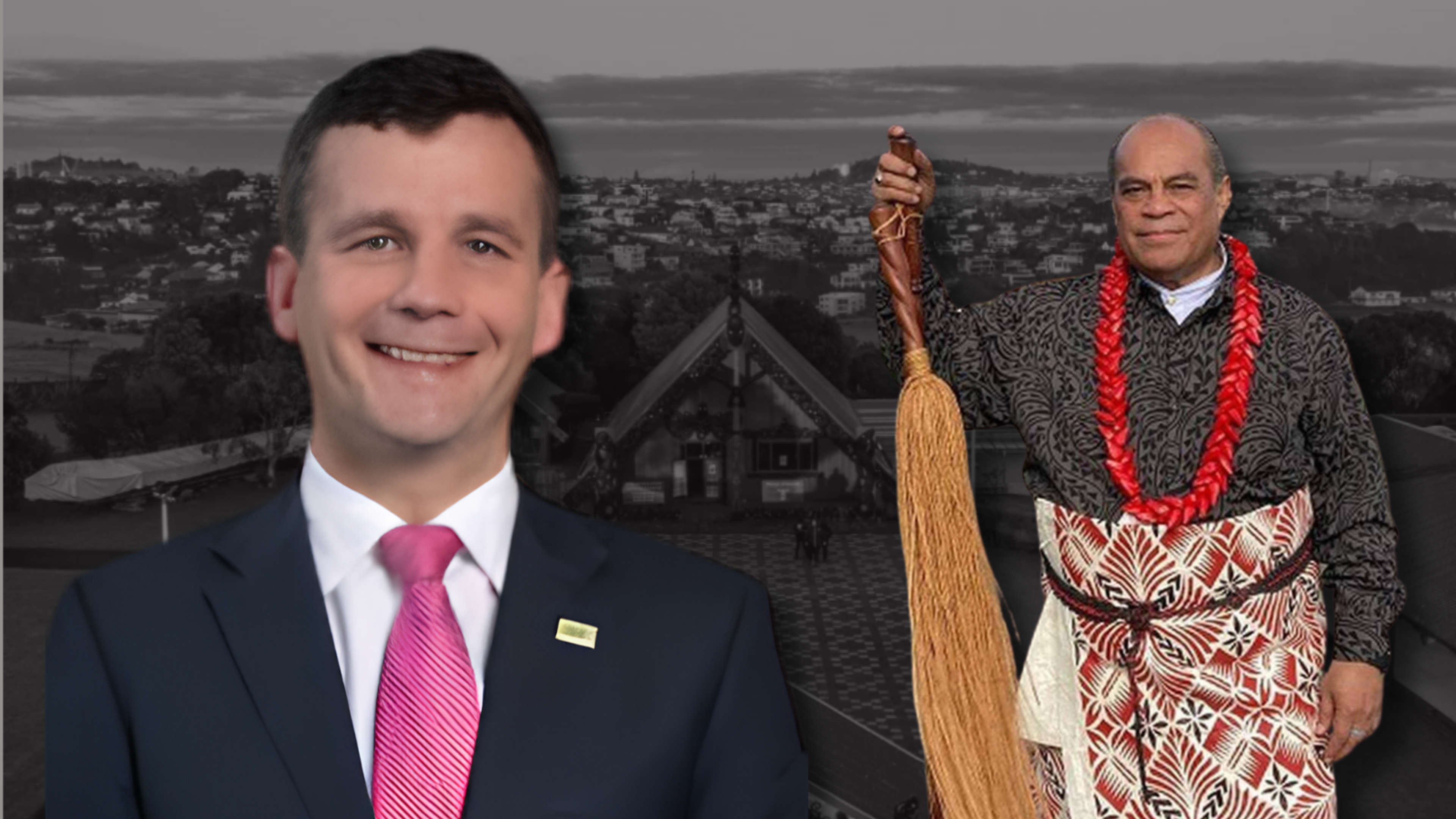
The arrest of British-Fijian publisher Charlie Charters has pushed Fiji’s anti-corruption watchdog into fresh controversy.
Charters' arrest by police last weekend has raised sharp questions about whistleblowers, due process, and political pressure in the Pacific island nation.
The 57-year-old appeared in the Suva Magistrates’ Court on Monday charged with two counts of aiding and abetting.
The Fiji Independent Commission Against Corruption (FICAC) alleges he helped an officer of the commission unlawfully release official information, which was then posted on his Facebook account, “Charlie Charters”.
In a statement, FICAC says the first charge relates to posts made between 2 November and 14 December 2025. The second relates to a post on 2 February 2026.
Under section 13G of the FICAC Act, it is an offence for an officer or former officer to divulge official information without written authorisation.
Section 45 of the Crimes Act states that a person who aids and abets an offence is taken to have committed that offence and is punishable accordingly.
Charters was stopped at Nadi International Airport on Saturday while travelling to Sydney. He reportedly declined requests from FICAC officers to reveal his sources and spent two nights in custody before being granted bail.
The court imposed strict bail conditions, including surrendering his travel documents and a stop departure order.
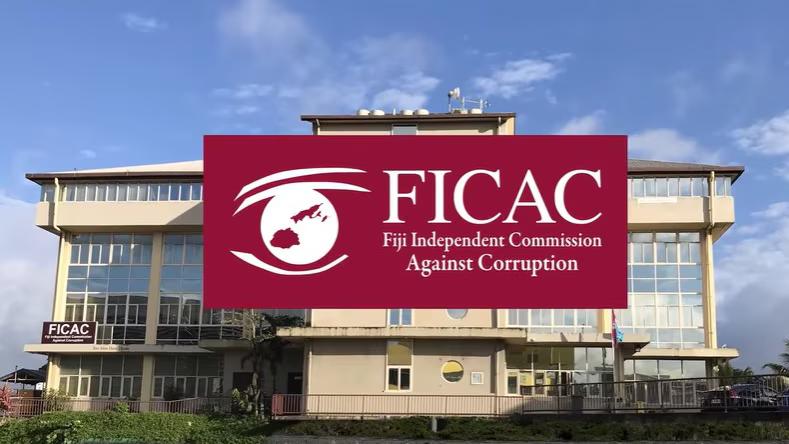
The Fiji Independent Commission Against Corruption (FICAC) headquarters in Suva, which is at the centre of a growing legal and political dispute. Photo/Supplied
A non-cash bail bond of $2,000 was set with a surety. The matter has been adjourned to 2 March.
FICAC said it had not issued a public comment earlier because the matter was under active investigation.
“It would have been inappropriate and contrary to established investigative practice to discuss a live investigation while inquiries were continuing, irrespective of commentary circulating on social media,” the statement read.
“The matter is now properly before the court and will proceed in accordance with due process.”
But Charters’ lawyer, Seforan Fatiaki, has strongly challenged the agency’s actions.
He has publicly alleged that the arrest and detention were aimed at forcing his client to reveal his source instead of pursuing a genuine criminal investigation.

Charlie Charters' lawyer, Seforan Fatiaki, claims his client’s arrest and detention were aimed at forcing him to reveal a source. Photo/Facebook
“It was made clear that Mr Charters’ arrest and detention were carried out for the sole purpose of extracting that information from him,” Fatiaki said.
“If Mr Charters will not volunteer that information, FICAC cannot lawfully use its powers of detention and arrest to pressure him into giving it.”
Fatiaki described the actions as a gross misuse of FICAC’s statutory powers, particularly the prohibition on departure from Fiji.
The case comes at a sensitive time for FICAC. Fiji’s Judicial Services Commission is reportedly of the view that the appointment of the agency’s current head, Lavi Rokoika, was not legal.
She was appointed last May after the sacking of former commissioner Barbara Malimali. The High Court has since ruled that Malimali’s removal was “unlawful”.
Fijian Prime Minister Sitiveni Rabuka has sought to distance his government from the unfolding saga. “We will not interfere [with FICAC],” Rabuka told reporters in Suva.
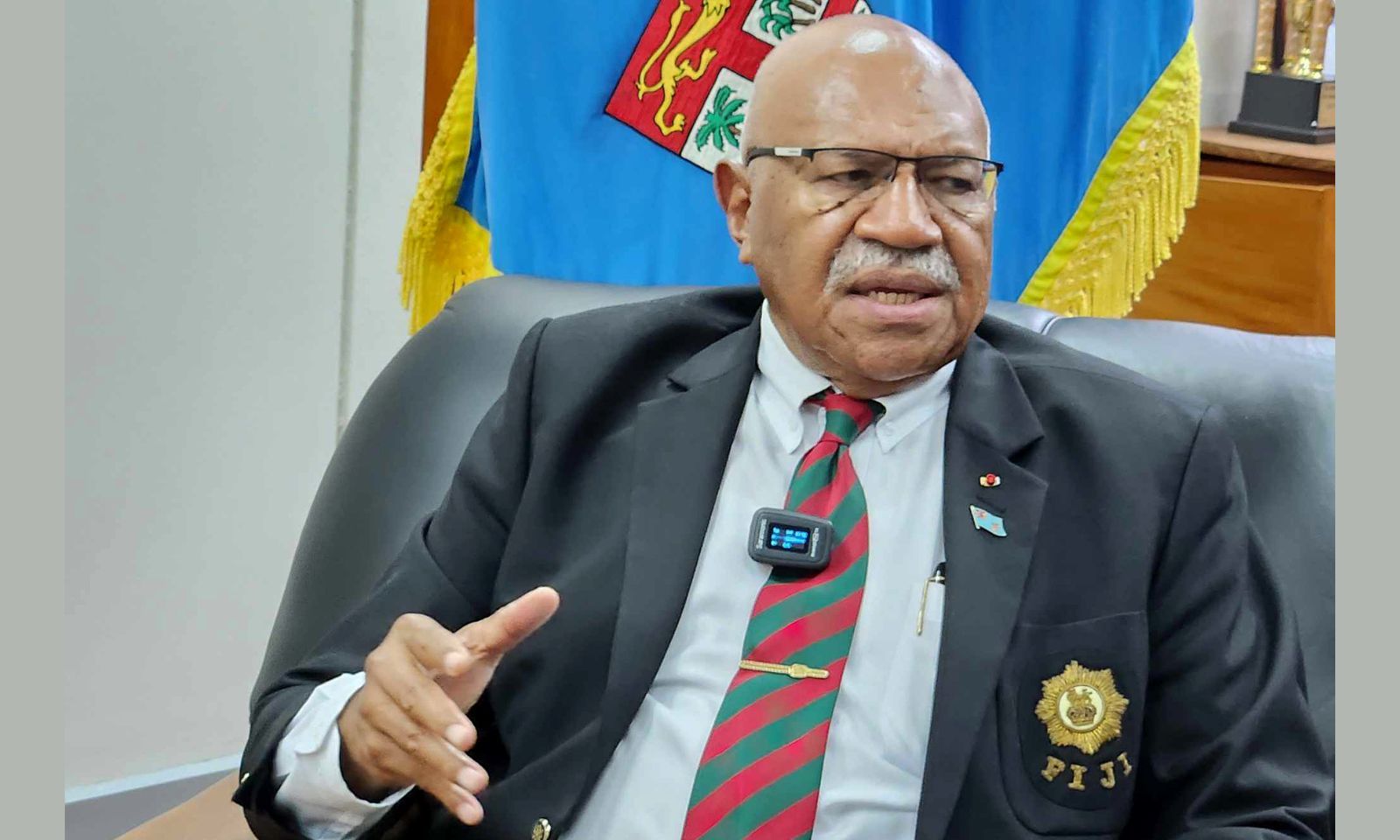
Prime Minister Sitiveni Rabuka says the government “will not interfere” with the work of Fiji’s anti-corruption agency. Photo/Fiji govt
He acknowledged Fiji does not have a whistleblower policy but said it needs one. But Rabuka added that questions remain about “how do we know that the whistleblower is genuine and the facts that they raised are factual”.
As the case heads back to court next week, many in Fiji and across the Pacific will be watching closely.
For some, it is about whether anti-corruption laws are being upheld. For others, it is about whether those who publish leaked information can do so without fear of being forced to reveal their sources.