Green Party targets South Auckland youth as poll support climbs
Thomas Tarurongo WynneWed, 07 Oct
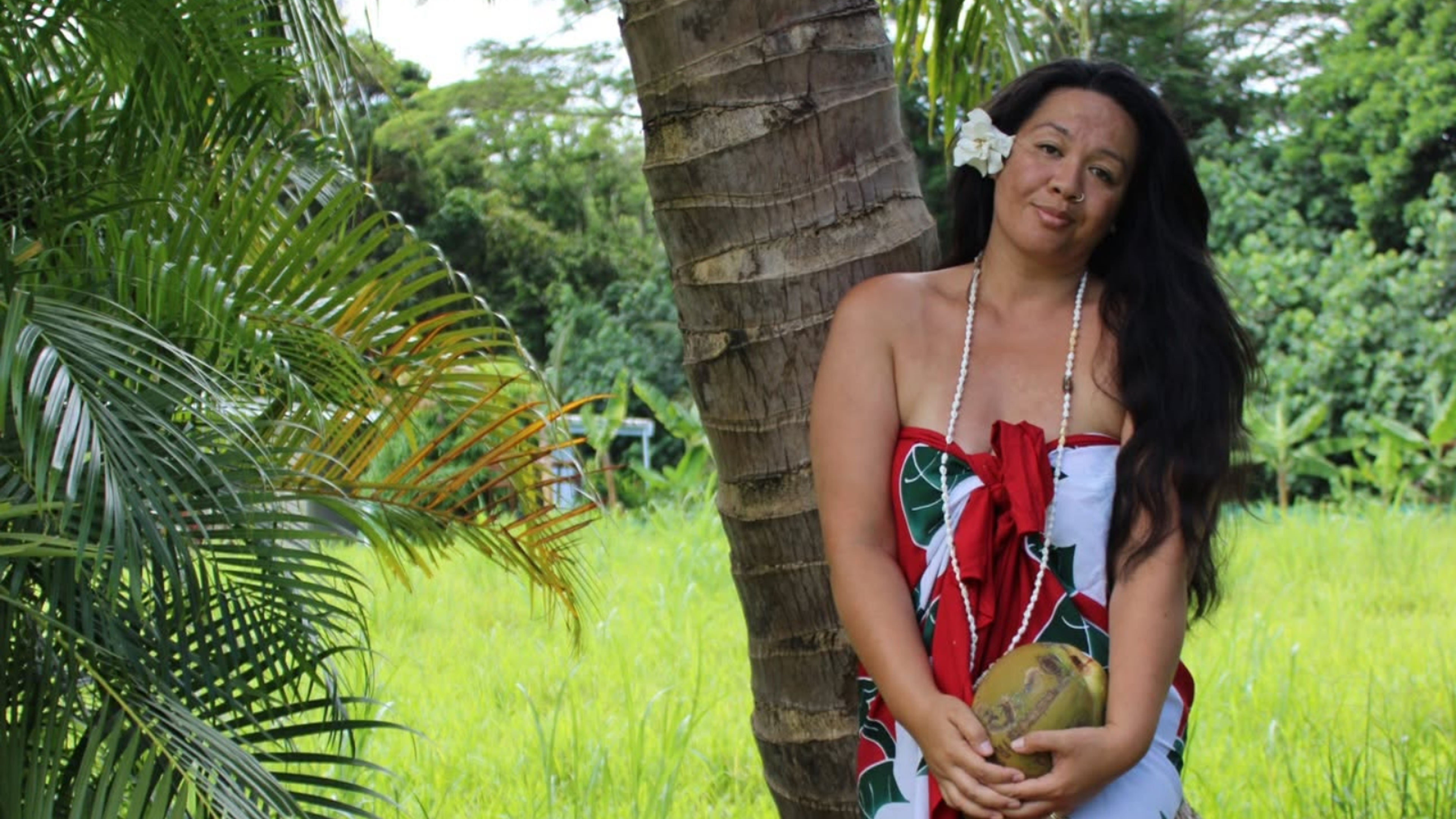
Kayla Moeareauri (Moe).
Photo/Facebook
Once labelled a ‘plastic Cook Islander’ for not speaking her language, she is using social media to reconnect with her Kūki ‘Āirani identity.

Growing up in Aotearoa New Zealand, Kayla Moe felt caught between two worlds.
Disconnected from her Cook Islands heritage and unable to speak Te Reo Māori Kūki ‘Āirani fluently, she carried a feeling shared by many Pacific diaspora, not fully belonging to either side of her identity.
After her parents separated when she was six, Moe says she was kept away from mother’s side of the family.
It left her stranded from the language and culture she wanted to know more about.
“I always felt like when I was growing up that I was kind of labelled as a 'plastic Cook Islander' because I wasn't fluent in my language,” Moe tells PMN Cook Islands.
“I felt like I was too white to be brown and then too brown to be white. So I was kind of stuck in the middle there.”
It is an identity crisis felt by thousands of Pacific diaspora, and yet, the stakes keep rising as Te Reo Māori Kūki ‘Āirani is officially classified as an endangered language by UNESCO.
For many Kūki ‘Āirani living away from the Cook Islands, Moe’s experience reflects a wider challenge - keeping language alive across generations while families are spread across cities and countries.
There are concerns around fewer young people learning and speaking the reo at home.
But Moe believes the future of the language can also be found in a place young people already spend their time - online.
Alongside her husband, who is from Aitutaki, she creates short language videos on TikTok, Instagram, and Facebook.
Moe’s videos help people learn beyond common phrases while reconnecting with Cook Islands culture.
Her content also takes viewers back to the Cook Islands, showcasing local food, cultural events, and places that hold meaning for the community.
“I get a lot of feedback around things that people want to see through social media,” Moe says. “So whether it's a place or somewhere where someone's eaten or if there's like a cultural show or something like that.
“I do my best to get the footage of those things, where I can, and apply it to my social media, keeping it respectful.
Moe says she does not consider herself an expert and is still building confidence in her reo.
But by learning publicly, she hopes to challenge the shame that stops many diaspora from speaking their own language.
“My thing for those that are learning would be just don't be ashamed if you get anything wrong,” she says. “The fact that you're wanting to learn in the first place overcomes everything else.
“To everybody that also corrects things that I may say wrong on my videos, I really appreciate it because it lets me know how to say things correctly.”
Her motivation is deeply personal.
Moe and her husband are preparing to move permanently back to the Cook Islands, driven by a desire to give their four children the connection she struggled to find growing up.
“It's the last thing we want is our language to die out,” she says. “For those that are learning the new language, keep it up. You're doing an amazing job.”
For Moe, every video is more than a lesson in words. It is a small step towards rebuilding the connection that was lost and keeping her reo alive for the next generation.