
Kiwis suffer last-gasp heartbreak as the Kangaroos snatch World Cup opener
Christine RovoiFri, 16 Oct
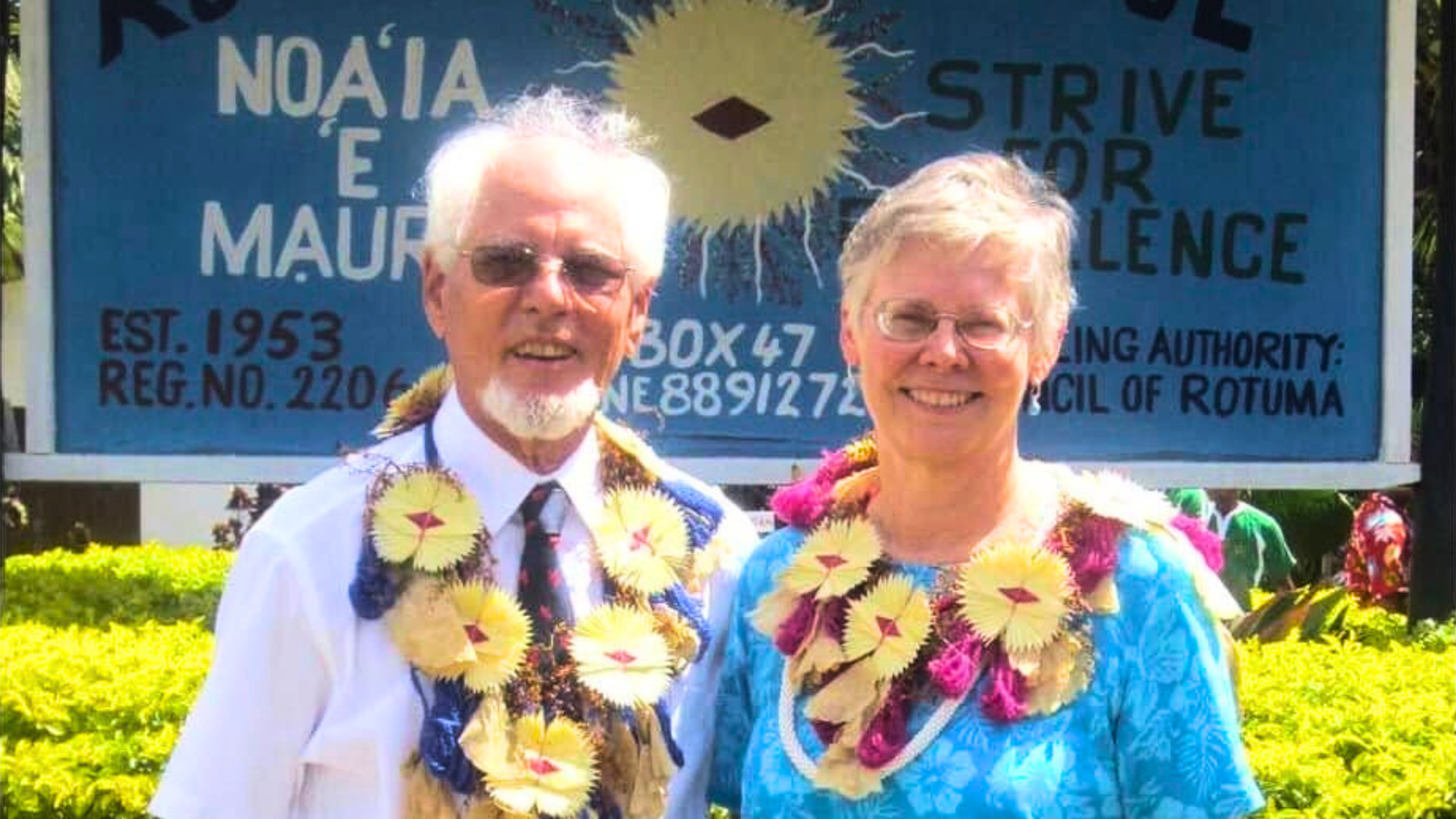
For more than six decades, anthropologists Alan Howard and Jan Rensel have documented Rotuma’s society, language, and cultural change.
Photo/Facebook
As Gasav Ne Fäeag Rotuạm Ta is marked in Aotearoa and beyond, long-term research and lived experience show how identity is being carried across generations, from the island to a global diaspora.
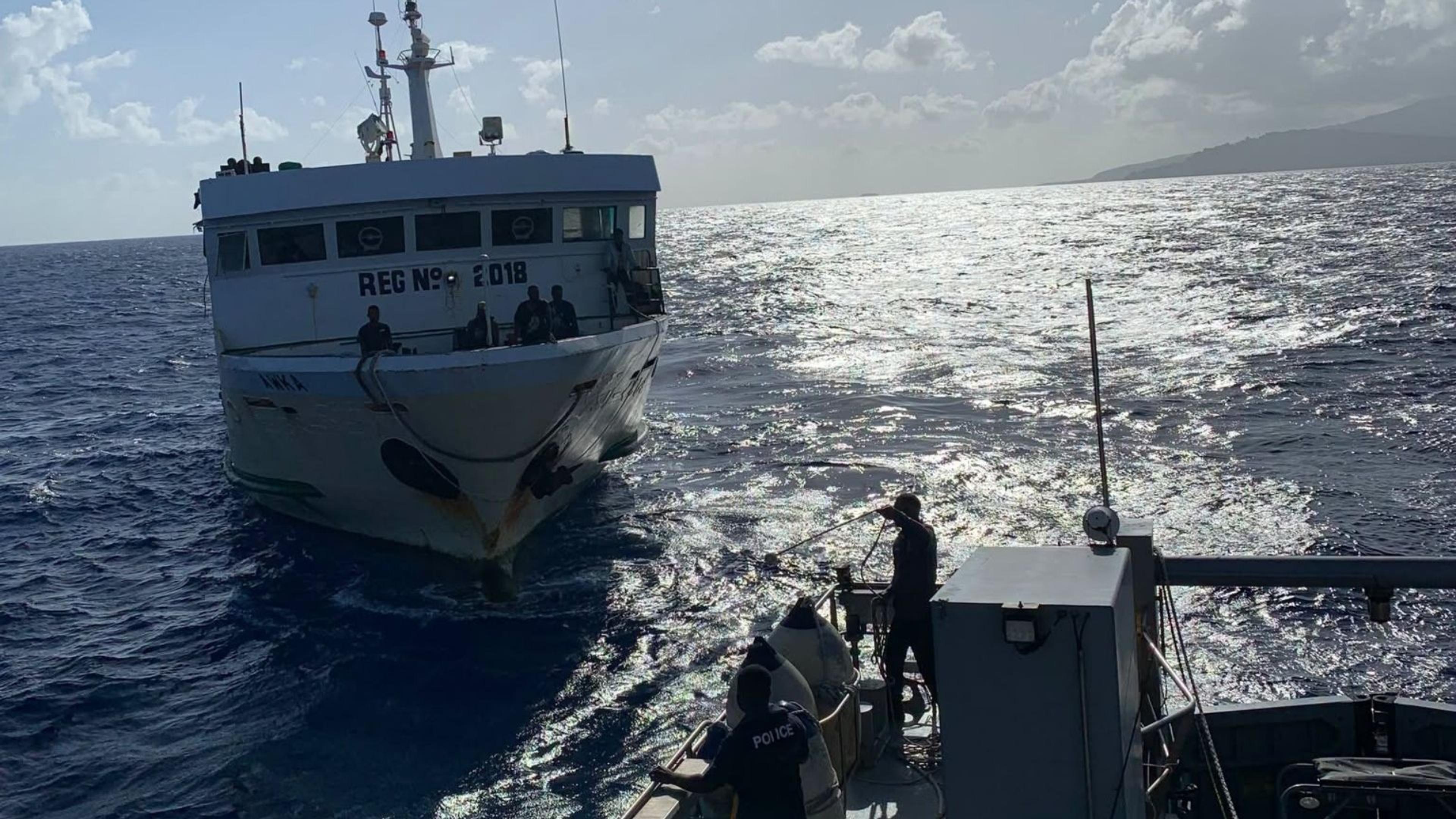
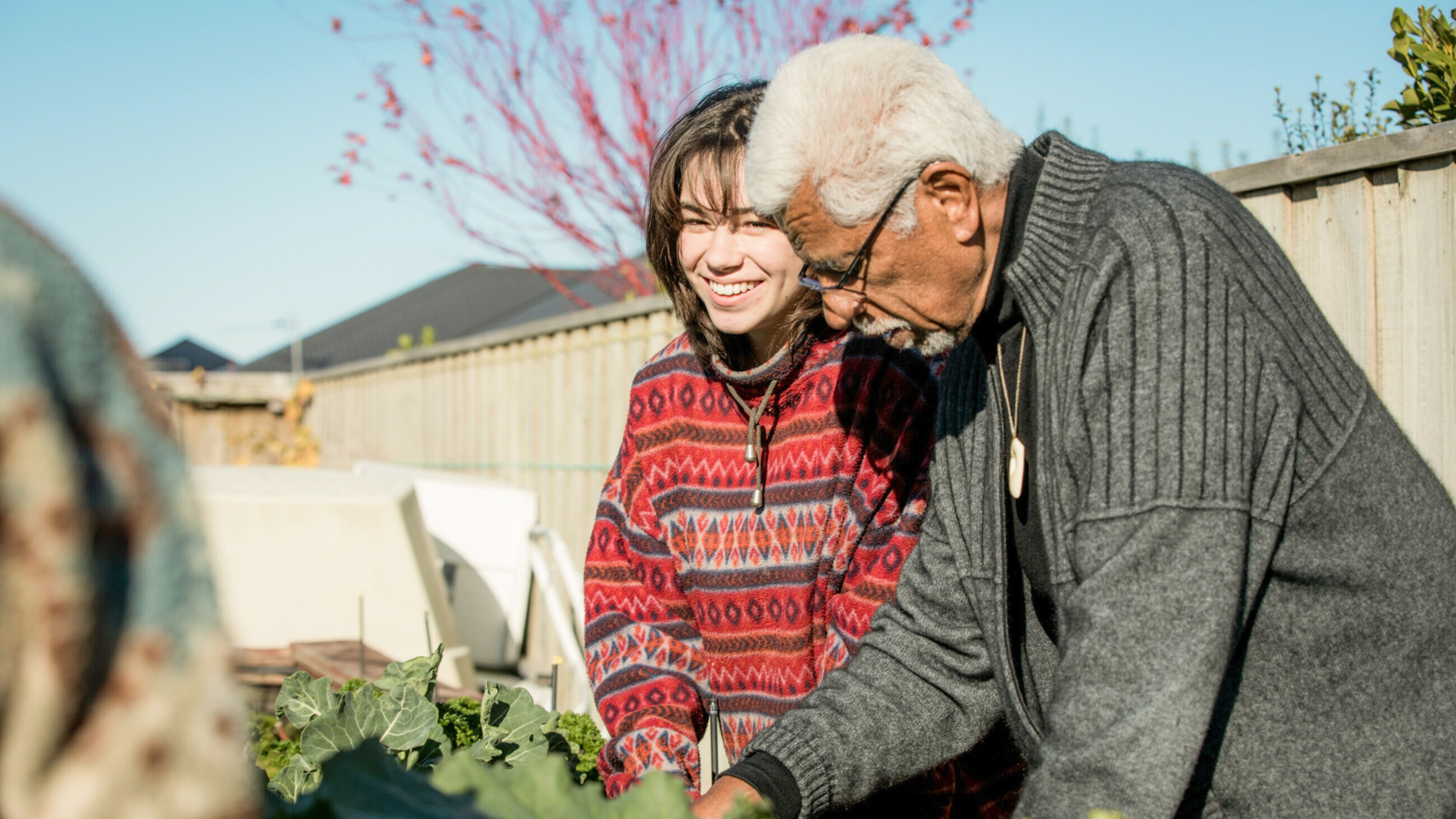
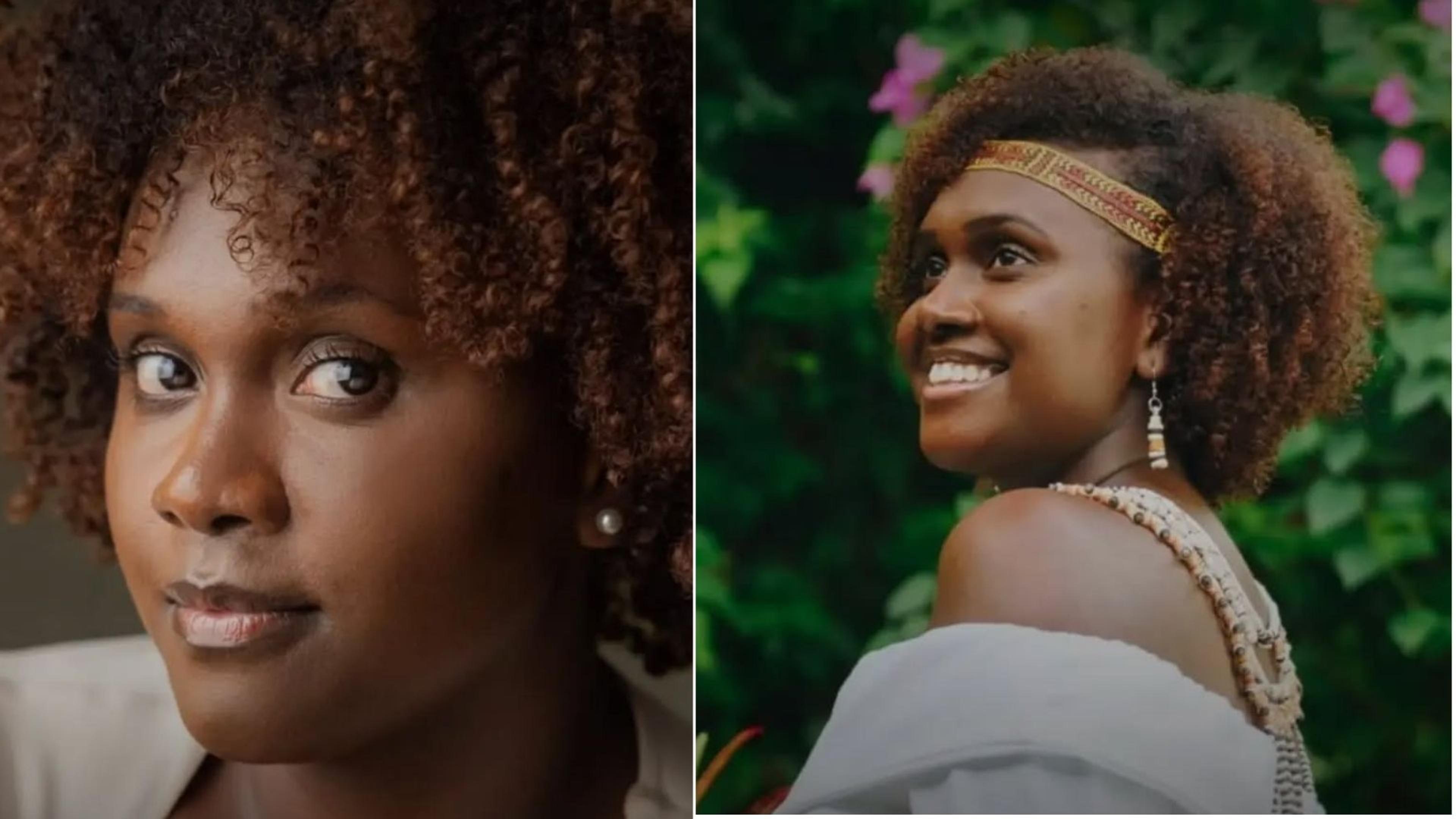
For the people of Rotuma, their identity and home are not fixed to one place or by a boundary on a map. It is carried across oceans through fäeag Rotuam (language), memory, family ties, and the pull of return.
As Gasav Ne Fäeag Rotuạm Ta, Rotuman Language Week, is celebrated in Aotearoa New Zealand and across the diaspora, questions around how culture survives across distance are once again in focus.
While Rotuma remains a self-governing dependency north of Fiji, its people are now spread across Fiji, Aotearoa, Australia, and the United States, reshaping how identity is lived and maintained.
For more than six decades, anthropologists Alan Howard and Jan Rensel have documented Rotuma’s society, language, and cultural change.
Their work has become a key record of how a small island community has transformed over time and across borders.
Howard first arrived in Rotuma in 1959 when he was encouraged by Fiji’s colonial administration to study the island.
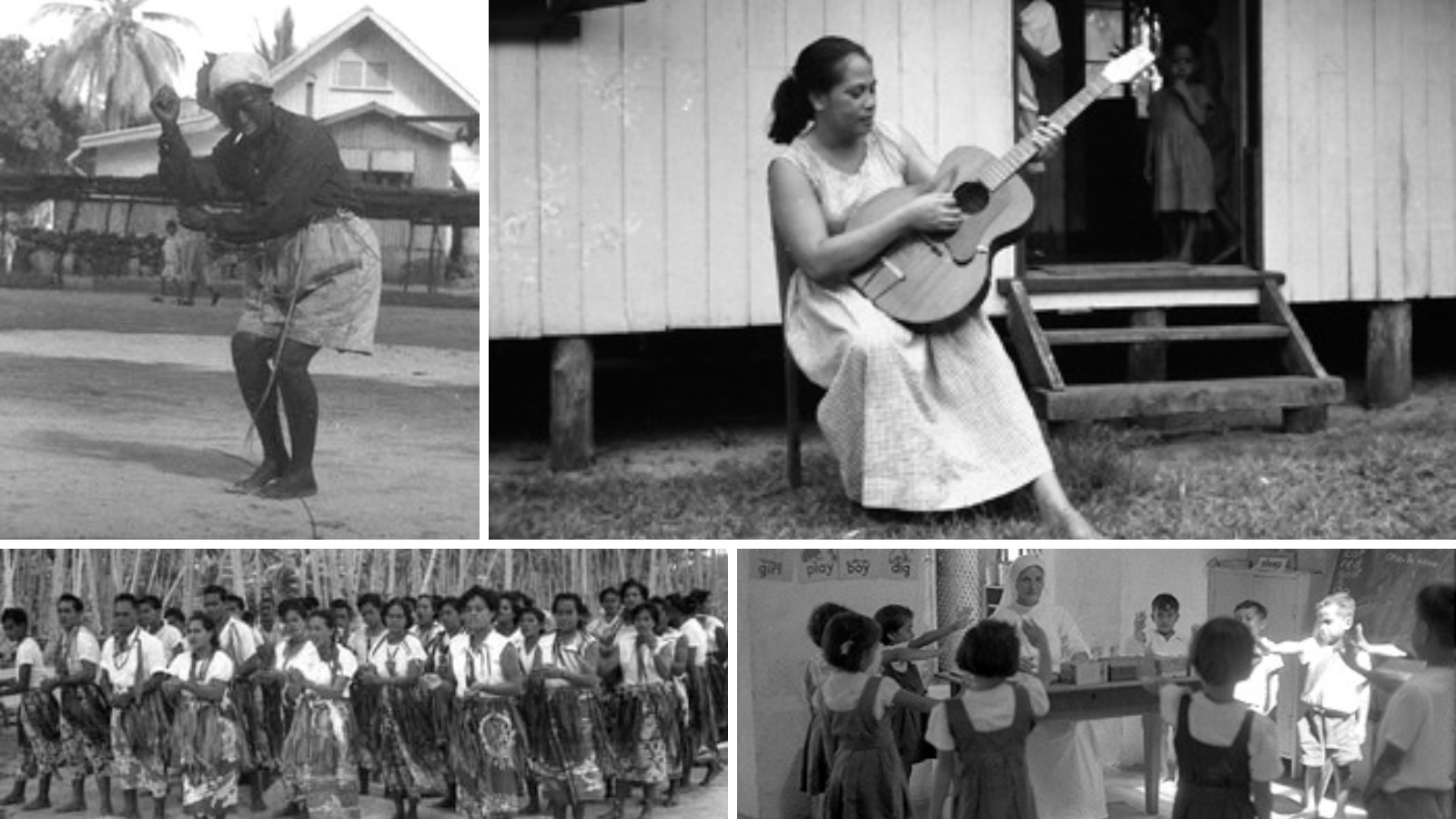
Howard's earliest photos from Rotuma. Clockwise from top left: Ioana the han manea'k su (clown) (1960); A lady in Motusa playing the guitar (1960); Sr Elizabeth in class at Upu Primary (1959); and Tautoga (1960). Photo/Alan Howard/Composite image PMN
At the time, it was one of the least documented parts of the Pacific region, reached only after a five-day sea journey and with no airport or wharf.
Rotuma then had a population of just over 3000 people, living mostly in small coastal villages, with daily life shaped by fishing, farming, and customary systems around land and community.
In a talanoa with Carolanne Toetu'u on Pacific Days, Howard recalled arriving to what he described as a “green jewel” in the ocean but said it was the people who stayed with him.
Watch Alan and Jan reflect on their Rotuman connection below.
“I went to Rotuma as an American,” Howard said. “I came out a year later as a Rotuman.”
Rensel joined the research work in 1987, and together, they documented major change, including migration, shifts in education and governance, and the widening gap between island life and a growing global diaspora.
Today, an estimated 10,000 Rotumans live in Fiji, with many more in Australia, New Zealand, and the United States. The resident population on the island itself is now 2000.
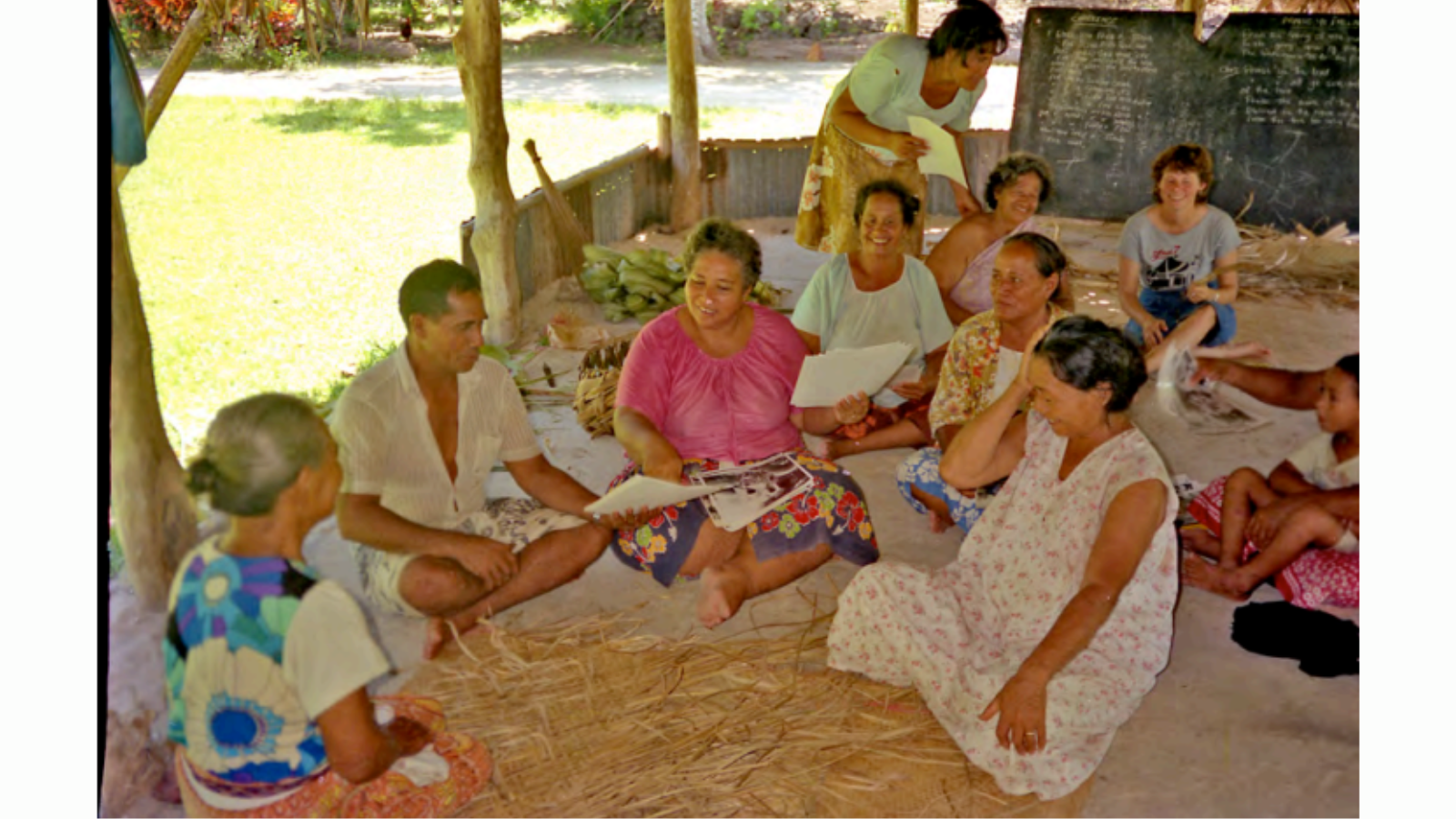
Alan Howard took this photograph in 1987 of people in Itu'muta District looking at photos from 1960. Photo/Alan Howard
That shift has changed how identity is passed on.
For broadcaster Ngaire Fuata, returning to Rotuma after growing up in Aotearoa was deeply personal.
“It was meeting family I had not met before and being very much out of my comfort zone,” she told Toetu’u.
Fuata, who was joined by daughter Ruby, described “touching the soil” as a turning point. “It changed my life. It gave me confidence. It gave me identity.”
Ruby says that connection has been kept alive through everyday life more than formal teaching.
“I think just keeping that connection alive is the main thing that I’ve learned from Mum,” she said.
Watch the Fuata's talanoa below.
Alongside these lived experiences, Howard and Rensel helped build and maintain rotuma.net, launched in the mid-1990s.
Created before social media, the site became a digital hub for Rotuman around the world to share news, family history, language resources, and cultural knowledge.
What began as email exchanges grew into a large online archive, holding oral histories, photographs, songs, recipes, humour, and historical records.
Howard says it was built to keep people connected across distance. “Keeping in touch with the news was central to maintaining a sense of Rotumanness,” he said.
That work now carries an urgency as community leaders warn that the language could disappear within generations if younger Rotumans do not continue using it at home and in daily life.
The United Nations Educational, Scientific and Cultural Organisation (UNESCO) classifies Rotuman as “definitely endangered”, with only a few thousand fluent speakers remaining worldwide.
Watch the Rotuman custom of Mamasa explained below.
Rensel has described language as “the glue” that holds Rotuman communities together while Howard says culture cannot be separated from language.
“Rotuman culture, the values of Rotuman culture, are embedded in the language,” he said.
Beyond language, dance, music, and food traditions continue to play a key role in keeping identity alive across the diaspora.
The contribution of Howard and Rensel has also been recognised within the community. In a tribute delivered on behalf of Rotuman chiefs and elders, former Fiji President and Rotuman chief Jioji Konrote praised the pair’s long-term work in documenting and preserving Rotuman history through decades of change.
For Howard, the experience eventually became more than research. “We’re not just researchers,” he said. “People treated us like family.”
That experience also changed how he saw life. “Americans value individual accomplishments, achievements, making money,” he said. “That’s not what life is about. What I learned in Rotuma is that life is about relationships.”
Watch Rotuma Day Tautoga celebrations below.
For many Rotumans today, identity exists in both places at once - on the island and across the world - carried not by geography alone, but by connection, language, and family ties.
Gasav Ne Fäeag Rotuạm Ta, Rotuman Language Week, ends on Saturday 16 May.