High blood pressure a silent killer, Solomon Islands calls for stronger action
Lachlan EddieFri, 23 Oct
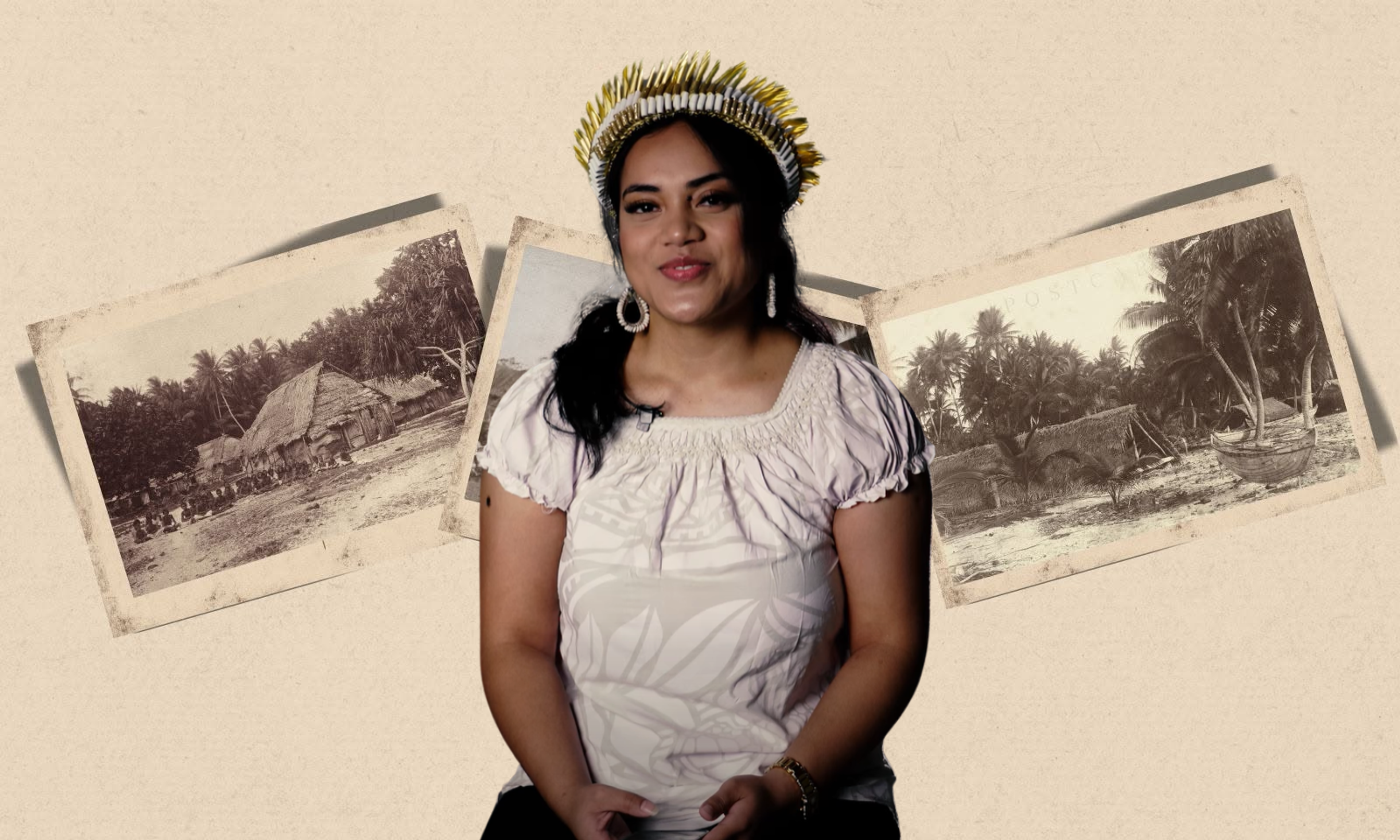
Tikuntaake Eria Redfern.
Photo/PMN Composite
Growing up far from Kiribati left Tikuntaake Redfern feeling isolated but reconnecting with Taetae ni Kiribati gave her a stronger sense of identity, family and belonging.


For Tikuntaake Eria Redfern, the Kiribati Language is a connection to her ancestors, her family and the culture that shaped who she is.
As Kiribati Language Week is celebrated across Aotearoa New Zealand, the 21-year-old is sharing her journey of finding pride in her identity after years of feeling disconnected from the country her family comes from.
Born and raised in Aotearoa, Redfern grew up carrying a connection to Kiribati while navigating life in a place where few people understood her heritage.
"It was tough," Redfern tells PMN Kiribati. "I remember in primary and intermediate, me and my brothers were the only Kiribati in our whole school. It wasn't until high school where I got to meet one other Kiribati person."
“Eighty per cent of the time when I tell someone where I'm from, they always say, ‘Where's that?’”
Kiribati is more than 4000 kilometres north-east of Aotearoa.
According to the 2023 Census, just over 4600 i-Kiribati live in Aotearoa, with 41.8 per cent residing in the Auckland region.
Redfern says that since most people blankly stare when she names her homeland, letting mainstream culture swallow her identity would have been easy.
Instead, she found strength in returning to the traditions, language teachings passed down by the elders.
Watch Tikuntaake Redfern's full interview below.
"The Kiribati language, it's more than words,” Redfern says. “In Kiribati, it brings a lot more depth and emotions to how I want to express my thoughts and words. With English, it doesn't bring out the same meaning.
“In speaking Kiribati, I feel more connected to my ancestors or my family. I get to learn the traditions and the wisdom that were taught to us through our elders.”
Redfern says culture is also felt through movement.
"Through the dancing, culture, music, and language, it's really shaped who I am today. It takes a lot of discipline and strength...culture, it's really taught me to be more resilient."
When she performs the Kaimatoa, her movements reflect the strength of the frigate bird on the Kiribati flag. During the Tikaputi, her hip movements mirror the ocean waves.
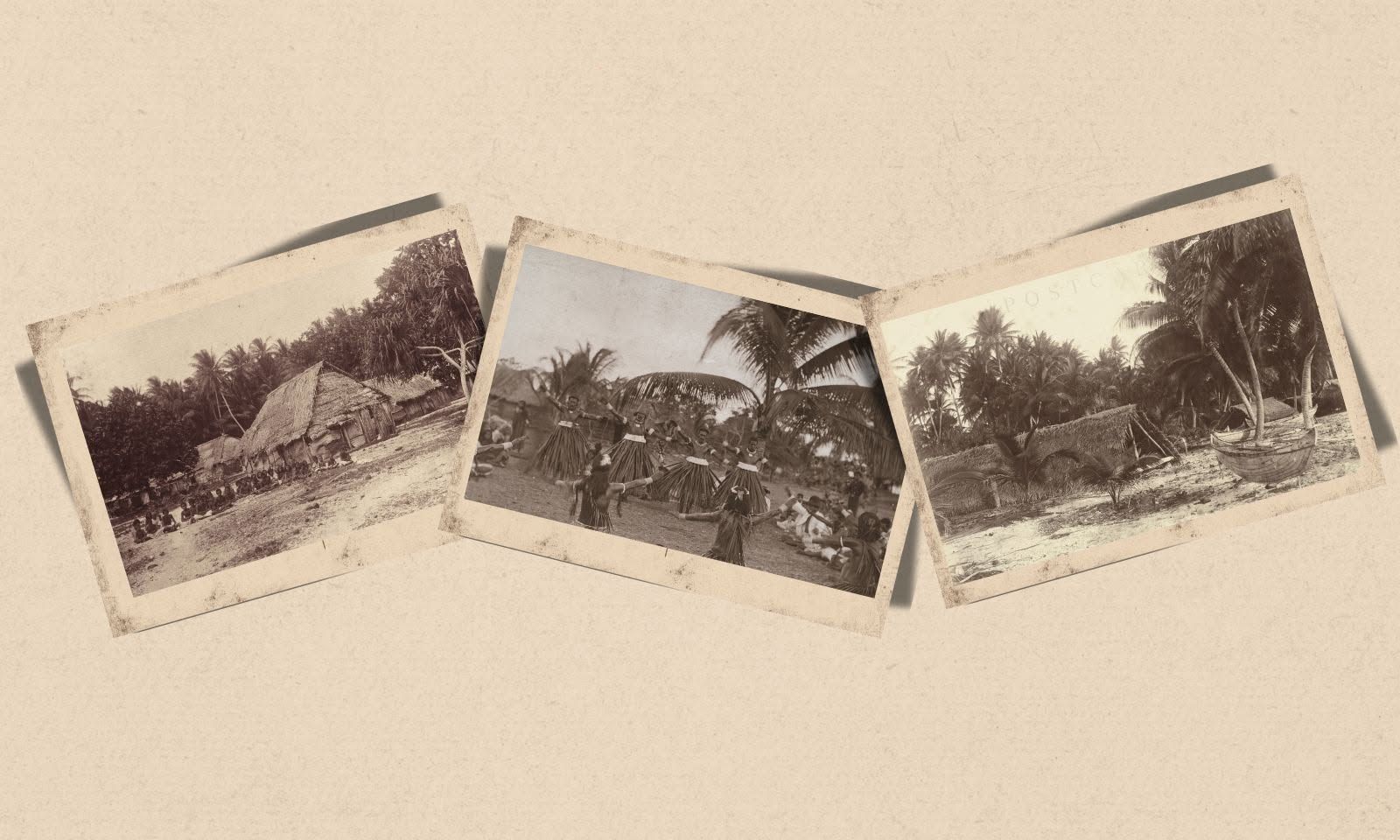
Postcards from Kiribati. Photo/PMN
She says she did not always understand what resilience meant while growing up, but now sees the importance of the values her parents passed down - respect, humility, strength, and service.
"Be proud of who you are. Learn the language and the culture and the teachings. Don't be ashamed of where you come from. It's part of who you are and your cultural identity.
“Our culture is unique and beautiful, not only because of the language, the dancing culture, and the music culture, but because of the values that we carry. Take pride in being I-Kiribati, in being a child of Kiribati.”
Redfern hopes that other young diaspora youth struggling with loneliness or disconnection can find inspiration to reach out, or rather reach inward, and be proud of who they are.
Wikin te Taetae ni - Kiribati Language Week ends in Aotearoa on 11 July.