
Visa-free travel and wage freezes spark fresh split in Pacific candidates debate
Christine RovoiWed, 21 Oct
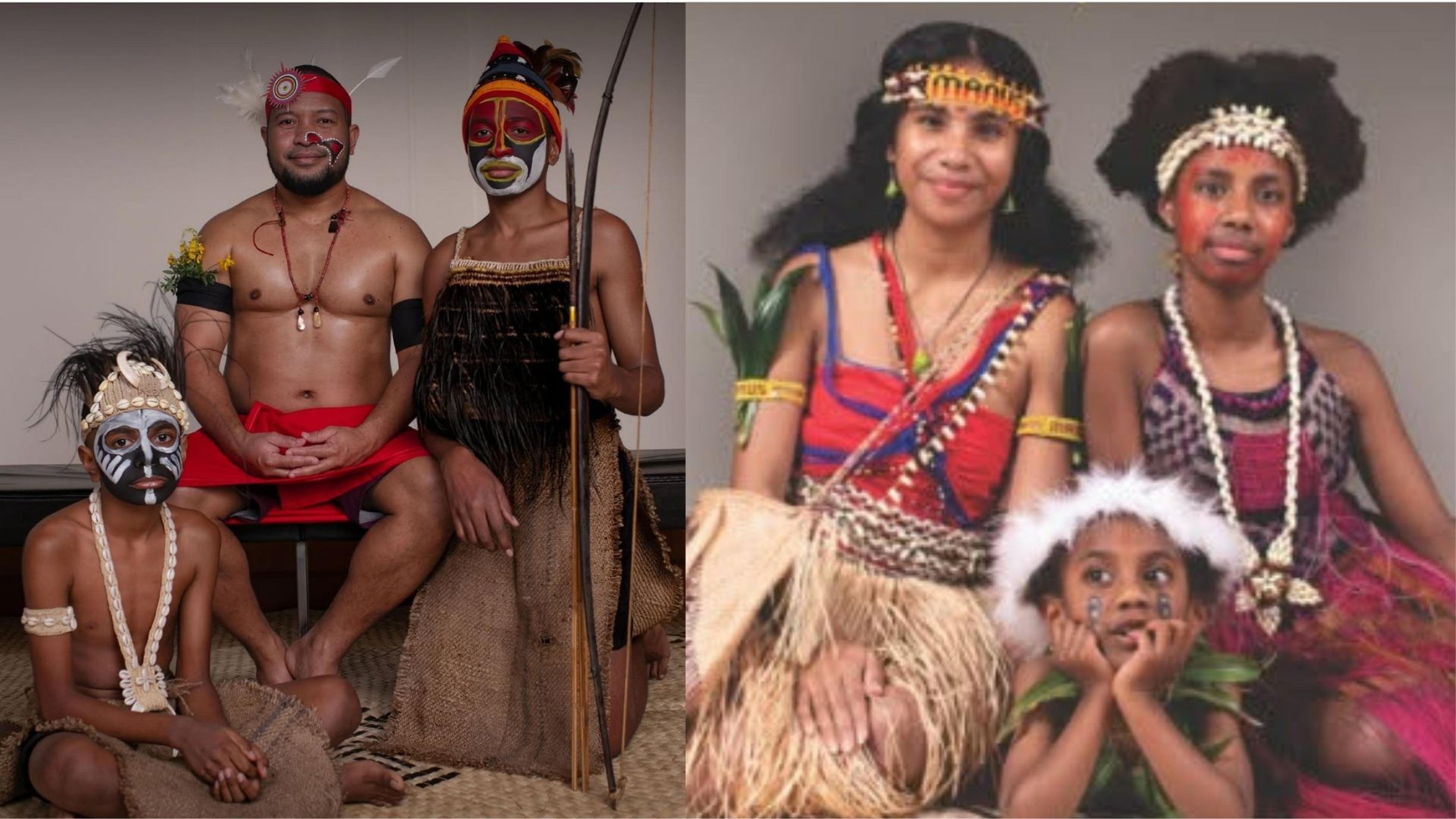
Papua New Guinea Language Week is being celebrated across Aotearoa from 6–12 September, recognising Tok Pisin and the rich languages, cultures and traditions of Papua New Guinea.
Photo/Ministry for Pacific Peoples
For Papua New Guinean community leader Omphalus ‘Ompa’ Harkie Kua, language is more than a way to communicate. It is a connection to home, identity and the people who came before him.

Papua New Guinea Language Week starts on Sunday 6 September but for Omphalus ‘Ompa’ Harkie Kua, keeping his language and culture alive in Aotearoa New Zealand is something that happens every day.
Kua, who is originally from Simbu Province in Papua New Guinea, arrived in Aotearoa as a 16-year-old in 1999.
He says speaking his language with other PNG students helped him through the difficult transition to life in New Zealand.
“I think language, it sounds amazing in another country, especially if it's not your country and then you speak it with some other, you know, country I think it just brings you home and I think that kept me going,” he told PMN's Island Time.
Now raising a family in Aotearoa, Kua says that connection to language and culture remains just as important.
He and his partner have two children, and he says keeping their PNG culture strong at home is a priority.
Watch Omphalus Harkie Kua's full interview below.
“It is not an excuse but it should be enforced in a nice way to, you know, keep speaking the language at home, especially when we have all the other, you're in an ecosystem surrounding in New Zealand where there is a lot, by default, it's a foreign English place.”
For Kua, the importance of language is tied directly to where people come from.
He says the weeklong celebrations have a message that goes beyond speaking Tok Pisin - keeping the knowledge, culture and identity carried by Papua New Guinea’s languages alive.
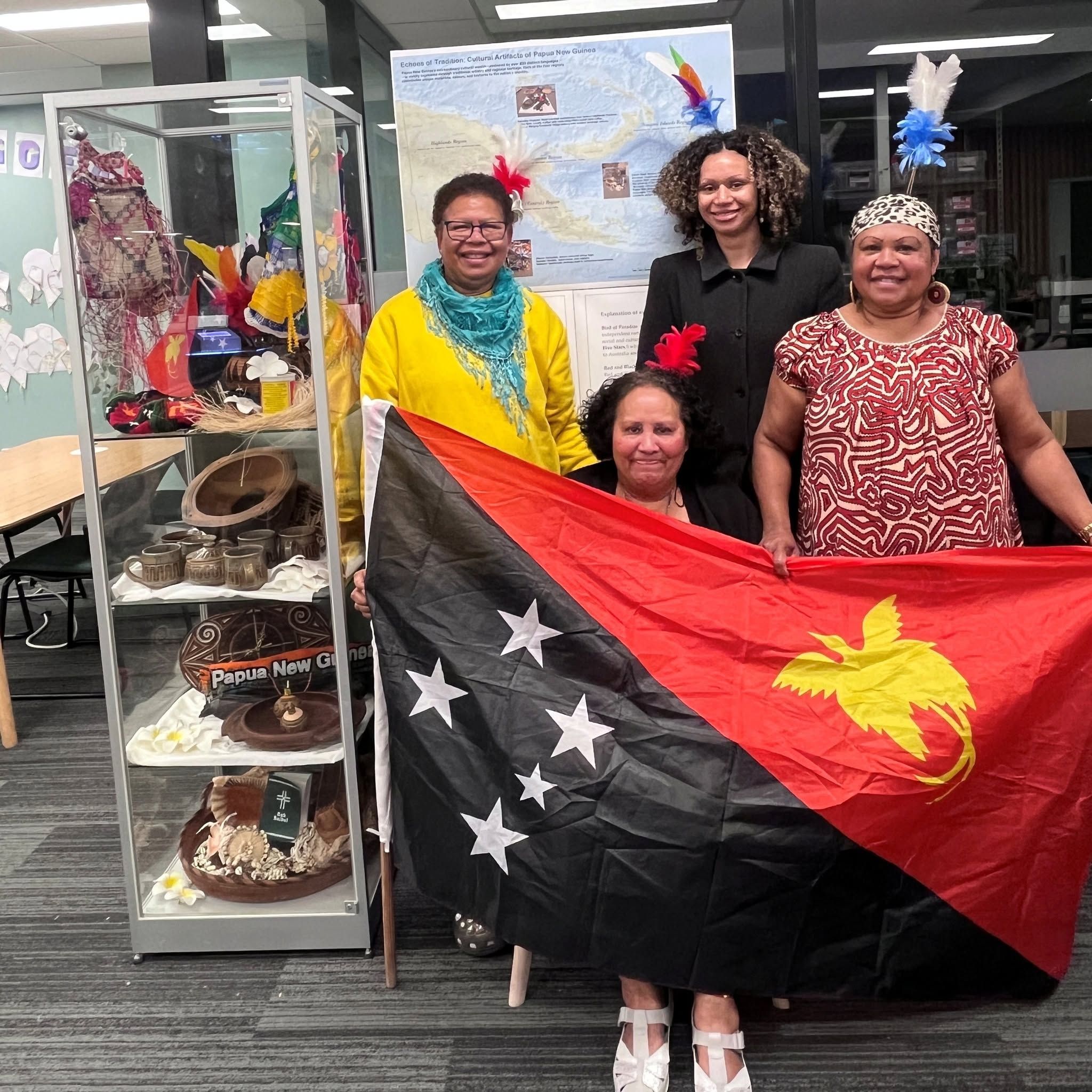
Papua New Guinean communities across Aotearoa come together to celebrate Tok Pisin, language, culture and heritage during Papua New Guinea Language Week. Photo/Facebook/Te Ao Mārama, Tauranga City Libraries
Running from 6 to 12 September, Papua Niugini Tok Pisin Wik is being marked across Aotearoa under this year’s theme, “Lukautim, strongim na kirapim tokples na pasin blo tubuna” - Preserve, revitalise and promote our language and culture.
The week is a chance for Papua New Guineans and their communities to celebrate Tok Pisin, while also recognising the country’s remarkable language diversity.
Papua New Guinea is home to more than 800 languages, each carrying its own histories, traditions and ways of understanding the world.
Kua says that is especially important for children growing up away from PNG.
“I think the goal here, the goal here, what we hope to achieve is that you know we play our part in keeping the fire burning, you know keeping our culture going.”
He says seeing the community come together can help young people feel safe and proud of who they are.
Watch what's in store for the celebrations in Porirua.
“I think that's what the kids will take away, they feel safe in a community that is okay to be, you know, in a culture where they have to learn and understand.”
The celebrations across Aotearoa will include community gatherings, cultural activities, arts and crafts, sport and opportunities to learn more about PNG languages and traditions.
For Kua, it all comes back to keeping the connection alive “...we are here as a community doing it together.”
For Papua New Guinean scholar and cultural practitioner Julia Mage’au Gray, that knowledge is not something that belongs only in the past.
Originally from Oaisaka (Inawi) in Mekeo, Gray is a doctoral candidate and professional teaching fellow in Pacific Studies at the University of Auckland.
Her research looks at Indigenous knowledge, embodied research methods and Pacific ways of knowing.
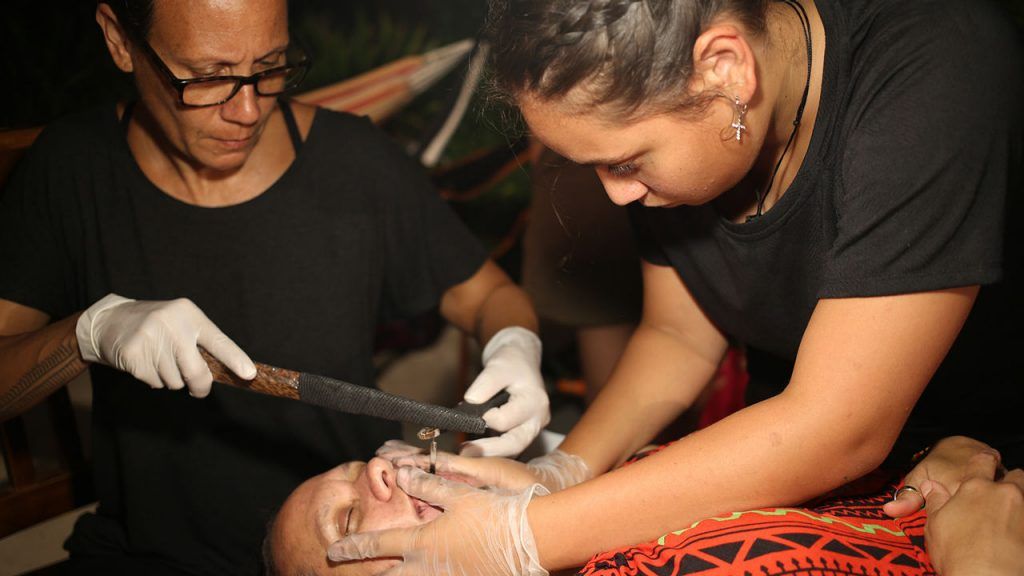
Papua New Guinean scholar and cultural practitioner Julia Mage’au Gray, left, says keeping Indigenous knowledge alive means finding ways for traditional knowledge systems to thrive in modern spaces. Photo/University of Auckland/Kat Sonter
Her work brings together movement, skin marking, photography and documentary filmmaking - reflecting her belief that cultural knowledge is living and can continue to grow in modern settings.
“My method is about using the body as a site of knowledge," Gray said in University of Auckland report. "It's about reconnecting and revitalising what has been disrupted, and finding ways to keep our old peoples' thinking alive.”
Gray says Indigenous knowledge holders have an important role in making sure cultural knowledge continues to be passed on, including within institutions such as universities.
“There is more than one way to lead, learn and be. Leadership in an academic space doesn't look one way.
"My role is to be an example of how we can be true to our knowledge systems while working inside institutions that weren't built for us.”
Her experience speaks to a wider challenge for Pacific communities - how to protect language and culture while helping younger generations carry them forward.
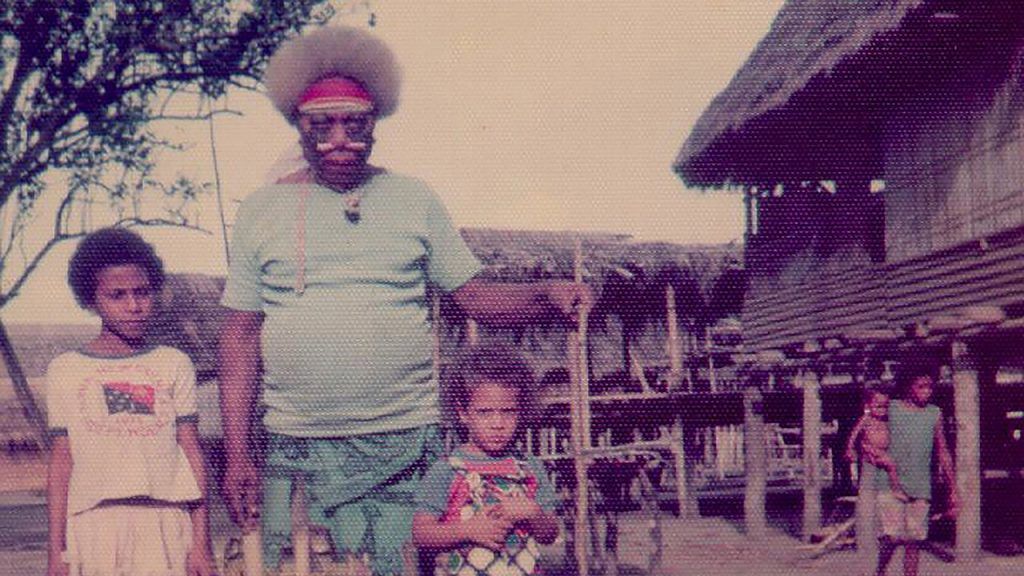
Julia Mageʼau Gray aged four with great-grandfather Bubu Isoaimo and aunty Minia - Oaisaka, Mekeo, Papua New Guinea. Photo Rick Graydaughter Vasa marking Ade Revareva on Ranu James - Beerwah, Old, Australia. Photo/University of Auckland/Kat Sonter
According to the 2023 New Zealand Census, 1290 people of Papua New Guinean heritage live in Aotearoa.
For Papua New Guineans living in Aotearoa, keeping that connection can be challenging particularly for people whose own mother tongue is one of the hundreds of languages spoken across PNG.
Wellington community member Norida Perry, who grew up speaking Suau and English, is learning Tok Pisin as a way to connect with other Papua New Guineans.
“There are not a lot of people here in Wellington who speak my mother tongue, so I can’t really have conversations with many people in my own language," Perry said in a Ministry for Pacific Peoples report.
"I am on my Tok Pisin journey. I’m not really fluent, but it means I’m able to connect and talk with other community members.”
Perry says the week is also an opportunity for a community that can sometimes be less visible in Aotearoa to celebrate its identity.
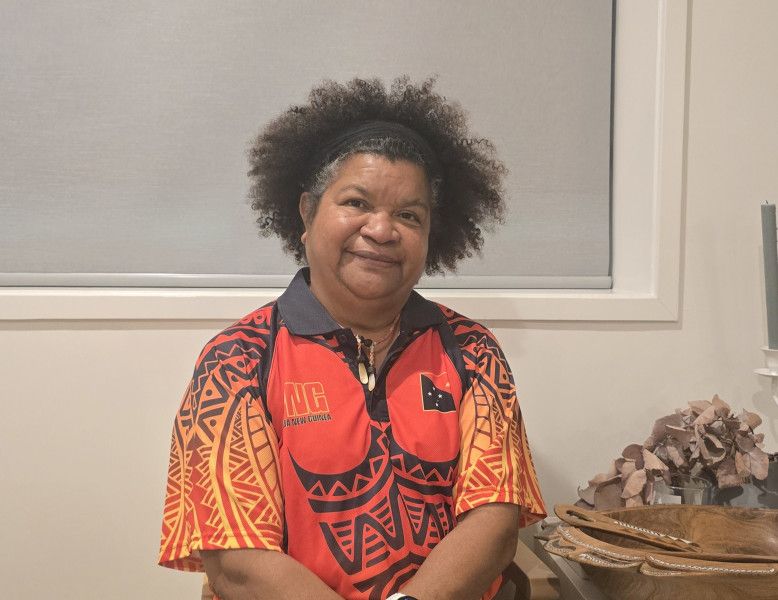
Wellington-based Papua New Guinean community member Norida Perry is on her Tok Pisin learning journey, using the language to connect with other Papua New Guineans in Aotearoa. Photo/Ministry for Pacific Peoples
“Papua New Guinean people have been in New Zealand for a long time, but we’re not really an out there community.
"This week is a way for us to say to people, 'Hey, we’re here, we exist and we’re excited to celebrate our culture’," Perry said.
For this community, Language Week provides a space to celebrate Tok Pisin and the many other languages spoken across PNG, while encouraging younger generations to stay connected to their heritage.
Gray says that work is also deeply personal. “My family, my ancestors and my supervisor have all been beside me on this journey. None of this happens alone.”
The week is a reminder that protecting a language means protecting more than words. It means keeping the stories, knowledge and identity carried through those words alive.
Visit the Ministry for Pacific Peoples for more details.