
Fiji reviews suspected cyber breach at Suva regional organisation
Christine RovoiThu, 15 Oct
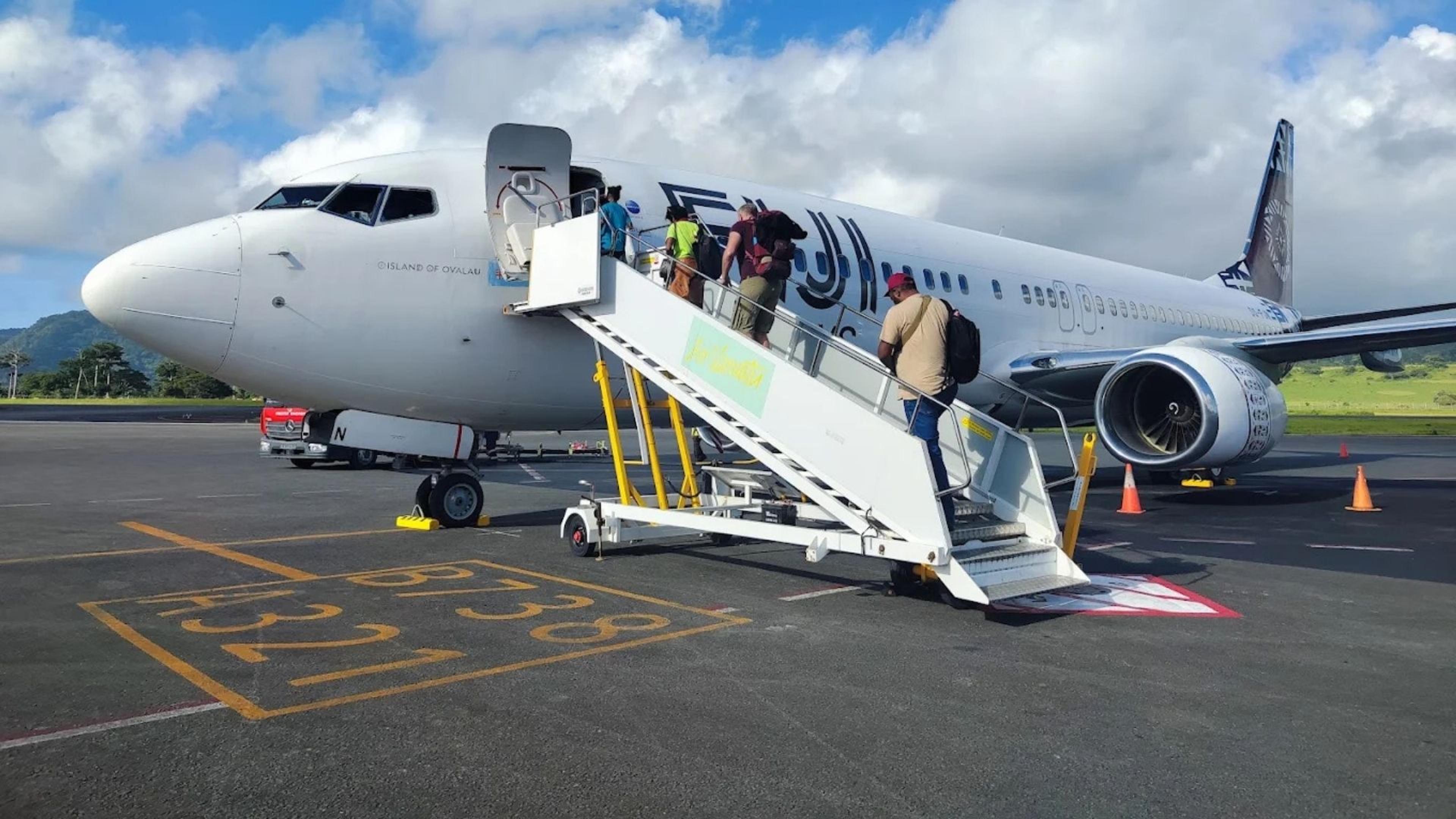
Bauerfield International Airport in Port Vila where Vanuatu health authorities have officially ruled out mandatory HIV screening for arriving passengers.
Photo/Supplied
Authorities in Port Vila warn their hospital system cannot cope with a major outbreak but insist protecting human rights and constitutional privacy rules comes first.


Vanuatu health chiefs have rejected calls for mandatory Human Immunodeficiency Virus (HIV) screening at Port Vila Airport and warned that forcing travellers to take tests at the border violates fundamental human rights.
The decision comes as Pacific nations watch Fiji’s escalating health emergency with growing anxiety.
With Fiji battling one of the fastest-growing HIV epidemics in the world, pressure had been mounting on Vanuatu authorities to introduce compulsory airport testing to screen incoming passengers.
But Dr Robert Vocor, Acting Medical Superintendent at the Vanuatu National Hospital (VNH), has confirmed that border health controls cannot override personal freedoms.
“The other thing is that human rights do not allow us to conduct mandatory testing. We cannot override an individual's constitutional rights by simply testing them. It is a very sensitive and confidential matter that requires obtaining consent before testing,” Vocor told the Daily Post.
Human rights advocates across the region have strongly backed Vanuatu’s stance.

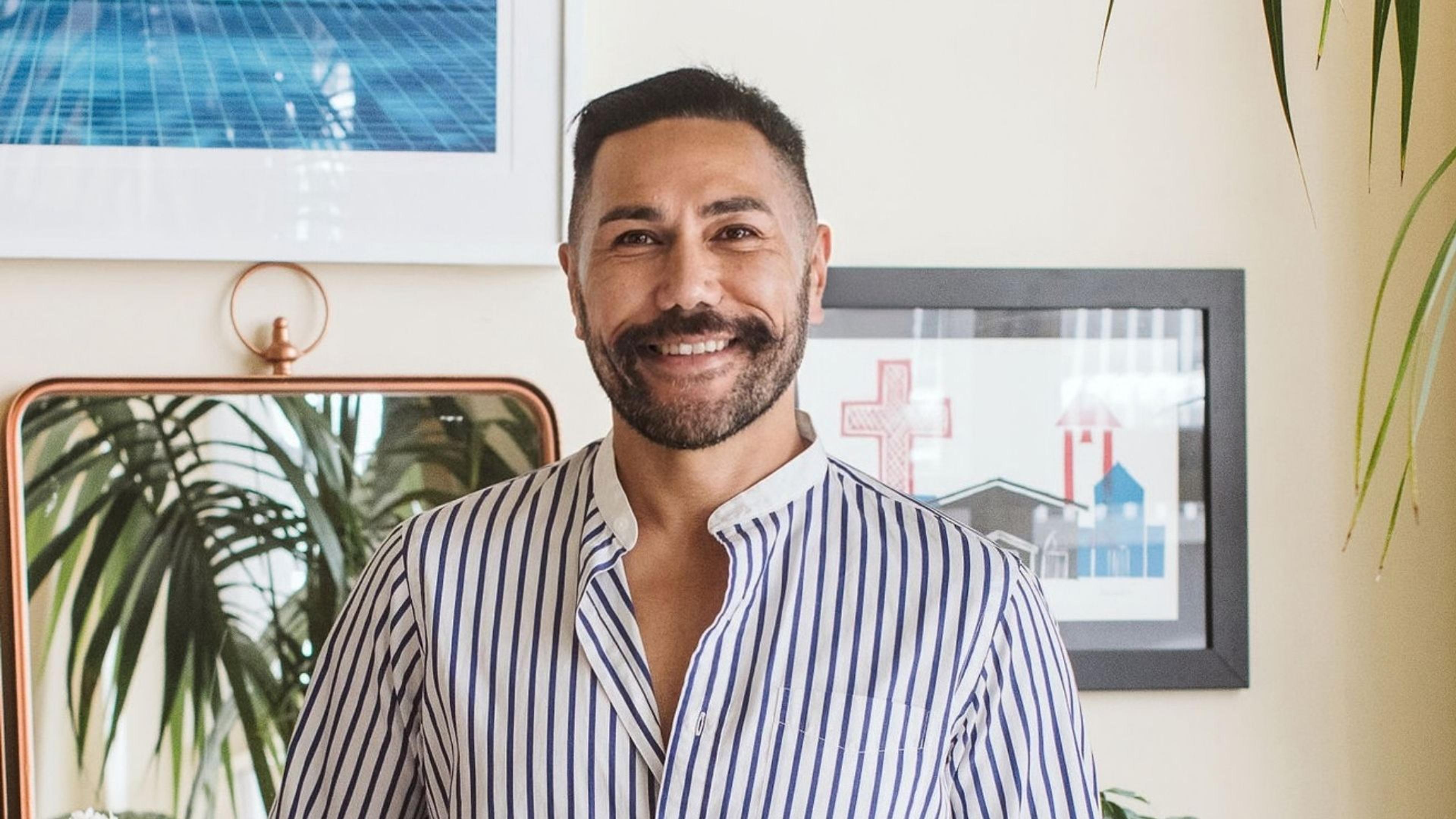
Acting Medical Superintendent Dr Robert Vocor says forcing health tests at the border violates constitutional privacy rights, insisting screening must remain voluntary. Photo/Facebook
Addressing the regional emergency response, Chantelle Khan, Fiji Human Rights Commissioner, warned against adopting coercive measures or forced medical procedures.
“Fiji’s response to the national HIV emergency must be centred on human rights and human dignity,” she said. “HIV emergency measures must not fuel discrimination or forced testing.”
International medical principles dictate that HIV testing must remain strictly voluntary and confidential. Instead of border force-testing, health teams are focusing heavily on public awareness, targeted education, and voluntary screening programmes.
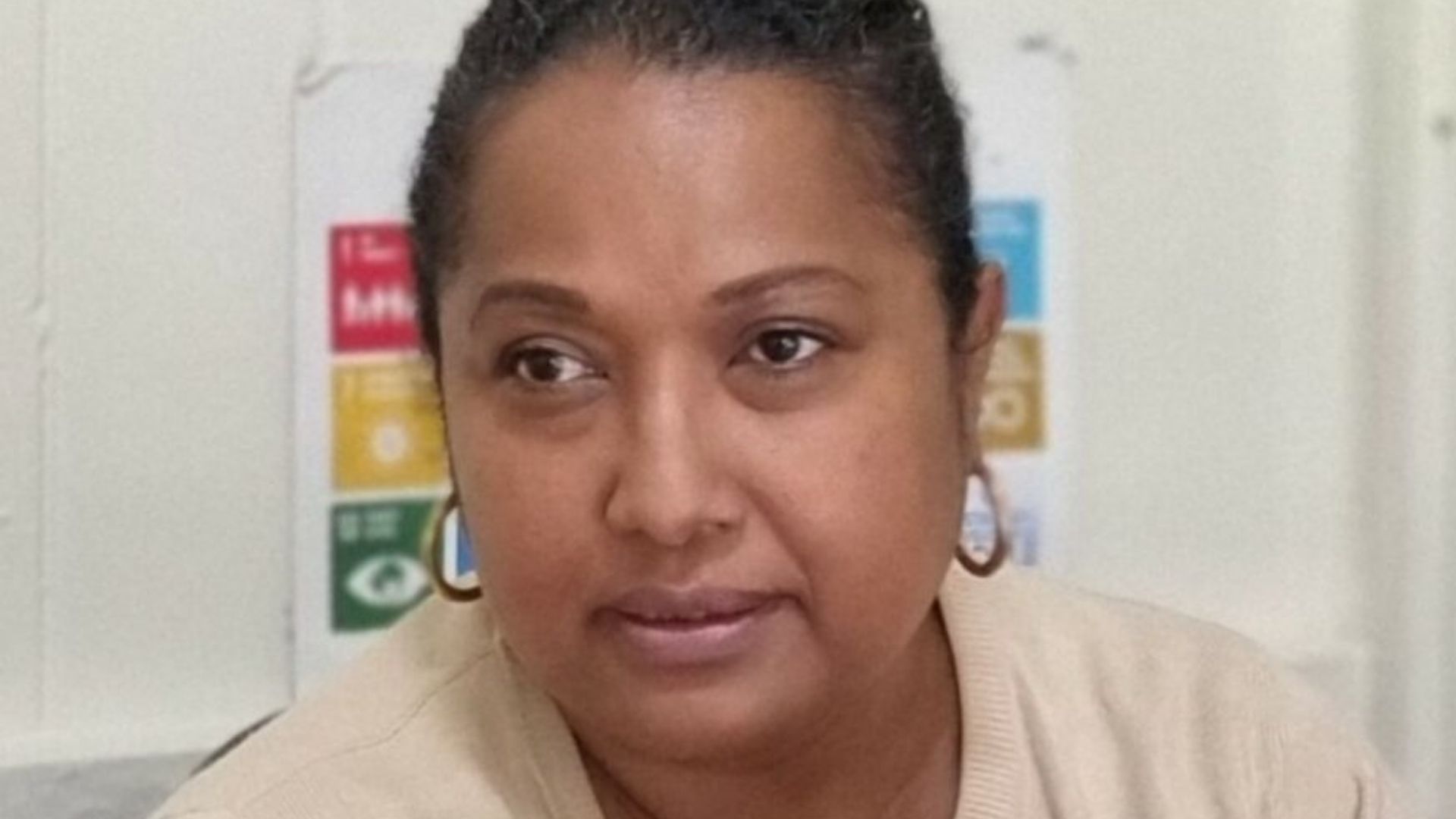
Fiji Human Rights Commissioner Chantelle Khan warns that national emergency health measures must focus on human rights and dignity rather than forced testing or discrimination. Photo/FHRADC
Special focus is being directed at Vanuatu students studying in Fiji where around one in 60 adults is now living with the virus and a rising number of infants are dying from complications.
“That is why we are working closely with our Public Health Team and the Ministry of Education and Training (MoET), through the Scholarships Office, to raise awareness among our students studying in Fiji,” Vocor said.
While students are a high priority, Vocor stressed that the broader travelling public must also take precautions, saying public health teams rely on community outreach and contact tracing whenever a positive case emerges.
“We are advocating through public health programmes to communities. Once a case is identified, contact tracing is conducted,” he said.
The refusal to enforce border testing leaves Vanuatu relying heavily on prevention, a critical strategy for a nation whose main hospital is already stretched to its limits.
Asked directly if Vanuatu National Hospital could handle a major outbreak, Vocor admitted the facility could not sustain it.
Listen to University of Fiji’s School of Associate Professor Akisi Ravonu's full interview on Pacific Mornings below.
“We are already facing challenges with cancers and non-communicable diseases... If there is an outbreak, we must step up to respond to it,” he said.
Vocor said donor partners currently cover the cost of HIV medications but warned that a full-blown surge would place an intolerable burden on both the government and local communities.
He urged anyone who may be at risk to come forward for voluntary testing and practice safe choices to protect themselves and their families.